

Microscopy equipment - other
We personally find you the right used, refurbished and new microscopy equipment - other instruments & equipment from verified suppliers.
Microscopy equipment, other is the catalogue grouping for microscopy hardware that falls outside the standard upright and stereo microscope classes: the accessories, imaging attachments and specialised stands that support laboratory microscopy without being a conventional benchtop scope. The group covers camera adapters, illumination units, imaging systems and dedicated microscope types such as inverted and trinocular instruments. Across 169 items from 15 verified suppliers in 8 countries, the mix spans accessories priced from EUR 25 to complete imaging systems reaching EUR 236.745. Both new and used laboratory microscopy equipment is listed, and refurbished units appear here too. Among the current listings, 97 percent are used.
Updated:
Microscopy equipment - other product list
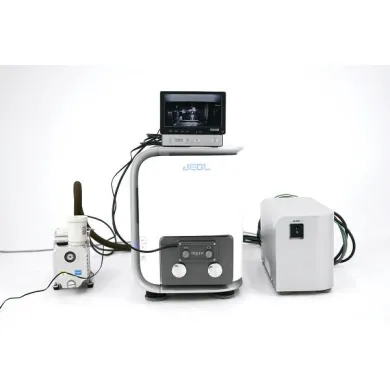
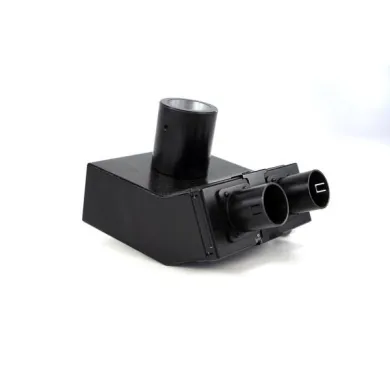
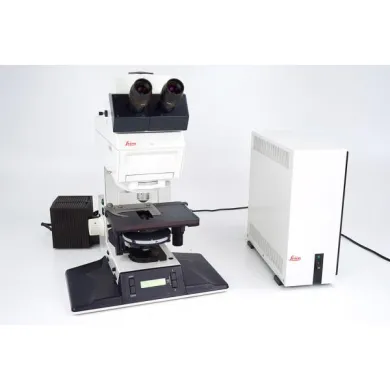


Not the exact instrument you need?
Tell our scientists what you are after. We track it down, including off-market supply.
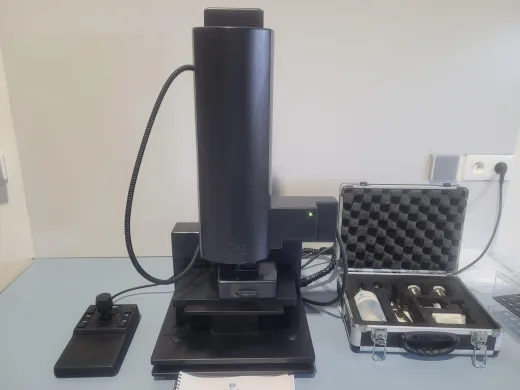
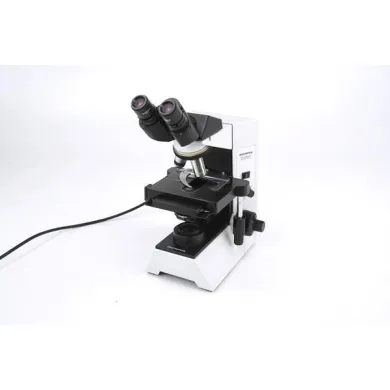
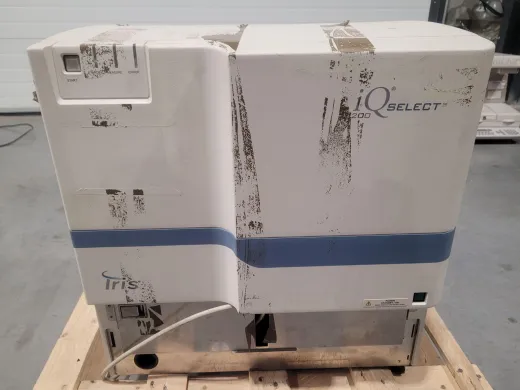
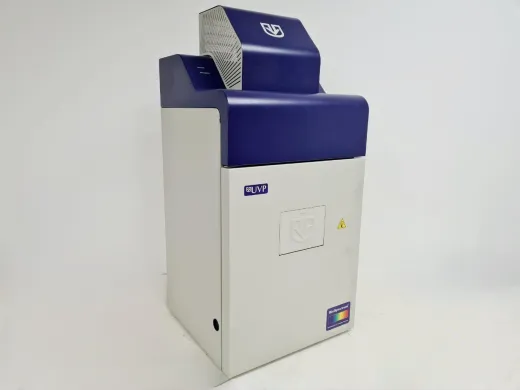
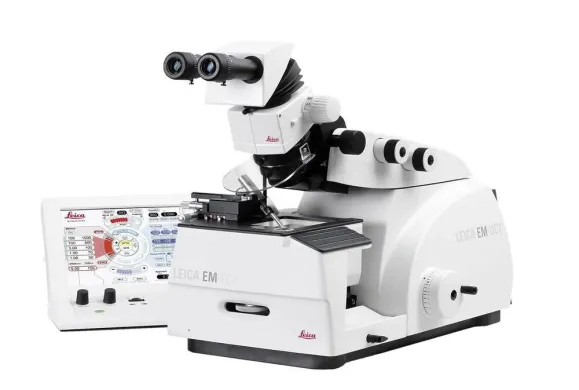
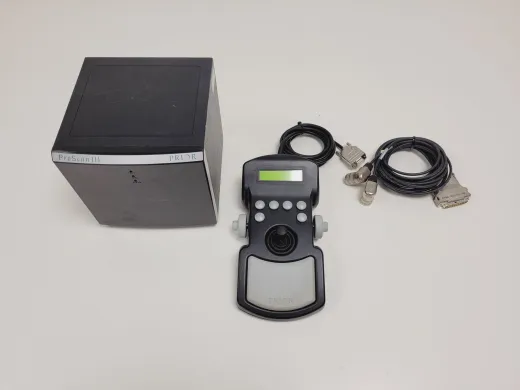
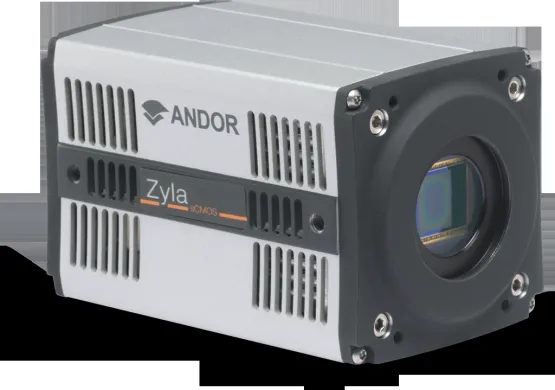
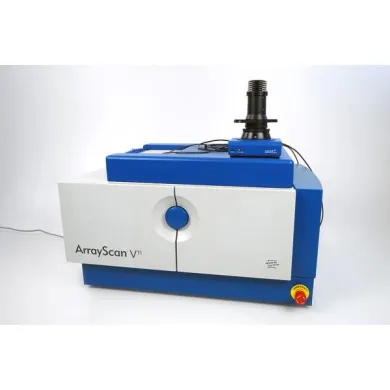
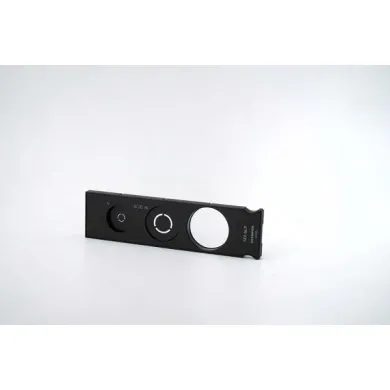
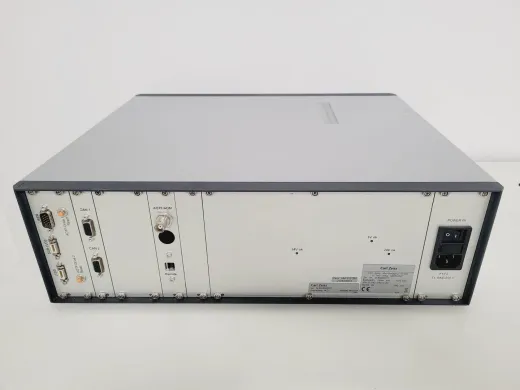
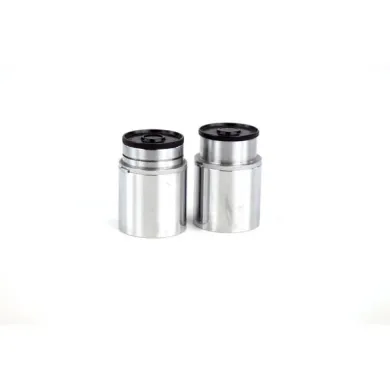
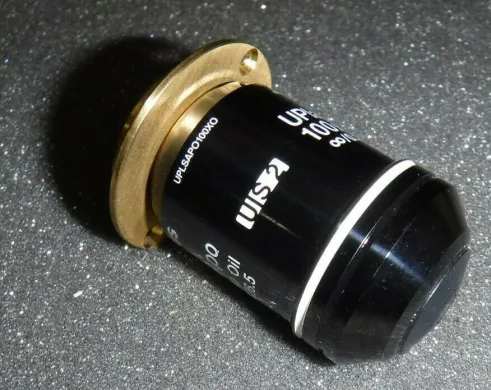
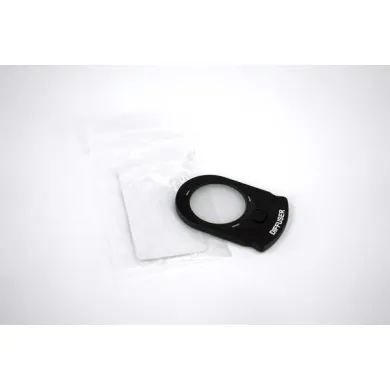
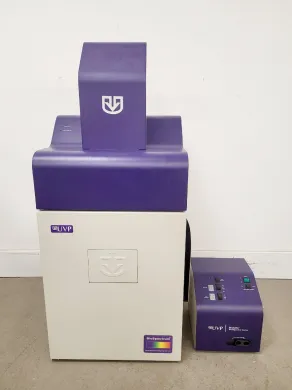
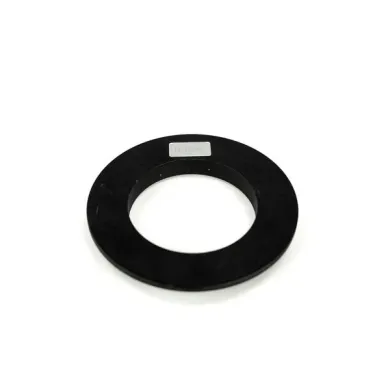
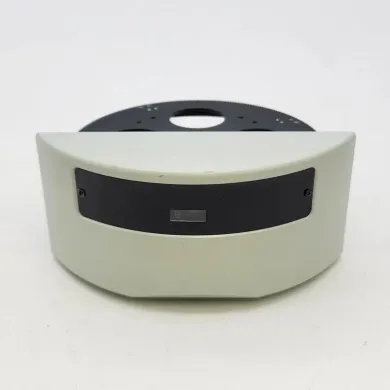
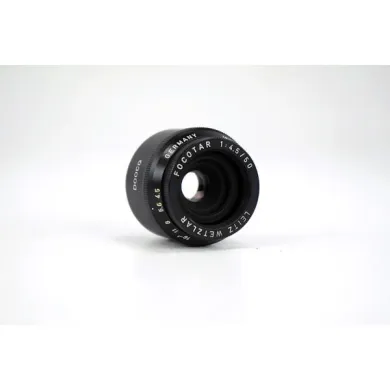
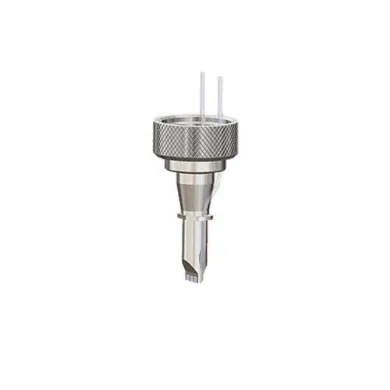

Not the exact instrument you need?
Tell our scientists what you are after. We track it down, including off-market supply.
Showing 1–40 of 101 listings
Show 40 more listingsBuying guide
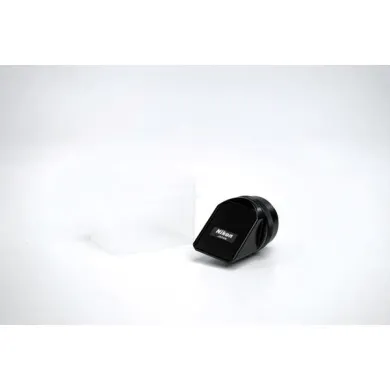
What settles a purchase in this group is the fit between the part and the microscope it has to serve, because almost nothing here stands alone. A camera adapter, a phototube, an LED illumination module or a motorised stage is bought to attach to an existing instrument, and the mount, the thread and the optical interface decide whether it works at all. A C-mount camera port is not interchangeable with a proprietary bayonet; a 1x adapter changes the field differently from a 0.5x. So before anything else, a buyer checks the make and model of the host microscope and the exact interface it exposes, and reads the listing against that rather than against a general category of part.
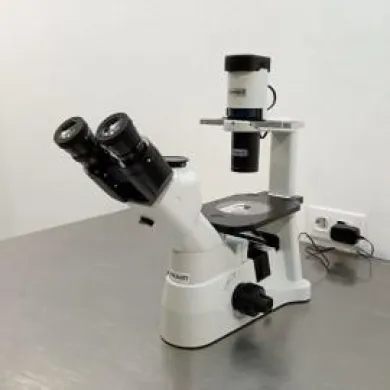
The exception is the standalone instruments in this group, the inverted and trinocular microscopes, where the specification on the datasheet does matter: objective range, condenser type, the port arrangement on a trinocular head, and whether the illumination is halogen or LED. An inverted stand is chosen for cell culture and live imaging work where the sample sits in a dish above the objective, so working distance and the stage opening matter more than they would on an upright.
Condition carries real weight because 97 percent of the listings are used. On a used imaging system the sensor hours, the state of the cover glass and the alignment of the optical train are worth verifying; on a used illuminator the lamp or LED life is the thing to ask about; on a used adapter the thread and the glass are usually the whole story. These units are listed by verified suppliers and distributors, and a warranty can be arranged in consultation for the specific listing, so the condition detail is best confirmed against the individual item.
Price spans the widest range of any microscopy group, from EUR 25 to EUR 236.745, with an average around EUR 5.711. What a given unit costs follows directly from where it sits on that scale: a bare accessory at the low end, a full research imaging system at the top. For a buyer working to a budget, the used and refurbished units listed for sale are more affordable than new, and brands such as Various, Nikon, Olympus, Leitz Wetzlar, Zeiss appear across the range, which makes a given part easier to match against a known instrument.
Types of Microscopy equipment - other
Which microscopy equipment types are listed here?
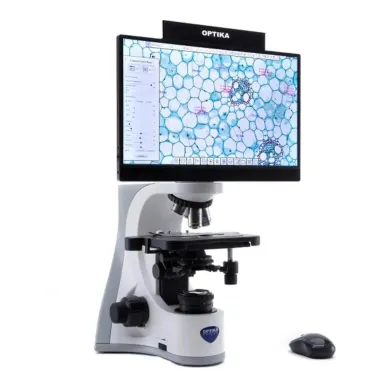
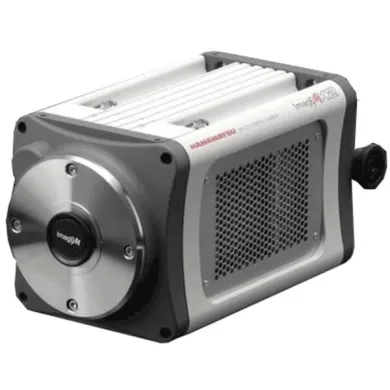
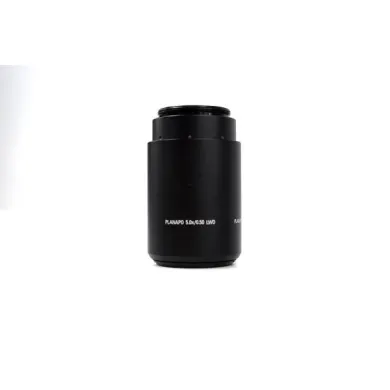
Among the listings that specify a type, the group divides into accessories, imaging hardware and a few standalone instruments. Microscope accessories are the largest part: adapters, stages, condensers, phototubes and the small parts that extend an existing scope. Imaging equipment and imaging systems are the camera and capture side, from a single sensor and its adapter through to a complete system with software, used across the life sciences for cell imaging, histology and fluorescence microscopy work in cell biology and microbiology. Trinocular microscopes carry a third port for a camera alongside the binocular eyepieces, which is why they dominate documented laboratory microscopy. Inverted microscopes place the objectives below the stage and are the standard tool for cell culture and live-cell imaging, also used for in vitro fertilisation and for micromanipulation in developmental biology. LED illuminated microscopes swap the halogen lamp for a cooler, longer-lived light source, and matter most for fluorescence and for routine microbiology where sample heating is a problem.
The research these instruments serve is specific to each. An inverted microscope with phase contrast is the workhorse of cell culture monitoring and live-cell imaging; a trinocular stand feeds the camera that captures histology and pathology slides; a fluorescence-ready illuminator and imaging system together support immunoassay readout, protein localisation and the kind of cell imaging that underpins work in genomics and proteomics laboratories. An inverted fluorescence microscope for live cell imaging and an imaging system for histology slide scanning are two distinct buys even though both sit in this group.
The brands behind the listings
The brands here run Various, Nikon, Olympus, Leitz Wetzlar, Zeiss. Several listings are catalogued as generic or unbranded parts, which is common for adapters and stands that fit many scopes. The named optical makers carry weight for a buyer because their mounts and threads are documented and widely cross-referenced, so a camera port or a condenser from one of them is easier to match to a host instrument, and parts for the older bodies remain findable. Those parts can be sourced via Questpair.
What a used unit costs here
Condition skews heavily to used: 97 percent of the listings are used. Prices run from EUR 25 to EUR 236.745, with an average near EUR 5.711. That spread covers everything from a single adapter to a full research imaging system, which is why the range is so wide. Used and refurbished units are listed below new prices, and where a warranty matters it is arranged in consultation for the specific listing.
Frequently asked questions
What is microscopy equipment, other?
It is the catalogue grouping for microscopy hardware that sits outside the standard upright and stereo microscope classes, covering accessories, imaging attachments, illumination units and specialised stands such as inverted and trinocular instruments. The items support laboratory microscopy without being a conventional benchtop scope.
What does microscopy equipment, other mean as a category?
It means the parts and instruments that extend or feed a microscope rather than replace it: camera adapters, stages, condensers, phototubes, imaging systems and dedicated microscope types. The grouping exists because these items do not fit the ordinary upright or stereo classes.
How do these pieces of microscopy equipment work?
Most are attachments that mount to an existing microscope through a defined optical interface, so a camera adapter couples a sensor to a phototube and an illumination module replaces or supplements the light source. The standalone instruments, inverted and trinocular microscopes, work as complete scopes with their own objectives, stage and light path.
What types are in this category?
The listings divide into microscope accessories, imaging equipment and systems, and a few standalone instruments. Named types include microscope accessory, imaging equipment, imaging system, trinocular microscope, inverted microscope and LED illuminated microscope.
What is this equipment used for?
Inverted microscopes handle cell culture and live-cell imaging where the sample sits in a dish above the objective, trinocular stands feed a camera for histology and pathology slides, and fluorescence-ready illuminators and imaging systems support immunoassay readout and protein localisation. Accessories adapt a host scope to a specific capture or illumination task.
How do I choose the right item here?
For an accessory, start with the make and model of the host microscope and the exact interface it exposes, since a C-mount port is not interchangeable with a proprietary bayonet and a 1x adapter changes the field differently from a 0.5x. For a standalone inverted or trinocular microscope, read the datasheet for objective range, condenser type, port arrangement and whether illumination is halogen or LED.
What is the difference between refurbished and used here?
Used describes a unit sold in its current working condition, while refurbished means it has been reconditioned before resale. Both appear in this group and both are listed below new prices; confirm the condition detail against the individual listing.
How much does microscopy equipment in this category cost?
Prices range from EUR 25 to EUR 236.745, with an average near EUR 5.711. That wide spread reflects the gap between a bare accessory at the low end and a full research imaging system at the top.
Which brands are listed in this category?
The brands here include Nikon, Olympus, Leitz Wetzlar and Zeiss, alongside many listings catalogued as generic or unbranded. Unbranded entries are common for adapters and stands that fit many scopes.
Can I get a warranty on a refurbished unit?
A warranty is often possible and is arranged in consultation for the specific listing. Because condition and seller vary, confirm the terms against the individual item.
Are parts available for these instruments?
Parts can be sourced via Questpair. For the named optical makers, mounts and threads on older bodies are documented and widely cross-referenced, which makes a matching part easier to find.
How long do these instruments last?
Lifespan depends on the item and its history: an inverted or trinocular microscope body can serve for many years, while consumable light sources like halogen lamps have a shorter life than LED modules. On a used unit, ask about sensor hours on an imaging system and lamp or LED life on an illuminator.
Should I buy new or refurbished?
Used and refurbished units are listed at lower prices than new, which is the practical difference for a buyer weighing the two. Where warranty matters, point to the individual listing, since it is arranged in consultation rather than set centrally.
Where can I buy microscopy equipment in this category?
These items are offered through Questpair by verified suppliers and distributors. The current group spans 169 items from 15 suppliers across 8 countries.
What are the lead time and shipping like?
Lead time and shipping depend on the individual supplier and the item, since listings come from verified suppliers and distributors in 8 countries. Check the specific listing for its availability and delivery details.
How are these instruments calibrated and maintained?
On a standalone microscope, maintenance centres on optical alignment, condenser and objective cleanliness and the light source; on an imaging system the cover glass, sensor condition and alignment of the optical train matter. Questpair does not provide servicing, so plan calibration and upkeep around the item you receive.
Which types are listed most and who reaches for each?
Microscope accessories make up the largest part and are bought by anyone extending an existing scope, while trinocular microscopes dominate documented laboratory microscopy because the third port feeds a camera. Inverted microscopes go to cell culture, live-cell imaging and in vitro fertilisation work, and LED illuminated models suit fluorescence and routine microbiology where sample heating is a concern.
Which brands dominate this category and what does that mean for a buyer?
Named optical makers such as Nikon, Olympus, Leitz Wetzlar and Zeiss appear alongside many generic or unbranded parts. For a buyer, a documented port or condenser from one of the named makers is easier to match to a host instrument, and parts for their older bodies remain findable.
What separates the bottom of the price band from the top?
At the bottom sits a bare accessory such as an adapter, where the thread and the glass are the whole story; at the top sits a complete research imaging system with camera, optics and software. The price follows directly from where the item sits between a single part and a full capture system.