53k+ listingsShips to NLResponse within one hour+31 73 711 4717info@questpair.com
Procurable · sourced on request

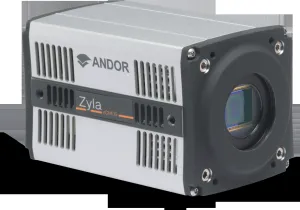
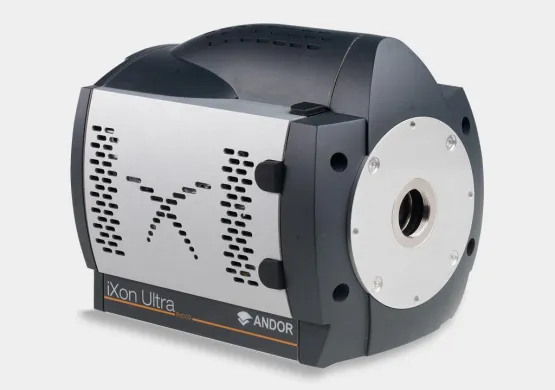
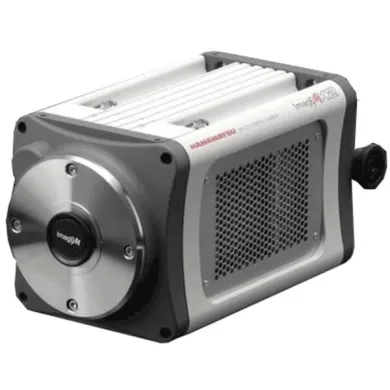
Andor Zyla

UsedAndorMicroscopy equipment - otherNetherlands
Procurable

Not in stock, available to order through our sourcing team

Not in stock, but we can get it for you

We source this model through our supplier network. Request a quote and we'll come back within one hour.

  1. Request a quote
  2. We confirm price and lead time
  3. You approve, we ship to you
Sensor Type
Front Illuminated Scientific CMOS
Data Range
12-bit and 16-bit
Active Pixels
2560 x 2160
Sensor Size
16.6 x 14.0 mm
Pixel Size
6.5 μm
Availability
Procurable
Lead time
Confirmed with your quote
All 17 specifications
  • Ships to NL
  • Response within 1 hour
  • Warranty available. Buy without worry
  • Support from a scientist

Specifications 17

Brands
Andor
New/Used
Used
Sensor Type
Front Illuminated Scientific CMOS
Data Range
12-bit and 16-bit
Active Pixels
2560 x 2160
Sensor Size
16.6 x 14.0 mm
Pixel Size
6.5 μm
Quantum Efficiency
82%
Read Noise
1.2 electrons
Maximum Frame Rate
100 frames per second
Dark Current
0.019 electrons per pixel per second
Dynamic Range
33,000:1
Shutter Modes
Rolling and Global
Sensor Operating Temperature
0°C (up to 35°C ambient)
Interface Options
USB 3.0, Camera Link 10-tap
Availability
Procurable
Lead time
Confirmed with your quote

Product description

High-sensitivity sCMOS camera with 5.5 MP sensor, 82% QE, 1.2 e- read noise, 100 fps, rolling and global shutter modes.

The Andor Zyla 4013 is a high-performance scientific CMOS (sCMOS) camera designed to deliver exceptional sensitivity, speed, and resolution for advanced imaging applications. Its compact and thermoelectrically cooled design ensures minimal vibration, making it ideal for integration into sensitive experimental setups.

Key features:

  • High sensitivity: Achieves up to 82% quantum efficiency (QE), enabling the detection of faint signals across a broad spectral range.
  • Low read noise: Features read noise as low as 1.2 electrons, surpassing traditional CCDs in low-light performance.
  • Rapid frame rates: Delivers up to 100 frames per second (fps) at full resolution, facilitating the capture of fast dynamic processes.
  • High resolution: Equipped with a 5.5-megapixel sensor and 6.5 μm pixels, providing sharp images over a 22 mm diagonal field of view.
  • Flexible shutter modes: Offers both rolling and true global shutter options, accommodating diverse imaging requirements.

Applications:

  • Biotechnology: Essential for live-cell imaging, fluorescence microscopy, and high-content screening, supporting research in molecular biology and cellular dynamics.
  • Neuroscience: Enables real-time imaging of neuronal activity, contributing to advancements in brain function studies.
  • Biomedical engineering: Supports the development of medical imaging technologies and diagnostic tools.
  • Astrophysics: Utilised in adaptive optics and spectroscopy for observing celestial phenomena.

Commonly used in:

  • University laboratories: Facilitates cutting-edge research across various scientific disciplines.
  • Biomedical research centres: Supports studies in disease mechanisms and therapeutic development.
  • Clinical environments: Assists in diagnostic imaging and patient monitoring.
  • Astronomical observatories: Aids in the exploration of the universe through high-resolution imaging.

Introduced in 2013, the Andor Zyla 4013 remains a relevant and widely adopted imaging solution in the scientific community. Its combination of sensitivity, speed, and resolution continues to meet the evolving demands of modern research.

Why Questpair exists

Lab equipment markets are fragmented. Buyers spend weeks calling distributors, comparing quotes, and verifying supplier reliability. Sellers struggle to reach global research labs.

We built Questpair to fix this. Every supplier on the platform is verified before listing. Every quote you receive comes from a real, vetted seller. AI prepares your case in minutes, then a real specialist takes over.

We're an independent team based in The Netherlands, working with research labs and procurement teams across Europe and worldwide.

Frequently asked questions

How long does laboratory equipment typically last?

With a service contract, ten to fifteen years is normal for most benchtop instruments. Detectors and pumps are the parts that wear first.

Can I get service for older equipment?

Often, yes. Verified suppliers frequently work with service partners converting the instrument. If applicable, we can list servicing options alongside the offer.

Where can I buy parts?

Ask a scientist through the request button. Parts are often available even when the instrument itself is discontinued.

What is the typical lead time for refurbished equipment?

Two to six weeks, depending on refurbishment scope and whether calibration is included.

Does laboratory equipment ship internationally?

We ship to 38 countries. Crating and customs handling are quoted with the instrument.

Reply in one hour

Can't find the exact configuration?

Tell us what you need and a scientist finds it for you, usually within the hour.

Last updated 2 November 2026