Not in stock, available to order through our sourcing team
We source this model through our supplier network. Request a quote and we'll come back within one hour.
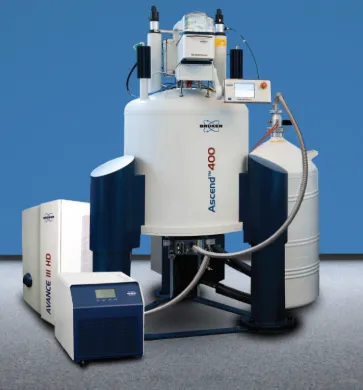
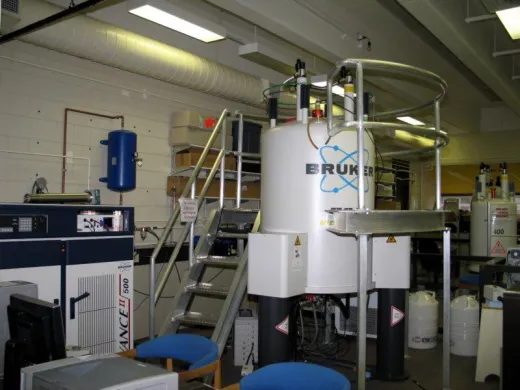
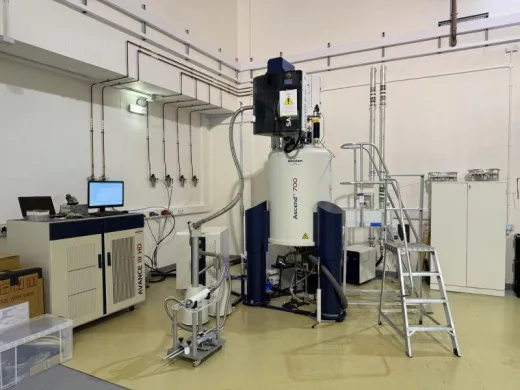
400 MHz NMR spectrometer with 5 mm HFX probe, 64-position autosampler, optimized for ¹H, ¹³C, ¹⁹F, and ³¹P nuclei detection.
The JEOL A-400 is a 400 MHz Nuclear Magnetic Resonance (NMR) spectrometer designed for precise molecular structure analysis at the atomic level. This instrument is essential for researchers requiring detailed insights into complex compounds, offering non-destructive analysis with minimal sample preparation.
Key features include:
The JEOL A-400 is widely applied across various scientific domains, including organic chemistry, biochemistry, pharmaceutical analysis, and polymer science. Its capabilities are particularly beneficial in biotechnology, supporting applications such as bioprocessing, gene editing, and molecular diagnostics.
Commonly utilised in university laboratories, biomedical research centres, and pharmaceutical companies, this spectrometer has been a reliable tool since its introduction in the early 2000s. Its enduring relevance underscores its robustness and adaptability to evolving research needs.
By delivering high-quality data with efficiency, the JEOL A-400 remains a valuable asset for scientists aiming to advance their research in molecular characterisation and related fields.
Lab equipment markets are fragmented. Buyers spend weeks calling distributors, comparing quotes, and verifying supplier reliability. Sellers struggle to reach global research labs.
We built Questpair to fix this. Every supplier on the platform is verified before listing. Every quote you receive comes from a real, vetted seller. AI prepares your case in minutes, then a real specialist takes over.
We're an independent team based in The Netherlands, working with research labs and procurement teams across Europe and worldwide.
With a service contract, ten to fifteen years is normal for most benchtop instruments. Detectors and pumps are the parts that wear first.
Often, yes. Verified suppliers frequently work with service partners converting the instrument. If applicable, we can list servicing options alongside the offer.
Ask a scientist through the request button. Parts are often available even when the instrument itself is discontinued.
Two to six weeks, depending on refurbishment scope and whether calibration is included.
We ship to 38 countries. Crating and customs handling are quoted with the instrument.
Tell us what you need and a scientist finds it for you, usually within the hour.
Last updated 22 October 2026