Price on request
In stock
Can't find what you're looking for?
Pre-Owned
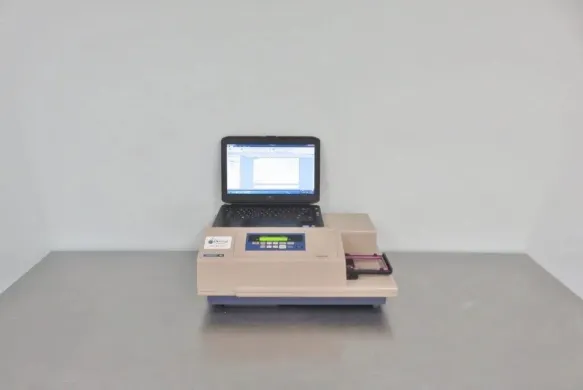
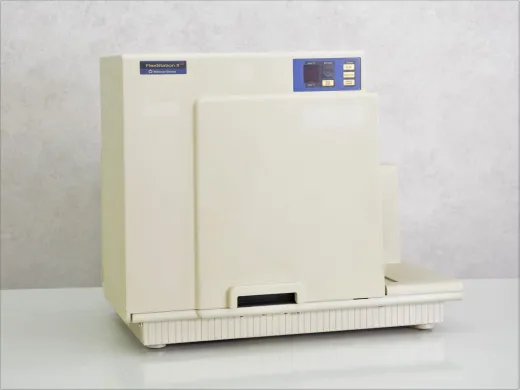
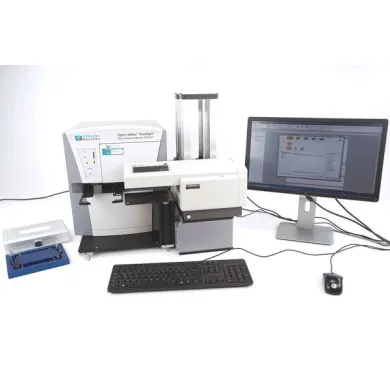
Multi-mode microplate reader supporting ABS, FL, LM, TRF, FP; 96/384-well; integrated fluidics; 2–45°C incubation; 8-channel pipetting.
The Molecular Devices FlexStation 3 is a versatile benchtop multi-mode microplate reader optimized for fluorescence intensity, luminescence, absorbance, time-resolved fluorescence (TRF), and fluorescence polarization (FP) detection. It supports microplate formats including 6, 12, 24, 48, 96, and 384 wells, making it suitable for high-throughput applications widely adopted in biotechnology, molecular diagnostics, and drug discovery workflows.
Key features include:
Applications encompass ion channel assays, GPCR signaling, enzyme kinetics, cytotoxicity, and protein-protein interactions, making this model essential for biopharmaceutical production pipelines and biomanufacturing process development.
The FlexStation 3 features a compact footprint suitable for standard laboratory environments, backed by comprehensive quality verification including power-up and initialization, communication with software, fluorescence protocols validation, absorbance accuracy, incubation function testing, and pipettor mechanism reliability. The instrument is shipped fully functional with options for remote setup, training, and warranty coverage, ensuring reliable performance for academic, clinical, and industrial research labs.
This unit’s integration of multiple detection modes, precise temperature control, and automated reagent addition makes it a critical component in advanced assay workflows, particularly in cellular imaging, fluorescence analysis, and molecular diagnostics applications widely used by researchers in biotechnology and clinical diagnostics.
Lab equipment markets are fragmented. Buyers spend weeks calling distributors, comparing quotes, and verifying supplier reliability. Sellers struggle to reach global research labs.
We built Questpair to fix this. Every supplier on the platform is verified before listing. Every quote you receive comes from a real, vetted seller. AI prepares your case in minutes, then a real specialist takes over.
We're an independent team based in The Netherlands, working with research labs and procurement teams across Europe and worldwide.
With a service contract, ten to fifteen years is normal for most benchtop instruments. Detectors and pumps are the parts that wear first.
Often, yes. Verified suppliers frequently work with service partners converting the instrument. If applicable, we can list servicing options alongside the offer.
Ask a scientist through the request button. Parts are often available even when the instrument itself is discontinued.
Two to six weeks, depending on refurbishment scope and whether calibration is included.
We ship to 38 countries. Crating and customs handling are quoted with the instrument.
Tell us what you need and a scientist finds it for you, usually within the hour.
Last updated 17 November 2026
Questpair lists 209 similar items in Microplate readers, going up to around €20,000.
1 other listing of this model is available.