Price on request
In stock
Can't find what you're looking for?
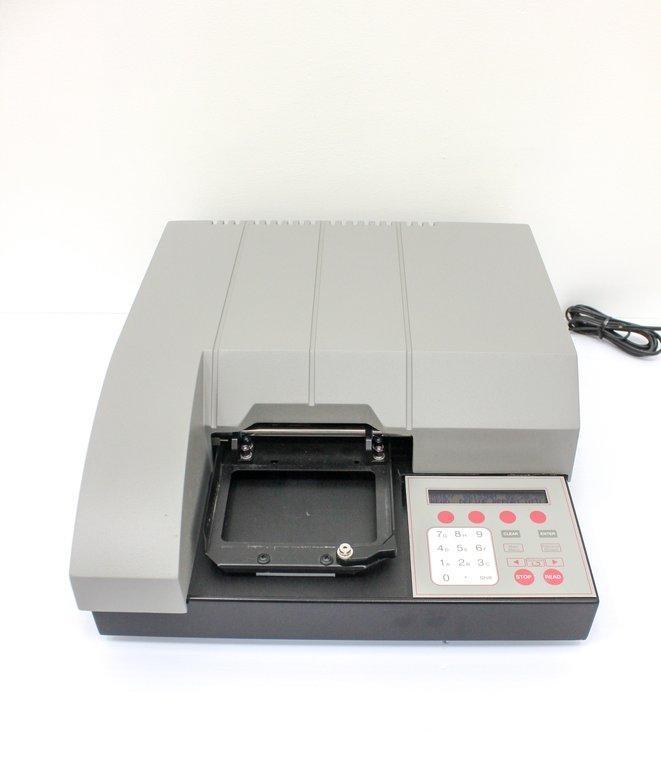
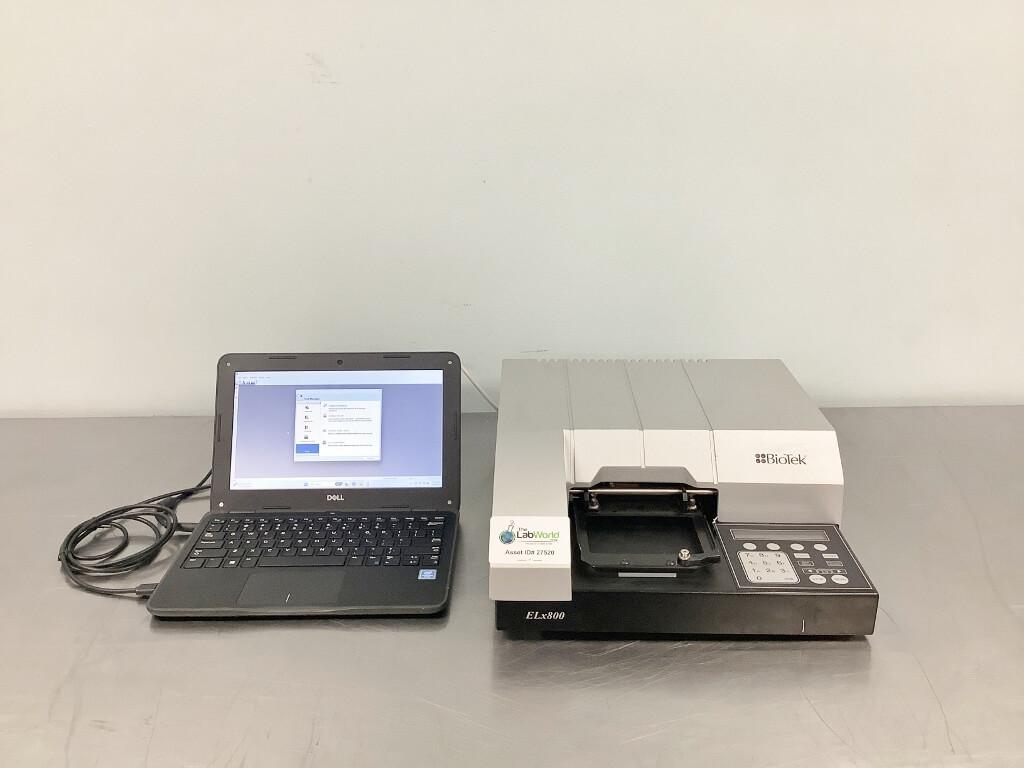
High-sensitivity Biotek FLx800 fluorescence microplate reader with 300-700 nm range, suitable for DNA and protein quantification.
The Biotek FLx800 Fluorescence Microplate Reader is a precision instrument designed for advanced fluorescence and luminescence detection in biotechnology and molecular diagnostics applications. Featuring a wavelength excitation range of 300–650 nm and an emission range of 340–700 nm, this reader achieves a fluorescence intensity sensitivity of 5 pM fluorescein and luminescence sensitivity down to 100 amol ATP, supporting a wide 5-decade dynamic range.
Key technical specifications include:
This instrument is widely adopted in applications such as DNA quantification, Förster Resonance Energy Transfer (FRET), gene expression analysis, protein quantification, kinetic studies, and cell-based assays. Its high-sensitivity fluorescence and luminescence detection capabilities make it critical in bioprocessing and molecular cloning workflows within biotechnology and biomedical research environments.
The included Gen5 software facilitates precise assay control, data graphing, and exporting, optimizing workflows in gene editing research, molecular diagnostics, and biomanufacturing pipelines. With storage capacity for up to 75 assays, customizable excitation/emission filters, and adaptable plate geometry, the FLx800 enables reproducible and scalable measurement solutions for advanced biotechnological research.
Lab equipment markets are fragmented. Buyers spend weeks calling distributors, comparing quotes, and verifying supplier reliability. Sellers struggle to reach global research labs.
We built Questpair to fix this. Every supplier on the platform is verified before listing. Every quote you receive comes from a real, vetted seller. AI prepares your case in minutes, then a real specialist takes over.
We're an independent team based in The Netherlands, working with research labs and procurement teams across Europe and worldwide.
With a service contract, ten to fifteen years is normal for most benchtop instruments. Detectors and pumps are the parts that wear first.
Yes. Every verified supplier states which service partners cover the instrument, and we list that alongside the offer.
Ask a scientist through the request button. Parts are often available even when the instrument itself is discontinued.
Two to six weeks, depending on refurbishment scope and whether calibration is included.
We ship to 38 countries. Crating and customs handling are quoted with the instrument.
Tell us what you need and a scientist finds it for you, usually within the hour.
Last updated 19 October 2026
The middle half of the 277 with a price runs from €235 to €5,000.