53k+ listingsShips to NLResponse within one hour+31 73 711 4717info@questpair.com
Procurable · sourced on request

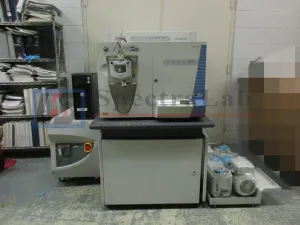
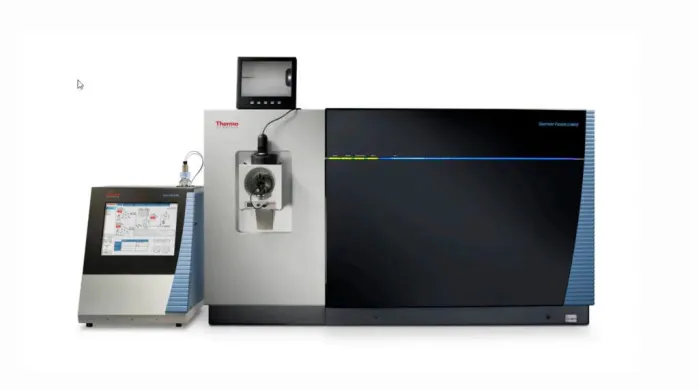
Thermo Fisher Scientific LTQ

UsedThermo Fisher ScientificAnalytical devices - otherNetherlands
Procurable

Not in stock, available to order through our sourcing team

Not in stock, but we can get it for you

We source this model through our supplier network. Request a quote and we'll come back within one hour.

  1. Request a quote
  2. We confirm price and lead time
  3. You approve, we ship to you
Mass Range
50 to 2000 m/z
Resolution
7500 to >100,000 m/z
Mass Accuracy
<3 ppm
Scan Rates
MSn for n = 1 through 10
Sensitivity (ESI)
250 femtograms with a signal-to-noise ratio of 100:1 for reserpine
Availability
Procurable
Lead time
Confirmed with your quote
All 19 specifications
  • Ships to NL
  • Response within 1 hour
  • Warranty available. Buy without worry
  • Support from a scientist

Specifications 19

Brands
Thermo Fisher Scientific
New/Used
Used
Mass Range
50 to 2000 m/z
Resolution
7500 to >100,000 m/z
Mass Accuracy
<3 ppm
Scan Rates
MSn for n = 1 through 10
Sensitivity (ESI)
250 femtograms with a signal-to-noise ratio of 100:1 for reserpine
Sensitivity (APCI)
250 femtograms with a signal-to-noise ratio of 100:1 for reserpine
Scan Types
TurboScan, ZoomScan, Ultra ZoomScan
Polarity Switching
<100 ms between positive and negative MS Scan Power
Operating Temperature Range
15 to 27 °C
Operating Humidity Range
40 to 80% relative humidity
Voltage
230 V
Power Consumption
2300 W
Weight
120 kg
Dimensions
560 mm x 790 mm x 590 mm
Data System
Microsoft Windows XP with Thermo Scientific Xcalibur software
Availability
Procurable
Lead time
Confirmed with your quote

Product description

High-sensitivity linear ion trap MS with fast cycle times, wide mass range, and R>4000 resolution at 1000 m/z.

The Thermo Scientific LTQ is a high-performance linear ion trap mass spectrometer designed for the rapid and sensitive analysis of complex molecular mixtures. Introduced in 2005, this instrument has been instrumental in advancing research across various scientific domains.

Key features include:

  • Extremely fast MS and MS/MS cycle times with data-dependent acquisition, enhancing throughput and efficiency.
  • High resolution in both MS and tandem MS modes, typically achieving R>4000 at 1000 m/z, facilitating accurate charge state determination.
  • Wide mass range from 50 to 2000 m/z in normal operation, extendable up to 4000 amu, accommodating diverse analytical needs.
  • Exceptional sensitivity in MS mode and outstanding sensitivity in tandem MS, ensuring reliable detection of low-abundance analytes.

The LTQ's versatility makes it suitable for a broad spectrum of applications, including:

  • Proteomics, for protein identification and characterization.
  • Metabolomics, to analyze metabolic pathways and profiles.
  • Pharmaceutical research, for drug discovery and development.
  • Environmental analysis, to detect and quantify pollutants.

This mass spectrometer is widely utilized in university laboratories, biomedical research centres, and pharmaceutical companies, reflecting its adaptability and reliability. While the LTQ was first released in 2005, it has been succeeded by more advanced models in Thermo Scientific's portfolio. However, it remains a valuable tool in many research settings due to its robust performance and comprehensive analytical capabilities.

Why Questpair exists

Lab equipment markets are fragmented. Buyers spend weeks calling distributors, comparing quotes, and verifying supplier reliability. Sellers struggle to reach global research labs.

We built Questpair to fix this. Every supplier on the platform is verified before listing. Every quote you receive comes from a real, vetted seller. AI prepares your case in minutes, then a real specialist takes over.

We're an independent team based in The Netherlands, working with research labs and procurement teams across Europe and worldwide.

Frequently asked questions

How long does laboratory equipment typically last?

With a service contract, ten to fifteen years is normal for most benchtop instruments. Detectors and pumps are the parts that wear first.

Can I get service for older equipment?

Often, yes. Verified suppliers frequently work with service partners converting the instrument. If applicable, we can list servicing options alongside the offer.

Where can I buy parts?

Ask a scientist through the request button. Parts are often available even when the instrument itself is discontinued.

What is the typical lead time for refurbished equipment?

Two to six weeks, depending on refurbishment scope and whether calibration is included.

Does laboratory equipment ship internationally?

We ship to 38 countries. Crating and customs handling are quoted with the instrument.

Reply in one hour

Can't find the exact configuration?

Tell us what you need and a scientist finds it for you, usually within the hour.

Last updated 3 November 2026