58k+ listingsShips to NLResponse within one hour+31 73 711 4717info@questpair.com
Procurable · sourced on request

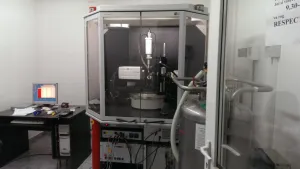
Bruker AXS SMART CCD

UsedBrukerAnalytical devices - otherNetherlands
Procurable

Not in stock, available to order through our sourcing team

Not in stock, but we can get it for you

We source this model through our supplier network. Request a quote and we'll come back within one hour.

  1. Request a quote
  2. We confirm price and lead time
  3. You approve, we ship to you
Imaging Area
62 mm x 62 mm
Number of Pixels
4096 x 4096
Front End Pixel Size
15 µm x 15 µm
Selectable Frame Sizes
512 x 512, 1024 x 1024
Number of Ports Readout
4
Availability
Procurable
Lead time
Confirmed with your quote
All 25 specifications
  • Ships to NL
  • Response within 1 hour
  • Warranty available. Buy without worry
  • Support from a scientist

Specifications 25

Brands
Bruker
New/Used
Used
Imaging Area
62 mm x 62 mm
Number of Pixels
4096 x 4096
Front End Pixel Size
15 µm x 15 µm
Selectable Frame Sizes
512 x 512, 1024 x 1024
Number of Ports Readout
4
Selectable Readout Speeds per Port
200 K pixels/s, 370 K pixels/s
Readout Time at 370 K/s
512 x 512: 0.2 s; 1024 x 1024: 0.7 s
Effective Digitization Range
20 bits (25 bits with attenuator)
Crystol-to-Detector Window Distance
25 mm - 250 mm
X-ray Generator Input Voltage
205-240 VAC
X-ray Generator Current
30 A
X-ray Generator Frequency
50/60 Hz
X-ray Generator Power Supply
Single phase
X-ray Generator Power Output
3 kW
X-ray Generator High Voltage
10 to 60 kV
X-ray Generator Tube Current
2 to 100 mA
X-ray Generator Tube Heating Current
2 to 4.5 A
X-ray Generator Tube Heating Voltage
5 to 12 V
X-ray Generator Power Supply Voltage
230 V ± 10%
X-ray Generator Power Supply Frequency
50/60 Hz
X-ray Generator Power Supply Type
3-phase
Availability
Procurable
Lead time
Confirmed with your quote

Product description

X-ray diffraction system with HighStar detector, four-circle Eulerian cradle, modular design, and advanced analysis software.

The Bruker AXS General Area Detector Diffraction System (GADDS) is a versatile X-ray diffraction (XRD) instrument designed for comprehensive structural analysis of materials. This system integrates advanced detectors with computer-controlled positioning and sophisticated data analysis software, enabling precise investigation of both polycrystalline and single-crystalline samples.

Key features include:

  • HighStar area detector: Allows rapid data acquisition, enhancing throughput for complex analyses.
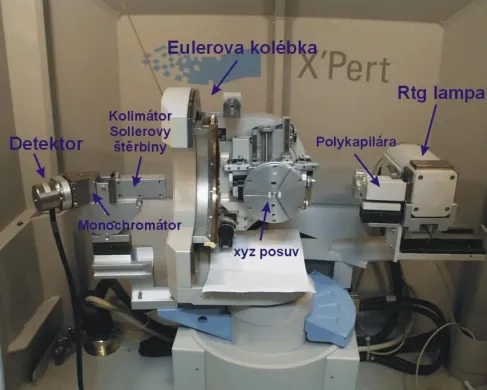
  • Four-circle Eulerian cradle: Facilitates precise sample orientation, essential for detailed texture and stress analysis.
  • Modular design: Enables easy configuration adjustments to accommodate diverse research needs.
  • Advanced software suite: Provides comprehensive data collection and analysis capabilities, streamlining the research process.

This instrument is widely applied in fields such as materials science, solid-state chemistry, and nanotechnology, where understanding material structures at the atomic level is crucial. It is commonly utilised in university laboratories, research institutions, and industrial R&D centres focused on developing new materials and improving existing ones.

The GADDS system has been a cornerstone in XRD analysis since its introduction, continuing to serve as a reliable tool for researchers seeking detailed structural insights into a wide array of materials.

Why Questpair exists

Lab equipment markets are fragmented. Buyers spend weeks calling distributors, comparing quotes, and verifying supplier reliability. Sellers struggle to reach global research labs.

We built Questpair to fix this. Every supplier on the platform is verified before listing. Every quote you receive comes from a real, vetted seller. AI prepares your case in minutes, then a real specialist takes over.

We're an independent team based in The Netherlands, working with research labs and procurement teams across Europe and worldwide.

Frequently asked questions

How long does laboratory equipment typically last?

With a service contract, ten to fifteen years is normal for most benchtop instruments. Detectors and pumps are the parts that wear first.

Can I get service for older equipment?

Often, yes. Verified suppliers frequently work with service partners converting the instrument. If applicable, we can list servicing options alongside the offer.

Where can I buy parts?

Ask a scientist through the request button. Parts are often available even when the instrument itself is discontinued.

What is the typical lead time for refurbished equipment?

Two to six weeks, depending on refurbishment scope and whether calibration is included.

Does laboratory equipment ship internationally?

We ship to 38 countries. Crating and customs handling are quoted with the instrument.

Reply in one hour

Can't find the exact configuration?

Tell us what you need and a scientist finds it for you, usually within the hour.

Last updated 22 October 2026