

Laboratory Supplies
We personally find you the right used, refurbished and new laboratory supplies from verified suppliers.
Laboratory supplies are the consumable and support items a working lab depends on but does not count as instruments: filters and membranes, tubes and plates, replacement lamps, and protective clothing. On Questpair the category runs to 3155 listings from 22 verified suppliers and distributors, so the span is wide. Condition tells the same story: 2712 of those listings are used against 439 new, 86 percent of the total. New, used and refurbished items are all listed, and prices reach from EUR 1 to EUR 156.663, because a box of pipette tips and a filtration housing sit in the same catalogue. The leading brands are Various, Millipore, Globe Scientific, Thermo Scientific, Sartorius.
Updated:
Laboratory Supplies product list


Not the exact instrument you need?
Tell our scientists what you are after. We track it down, including off-market supply.
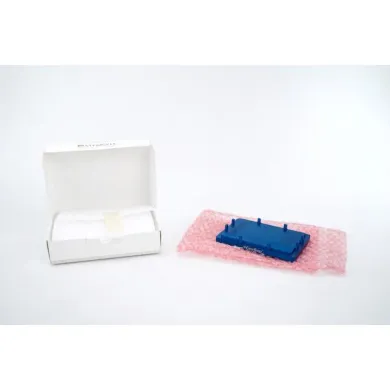
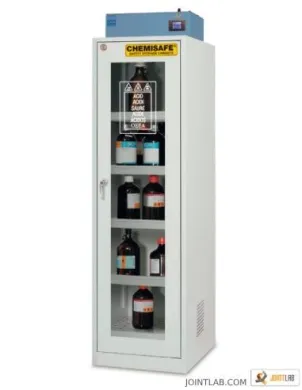

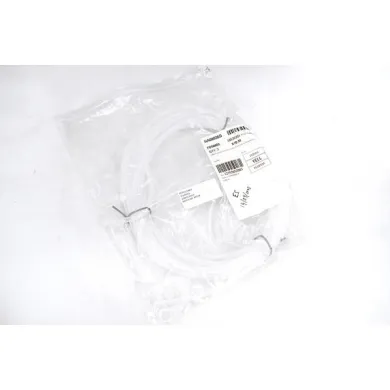
Not the exact instrument you need?
Tell our scientists what you are after. We track it down, including off-market supply.
Showing 1–40 of 2,053 listings
Show 40 more listingsBuying guide
What decides a laboratory supplies purchase?
Compatibility decides most purchases in this category before anything else does, because almost everything here attaches to, feeds, or protects an instrument the buyer already owns. A filter has to fit the housing, a lamp has to match the instrument's lamp mount and wavelength window, a PCR plate has to seat in a particular thermal cycler's block, and a pipette tip has to seal on a given pipette. Get that wrong and the item is unusable regardless of its quality, so the first thing to pin down is the instrument or format the supply serves and the exact specification it demands. Pore size and membrane chemistry for filtration, emission range and base type for lamps, well format and skirt style for plates: these are the numbers that make or break the order.
Grade is the second question, and it only applies to part of the category. Sterile, certified, or low-retention grades carry a premium and a purpose, and buying them where the protocol does not need them wastes budget, while buying standard grade where sterility or nuclease-free certification is required ruins the experiment. For consumables destined for molecular work, the certification on the box, DNase-free, RNase-free, pyrogen-free, is the specification that matters, not the plastic itself.
Condition behaves differently here than it does for instruments. Consumables are frequently sold new and in bulk because they are expendable by design, while lamps, housings, and durable supplies turn up used. A used lamp's remaining rated hours are worth asking about, since a lamp near the end of its life is a short-lived purchase. The listing is where that detail lives, so it is worth reading before committing.
On price, the category spans more than almost any other, from EUR 1 to EUR 156.663, with an average around EUR 1.466. That range reflects the gap between a packet of tips and a complete filtration system, not a quality ladder. Working out what a given supply should cost means comparing like formats rather than reading across the whole band. Used and refurbished items are listed for sale at lower prices than new, which stretches a tight budget further where the supply is durable enough to carry a history. Whether a warranty applies is arranged in consultation against the individual listing, so a buyer weighing an affordable used lamp against a new one has the terms to hand before deciding.
Types of Laboratory Supplies
Filtration supplies
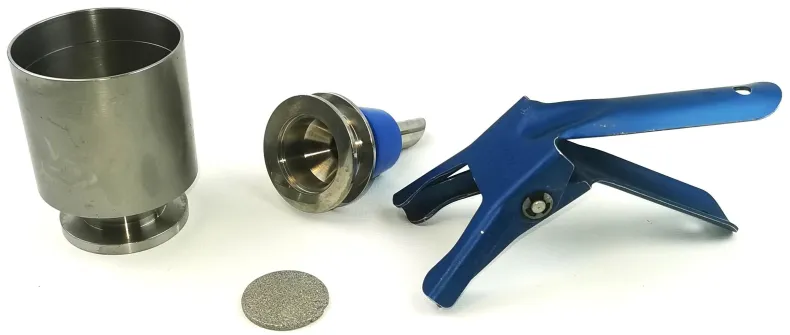
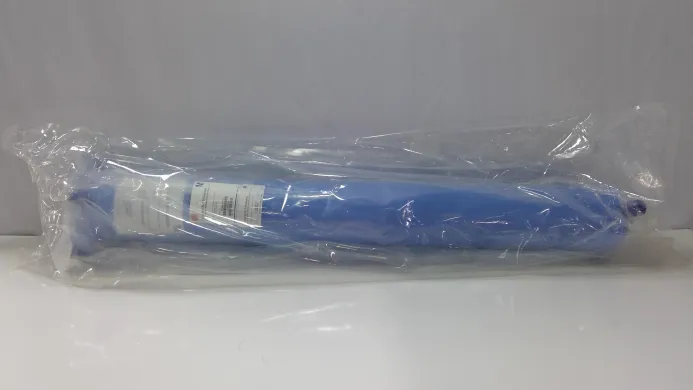
Filtration supplies are the single largest group here, covering the membranes, syringe filters, filter papers, and housings that separate particles or microbes from a liquid or gas stream. What separates one from another is pore size and membrane chemistry: a 0.22 micron filter sterilises, a 0.45 micron one clarifies, and the material, PES, PTFE, cellulose, nylon, decides what solvents it survives. Filtration runs through molecular biology and microbiology daily, from sterilising cell culture media to preparing samples for electrophoresis, and the sterile-grade membranes used for protein purification and immunoassay buffer preparation are a recurring purchase rather than a one-off. Buyers tend to settle on a format, syringe filter versus bottle-top versus vacuum manifold, and then match the pore and the membrane to the fluid.
Consumables
Consumables are the high-turnover plasticware and glassware a lab replaces constantly: pipette tips, microcentrifuge and centrifuge tubes, PCR plates and strips, Petri dishes, vials, and reagent bottles. The distinction between them is less about mechanism than about fit and grade, whether a tip seats on a given pipette, whether a plate matches a thermal cycler's block, whether a tube is certified free of DNase, RNase, and pyrogens. That certification is why consumables matter to the work itself: PCR plates feed genomics and molecular diagnostics, sterile tubes carry cell culture and proteomics samples, and the low-retention tips used in synthetic biology protocols reduce sample loss where volumes are small. A buyer here checks compatibility first and purity grade second.
Lamps
Lamps are the replacement light sources for optical and analytical instrumentation: deuterium and tungsten-halogen lamps for spectrophotometers, hollow-cathode lamps for atomic absorption, xenon arc lamps for fluorescence and cell imaging, and mercury lamps for microscopy. They differ by the instrument they fit and by the wavelength range they emit, so a deuterium lamp covering the ultraviolet is not interchangeable with a tungsten source covering the visible. These are wear items with a finite rated lifetime, which is what puts them in a supplies catalogue rather than a parts one. A spectrophotometer feeding an immunoassay readout or a fluorescence microscope used for cell imaging both stop producing data when the lamp fails, so buyers often stock a spare against the instrument they run.
Clothing
Clothing is the smallest group, covering lab coats, gloves, safety glasses, and the protective garments a lab specifies for its own safety protocol. The distinction here is grade and material rather than function: nitrile against latex gloves, a flame-resistant coat against a standard cotton one, cleanroom garments against general-purpose ones. There is no single research field attached, but the category is also used for cleanroom and sterile-suite work in biomanufacturing, where garment grade is part of the contamination control. Buyers generally know the standard their facility requires and size the order to headcount, so this is a volume purchase chosen on specification rather than on brand.
Frequently asked questions
What are laboratory supplies?
Laboratory supplies are the consumable and support items a working lab uses alongside its instruments rather than as instruments themselves: filters and membranes, tubes and plates, replacement lamps, and protective clothing. They are things a lab replaces or restocks rather than capital equipment.
What does the term laboratory supplies actually mean?
It refers to the expendable and support stock a lab runs through in the course of its work, as distinct from analytical instruments. The defining trait is that these items attach to, feed, or protect equipment, or get consumed outright, rather than performing the measurement themselves.
How do laboratory supplies work?
Each type works by serving a specific instrument or protocol: a filter separates particles by pore size and membrane chemistry, a lamp emits a defined wavelength range for an optical instrument, and a certified tube or plate provides a nuclease-free surface for a sample. The common thread is compatibility with the equipment or process they support.
What types of laboratory supplies are there?
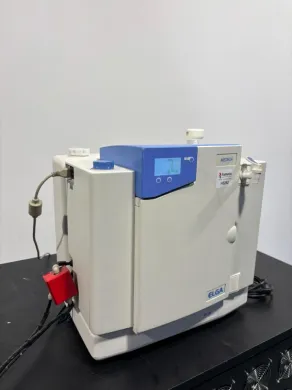
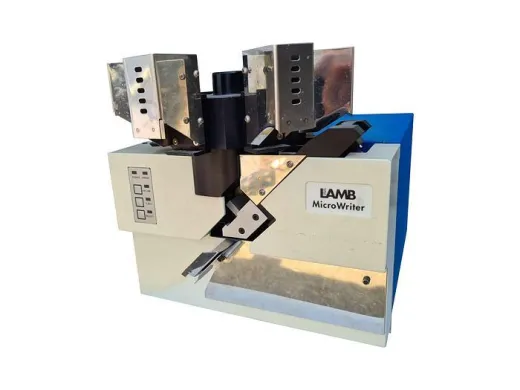
The main groups on Questpair are filtration supplies such as membranes and syringe filters, consumables such as pipette tips, tubes, and PCR plates, replacement lamps for optical and analytical instruments, and protective clothing like coats and gloves. The listed types include laboratory consumables, pipette tips, laboratory water purification systems, ultrapure water systems, and industrial and barcode label printers.
What are laboratory supplies used for?
They support the daily work of molecular biology, microbiology, cell culture, genomics, and analytical chemistry, from sterilising media to running PCR to replacing a failed spectrophotometer lamp. Each item exists to keep a specific instrument or protocol running.
How do I choose the right laboratory supply?
Start with compatibility, since almost everything here attaches to an instrument or format you already own: pore size and membrane chemistry for filters, base type and wavelength window for lamps, well format for plates, and tip seating for pipettes. After compatibility, check the grade, such as sterile or nuclease-free certification, only where the protocol requires it.
What is the difference between refurbished and used laboratory supplies?
Used items are sold in their existing condition, while refurbished items have been checked or reconditioned before resale. For durable supplies like lamps and housings, the listing holds the detail that matters, such as a used lamp's remaining rated hours.
How much do laboratory supplies cost?
Prices in the Questpair catalogue range from EUR 1 to EUR 156.663, with an average around EUR 1.466. That span reflects the gap between a packet of tips and a complete filtration system rather than a quality scale, so compare like formats to judge a fair price.
Which brands are listed for laboratory supplies?
The brands here include Millipore, Globe Scientific, Thermo Scientific, and Sartorius, alongside listings grouped under Various. Filtration and water purification are strongly associated with Millipore and Sartorius, while general consumables appear under Globe Scientific and Thermo Scientific.
Is there a warranty on refurbished laboratory supplies?
A warranty is often possible and is arranged in consultation for the specific listing. If you are weighing a used or refurbished lamp against a new one, the listing holds the terms you need before deciding.
Can I get replacement parts for laboratory supplies?
Parts can be sourced via Questpair. For items like filtration housings, replacement components and matching consumables are the usual follow-up purchase.
How long do laboratory supplies last?
It depends entirely on the type: consumables are single-use or short-lived by design, while lamps have a finite rated lifetime measured in hours, and housings and durable supplies last much longer. For a used lamp, the remaining rated hours are the figure that determines how long it will serve.
New versus refurbished laboratory supplies, which should I buy?
Used and refurbished items are listed at lower prices than new, which helps where the supply is durable enough to carry a history, such as a lamp or a housing. Consumables are usually bought new and in bulk because they are expendable, so condition matters more for the durable items than the expendable ones.
Where can I buy laboratory supplies?
Questpair lists laboratory supplies from 22 verified suppliers and distributors, across 3155 listings. The catalogue covers new, used, and refurbished stock in one place.
What is the lead time and shipping on laboratory supplies?
Lead time and shipping depend on the individual supplier and listing, since suppliers are distributed across 13 countries. The specific listing is where delivery detail for that item sits.
Do laboratory supplies need calibration or maintenance?
Consumables need no maintenance, but replacement lamps have a rated life that ends with failure, so labs often stock a spare against the instrument they run. Filtration housings may need cleaning or part replacement between uses depending on the application.
Which types in this category are listed most, and who buys them?
Filtration supplies form the largest group and run through molecular biology and microbiology daily, while high-turnover consumables like pipette tips, tubes, and PCR plates feed genomics, proteomics, and cell culture. Lamps are bought by anyone running a spectrophotometer, atomic absorption instrument, or fluorescence microscope, and clothing is a volume purchase sized to headcount for general and cleanroom work.
Which brands dominate this category, and what does that mean for a buyer?
Filtration and water purification cluster around Millipore and Sartorius, general consumables around Globe Scientific and Thermo Scientific, and a share of listings sit under Various. For a buyer, this means the brand often follows the type: match the supply to the instrument and format first, and the brand options narrow on their own.
What separates the cheapest laboratory supplies from the most expensive?
The bottom of the band is expendable plasticware like a box of pipette tips, and the top is a complete filtration or water purification system, so the gap is about what the item is, not its quality. Within a single format, grade raises the price: sterile, certified nuclease-free, or low-retention consumables carry a premium over standard grade, and newer condition sits above used.