

Lamps
We personally find you the right used, refurbished and new lamps instruments & equipment from verified suppliers.
Lamps are the light sources that drive optical measurement and illumination in a laboratory, supplying the specific wavelengths an instrument needs to detect, excite or image a sample. The Questpair catalogue holds 268 lamp listings, both new and used, from 16 verified suppliers and distributors across 8 countries. 73 percent of the listings are used. A single category covers a wide span of technology here, from broadband halogen and deuterium sources feeding spectrophotometers to narrow-band ultraviolet units for transillumination and sterilisation, which is why a refurbished lamp for one instrument will not fit another. Prices run from EUR 5 to EUR 11.662, a range that tracks the gap between a replacement bulb and a complete arc-lamp assembly.
Updated:
Lamps product list


Not the exact instrument you need?
Tell our scientists what you are after. We track it down, including off-market supply.
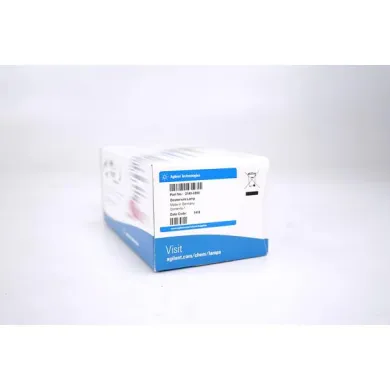
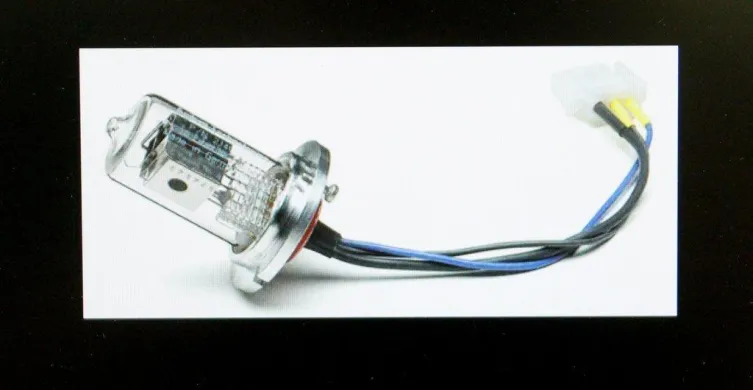
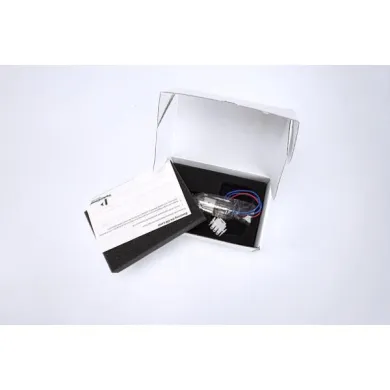
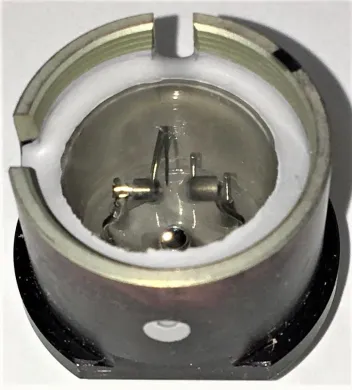
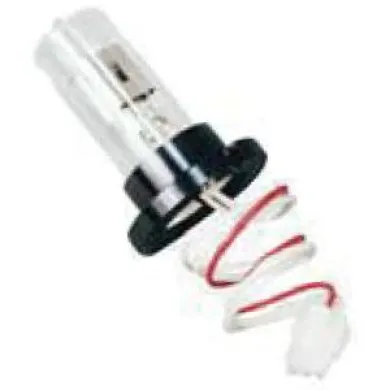
PerkinElmer B0160917 Deuterium Lamp (D2)
- Category
- Lamps
- Brand
- Perkinelmer
- Suppliers
- 1 verified
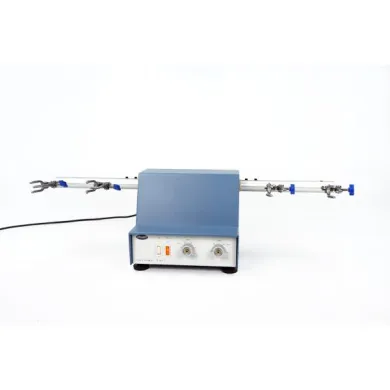
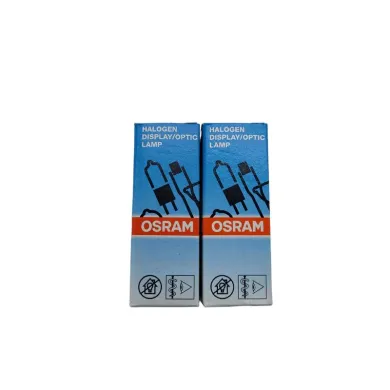
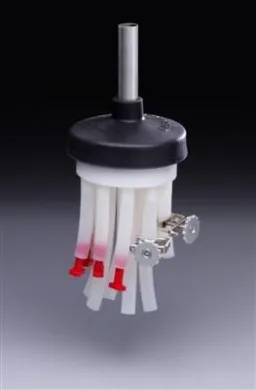
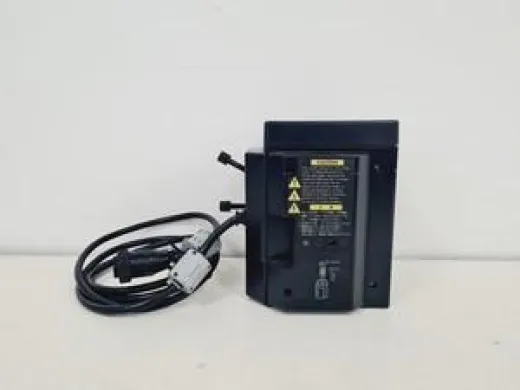
Not the exact instrument you need?
Tell our scientists what you are after. We track it down, including off-market supply.
Showing 1–40 of 194 listings
Show 40 more listingsBuying guide
What a lamp has to match before it fits
The first thing to settle is not the lamp but the instrument it serves, because a laboratory light source is a consumable tied to one piece of equipment. A deuterium lamp outputs a continuum in the ultraviolet that a spectrophotometer reads below roughly 350 nanometres; a tungsten-halogen lamp covers the visible and near-infrared above it. Many instruments run both and switch between them at a crossover wavelength. Buy the wrong spectral output and the instrument will not calibrate, however well the lamp works on its own. So the controlling specification is the emission range the instrument was built around, and after that the fit: base type, socket, reflector geometry and the electrical rating the power supply expects. A lamp is a drop-in part only when all of those agree.
With the spectral match established, condition becomes the question on a used light source, and it behaves differently from condition on most used equipment. Lamps age in service. A deuterium source has a rated life measured in hundreds or low thousands of hours, and its ultraviolet output drops steadily across that life even while it still lights. So the hours already burned matter more than cosmetic state. On a used listing, ask for the recorded operating hours, and for an arc or halogen unit check whether the envelope is clear or clouded, since deposition on the glass attenuates output before the lamp fails outright. A used lamp at low hours is genuinely useful; a used lamp near the end of its rated life is a short-term stopgap, and the price should reflect which one it is. Where a listing carries no hour figure, the individual seller is the place to confirm it, and warranty on Questpair is arranged in consultation for the specific listing.
Price then sorts the category into its two halves. At the low end sit replacement bulbs and simple halogen sources, and a modest budget covers those; what a basic lamp costs here starts at EUR 5. At the high end sit complete arc-lamp housings, laser-driven light sources and specialised ultraviolet systems, which carry the EUR 11.662 figure. The average listing price of EUR 592 sits well below the midpoint, which tells you the catalogue is weighted toward the affordable replacement end rather than the instrument-grade assemblies. The brands that occupy the range are Various, Olympus, Agilent, Nikon, UVP, a mix that spans microscopy illumination and spectroscopy sources. Used and refurbished units listed for sale are priced below equivalent new ones, so where the spectral match and the hours check out, the used half of the catalogue is where the value sits.
Types of Lamps
Which lamp types are listed here?
Among the listings that specify a type, the catalogue splits into a handful of distinct technologies. Halogen lamps are tungsten-filament sources that emit a smooth continuum across the visible and into the near-infrared; they are the standard visible-range source in absorbance spectrophotometry and the common illuminator in brightfield microscopy. Deuterium lamps are gas-discharge sources whose output is a continuum in the ultraviolet, below the point where halogen falls away, which makes the two a matched pair inside a dual-source spectrophotometer. Ultraviolet lamps form a separate group built for direct action rather than measurement: the short and medium wavelengths they emit are what a transilluminator uses to visualise stained nucleic-acid gels and what a cabinet uses for surface decontamination. Alongside these sit general light sources that do not name a technology, and a smaller set of lamps listed as electrophysiology equipment or as a microscope accessory, where the lamp is one part of a larger imaging or recording setup.
The field work these sources do is concentrated in the life sciences. Deuterium and halogen lamps feed the ultraviolet-visible spectroscopy behind protein quantification and nucleic-acid concentration measurement, routine steps in molecular biology and protein purification. Ultraviolet transilluminator lamps are the readout stage of gel electrophoresis, the point where a DNA or RNA band becomes visible, and the same short-wavelength emission does surface sterilisation and sterilization in cell culture and microbiology work. Microscope illumination lamps and the arc sources among them also underpin fluorescence and cell imaging, where a defined excitation wavelength drives the whole technique. Lamps are also used for photostability testing and for curing in sample preparation.
The brands behind the lamp listings
The listings are led by Various, Olympus, Agilent, Nikon, UVP. The prominence of a generic "Various" entry reflects the nature of the category: a large share of lamps are replacement bulbs sold against a part number rather than a brand, which makes them straightforward to cross-reference once you have the instrument's specification. The named optical makers, the microscopy and analytical-instrument houses among them, matter more for traceability: a lamp carried under a recognised brand is easier to match to a documented spectral output and a stated rated life, and spare envelopes for those lines are easier to find. For a buyer that means a branded source is simpler to compare like for like, while a generic replacement is usually the cheaper route to the same bulb.
What a used lamp costs here
Condition is weighted toward the second-hand end, with 73 percent of the listings used. Prices run from EUR 5 to EUR 11.662, a spread that covers everything from a single replacement bulb to a complete illumination assembly, and the average of EUR 592 shows where the bulk of the catalogue sits. Used and refurbished lamps are listed below new prices. Where a listing does not state the operating hours already burned, the seller is the place to confirm them, and a warranty can be arranged in consultation for the specific listing.
Frequently asked questions
What is a lamp in a laboratory context?
A laboratory lamp is a light source that supplies the specific wavelengths an instrument needs to detect, excite or image a sample. The term covers everything from a replacement bulb inside a spectrophotometer to a complete arc-lamp housing for microscopy.
What does "lamp" mean when it covers so many different things?
The word groups together optical sources that share a function but not a technology, from broadband halogen and deuterium continuum sources to narrow-band ultraviolet units for transillumination and sterilisation. Because the technologies differ, a lamp for one instrument will not serve another.
How do laboratory lamps work?
Halogen lamps heat a tungsten filament to emit a smooth continuum across the visible and near-infrared, while deuterium and arc lamps pass current through a gas to produce discharge emission, with deuterium covering the ultraviolet. Ultraviolet lamps work the same discharge way but are built for direct action on a sample rather than measurement.
What types of lamps are listed here?
The catalogue breaks down into halogen lamps, deuterium lamps, ultraviolet lamps, general light sources that name no technology, and a smaller set listed as electrophysiology equipment or microscope accessory. Halogen and deuterium are the matched pair inside dual-source spectrophotometers, while ultraviolet units run transilluminators and decontamination cabinets.
What are laboratory lamps used for?
They feed ultraviolet-visible spectroscopy for protein and nucleic-acid quantification, illuminate brightfield and fluorescence microscopy, and drive the readout stage of gel electrophoresis. Short-wavelength ultraviolet lamps also do surface sterilization and sterilisation in cell culture and microbiology, and some units handle photostability testing and curing.
How do I choose the right lamp?
Start with the instrument, not the lamp: confirm the emission range it was built around, because the wrong spectral output will not calibrate however well the lamp lights. After the spectral match, check the base type, socket, reflector geometry and electrical rating, since a lamp is a drop-in part only when all of those agree.
What is the difference between a refurbished and a used lamp?
Both are second-hand, but the distinction that matters on a lamp is the operating hours already burned rather than the label. A refurbished unit may have had the envelope checked or replaced, so ask the seller for the recorded hours and the envelope condition on either one.
How much does a lamp cost?
Prices run from EUR 5 to EUR 11.662, with the average listing at EUR 592. The low end is replacement bulbs and simple halogen sources; the high end is complete arc-lamp housings, laser-driven sources and specialised ultraviolet systems.
Which brands are listed for lamps?
The listings are led by Various, Olympus, Agilent, Nikon and UVP. The large "Various" share reflects replacement bulbs sold against a part number rather than a brand, which makes them straightforward to cross-reference once you have the instrument's specification.
Can I get a warranty on a refurbished lamp?
A warranty is often possible and is arranged in consultation for the specific listing. Because a lamp's useful life is tied to hours burned, confirm the recorded operating hours with the seller alongside any warranty question.
Can I get replacement parts or spare bulbs?
Parts can be sourced via Questpair. Spare envelopes are generally easier to find for lamps carried under a named optical brand than for generic entries, though a generic replacement is usually the cheaper route to the same bulb.
How long does a lamp last?
A deuterium source has a rated life in the hundreds or low thousands of hours, and its ultraviolet output drops steadily across that life even while it still lights. That is why hours already burned matter more than cosmetic condition when judging a used unit.
Should I buy new or used?
Used and refurbished lamps are listed below new prices, so where the spectral match and the hour figure check out, the used half of the catalogue is where the lower cost sits. A used lamp at low hours is genuinely useful; one near the end of its rated life is a short-term stopgap, and the price should reflect which it is.
Where can I buy a lamp?
The Questpair catalogue holds 268 lamp listings from 16 verified suppliers and distributors across 8 countries. You can compare new and used listings directly within the category.
What are the lead time and shipping like?
Lead time and shipping depend on the individual listing and the supplier holding the stock, so those details sit with the specific listing. For anything the listing does not state, Questpair specialists respond within one hour.
Do lamps need calibration or maintenance?
A lamp itself is a consumable rather than a calibrated instrument, but the instrument it feeds needs recalibration after a lamp change because output drifts over the lamp's life. On an arc or halogen unit, check whether the glass envelope is clear or clouded, since deposition attenuates output before the lamp fails outright.
Which lamp types are listed most, and who reaches for each?
The listings concentrate in halogen lamps, deuterium lamps and ultraviolet lamps, with general light sources alongside them. Spectroscopy and molecular biology labs reach for the halogen and deuterium pair; gel electrophoresis and decontamination work reaches for the ultraviolet units; imaging labs reach for microscope illumination and arc sources.
Which brands dominate the lamp listings, and what does that mean for a buyer?
Various leads because a large share of lamps are replacement bulbs sold against a part number, with Olympus, Agilent, Nikon and UVP among the named makers. For a buyer, a generic entry is usually the cheaper route to the same bulb once you know the part number, while a branded source is easier to match to a documented spectral output and rated life.
What separates the cheapest lamps here from the most expensive?
At the low end sit single replacement bulbs and simple halogen sources starting at EUR 5. At the high end sit complete arc-lamp housings, laser-driven light sources and specialised ultraviolet systems reaching EUR 11.662, where you are buying a full assembly rather than a bulb.