

Laboratory glassware
We personally find you the right used, refurbished and new laboratory glassware instruments & equipment from verified suppliers.
Laboratory glassware is the set of borosilicate and quartz vessels, tubes and condensers used to hold, measure, heat, mix and separate samples at the bench. It covers the items a wet lab relies on daily, from a plain test tube to a jacketed condenser on a distillation train. On the Questpair catalogue 1159 listings sit under this heading from 20 verified suppliers and distributors across 9 countries. New, used and refurbished glassware all appear, and 84 percent of those listings are used. Prices span a wide field, from EUR 1 for a single small piece to EUR 47.349 for a complete system, which is the range any buyer sizing a glassware order first has to place themselves within.
Updated:
Laboratory glassware product list


Not the exact instrument you need?
Tell our scientists what you are after. We track it down, including off-market supply.


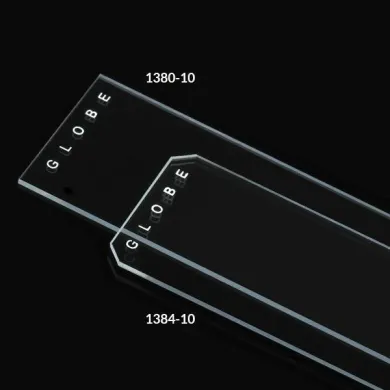
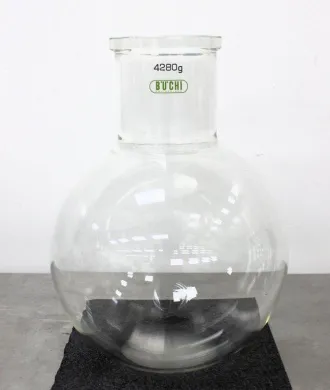
Not the exact instrument you need?
Tell our scientists what you are after. We track it down, including off-market supply.
Showing 1–40 of 895 listings
Show 40 more listingsBuying guide
What decides a glassware purchase?
The glass itself is where a glassware purchase settles, before brand or price enter the picture. Most laboratory glassware is borosilicate, which tolerates thermal shock and resists most reagents, and that is what a buyer wants for anything heated or held over a flame. Quartz is the exception, bought for UV transmission in optical work and priced well above borosilicate, so a cuvette specified for a spectrophotometer is a different purchase from one meant only to hold a solution. Wall thickness, joint sizes and graduation class follow from the glass choice: a ground-glass joint has to match the rest of a train, and a Class A volumetric piece carries a tighter tolerance than Class B. Fix the glass grade and the joint standard first, and the rest of the specification narrows quickly.
A used piece needs checking that a new one does not. Borosilicate does not wear, but it chips, scratches and cracks, and a hairline flaw at a ground joint or a flask base is where a vessel fails under heat or vacuum. Look for star cracks around joints, etching from repeated strong-base exposure, and ground surfaces that no longer seat cleanly. Graduations that have faded or been partly cleaned off turn a measuring vessel into a plain container. On condensers and distillation glassware, confirm the joint sizes and that no internal coil is cracked, because a replacement coil is rarely economic. None of this appears on a datasheet, so condition on this class of equipment is read from photographs and from the seller's description, and it is worth asking before committing.
Price on the Questpair catalogue runs from EUR 1 to EUR 47.349. That spread covers a single test tube at one end and a complete distillation or washing system at the other, with the average listing nearer EUR 806. What a given piece costs depends far more on what it is than on who made it: a plain beaker is inexpensive whatever the label, while a quartz optical component or a jacketed condenser carries a real cost. For a buyer working to a budget, used glassware listed for sale sits below new, which is where most of this catalogue falls. The brands that appear, Various, Corning PYREX, Globe Scientific, Corning, Nalgene, affect availability more than price for the common items; a named borosilicate line is easier to match and replace later than an unbranded piece, which matters when a set has to stay consistent across a bench.
Types of Laboratory glassware
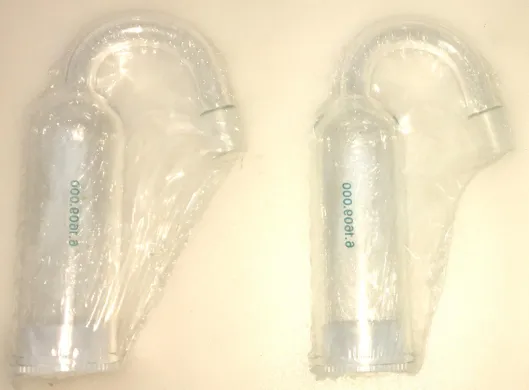
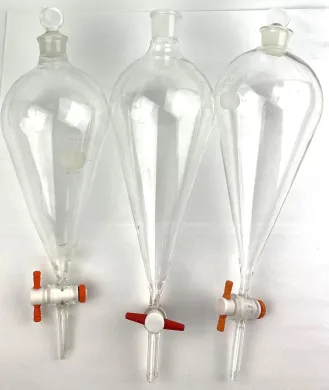
Distillation glassware
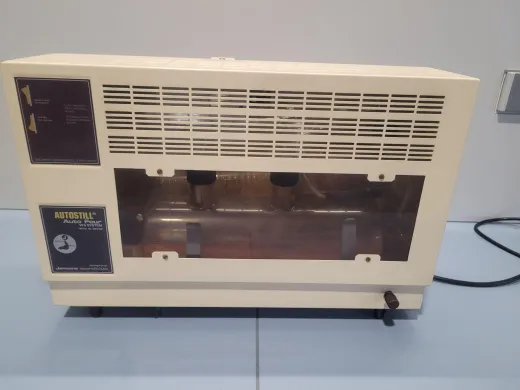
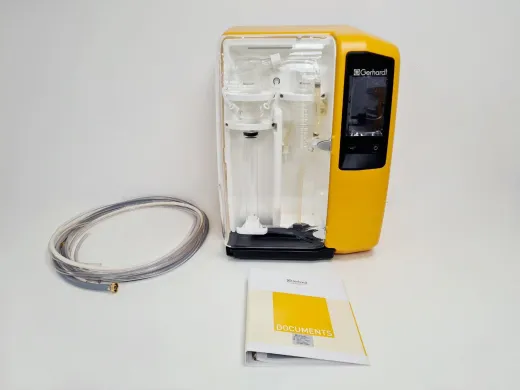
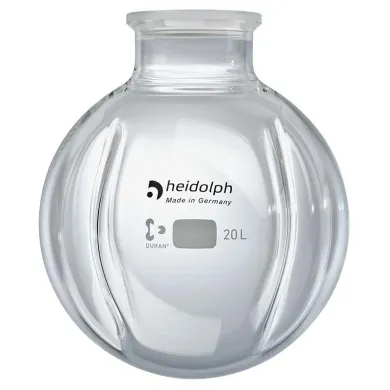
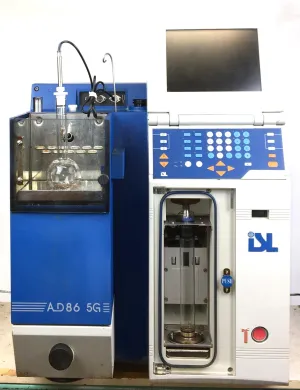
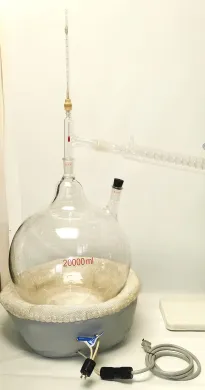
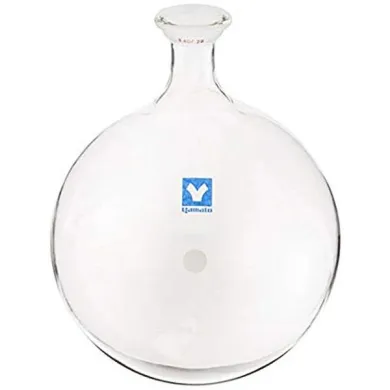
Distillation glassware is the assembled train that separates liquids by boiling point: round-bottom flasks, still heads, adapters and receiving flasks joined by ground-glass fittings. It is the largest group among the listings that specify a type, which fits its role, since a single separation uses several matched pieces at once. The defining feature is the joint standard, because every component has to mate with the next, and a buyer replacing one part works to the sizes already on the bench. In life sciences this glassware handles solvent recovery and purification in molecular biology and natural-product chemistry, concentrating extracts and reclaiming solvent after protein purification steps. It is also used for essential-oil and sample preparation work where a clean fraction matters more than throughput.
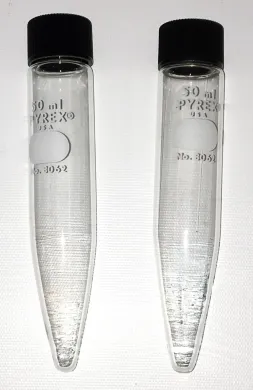
Test tubes
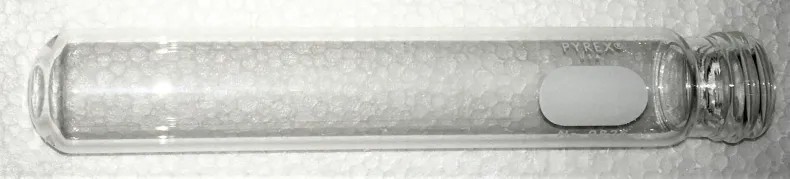
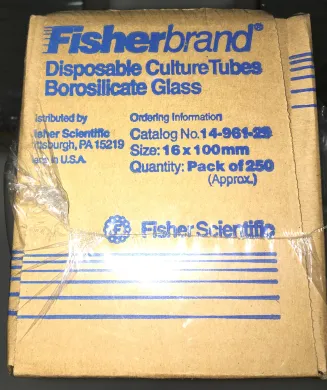
Test tubes are the plain cylindrical vessels, open or screw-capped, used to hold, mix and heat small volumes. They separate by glass grade, wall thickness and whether the rim is plain or threaded for a cap, and a culture tube with a screw cap is a different purchase from a disposable reaction tube. Most are borosilicate for heating, though soda-lime versions exist for undemanding storage. In microbiology they carry broth cultures and slants, and in molecular biology they hold reactions and dilutions ahead of analysis. They are also used across immunoassay and general sample handling wherever a small, heatable container is enough.
Cuvettes
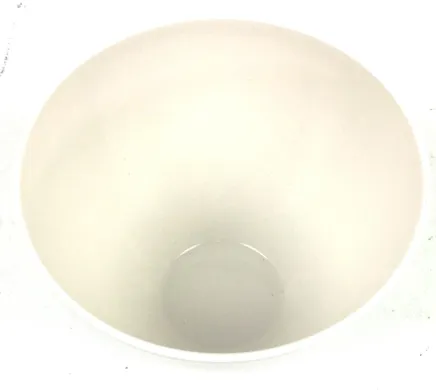
Cuvettes are the small optical cells that hold a sample in the light path of a spectrophotometer or fluorimeter. What separates them is the material and the window: borosilicate and optical glass serve the visible range, while quartz cuvettes transmit into the ultraviolet and are the ones a buyer needs for UV work. Path length and whether two or all four faces are polished matter for the measurement, so a four-window fluorescence cell is not interchangeable with a two-window absorbance one. In life sciences cuvettes carry nucleic-acid and protein quantification in genomics and proteomics, reading concentration and purity, and they also serve enzyme kinetics and any immunoassay read on an optical instrument.
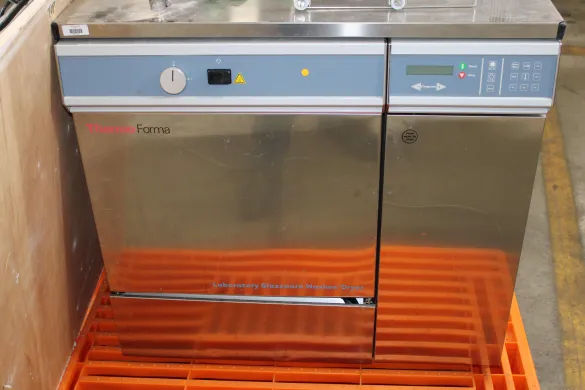
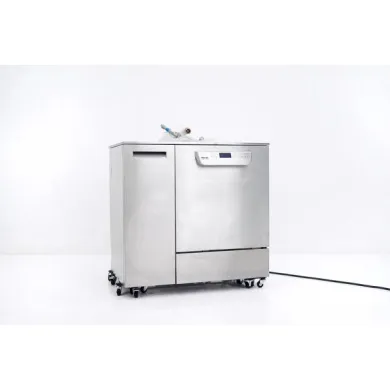
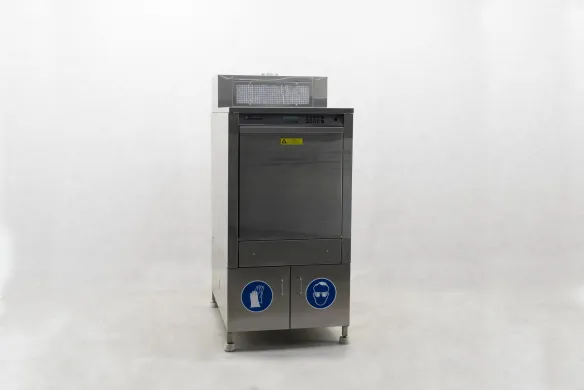
Glass washers
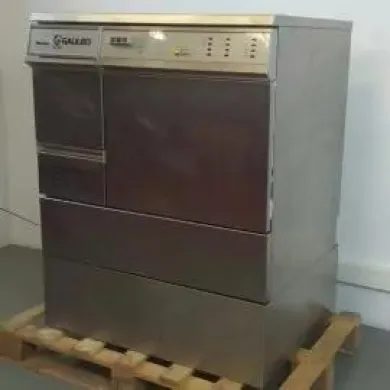
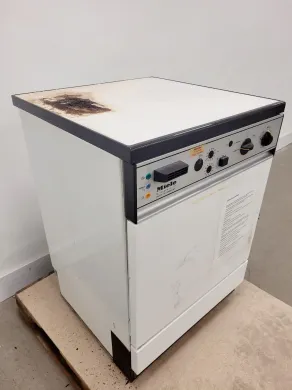
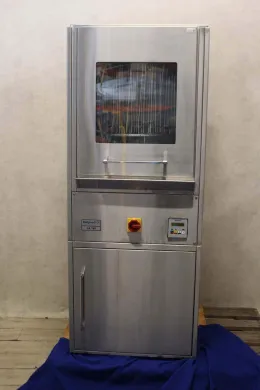
Glass washers are the benchtop or undercounter machines, with their glass-handling racks and fittings, that clean laboratory glassware between uses. They differ by capacity, by whether they add a pure-water final rinse, and by the rack configuration that holds narrow-necked vessels mouth-down over spray jets. The distinction that matters to a buyer is throughput against bench space, since a high-volume unit frees hands in a busy lab but takes the room a small one does not. In a life-sciences setting a validated wash and rinse protects cell culture and molecular biology work from detergent and ion carryover, which is why reproducible washing supports any assay sensitive to contamination.
Bottles
Bottles are the capped storage and reagent vessels, from media bottles with graduations to amber bottles that shield light-sensitive contents. They separate by neck and thread standard, by clear against amber glass, and by whether the cap seals for storage or pours for dispensing, so a GL45 media bottle is a different item from a narrow-mouth reagent bottle. Borosilicate suits autoclaving and heated media. In life sciences graduated media bottles hold and sterilise buffers and growth media for cell culture and microbiology, and amber bottles store the light-sensitive reagents used in many molecular biology and electrophoresis protocols.
Condensers
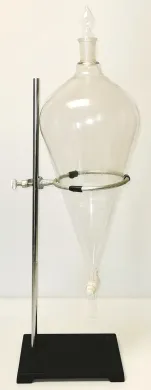
Condensers are the water-jacketed or air-cooled tubes that return vapour to liquid, the cooling stage of a distillation or reflux setup. They differ by internal geometry: a straight Liebig for simple distillation, a coil or Graham for more cooling surface, an Allihn for reflux. Joint sizes and jacket connections are what a buyer matches, because a condenser has to fit the train it joins. In natural-product and synthetic chemistry supporting life sciences they handle reflux and solvent recovery, holding a reaction at boiling under return or reclaiming solvent after an extraction. They are also used in any sample preparation that concentrates a volume without losing the volatile fraction.
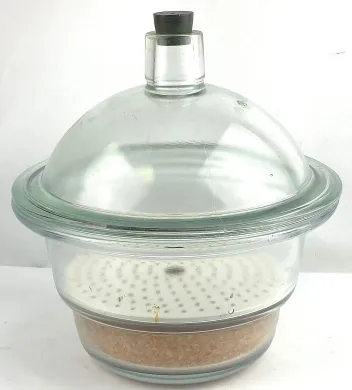
Glass dryers
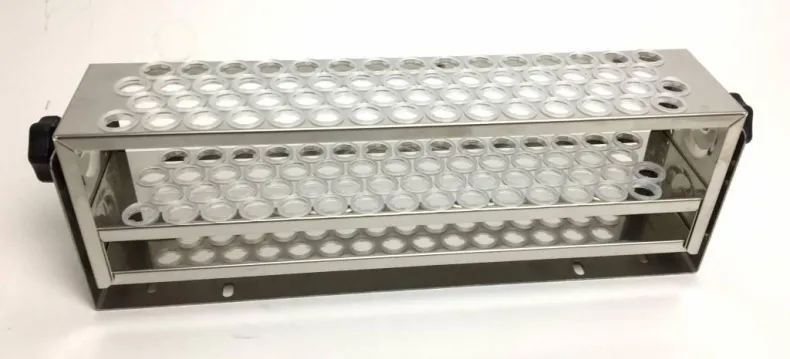
Glass dryers are the racks, pegs and heated cabinets that dry washed glassware before it goes back into use. They separate into passive draining racks, forced-air dryers and heated drying ovens, and the choice turns on how fast a lab needs vessels back and how much moisture a protocol can tolerate. A peg rack costs little and dries slowly; a heated cabinet clears a full wash load quickly. In life sciences thorough drying matters where residual water would dilute a reagent or carry contamination, so dependable drying supports cell culture and molecular biology work, and it is also used wherever glassware re-enters a solvent-based sample preparation step.
Quartz glassware
Quartz glassware is fused-silica apparatus, made where ordinary borosilicate will not do: it transmits ultraviolet light and withstands far higher temperatures. It is the smallest group here and the most specialised, bought as cuvettes, tubes or custom cells for optical and high-temperature work rather than for general bench use, which is why it carries a price above the rest of the catalogue. The distinction from borosilicate is the material, not the shape. In life sciences quartz cells read UV absorbance in genomics and proteomics, where DNA, RNA and protein are quantified at wavelengths borosilicate blocks, and quartz vessels also serve the demanding optical steps in some cell imaging and molecular diagnostics setups.
Frequently asked questions
What is laboratory glassware?
Laboratory glassware is the set of borosilicate and quartz vessels, tubes and condensers used to hold, measure, heat, mix and separate samples at the bench. It ranges from a plain test tube to a jacketed condenser on a distillation train.
What does laboratory glassware mean?
The term covers the glass apparatus a wet lab uses daily to contain and manipulate liquids and reactions. It is defined by the glass grade, with borosilicate for most heated work and quartz for ultraviolet and high-temperature applications.
How does laboratory glassware work?
Each piece is shaped for a function: flasks hold and heat, condensers cool vapour back to liquid, cuvettes carry a sample through a light path, and volumetric vessels measure a fixed volume to a stated tolerance. Ground-glass joints let separate pieces mate into a train, such as a distillation setup.
What types of laboratory glassware are there?
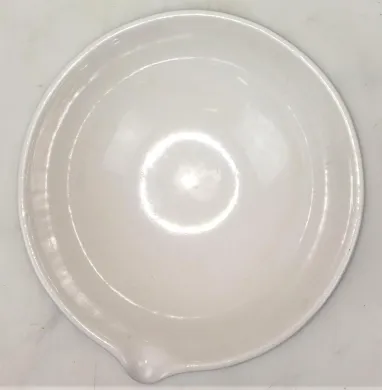
The listings here include distillation glassware, test tubes, cuvettes, glass washers, bottles, condensers, glass dryers and quartz glassware. Among listings that specify a type you will also see borosilicate glass flasks, evaporating flasks, volumetric flasks and borosilicate glassware.
What is laboratory glassware used for?
It holds, measures, heats, mixes and separates samples across cell culture, microbiology, molecular biology, genomics and proteomics. Specific uses include solvent recovery in distillation, culture storage in test tubes, UV absorbance reads in quartz cuvettes, and buffer sterilisation in media bottles.
How do I choose laboratory glassware?
Fix the glass grade first, borosilicate for heated or reagent work and quartz for UV optics, then match the joint standard and graduation class. A ground-glass joint has to mate with the rest of a train, and a Class A volumetric piece carries a tighter tolerance than Class B.
What is the difference between refurbished and used glassware?
Used glassware is sold in the condition it comes in, while refurbished has been cleaned and checked before listing. For glass the distinction matters less than for instruments, since what counts is the absence of chips, star cracks and etching, which you read from the photographs and the seller's description.
How much does laboratory glassware cost?
Prices on the Questpair catalogue range from EUR 1 to EUR 47.349, with the average listing nearer EUR 806. Cost depends far more on what the piece is than who made it: a plain beaker is inexpensive, while a quartz optical cell or a jacketed condenser carries a real cost.
What are the best brands for laboratory glassware?
The brands appearing in these listings include Corning PYREX, Globe Scientific, Corning and Nalgene, alongside items listed as Various. A named borosilicate line is easier to match and replace later than an unbranded piece, which matters when a set has to stay consistent across a bench.
Is there a warranty on refurbished glassware?
A warranty is often possible and is arranged in consultation for the specific listing. Check the individual listing for what it states on condition and terms.
Can I get parts for laboratory glassware?
Parts can be sourced via Questpair. For distillation glassware in particular, a replacement part works to the joint sizes already on your bench, and a cracked internal condenser coil is rarely economic to replace.
How long does laboratory glassware last?
Borosilicate does not wear, so glassware lasts indefinitely if it is not chipped, scratched or cracked. The practical limit is physical damage: a hairline flaw at a ground joint or a flask base is where a vessel fails under heat or vacuum.
New or used glassware, which should I buy?
Used and refurbished glassware is listed at lower prices than new, and used listings make up 84 percent of this category. Used is sound for most common pieces when the photographs show no chips or cracks, while a piece with worn-off graduations has become a plain container.
Where can I buy laboratory glassware?
The Questpair catalogue lists 1159 listings under this heading from 20 verified suppliers and distributors across 9 countries. New, used and refurbished glassware all appear.
What are the lead time and shipping like?
Lead time and shipping depend on the individual supplier and the item, so check the specific listing. For questions on a listing you can contact Questpair, where specialists respond within one hour.
How is laboratory glassware calibrated and maintained?
Volumetric glassware carries a calibration class, Class A or Class B, printed on the vessel; its tolerance holds as long as the graduations are intact. Maintenance is cleaning and drying between uses, where a validated wash and rinse protects contamination-sensitive assays from detergent and ion carryover.
Which types are listed most, and who reaches for which?
Distillation glassware is the largest group among listings that specify a type, which fits its role, since a single separation uses several matched pieces at once. Chemists running solvent recovery and purification reach for it, while microbiologists reach for test tubes and bottles, and genomics and proteomics labs reach for quartz cuvettes for UV reads.
Which brands dominate this category, and what does that mean for a buyer?
Many listings are grouped as Various, with named lines including Corning PYREX, Globe Scientific, Corning and Nalgene. For common items the brand affects availability more than price, so a named borosilicate line is easier to match across a set than an unbranded piece.
What separates the bottom of the price band from the top?
The bottom is a single small piece such as a plain test tube or beaker, inexpensive whatever the label. The top is a complete distillation or washing system, or a specialised quartz optical component that transmits ultraviolet and sits above borosilicate in price.