

Slide stainers
We personally find you the right used, refurbished and new slide stainers instruments & equipment from verified suppliers.
Slide stainers are laboratory instruments that apply stains and reagents to microscope slides in a controlled sequence, so that tissue sections, cytology smears or blood films develop the contrast a pathologist needs to read them. The instrument moves slides through a series of reagent baths or dispenses reagents onto each slide, following a programmed protocol that fixes timing and volume the same way on every run. On Questpair, new, used and refurbished laboratory slide stainers are listed together: of the current listings, 99 percent are used. Prices run from EUR 16 to EUR 172.178, a spread that separates a benchtop slide warmer from a fully automated histology line.
Updated:
Slide stainers product list
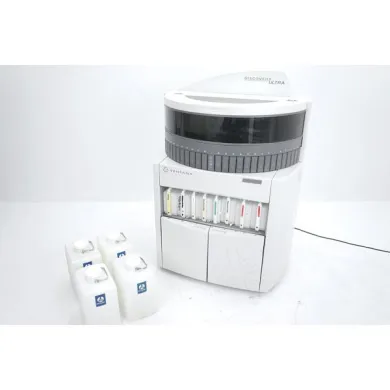
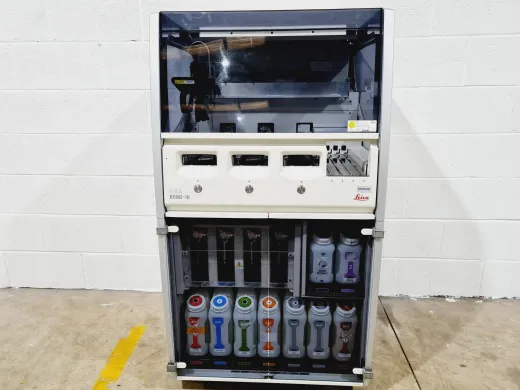
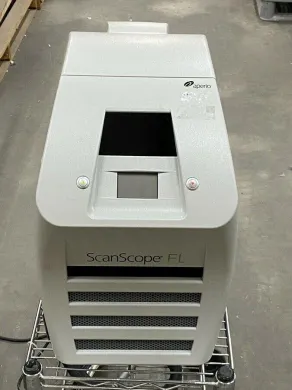
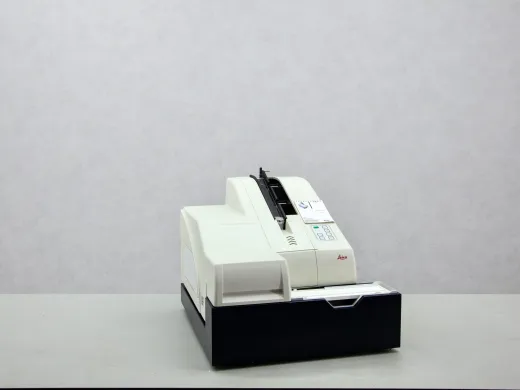


Not the exact instrument you need?
Tell our scientists what you are after. We track it down, including off-market supply.
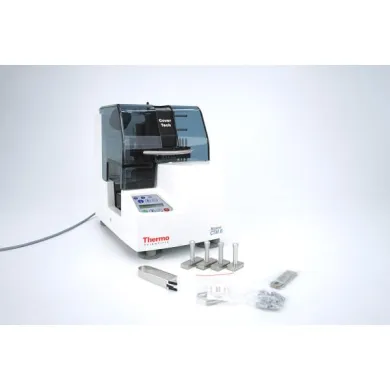
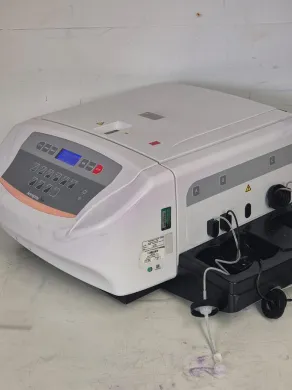
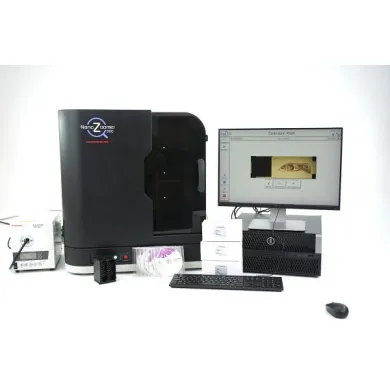
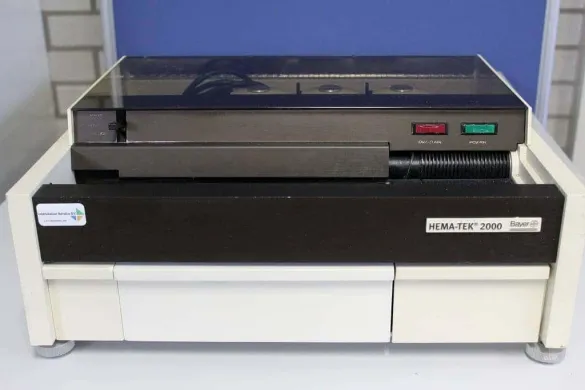
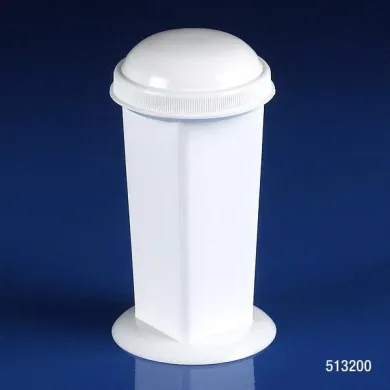
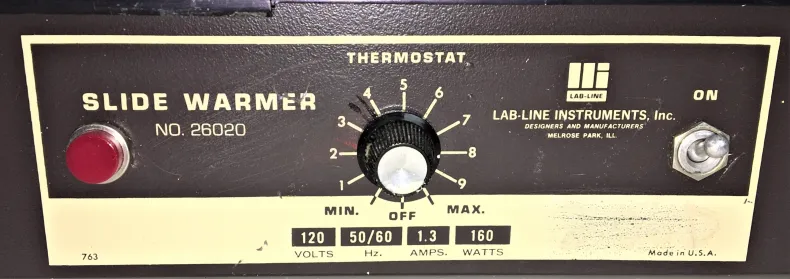

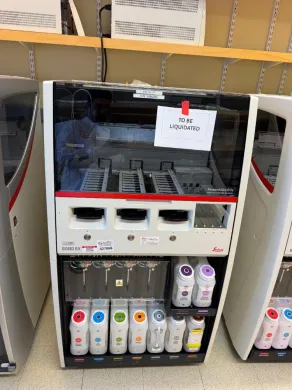
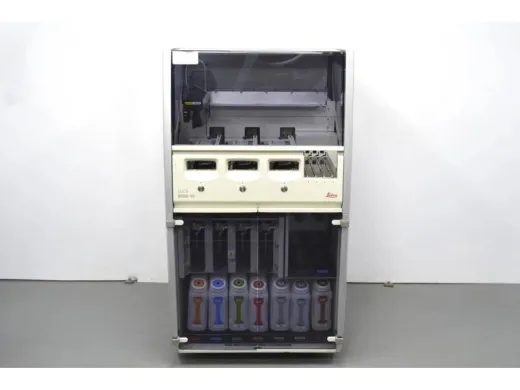
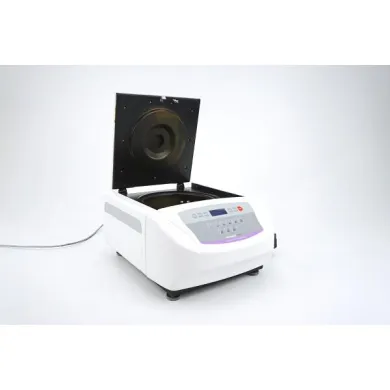
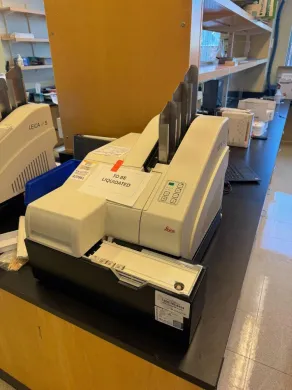
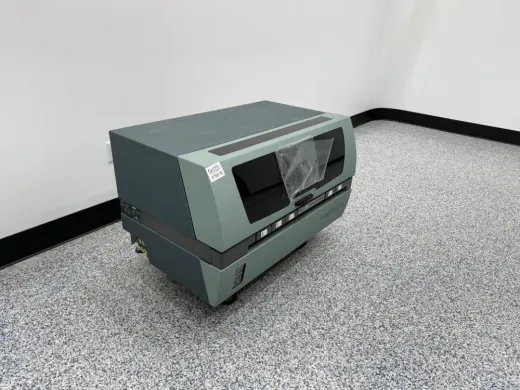
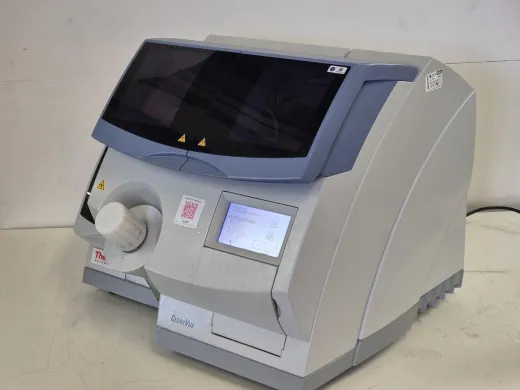
Not the exact instrument you need?
Tell our scientists what you are after. We track it down, including off-market supply.
Showing 1–40 of 62 listings
Show 22 more listingsBuying guide
The throughput a laboratory needs settles most of this purchase before any other specification matters. A pathology service turning out hundreds of haematoxylin and eosin slides a day works from a different instrument than a research bench running an occasional special stain, and the two do not substitute for each other. Ask how many slides pass through in a shift, whether the protocols are fixed or change often, and whether staining has to run unattended overnight. A high-capacity automated stainer earns its cost only where the volume is there to feed it; below that volume a smaller linear or dip stainer does the same chemistry without the reagent management overhead.
Reagent handling is the second thing to pin down, because it governs the running cost rather than the purchase price. Some systems draw from bulk reagent containers and manage levels automatically; others expect the operator to prepare and load baths by hand. Open reagent systems accept any stain the laboratory mixes, while closed systems tie the instrument to a supplier's cartridges, which simplifies the workflow and constrains what you can run. Match the reagent model to the range of stains the laboratory actually performs, not to the broadest catalogue the datasheet advertises.
On a used slide stainer, the condition questions sit with the fluid path and the mechanics, not the housing. Pumps, valves and tubing carry reagent and buffer under repeated cycling, and a unit that has stained for years has worked those parts hard. Ask whether the instrument has been run recently, whether the reagent lines have been flushed and serviced, and whether the heating elements on any integrated slide warmer still hold temperature. Confirm that control software and any required protocols transfer with the machine, since a stainer separated from its programming is far harder to return to service.
Price spans the whole breadth of the field. A used slide stainer costs a fraction of a new automated system, and the figures here reflect that: the range opens near EUR 16 for a simple warmer and reaches EUR 172.178 for a complete processing line. The average listing sits around EUR 9.822. Refurbished units listed for sale are more affordable than new, which is what makes the second-hand route sensible for a laboratory on a fixed budget or one standing up a new bench. The brands occupying the listings, Leica, Abbott Molecular, Leica Biosystems, Thermo Scientific, Globe Scientific, set much of where a given unit falls in that band, and a known brand name usually makes a model easier to compare against its peers.
Types of Slide stainers
Which slide stainer types are listed?
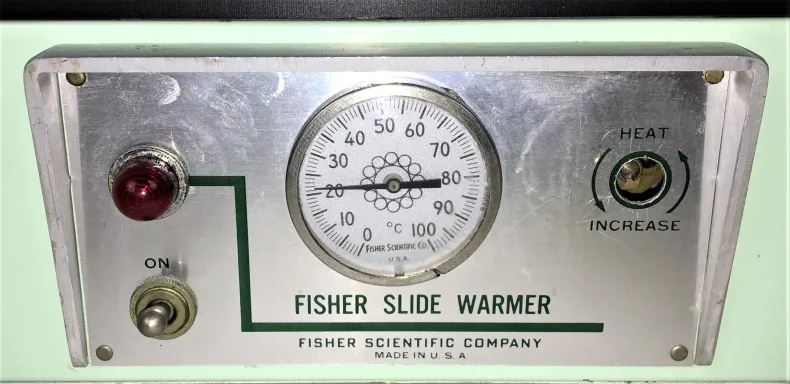
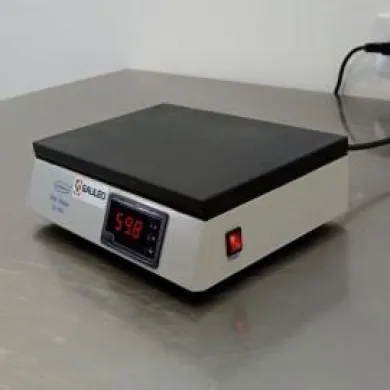
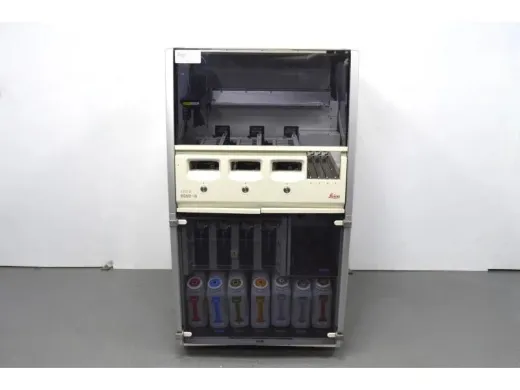
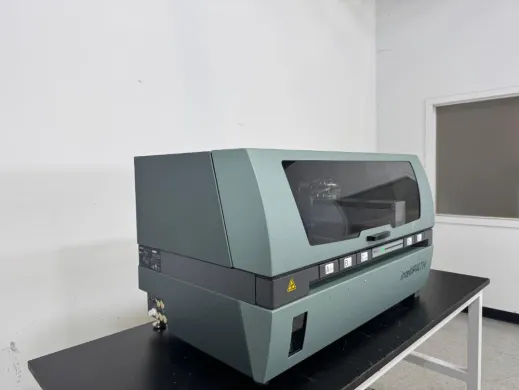
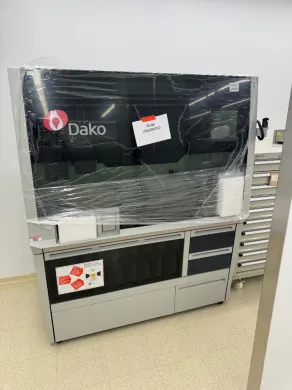
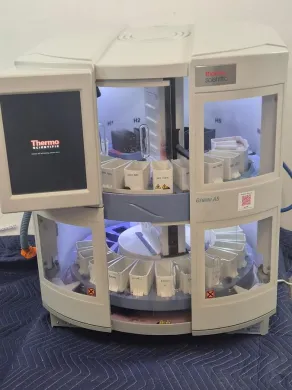
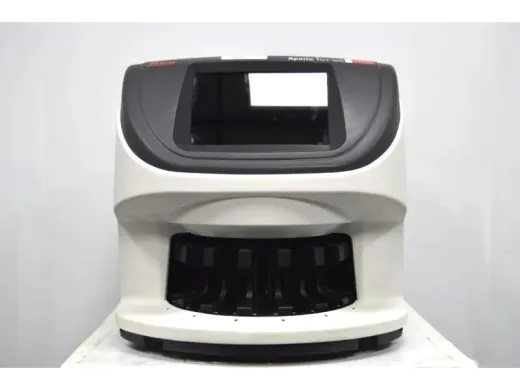
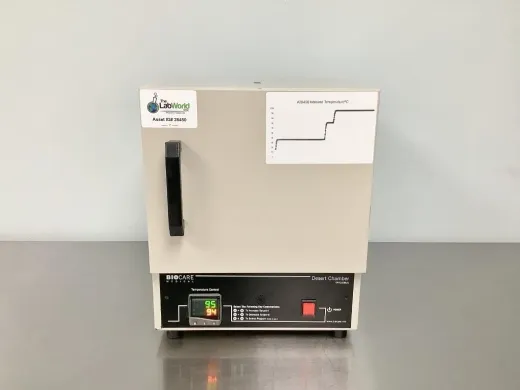
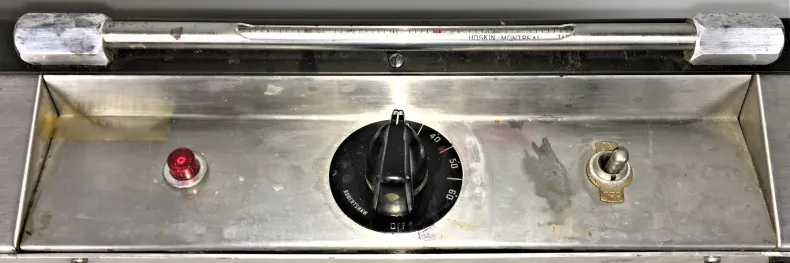
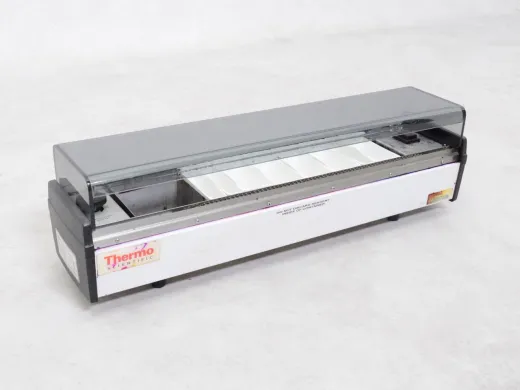
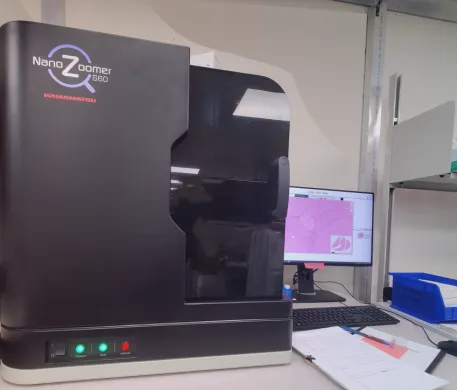
Among the listings that specify a type, the catalogue runs from automated slide stainer, slide processing system, molecular diagnostics equipment, histology equipment, histology slide stainer, slide warmer. An automated slide stainer carries slides through a programmed reagent sequence without operator intervention between steps, and is what a routine histology or cytology service reaches for when volume is high. A slide processing system bundles that staining stage with adjacent steps, so a single instrument moves a slide further along the workflow. Molecular diagnostics equipment in this group applies stains and reagents tied to assays that detect nucleic acids or specific antigens, work that sits close to immunoassay and molecular diagnostics in a clinical laboratory. A histology slide stainer is built around the staining chemistry that histology depends on, the haematoxylin and eosin and the special stains that make tissue architecture visible under the microscope. A slide warmer, the simplest type here, holds slides at a set temperature to fix sections before or after staining.
The work these instruments do places them squarely in histology and in cell imaging, the fields where stained slides are read. A histology slide stainer prepares the sections a pathologist examines in tissue diagnosis, and the same instruments support research in proteomics and microbiology where staining reveals structures that are otherwise colourless. Molecular diagnostics stainers reach further, into the immunohistochemistry and in situ work that bridges histology and molecular biology. Across all of them the staining step is also used for teaching and for quality control, wherever a reproducible stained slide is the end product.
The brands behind the slide stainer listings
The brands present here are Leica, Abbott Molecular, Leica Biosystems, Thermo Scientific, Globe Scientific. For a buyer, a concentration of recognised names has practical effects beyond reputation. Parts for a widely sold model are easier to source, protocols and consumables are documented, and one unit can be compared against another of the same family on specification rather than guesswork. Leica and Leica Biosystems appear often enough that their automated stainers set a reference point for the rest of the field. Where a listing carries a less familiar name, the questions in the buying guide, reagent model, fluid-path condition, software, matter more, because there is less shared knowledge to fall back on.
What a used slide stainer costs here
The condition split is heavily weighted: 99 percent of the listings are used. Prices run from EUR 16 to EUR 172.178, with the average near EUR 9.822. That spread is wide because the category holds everything from a bare slide warmer to a full automated staining line, and the two sit at opposite ends of the range. Parts for these instruments can be sourced via Questpair, and where a warranty matters it is arranged in consultation for the specific listing.
Frequently asked questions
What is a slide stainer?
A slide stainer is a laboratory instrument that applies stains and reagents to microscope slides in a controlled sequence, so tissue sections, cytology smears or blood films develop the contrast needed to read them under a microscope. It either moves slides through a series of reagent baths or dispenses reagents directly onto each slide following a programmed protocol.
What does slide stainer mean?
The term refers to any instrument that performs the staining step of slide preparation automatically or semi-automatically, rather than by hand at the bench. It covers everything from a simple slide warmer that holds sections at temperature to a fully automated staining line that handles many slides without operator intervention.
How do slide stainers work?
The instrument follows a stored protocol that fixes the timing, order and volume of each reagent step, then either immerses slides in a sequence of reagent baths or dispenses reagents onto individual slides. Because the protocol runs the same way on every cycle, the staining is reproducible across runs and between operators.
What types of slide stainers are there?
The listings here run from automated slide stainers and slide processing systems to molecular diagnostics equipment, histology equipment, histology slide stainers and slide warmers. An automated stainer carries slides through a reagent sequence without intervention, a processing system bundles staining with adjacent workflow steps, and a slide warmer simply holds slides at a set temperature.
What are slide stainers used for?
They prepare stained slides for histology and cell imaging, where a pathologist reads tissue sections for diagnosis, and they support research in proteomics and microbiology where staining reveals otherwise colourless structures. Molecular diagnostics stainers also serve immunohistochemistry and in situ work, and the staining step is used for teaching and quality control wherever a reproducible stained slide is the goal.
How do I choose a slide stainer?
Start with throughput: count how many slides pass through in a shift and whether protocols are fixed or change often, since a high-capacity automated stainer only earns its cost where volume feeds it. Then pin down reagent handling and the range of stains you actually run, because that governs running cost and whether an open or closed reagent model suits you.
What is the difference between refurbished and used slide stainers?
A used unit is sold in its existing condition as it came off a bench, while a refurbished unit has been checked and brought back toward working order before listing. For either, confirm the fluid path has been flushed and serviced, the instrument has run recently, and the control software and protocols transfer with the machine.
How much does a slide stainer cost?
Prices in the current listings range from EUR 16 to EUR 172.178, with the average near EUR 9.822. The spread is wide because the category holds everything from a bare slide warmer to a complete automated staining line, and those sit at opposite ends of the band.
Which brands make slide stainers?
The brands in these listings include Leica, Abbott Molecular, Leica Biosystems, Thermo Scientific and Globe Scientific. Leica and Leica Biosystems appear often enough that their automated stainers set a reference point against which other models can be compared on specification.
Can I get a warranty on a refurbished slide stainer?
A warranty is often possible and is arranged in consultation for the specific listing. Terms depend on the individual unit rather than being set centrally, so check what the listing covers before purchase.
Are parts available for slide stainers?
Parts for these instruments can be sourced via Questpair. Pumps, valves and tubing in the fluid path are the components that wear with repeated cycling, so parts availability matters most for older automated units.
How long does a slide stainer last?
Lifespan depends heavily on how hard the fluid path has been worked, since pumps, valves and tubing carry reagent and buffer under repeated cycling. A unit that has stained for years has worked those parts hard, so ask whether the reagent lines have been flushed and serviced and whether any integrated heating elements still hold temperature.
Should I buy a new or refurbished slide stainer?
Used and refurbished units are listed at lower prices than new, which is what makes the second-hand route sensible for a laboratory on a fixed budget or one standing up a new bench. Where you have to weigh the two, compare the specific listing and note that warranty is arranged in consultation for that unit.
Where can I buy a slide stainer?
They are listed on Questpair from verified suppliers and distributors, with new, used and refurbished units shown together. Of the current listings, 99 percent are used.
What are the lead time and shipping on a slide stainer?
Lead time and shipping depend on the individual listing and the supplier holding the unit. For a specific timeline you can contact Questpair, where specialists respond within one hour.
What calibration and maintenance does a slide stainer need?
Maintenance centres on the fluid path: flushing and servicing reagent lines, checking pumps and valves, and confirming any integrated slide warmer still holds temperature. Note that Questpair lists equipment and parts but does not carry out repair or servicing itself.
Which slide stainer types are listed most, and who reaches for each?
Automated slide stainers and slide processing systems dominate the typed listings, and a routine histology or cytology service with high volume reaches for these. A histology slide stainer suits a lab built around haematoxylin, eosin and special stains, molecular diagnostics equipment serves immunohistochemistry and in situ work, and a slide warmer suits a bench that only needs to fix sections at temperature.
Which brands dominate the listings, and what does that mean for a buyer?
Leica and Leica Biosystems appear frequently alongside Abbott Molecular, Thermo Scientific and Globe Scientific. A concentration of recognised names means parts are easier to source, protocols and consumables are documented, and one unit can be compared against another in the same family on specification rather than guesswork.
What separates the cheapest slide stainers from the most expensive?
The bottom of the band is a benchtop slide warmer that only holds slides at temperature, while the top is a fully automated histology or processing line that carries many slides through a full reagent sequence unattended. Throughput, reagent management and integration with adjacent workflow steps are what move a unit from one end of the EUR 16 to EUR 172.178 range to the other.