

Medical pumps
We personally find you the right used, refurbished and new medical pumps instruments & equipment from verified suppliers.
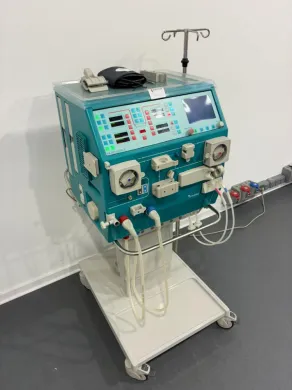
Medical pumps are devices that move fluid, from blood to drug solutions, through a controlled circuit at a set rate for patient treatment or laboratory work that mimics it. The class spans hemodialysis machines that drive blood across a dialyser, syringe pumps that deliver microlitre volumes of a drug over hours, and the peristaltic units that feed sterile tubing welders and perfusion rigs. On Questpair, new, used and refurbished units are listed across this category, drawn from 15 verified suppliers in 8 countries. Among the current listings, 95 percent are used. Prices range from EUR 1 to EUR 17.493, a spread wide enough to hold both a bare syringe-pump head and a complete dialysis workstation.
Updated:
Medical pumps product list
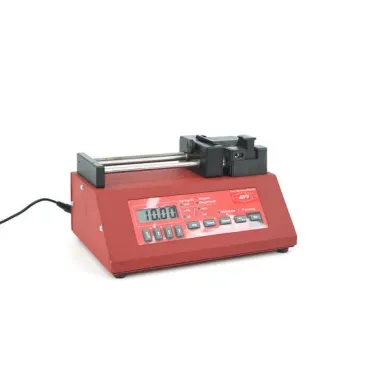
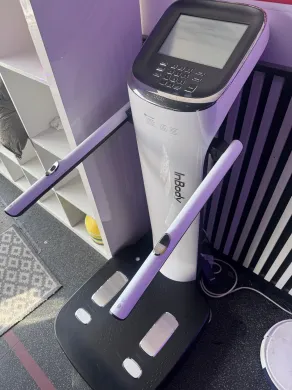
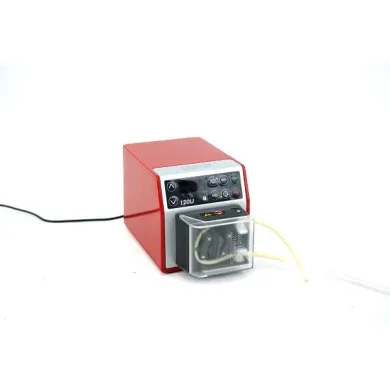
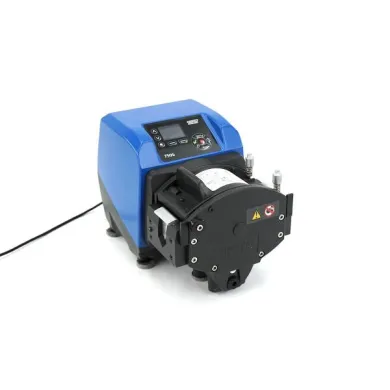


Not the exact instrument you need?
Tell our scientists what you are after. We track it down, including off-market supply.
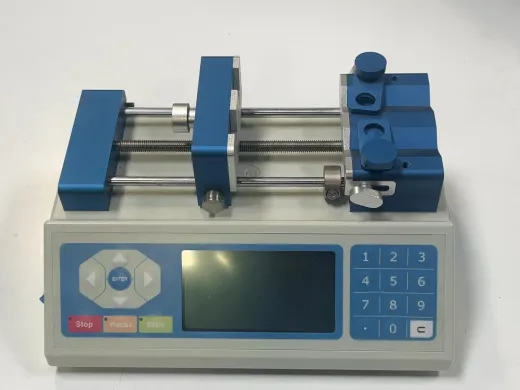
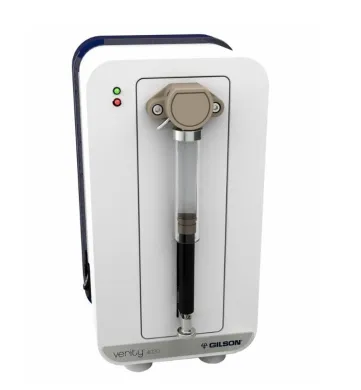
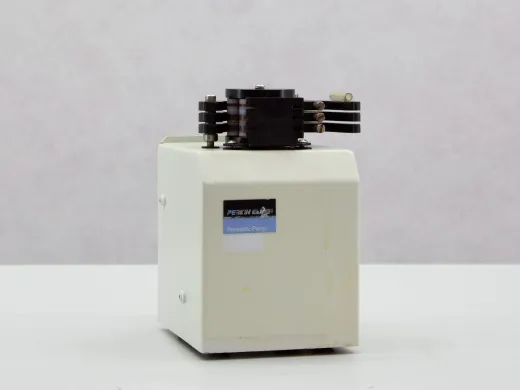
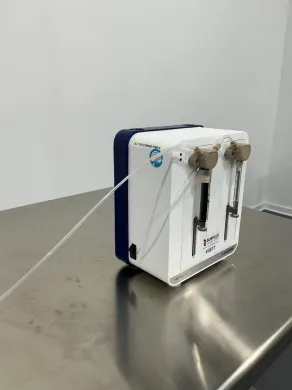
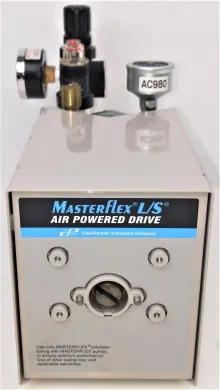
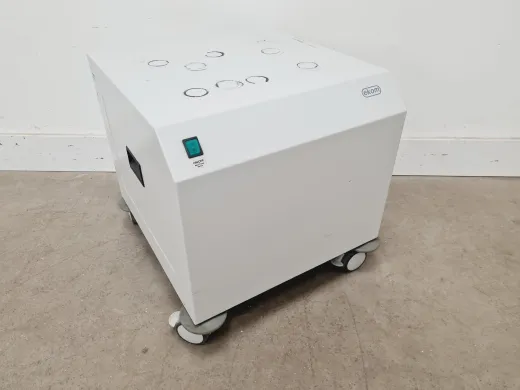
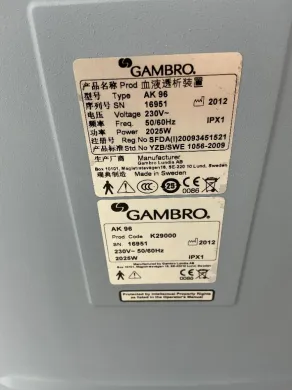
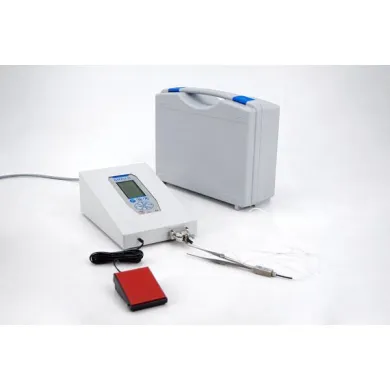
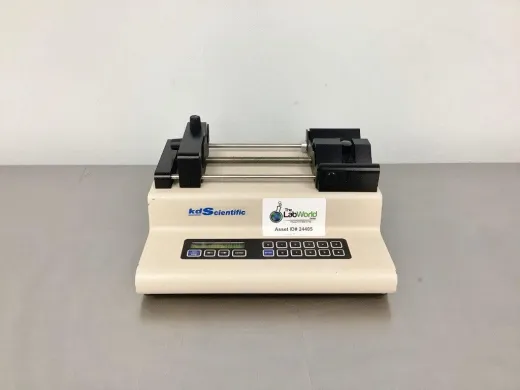
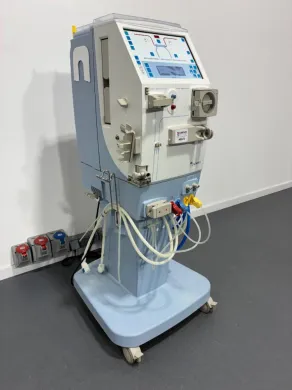
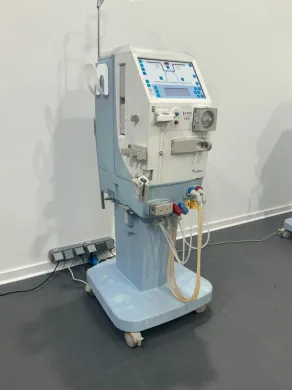
Not the exact instrument you need?
Tell our scientists what you are after. We track it down, including off-market supply.
Showing 1–40 of 271 listings
Show 40 more listingsBuying guide
For most of what sits in this category, flow accuracy settles the purchase before anything else does. A syringe pump dosing a vasoactive drug has to hold its set rate within a percent or two across the whole run, because the error translates directly into dose, and a hemodialysis machine has to balance ultrafiltration against blood flow with the same precision or it pulls too much fluid from the patient. So the first question is the rate range you actually work in and the tolerance the unit holds across it. A pump rated for 1 to 1,200 millilitres an hour is a different instrument from one built for 0.1 to 10, even though both are peristaltic, and a datasheet that quotes accuracy only at full scale tells you little about behaviour at the low end where most infusion happens.
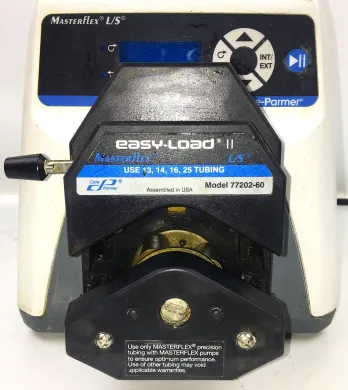
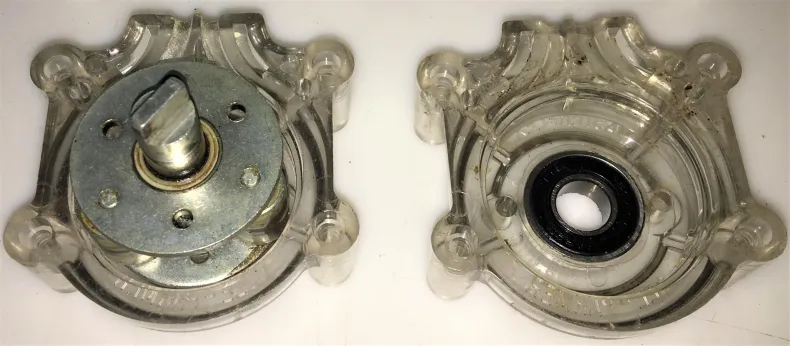
What to verify on a used unit follows from how these machines wear. A peristaltic pump works by occluding tubing against a rotor, and the rotor bearings and the occlusion pressure drift over thousands of hours; ask for the running hours and whether the pump has been recalibrated against a reference flow meter. On a hemodialysis machine the conductivity and temperature sensors, the balancing chamber and the blood-leak detector are the parts that decide whether the unit is still safe, and these need a service record, not a visual check. Battery condition matters on any pump meant to run during transport. The right phrase to use with a seller is what the last calibration measured and when, rather than whether the unit powers on.
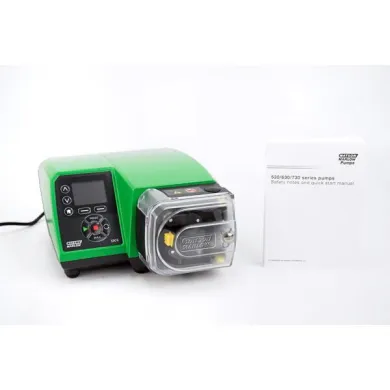
Price sits across a wide band here, and the band tracks complexity. A single-channel syringe pump costs a fraction of what a multi-station dialysis platform does, and that is why the catalogue average of EUR 1.638 says less than the range from EUR 1 to EUR 17.493. A buyer working to a fixed budget will find the syringe and small peristaltic pumps at the affordable end, while renal replacement systems occupy the top. The brands that dominate the listings, Gambro, B. Braun Medical Inc. (B.Braun), Nikkiso, Cole-Parmer, Harvard Apparatus, split along the same line: Gambro, Nikkiso and B. Braun sit in dialysis and clinical infusion, while Cole-Parmer and Harvard Apparatus sit in the laboratory pumps used for perfusion and dosing research. Refurbished units listed for sale run below new across every one of those tiers, and warranty on any given unit is arranged in consultation for that specific listing.
Types of Medical pumps
Which medical pump types are listed here?
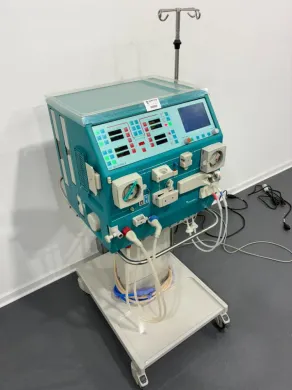
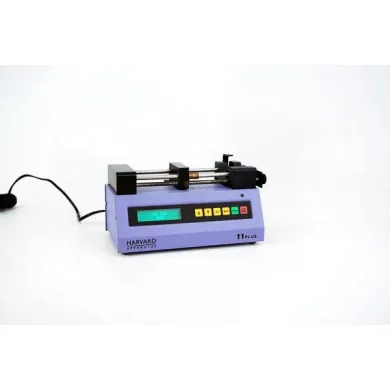
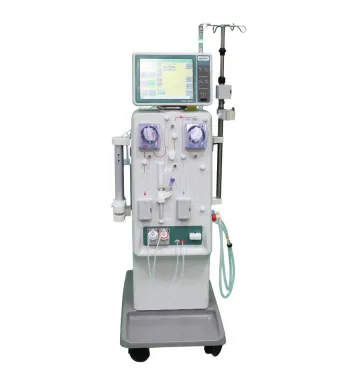
Among the listings that specify a type, the dialysis equipment dominates, which shapes the whole category. Hemodialysis machines, dialysis machines and the renal replacement therapy devices grouped with them are complete systems: they drive a blood pump, proportion dialysate, and regulate ultrafiltration, and they are the heaviest and most expensive units in the catalogue. They sit at the centre of renal medicine and, in the laboratory, feed molecular diagnostics work on uraemic markers and protein clearance. Syringe pumps are the opposite end, compact single- or dual-channel drivers that push a defined volume over a set time; they also serve cell culture perfusion and microfluidics, where a steady submillilitre rate feeds a chip or a bioreactor. Sterile tubing welders are adjacent rather than pumps proper, used to join tubing without breaching sterility in cell therapy and biomanufacturing, the step that keeps a closed single-use circuit closed. These classes do not substitute for one another: the choice follows the fluid, the volume and whether the circuit must stay sterile.
The brands behind the medical pump listings
The listings cluster around Gambro, B. Braun Medical Inc. (B.Braun), Nikkiso, Cole-Parmer, Harvard Apparatus. For a buyer that mix carries real consequences. Gambro, Nikkiso and B. Braun are the clinical dialysis and infusion names, so their machines turn up with established parts channels and a large installed base, which makes a given model easy to compare across several listings and keeps consumables findable. Cole-Parmer and Harvard Apparatus come from the laboratory side, where their peristaltic and syringe pumps are standards for perfusion, dosing and protein purification rigs; Harvard Apparatus in particular is the reference for small-animal and tissue perfusion. A concentration of a few brands means a used model rarely sits alone, so its condition and price can be read against comparable units, and parts can be sourced via Questpair rather than hunted one at a time.
What a used medical pump costs here
New, used and refurbished units all appear, and the condition mix is lopsided: 95 percent of the listings are used. Prices run from EUR 1 to EUR 17.493. That spread is not a quality signal, it is the distance between a bare syringe-pump head and a full dialysis workstation, and the catalogue average of EUR 1.638 falls between the two clusters rather than describing either. The practical reading is that the entry-level laboratory pumps anchor the bottom of the range and the clinical renal systems anchor the top, with condition then moving each unit within its own tier.
Frequently asked questions
What is a medical pump?
A medical pump is a device that moves fluid, such as blood or a drug solution, through a controlled circuit at a set rate for patient treatment or laboratory work that imitates it. The term covers hemodialysis machines, syringe pumps and the peristaltic units that feed sterile tubing welders and perfusion rigs.
What does medical pump mean?
It refers to any pump built to deliver a fluid at a defined, controlled rate in a clinical or laboratory setting. The defining feature is flow precision over time rather than raw volume, because the rate itself is the treatment or the experimental variable.
How do medical pumps work?
Most work by one of two mechanisms: a peristaltic pump occludes flexible tubing against a rotor to push fluid forward, and a syringe pump advances a plunger at a calculated speed to deliver a measured volume. A hemodialysis machine combines a blood pump with dialysate proportioning and ultrafiltration control into one system.
What types of medical pumps are there?
The listings here include hemodialysis machines, syringe pumps, sterile tubing welders, clinical dialysis equipment, renal replacement therapy devices and dialysis machines. They do not substitute for one another: the choice follows the fluid, the volume and whether the circuit must stay sterile.
What are medical pumps used for?
Hemodialysis and renal replacement systems drive blood across a dialyser in renal medicine, while syringe pumps deliver microlitre to millilitre drug volumes over hours. On the laboratory side the same classes feed cell culture perfusion, microfluidics, dosing research and protein purification rigs.
How do I choose a medical pump?
Start with the flow rate range you actually work in and the accuracy the unit holds across that range, not just at full scale, since error at the low end is where most infusion and dosing happens. A pump rated for 1 to 1,200 millilitres an hour is a different instrument from one built for 0.1 to 10, even if both are peristaltic.
What is the difference between refurbished and used medical pumps?
A used unit is sold in its current condition, while a refurbished unit has been reconditioned before listing. On a pump this matters because wear parts such as rotor bearings, occlusion pressure and calibration drift over thousands of running hours, so ask for the service and calibration history on either one.
How much does a medical pump cost?
Prices range from EUR 1 to EUR 17.493, and the catalogue average of EUR 1.638 sits between the two clusters rather than describing either. The spread reflects complexity: a single-channel syringe pump anchors the bottom and a full dialysis workstation anchors the top.
What are the main brands of medical pumps?
The listings cluster around Gambro, B. Braun Medical Inc., Nikkiso, Cole-Parmer and Harvard Apparatus. Gambro, Nikkiso and B. Braun are the clinical dialysis and infusion names, while Cole-Parmer and Harvard Apparatus come from the laboratory side for perfusion, dosing and purification work.
Is there a warranty on a refurbished medical pump?
A warranty is often possible and is arranged in consultation for the specific listing. Because terms are set per unit rather than centrally, check the individual listing for what applies.
Can I get parts for a medical pump?
Parts can be sourced via Questpair. The concentration of a few brands helps here, because a used model rarely sits alone and consumables for the common dialysis and infusion lines stay findable against comparable units.
How long does a medical pump last?
Lifespan depends on running hours and on the wear parts specific to each design. Peristaltic rotors and occlusion surfaces drift with use, and on a hemodialysis machine the conductivity and temperature sensors, balancing chamber and blood-leak detector determine how long the unit stays safe, so a service record tells you more than the stated age.
Should I buy a new or refurbished medical pump?
Refurbished units are listed at lower prices than new across every tier, from laboratory syringe pumps to renal replacement systems. Where you have to weigh the two, check the individual listing and the warranty terms arranged in consultation for it.
Where can I buy a medical pump?
They are listed on Questpair across new, used and refurbished condition, drawn from 15 verified suppliers and distributors in 8 countries. The brand and category pages here are the catalogue you search.
What is the lead time and shipping on a medical pump?
Lead time and shipping depend on the individual seller and the unit, since a bare syringe-pump head and a complete dialysis workstation ship very differently. Each listing carries the detail for that specific unit.
How are medical pumps calibrated and maintained?
A peristaltic or syringe pump is checked against a reference flow meter to confirm it still holds its set rate; on a hemodialysis machine the sensors, balancing chamber and blood-leak detector are verified through service rather than a visual check. When buying used, the useful question is what the last calibration measured and when, not whether the unit powers on.
Which medical pump types are listed most, and who reaches for each?
Among listings that specify a type, dialysis equipment dominates: hemodialysis machines, dialysis machines and renal replacement therapy devices are complete systems for renal medicine and for molecular diagnostics on uraemic markers. Syringe pumps sit at the opposite end for clinical dosing and for microfluidics and cell culture perfusion, while sterile tubing welders serve cell therapy and biomanufacturing where a closed circuit must stay closed.
Which brands dominate this category, and what does that mean for a buyer?
The clinical dialysis and infusion names Gambro, Nikkiso and B. Braun bring a large installed base and established parts channels, so a given model is easy to compare across several listings. Cole-Parmer and Harvard Apparatus hold the laboratory side, with Harvard Apparatus a reference for small-animal and tissue perfusion, meaning a used unit's condition and price can be read against comparable ones rather than in isolation.
What separates the cheapest medical pumps from the most expensive?
The band tracks complexity rather than quality. Entry-level laboratory syringe and small peristaltic pumps anchor the bottom of the range, while multi-station renal replacement systems that drive a blood pump, proportion dialysate and regulate ultrafiltration occupy the top, with condition then moving each unit within its own tier.