

Food processing equipment - other
We personally find you the right used, refurbished and new food processing equipment - other from verified suppliers.
Food processing equipment, other covers the units that sit outside the main food machinery categories: ice makers, refrigeration units, and food scales listed together under one heading. This marketplace holds 140 such units from 15 verified suppliers and distributors across 9 countries, in new, used and refurbished condition. 86 percent of the listings are used. Prices run from EUR 9 to EUR 21.522, which spans a small bench scale at one end and a production flake ice machine at the other. The brands that recur are Hoshizaki, Scotsman, Ohaus, Various, Manitowoc, so a buyer here is comparing known laboratory and commercial equipment rather than unbranded stock.
Updated:
Food processing equipment - other product list
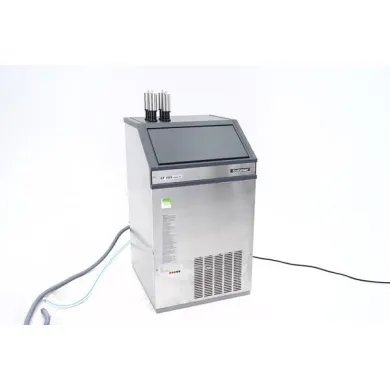
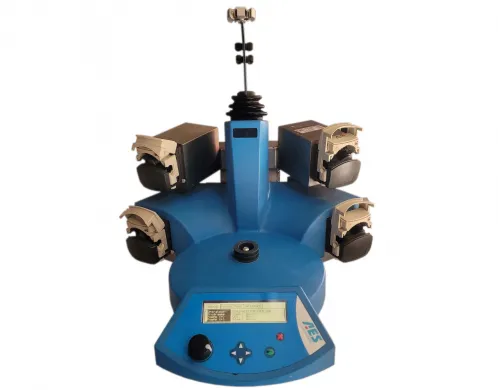
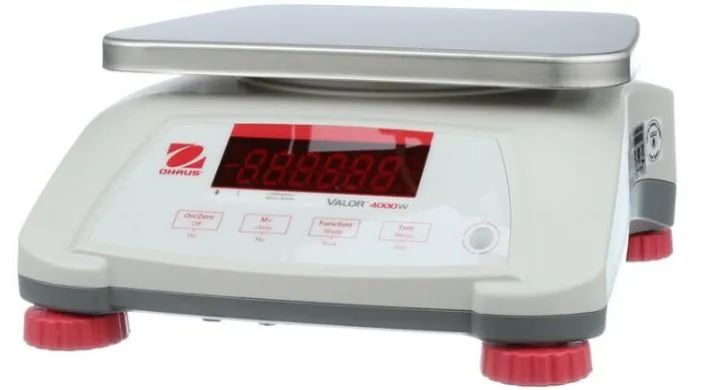
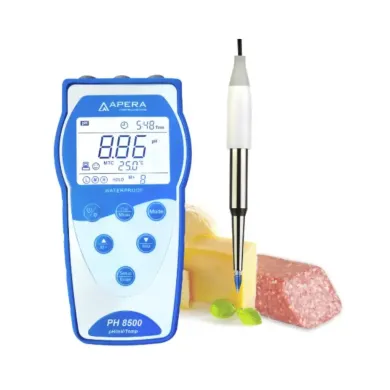


Not the exact instrument you need?
Tell our scientists what you are after. We track it down, including off-market supply.
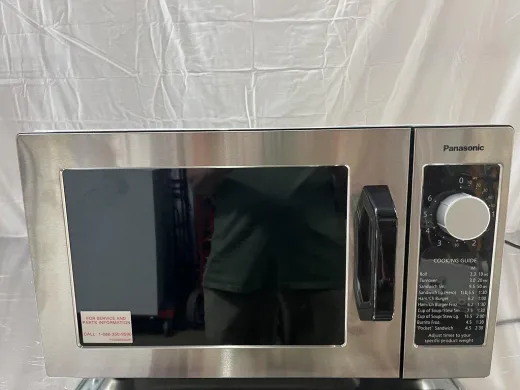
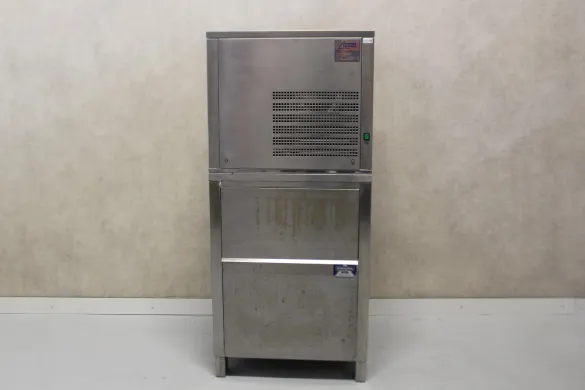
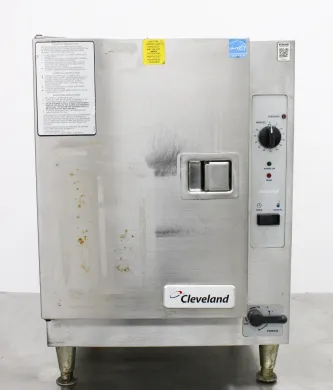
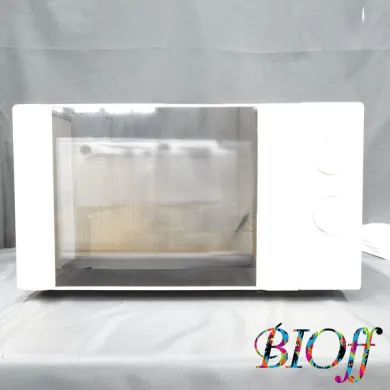
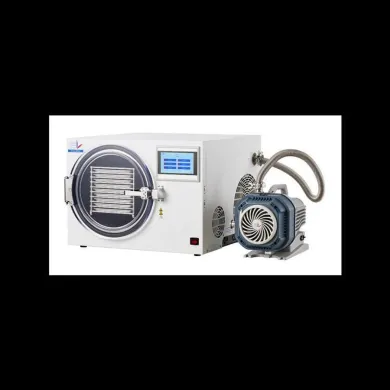
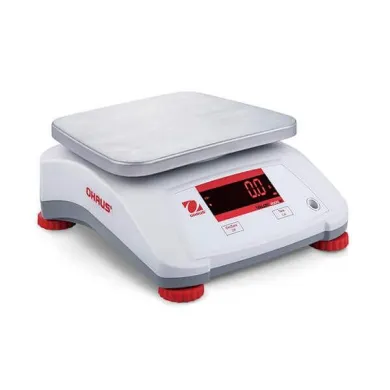
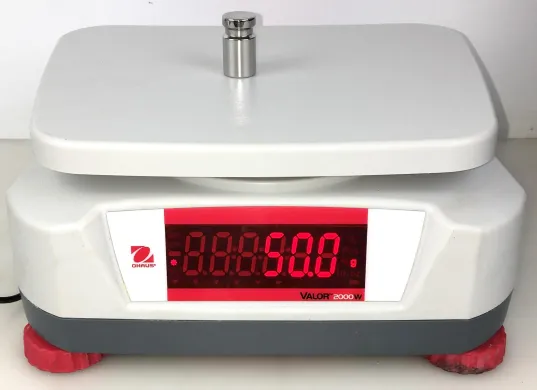
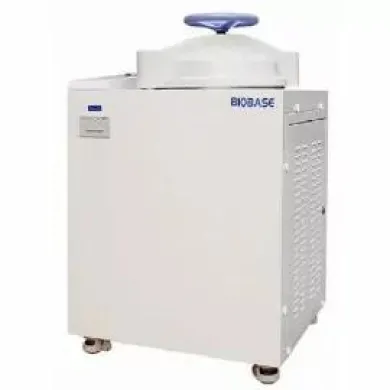
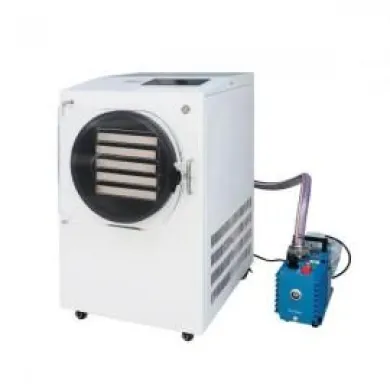
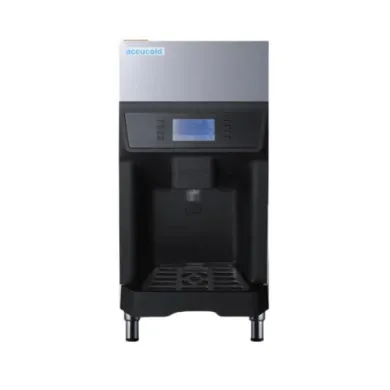
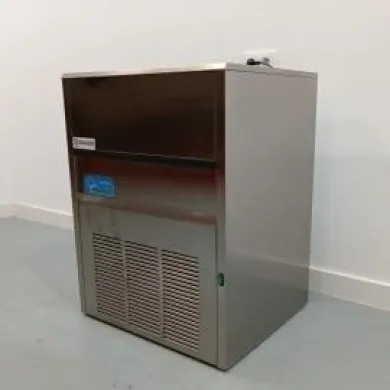
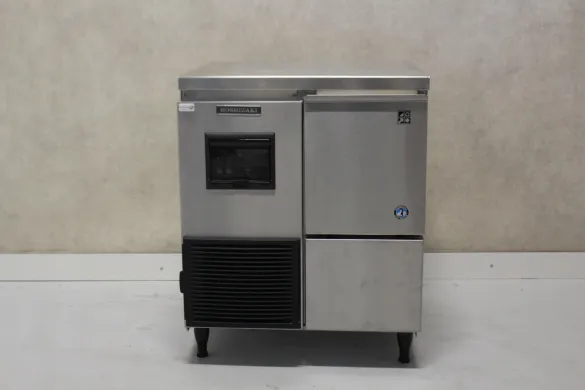
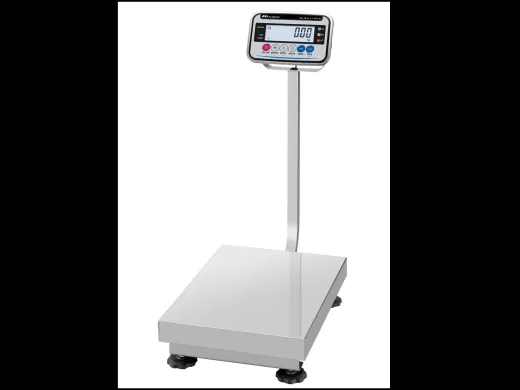
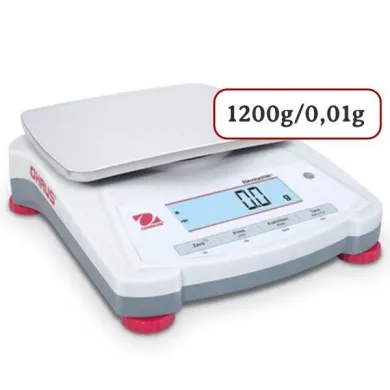
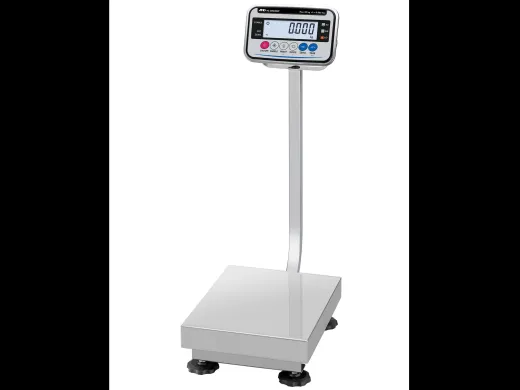
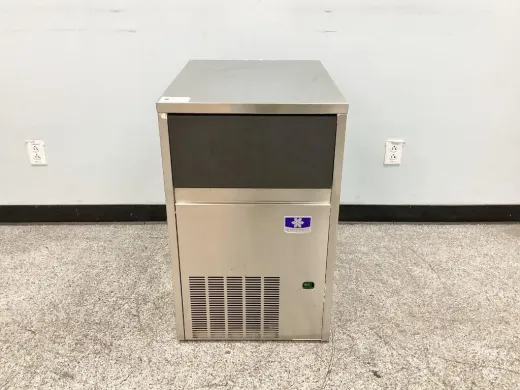
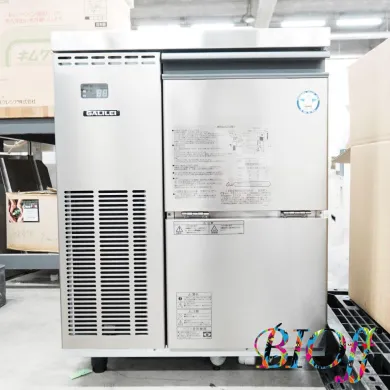
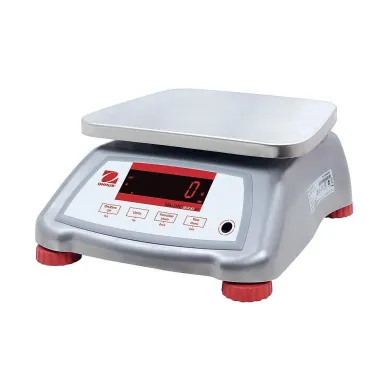
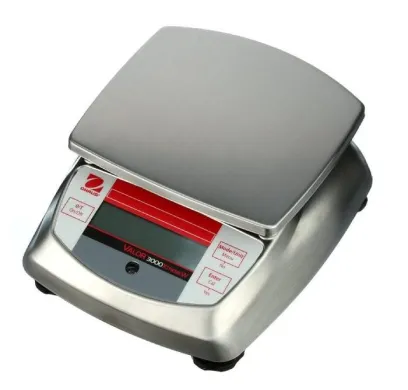
Valor 2000 inox Ohaus
- Category
- Food processing equipment other
- Brand
- Ohaus
- Suppliers
- 1 verified
Not the exact instrument you need?
Tell our scientists what you are after. We track it down, including off-market supply.
Showing 1–40 of 62 listings
Show 22 more listingsBuying guide
What capacity actually decides an ice maker purchase?
For most of the listings in this group the question that settles the purchase is daily output, measured in kilograms of ice over twenty-four hours, against the form of ice the work needs. A commercial bar runs on cube ice; a fishmonger or a laboratory cold chain runs on flake or nugget ice, which packs around irregular shapes and melts into a slurry rather than a puddle. Those are different machines, not settings on one, so the output figure only means something once the ice type is fixed. A unit rated at a high daily output in cube form tells a flake buyer nothing useful.
Output also depends on the water and air temperature where the machine will stand, and the headline figure on a datasheet is quoted under favourable conditions. A kitchen that runs warm, or a feed line with warm mains water, pulls real output below the rating. Build in margin rather than buying to the exact number.
What to verify on a used unit
Because 86 percent of the listings are used, the condition of the refrigeration circuit matters more than any specification printed on the plate. Ask when the unit was last run, whether it holds temperature, and whether the compressor and the water pump have been serviced. Scale build-up in an ice maker's water path is the common fault and the one that is cheapest to miss at purchase. A food scale is simpler: confirm it still reads true against a known mass and that any calibration certificate, where one exists, is recent. Weighing drift is gradual and easy to overlook until a batch is out of spec.
Where the price band sits
Prices here cover a wide spread, from EUR 9 to EUR 21.522, so matching a unit to a budget is mostly a matter of knowing which end a given type occupies. A food scale costs little and fits almost any budget. A production ice machine or a walk-in refrigeration unit sits at the top of the range and is where the larger figures come from. Used and refurbished units are listed below the price of their new equivalents, which is what makes a second-hand production machine affordable where a new one would not be. The brands that fill this band, Hoshizaki, Scotsman, Ohaus, Various, Manitowoc, are established names, so parts and comparison data are easier to come by than for obscure makes, and that keeps a used purchase lower risk. The average listing sits around EUR 1.925.
Types of Food processing equipment - other
Which food equipment types are listed here?
Among the listings that specify a type, the recurring ones are commercial ice maker, laboratory ice maker, refrigeration equipment, ice maker, food scale, flake ice machine. Ice makers dominate, and they split along the ice form and the setting they serve. Commercial ice makers are built for kitchens, bars and food service, producing cube or nugget ice at volume for drinks and food display. Flake ice machines are a distinct build, making soft, mouldable ice that holds cold against fish, meat and produce, and the same flake output serves cold chain and sample storage work. Laboratory ice makers overlap in principle but are specified for bench and clean-environment use, where flake ice supports sample cooling and short-term biological storage. Alongside the ice equipment sit refrigeration units, the cabinets and systems that hold product at temperature, and food scales for portioning and gravimetric checks on a production line. These are weighing instruments, and the same gravimetric analysis they do on a kitchen bench is the work a balance does in a laboratory, which is why the two groups shade into each other on this marketplace. A buyer searching for a flake ice machine for cold storage, or a laboratory ice maker for sample cooling, is choosing between builds that look alike and behave differently.
The brands behind these listings
The names that recur are Hoshizaki, Scotsman, Ohaus, Various, Manitowoc. Hoshizaki, Scotsman and Manitowoc are established ice machine makers, which for a buyer means service parts and replacement components are findable, and that a used unit can be compared model to model rather than taken on trust. Ohaus is a weighing name, present here through the food scales. The "Various" entry marks the mixed refrigeration and smaller equipment where no single maker dominates. A known brand does not guarantee condition, but it does make a used unit easier to diagnose and cheaper to keep running, since parts for a current or recent model are available through Questpair.
What condition and price look like?
86 percent of the listings are used. Prices span from EUR 9 to EUR 21.522, the lower end a simple food scale and the upper end a full production ice or refrigeration machine, with the average around EUR 1.925. Used and refurbished units carry lower prices than new equivalents, which is the main reason the production-grade machines in this group are reachable on a working budget. Where a buyer needs to weigh a new unit against a used one, the deciding factor is the individual listing and the condition of its refrigeration circuit, not the category as a whole; a warranty, where wanted, is arranged in consultation for the specific listing.
Frequently asked questions
What is 'Food processing equipment - other'?
It is a catalogue grouping for machines that prepare, chill, weigh and handle food and ingredients but do not fit the named processing categories. In practice it gathers ice makers, refrigeration units and food scales rather than one single machine type.
What does 'Food processing equipment - other' mean as a category?
The label collects equipment that supports food handling but sits outside specific processing lines such as mixers or slicers. Because it spans cold-side machines and weighing gear, items in it share a function in a food or laboratory workflow rather than a common design.
How do the machines in this category work?
Ice makers freeze and shave or cube water into ice for display and cold storage, refrigeration units chill and hold product at a set temperature, and food scales weigh ingredients for portioning and batching. Each serves a different stage, so the working principle depends on the specific unit you are looking at.
What types of equipment are in this category?
The listings that specify a type include commercial ice makers, laboratory ice makers, refrigeration equipment, general ice makers, food scales and flake ice machines. The group leans toward cold-side equipment, with ice production the most common function.
What is this equipment used for?
Commercial ice makers and flake ice machines produce ice in volume for food service, fish display and cold storage, while flake ice packs around produce and seafood without bruising it. Refrigeration equipment holds product between production and service, and food scales handle portioning, batching and goods-in weighing.
How do I choose between the options here?
Start with the function you need (ice output, chilled holding capacity, or weighing range) then match it to a specific unit. For an ice maker, check daily output and footprint; for a scale, check capacity and durability rather than fine readability, since the weighing here is kitchen and quality-control work.
What is the difference between refurbished and used in this category?
Both new and refurbished units appear alongside used stock in the catalogue, and all list below new prices. A refurbished unit has been reconditioned before sale, while a used one is sold in its current state, so condition detail on the individual listing is what tells the two apart.
How much does this equipment cost?
Prices across the group run from EUR 9 to EUR 21.522, with an average around EUR 1.925. That spread covers a small food scale at one end and a high-output commercial ice installation at the other, so the band reflects the mix of machines more than any single model.
Which brands appear most in this category?
The maker mix reads as Hoshizaki, Scotsman, Ohaus, Various and Manitowoc. Hoshizaki, Scotsman and Manitowoc are ice-machine names, Ohaus sits on the weighing side, and 'Various' covers the long tail of single listings the group absorbs.
Is there a warranty on refurbished units?
A warranty is often possible and is arranged in consultation for the specific listing. Check the individual listing before buying, since terms are set per unit rather than centrally.
Can I get parts for these machines?
Parts can be sourced via Questpair. For established ice-machine names like Hoshizaki, Scotsman and Manitowoc, water filters, augers and replacement components are widely stocked, and matching a model number against a datasheet makes the right part easier to identify.
How long does this equipment last?
Lifespan depends on the machine type and how it is maintained rather than the category. On an ice maker, the condition of the evaporator and water system is the main factor, since scale buildup and worn augers shorten useful life and cut rated output.
Should I buy new or refurbished?
Used and refurbished units are listed at lower prices than new, which is the clearest reason a buyer works through this group. Where you have to weigh the two, compare the specific listing and remember that warranty is arranged in consultation for that unit.
Where can I buy this equipment?
Listings come from verified suppliers and distributors across 9 countries, gathered in the Questpair catalogue. The group currently holds 140 items from 15 suppliers, covering both laboratory and commercial kitchen use.
What are the lead time and shipping like?
Lead time and shipping depend on the individual supplier and the unit, since listings come from verified suppliers and distributors across 9 countries. The specific listing is where delivery detail for that item is set.
What calibration and maintenance does this equipment need?
Food scales need periodic calibration against a known weight to stay accurate for portioning and quality control. Ice makers and refrigeration units need the water system and evaporator kept clear of scale, as buildup is the usual cause of a unit falling below rated output.
Which types are listed most, and who reaches for which?
Commercial ice makers and flake ice machines dominate the type-specified listings. Fishmongers and catering kitchens reach for flake ice because it packs around produce and seafood without bruising, while laboratory ice makers and scales carry into food microbiology and sample preparation, keeping cultures at temperature or weighing media for a batch.
Which brands dominate this category and what does that mean for a buyer?
Hoshizaki, Scotsman and Manitowoc lead the ice-machine side and Ohaus the weighing side. A recognised brand narrows the comparison, since two Hoshizaki flake machines can be read against each other on output per day and footprint, while an unbranded unit forces a buyer back to the photographs.
What separates the bottom of the price band from the top here?
The bottom end is small bench equipment such as a food scale, while the top end is a high-output commercial ice installation, so the gap between EUR 9 and EUR 21.522 is about machine size and output, not quality grades of one model. On a used ice machine specifically, a low price often tracks a worn evaporator or water system that underperforms the rated figure.