
SPOT Imaging equipment
We personally find you the right new, used & refurbished SPOT Imaging instruments & equipment from verified suppliers
SPOT Imaging is an American manufacturer of scientific cameras and life science imaging systems, operating as a division and trade name of Diagnostic Instruments, Inc., which Angelo Merlo founded in 1967 in Sterling Heights, Michigan. The company builds microscope cameras, CCD and CMOS scientific cameras, pathology imaging systems, and the imaging software that drives them. Its product families include the SPOT camera line and the PathSuite systems used in digital pathology work. On Questpair, 73 SPOT Imaging items are listed from 3 verified suppliers and distributors across 3 countries.
Updated:
SPOT Imaging product list


Not the exact instrument you need?
Tell our scientists what you are after. We track it down, including off-market supply.
Not the exact instrument you need?
Tell our scientists what you are after. We track it down, including off-market supply.
Showing 1–40 of 46 listings
Show 6 more listingsAbout SPOT Imaging
SPOT Imaging is an American manufacturer of scientific cameras and life science imaging systems, operating as a division and trade name of Diagnostic Instruments, Inc. The parent company was founded in 1967 by Angelo Merlo in Sterling Heights, Michigan, to develop scientific research instruments, and remains headquartered there. The company's output centres on microscope cameras, CCD and CMOS scientific cameras, pathology imaging systems, macro imaging systems, and the microscope adapters and imaging software that connect them. Its best-known hardware is the SPOT camera line, while the PathSuite and PathScope systems address digital pathology and telepathology. On Questpair, 73 SPOT Imaging items are listed from 3 verified suppliers and distributors across 3 countries. Of those, 71 are used and 2 are new. Prices run from EUR 44 to EUR 2.765.
SPOT camera and PathSuite product lines
The SPOT camera families form the core of what appears in the catalogue. The SPOT Insight and SPOT Idea sit toward routine documentation and general microscopy imaging, while the SPOT Flex, SPOT Pursuit and SPOT Xplorer reach into research-grade capture, with cooled sensors and low-light sensitivity aimed at fluorescence microscopy. These cameras do light microscopy and fluorescence imaging across cell biology and histology, and they attach to a microscope through a standard C-mount adapter, which is why a given body is rarely tied to one brand of scope.
Beyond the cameras, the PathSuite and PathScope lines are imaging systems rather than single components. PathSuite and PathSuite Enterprise are built for digital pathology and telepathology, the practice of capturing, storing and reviewing slide images remotely. This work sits close to molecular diagnostics and clinical histology, where a slide has to be imaged, annotated and shared between sites. PathScope extends the same idea toward macro imaging, capturing whole specimens rather than fields under high magnification.
The imaging software ties the hardware together and has run across several camera generations. For a buyer that matters in two directions: it means an older camera may still pair with a current workstation, and it means the driver and software versions of a used unit are worth confirming before purchase.
SPOT Imaging equipment on Questpair
The catalogue is almost entirely second-hand, with 97 percent of the listings used. That shapes how to read it. A used SPOT camera is attractive when a buyer already knows the model and the microscope it will serve, because the mount is standard and the software is long-lived. The practical variables are completeness and condition: whether the adapter, cabling and any software licence are present, and whether the sensor generation suits the intended imaging, from brightfield documentation to quantitative fluorescence.
The 3 suppliers across 3 countries mean the choice is not limited to a single seller's stock, and seeing more than one SPOT family listed at once lets a buyer match the model to the application rather than to availability alone. Where a listing is a PathSuite or PathScope system, the buyer is assessing a configured workstation, so the questions shift to what is included in the system.
Documentation and parts can be arranged through Questpair, with specialists responding to a request within the hour, and parts sourced via the marketplace. A warranty is often possible and is arranged in consultation for the specific listing. Because the inventory is predominantly used, those details are best settled against the individual listing rather than assumed across the range.
Questpair review of SPOT Imaging
Our take based on listings data and supplier feedback
SPOT Imaging occupies a specific niche: cameras and software built to sit on a microscope and turn what the optics deliver into a measured, recordable image. That focus is worth keeping in view when reading the Questpair listings, because the value of a used SPOT unit depends less on headline resolution than on how cleanly it drops into an existing setup.
The first benefit, the price spread, is the clearest. The catalogue runs from EUR 44 to EUR 2.765, with an average around EUR 1.246. That range reflects a real spread in the SPOT line itself, from the older entry cameras to the higher-end scientific models with cooled sensors. A buyer equipping a teaching microscope and a buyer running quantitative fluorescence are both served by the same listing page, which is unusual for a single maker. The low end of that range is low enough that a SPOT camera becomes a reasonable way to add digital capture to a scope that was never sold with it.
The second benefit, coverage across the range, matters because the SPOT families were not interchangeable. The SPOT Insight and SPOT Idea sat toward general documentation and routine microscopy; the SPOT Flex, Pursuit and Xplorer pushed toward research-grade capture, with the Xplorer aimed at low-light and fluorescence work. Seeing several of these families listed at once lets a buyer match the model to the application rather than settle for whatever is available. The listings come from 3 suppliers across 3 countries, so the choice is not the stock of a single seller.
The third benefit concerns fit, and it is the one that rewards attention before purchase. SPOT cameras mount through standard microscope adapters, typically a C-mount, which means a used body can be paired with a microscope from a different maker entirely. The software platform has run for years across camera generations, which is both a strength and a point to verify: an older camera and a current workstation need their driver generations to agree. This is the kind of detail that is hard to read from a listing and easy to confirm with the seller, and Questpair routes those questions to the supplier directly.
Where the pathology systems appear, the calculation shifts. PathSuite and PathScope are not single cameras but imaging systems built around a workflow, so a used listing is really a used workstation configuration, and the buyer is assessing a system rather than a component. These are fewer in number and warrant closer questions about what is included.
The honest summary is that SPOT Imaging equipment on the used market is attractive when the buyer knows the specific model they want and the microscope it will serve. The 97 percent used share means almost everything here is second-hand, so condition and completeness, the adapter, the cabling, the software licence, are the variables that decide whether a given listing is a bargain or a project.
**Used inventory at accessible price points**
With 97 percent of the catalogue listed as used, SPOT Imaging cameras and imaging systems appear at prices from EUR 44 to EUR 2.765, well below new scientific camera pricing.
**Coverage across the SPOT camera range**
The listings span the established SPOT camera families, from entry CCD units to higher-resolution scientific cameras, drawn from 3 verified suppliers and distributors across 3 countries.
**Documented imaging lines with known adapter ecosystems**
SPOT cameras attach to standard microscope C-mounts and carry a long-running software platform, so a listed unit can be matched to an existing microscope rather than treated as a closed system.
Frequently asked questions
Where can I get manuals and documentation for a SPOT Imaging camera?
Documentation for SPOT Imaging equipment can be requested by contacting Questpair, and specialists respond within an hour. Tell them the exact SPOT model so the right material is matched to your unit.
How much does SPOT Imaging equipment cost?
On Questpair, listings range from EUR 44 to EUR 2.765, with an average around EUR 1.246. A single microscope adapter sits at the low end and a complete scientific camera system at the top, so the individual listing is where the real price lives.
What's the difference between a refurbished and a used SPOT camera?
Both are pre-owned, but a refurbished unit has been reconditioned before resale while a used unit is sold in its existing state. The condition note on each listing describes what has been done, so read it before comparing two items.
Does a SPOT Imaging camera come with a warranty?
A warranty is often possible and is arranged in consultation for the specific listing rather than fixed across the brand. Ask about warranty terms on the exact unit you are considering.
Are SPOT cameras suitable for both clinical and research use?
The SPOT camera lines cover microscopy for research, while the PathSuite and PathScope platforms are built for pathology slide work in histology and molecular diagnostics. Which fits depends on whether you need general microscope capture or a diagnostic imaging system.
How long does a SPOT Imaging camera last?
Lifespan depends on sensor type, usage hours and how the unit has been handled, and SPOT builds both CCD and CMOS heads that age differently. For a used purchase, the condition note and any stated hours on the listing are the practical guide.
Can I still get parts for an older SPOT camera?
Parts for SPOT Imaging equipment can be sourced via Questpair. Specify the model and the component you need so the request is matched correctly.
What are the alternatives to a SPOT camera if I need a different option?
What counts as an alternative depends on the category: a microscope camera, a pathology imaging system, or a macro imaging setup each has different substitutes. Decide which SPOT category you are replacing first, since a slide-scanning platform and a single microscope head are not interchangeable.
How long does delivery take for a SPOT Imaging listing?
Lead time depends on the supplier holding the item and its location, since stock comes from 3 verified suppliers and distributors. The individual listing and the supplier handling it give the accurate dispatch timing.
What's the difference between parts and spares for SPOT equipment?
In practice the terms overlap: both refer to components such as adapters, cables or sensor assemblies that replace a worn or failed piece rather than a whole camera. Parts for SPOT Imaging equipment can be sourced via Questpair when you name the model and the component.
Can SPOT Imaging equipment be shipped internationally?
Listings come from verified suppliers and distributors across 3 countries, so cross-border shipping is part of how the catalogue works. Confirm shipping to your destination on the specific listing.
Which product lines does SPOT Imaging make and how do they differ?
The SPOT camera families, SPOT Flex, SPOT Pursuit, SPOT Xplorer, SPOT Idea and SPOT Insight, are scientific microscope cameras that divide along CCD and CMOS sensor types. The pathology side runs under PathSuite, including PathSuite Enterprise, together with PathScope, which are digital slide imaging systems rather than microscope heads.
Which types of SPOT Imaging equipment are actually listed on Questpair and in what condition?
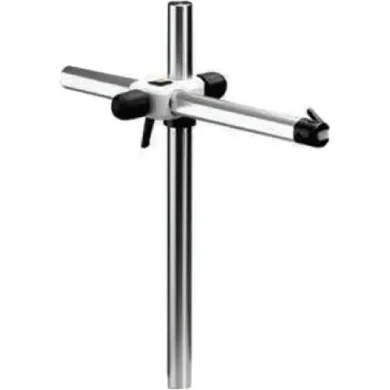
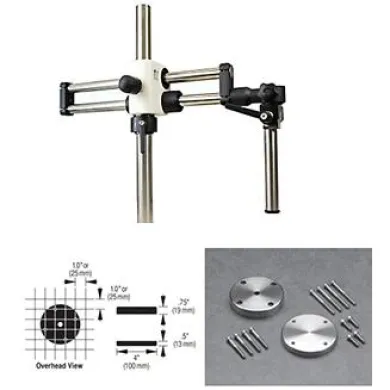
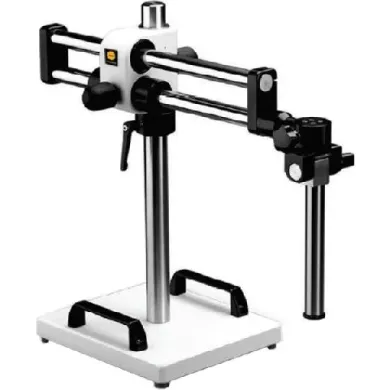
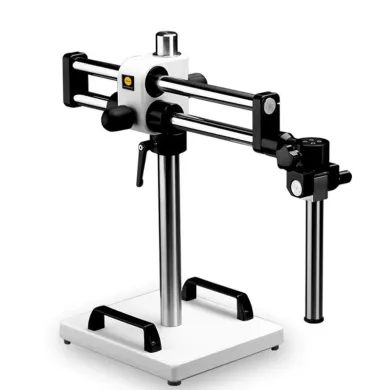
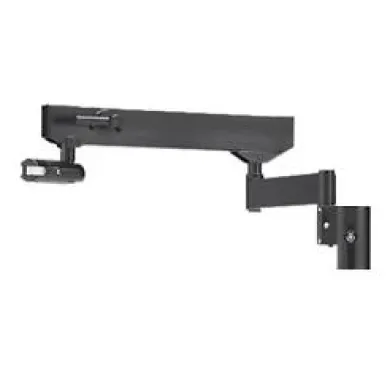
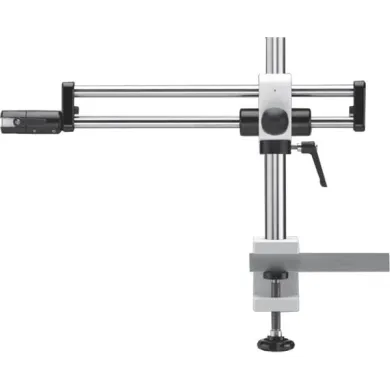
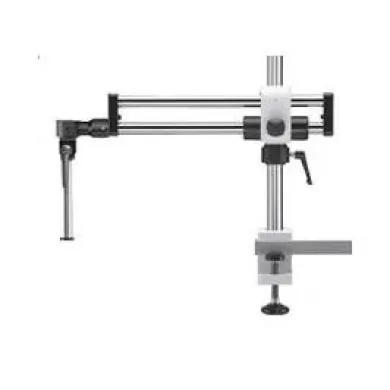
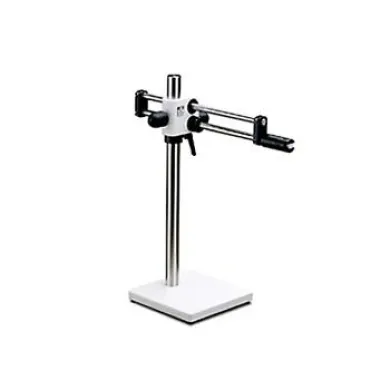
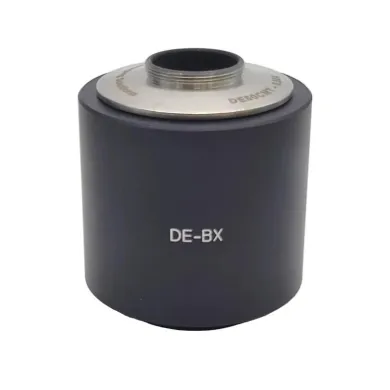
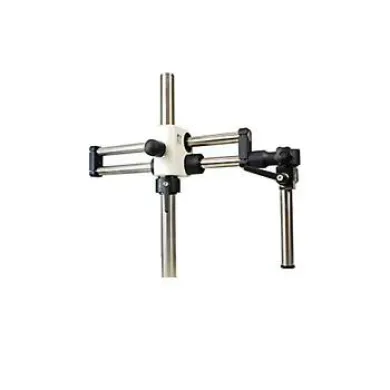
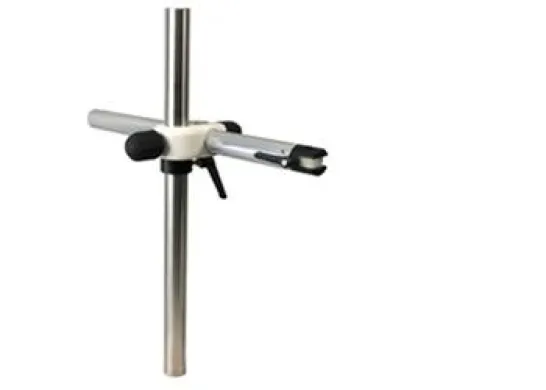
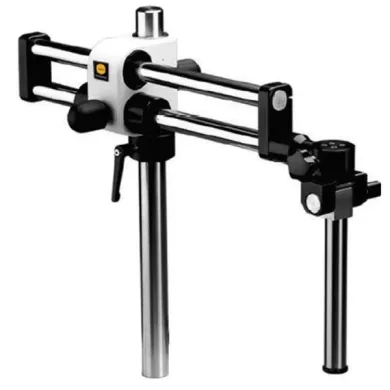
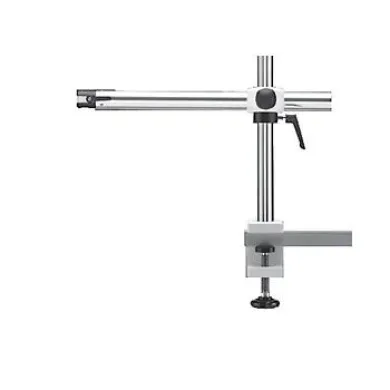
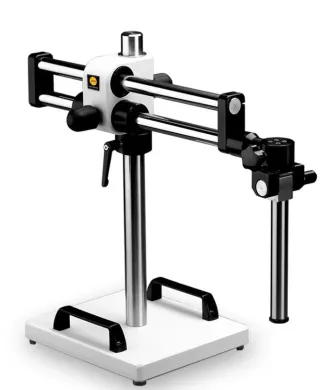
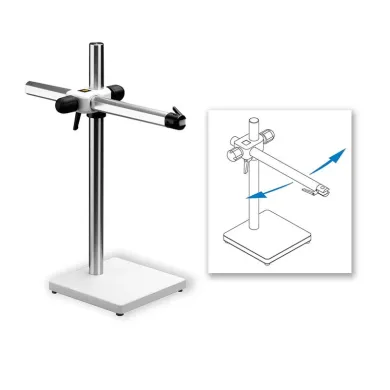
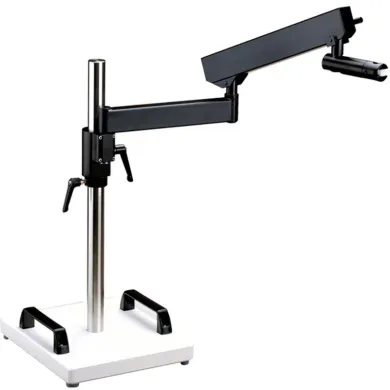
The catalogue leans toward mounting and support hardware, with boom stands, microscope camera adapters, tilt and swivel mounts, ball bearing boom stands, stereo microscope boom stands and stereo microscope stands among the listed types. 97 percent of listings are used, so the stock here is overwhelmingly pre-owned.
What separates the cheapest SPOT listings from the most expensive ones?
The low end is single components such as a microscope adapter or a mount, while the high end is a complete scientific camera or pathology imaging system with its software. Condition, whether a unit is new, used or refurbished, and whether the capture software is included also move the price within that band from EUR 44 to EUR 2.765.
About Questpair
Questpair is the European marketplace for lab equipment, where AI-prepared cases and personal specialists guide every purchase. We work with 247 verified suppliers across 38 countries to find buyers the right new, used or refurbished instruments, with response within 1 hour and significant savings vs buying new.
Personal · Fast · Reliable · Affordable