
Meiji Techno equipment
We personally find you the right new, used & refurbished Meiji Techno instruments & equipment from verified suppliers
Meiji Techno Co., Ltd. is a Japanese optical microscope manufacturer based in Miyoshi-machi, Iruma-gun, Saitama. The company was founded in 1964 as Azuma Optics Co., Ltd., a contract manufacturer of microscopes for the educational sector, before rebranding as Meiji Techno Co., Ltd. in 1975 and selling directly to the public. Its range covers stereo microscopes, compound microscopes, polarizing microscopes and digital microscopes, together with objective lenses, illuminators and other accessories. On Questpair, used Meiji Techno microscopes are listed by verified suppliers and distributors across 3 countries.
Updated:
Meiji Techno product list


Not the exact instrument you need?
Tell our scientists what you are after. We track it down, including off-market supply.
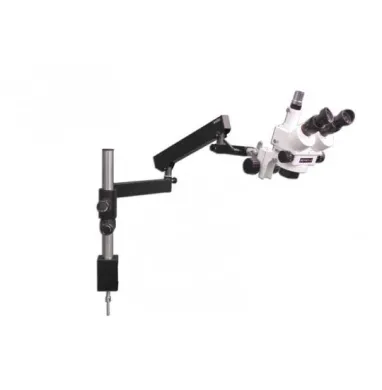
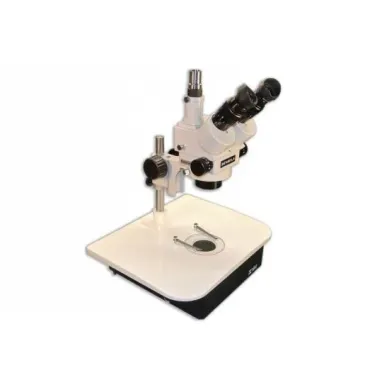
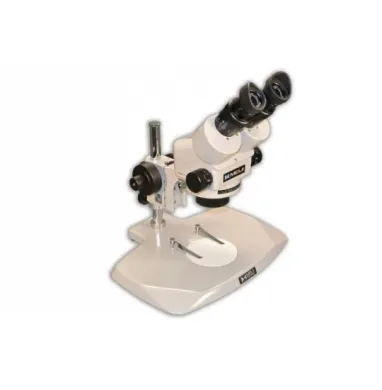
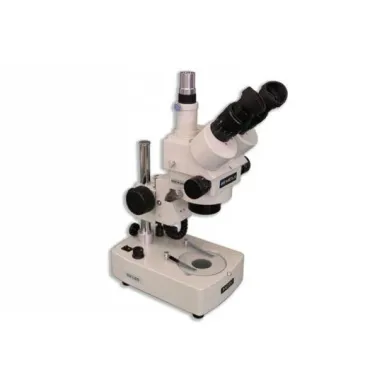
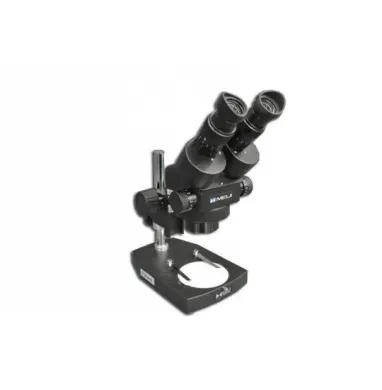
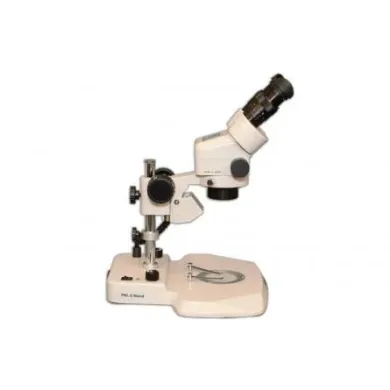
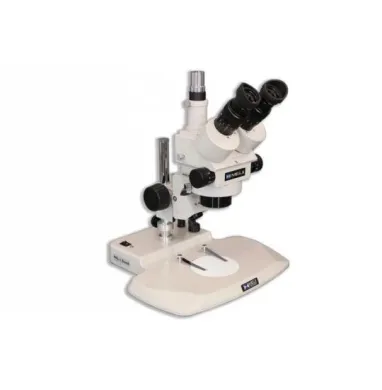
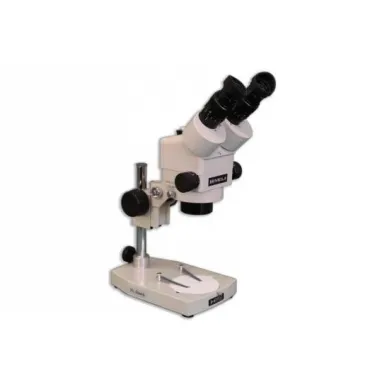
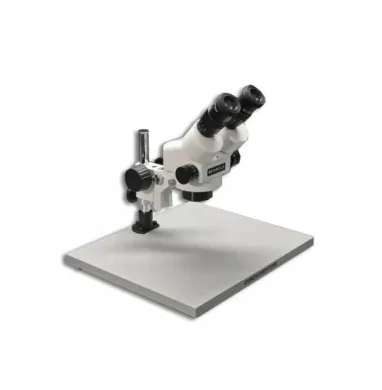
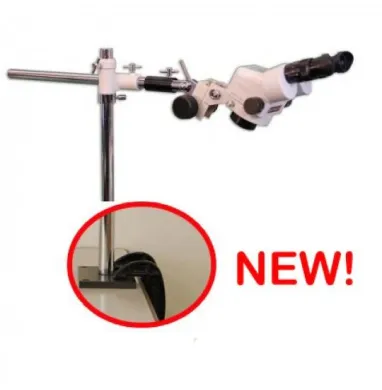
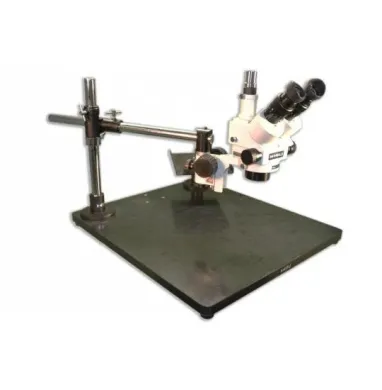
Not the exact instrument you need?
Tell our scientists what you are after. We track it down, including off-market supply.
Showing 1–40 of 80 listings
Show 40 more listingsAbout Meiji Techno
Meiji Techno Co., Ltd. is a Japanese optical microscope manufacturer headquartered in Miyoshi-machi, Iruma-gun, Saitama. The company was founded in 1964 as Azuma Optics Co., Ltd., a contract manufacturer of microscopes for the educational sector. It rebranded as Meiji Techno Co., Ltd. in 1975 and began selling directly to the public. Its products are optical microscopes, grouped into stereo microscopes, compound microscopes, polarizing microscopes and digital microscopes, alongside objective lenses, microscope illuminators and other accessories. The microscope is the primary instrument across all of these; the field that follows it is microscopy, running from low-magnification inspection to transmitted-light observation of prepared slides. On Questpair, these instruments are listed used by verified suppliers and distributors.
Compound microscopes do the work of microbiology and histology, where light passes through a thinly sectioned or smeared specimen on a slide at magnifications that resolve cells and their structures. A compound microscope for histology carries the specimen through the stains and sections that a pathology slide needs before it reaches the objective, and a compound microscope for microbiology brings bacterial and other small cells into view under oil immersion. Polarizing microscopes serve a different line of work: they are also used for mineralogy and materials analysis, where the way a specimen rotates the plane of polarized light reveals its crystalline structure. Stereo microscopes sit outside the slide-based fields and are also used for dissection, specimen preparation and quality inspection, the tasks where a three-dimensional view and a long working distance matter more than high magnification. A stereo microscope for dissection gives the clearance for instruments under the objective that slide work does not require.
Meiji Techno product lines on Questpair
The maker's range is organised into a handful of series, and several appear in the catalogue. The EMZ modular stereo microscope series is the best known of them, built so that bodies, objectives and illuminators combine into the configuration a task needs. The MT series covers compound instruments for routine transmitted-light work, and the ML series sits alongside it. The TC-5000 series and the IM7000 series extend the compound range further. Across these series the shared design principle is interchangeability: heads, objective lenses and illuminators move between bodies within a series, so a listing is best read as a configuration rather than a sealed unit. Where an objective is missing or an illuminator has aged, parts can be sourced via Questpair rather than the whole body replaced.
What is listed, and in what condition?
Questpair lists 95 Meiji Techno items from 4 suppliers across 3 countries. 100 percent of the listings are used. Prices run from EUR 32 to EUR 4.895. That spread covers the distance between a single educational stand or a loose accessory and a fully configured research frame with a trinocular head for camera work. Because the catalogue is used throughout, the comparison a buyer makes is between configurations rather than between new and used, which puts the weight on what each listing includes: the objectives mounted, the type of illuminator, whether the head supports a digital camera. A warranty is sometimes possible and is arranged in consultation for the specific listing. For documentation on an older body, a buyer can contact Questpair and specialists respond within the hour. Read against the work the instrument has to do, whether that is routine microscopy on the teaching bench or polarized-light analysis of materials, a Meiji Techno listing is a stand to be matched to its task rather than a fixed price to accept or reject.
Questpair review of Meiji Techno
Our take based on listings data and supplier feedback
Meiji Techno sits in a part of the microscope market that spans the educational bench and the research lab, and the catalogue on Questpair reflects that breadth rather than a single specialism. The first thing worth drawing out is the split between stereo and compound instruments, because it decides what a given body is actually for. Stereo microscopes, the EMZ modular series among them, give a low-magnification three-dimensional view across a working distance that leaves room for hands and tools underneath. That is the frame for dissection, for circuit inspection, for any task where the specimen is manipulated while it is viewed. Compound microscopes in the MT and ML lines run transmitted light through a thin specimen on a slide at higher magnification, which is the arrangement microbiology and histology depend on. A buyer who reads the two as interchangeable ends up with the wrong tool, so the division is the starting point for reading these listings.
The second point is price, and here the used-only nature of the catalogue does real work. Listings run from EUR 32 to EUR 4.895, and 100 percent of them are used. That spread is not noise. At the low end sit simple educational stands and loose accessories, and at the high end sit configured research frames, polarizing instruments and digital systems with camera heads. A school buying its first teaching microscope and a materials lab after a polarizing setup are both served from the same maker, at prices the new market does not reach. The absence of any new stock means the comparison a buyer makes is not new against used but one used configuration against another, which puts the weight on condition and completeness rather than on list price.
The third point is modularity, and it is the one that most changes how a used purchase should be judged. Meiji Techno built the EMZ and MT series around interchangeable objective lenses, swappable illuminators and changeable viewing heads. A used body is therefore not a fixed object. An illuminator that has aged, an objective that is missing, a head that suits one application better than another, these are parts rather than reasons to reject the whole instrument, and parts can be sourced via Questpair. That turns the inspection of a listing toward what is present and what is absent: which objectives are mounted, whether the illuminator matches the intended light path, whether the head is binocular or trinocular for camera work. Across the catalogue there are 95 listings from 4 suppliers, enough that two bodies of the same series can be compared directly. Read that way, a Meiji Techno listing is less a single price than a configuration to be checked against the work it has to do.
**Stereo and compound microscopy in one catalogue**
Meiji Techno builds both stereo microscopes for dissection and inspection work and compound microscopes for transmitted-light imaging, so the listings on Questpair cover bench inspection and slide-based observation from one maker.
**Used optics at a wide price spread**
Every Meiji Techno listing on Questpair is used, with prices running from EUR 32 to EUR 4.895, which lets a buyer match an entry-level educational stand or a research polarizing frame to a specific budget.
**Modular stands that accept interchangeable parts**
The EMZ and MT series are built around interchangeable objective lenses, illuminators and heads, so a used body can be fitted with parts sourced via Questpair rather than replaced whole.
Frequently asked questions
Where can I get manuals or documentation for a Meiji Techno microscope?
Documentation can be requested through Questpair, where specialists respond within the hour. Give the model and configuration of the listing you are looking at so the correct manual is matched to that instrument.
How much does a Meiji Techno microscope cost?
Across the Questpair catalogue, Meiji Techno listings range from EUR 32 to EUR 4.895, with the average at EUR 2.130. The low end covers single accessories such as an objective lens or illuminator, and the high end covers configured compound or polarizing systems with their optics and stage.
What's the difference between a refurbished and a used Meiji Techno unit?
Both are listed below the price of a new equivalent, and that price difference is the clearest distinction between them on the listing page. The exact condition is described per item, so check the individual listing for what has been reconditioned versus sold as-is.
Do these microscopes come with a warranty?
A warranty is often possible and is arranged in consultation for the specific listing. Terms are not set centrally, so confirm them against the item you intend to buy.
Are Meiji Techno microscopes suitable for clinical and research use?
Their compound transmitted-light instruments are used in histology and microbiology, their stereo systems for dissection and sample preparation, and their polarizing models for crystalline and birefringent material. Which model fits depends on the task, and the configuration in each listing determines what that instrument does.
How long do these microscopes last?
Optical microscopes are mechanical and optical instruments with no consumable core, so a well-kept body remains usable for many years. Illuminators and bulbs are the parts most likely to need replacement over time, and those can be sourced via Questpair.
Can I still get parts for a Meiji Techno microscope?
Replacement objectives, illuminators and other parts can be sourced via Questpair. Specify the model and the part you need so the correct component is matched to your instrument.
What are the alternatives to Meiji Techno?
The company sits in the mid-market, below the larger research houses and above pure education brands, so the relevant alternative depends on whether you need a stereo, compound or polarizing instrument. Comparing a specific Meiji Techno model against adjacent instruments in the same class is the practical way to judge fit, and the Questpair catalogue holds those classes on one page.
How long does delivery take?
Lead time depends on the individual listing and the supplier holding it, since stock and location vary. The delivery estimate for a specific item can be confirmed through Questpair before purchase.
What is the difference between parts and spares when ordering?
In practice the terms overlap: an objective, an illuminator or a stage component is both a functional part and a spare you might hold against failure. Whatever you call it, name the model and the component and it can be sourced via Questpair.
Do suppliers ship Meiji Techno equipment internationally?
Listings come from verified suppliers and distributors across 3 countries, so cross-border shipping is common. Confirm the shipping destination and cost against the specific listing and its supplier.
Which product lines does Meiji Techno make and how do they differ?
The EMZ series is the modular stereo line, built from a zoom body that mounts to different stands and takes auxiliary objectives, so one body covers dissection, inspection and low-magnification assembly. The MT and ML series are compound instruments for transmitted-light work on prepared slides, and the TC-5000 and IM7000 designations cover further compound configurations. Polarizing models add crossed polarizers and a rotating stage for birefringent materials.
Which types of Meiji Techno instruments are actually listed here, and in what condition?
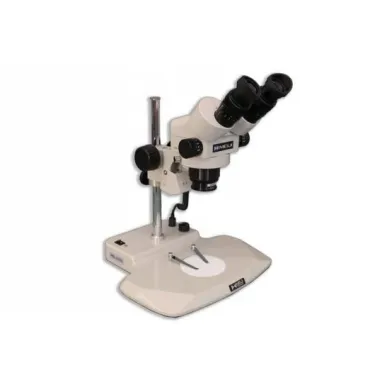
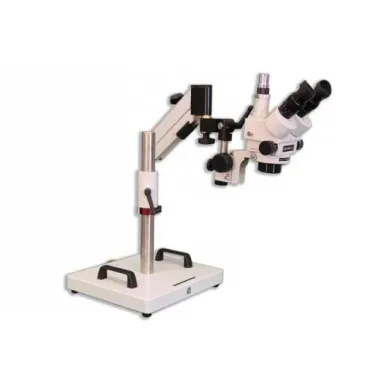
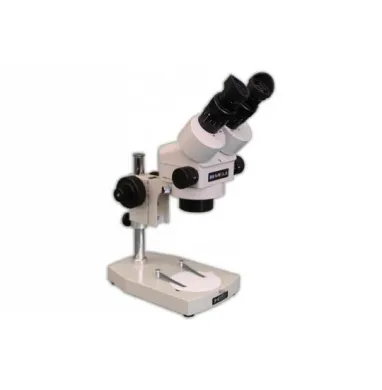
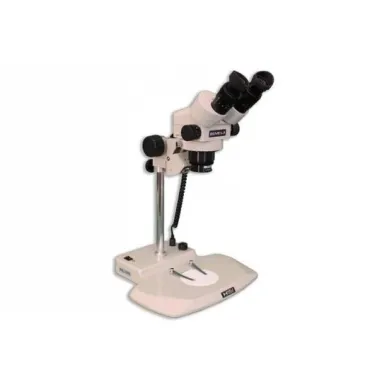
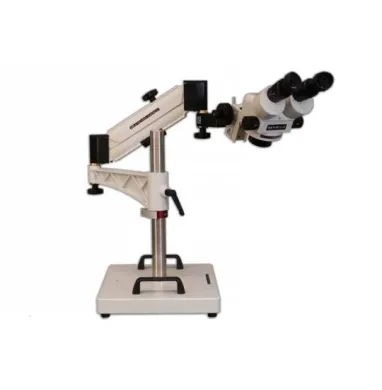
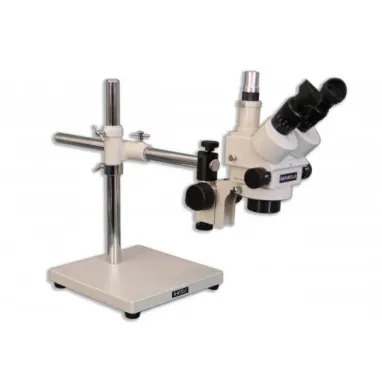
The listed types include zoom stereo microscopes, trinocular stereo microscopes, plain stereo microscopes, binocular microscopes, pole stands and modular microscope systems. Of the 95 listings from 4 verified suppliers and distributors, 100 percent are used, each priced below a new equivalent.
What separates the cheapest Meiji Techno listings from the most expensive?
The low end corresponds to individual accessories, a single objective lens or an illuminator, while the high end corresponds to fully configured compound or polarizing systems with their optics and stage. Because the stereo range is modular, two listings at a similar price can represent different working setups, so reading the specific body, stand and objectives matters more than the series name alone.
About Questpair
Questpair is the European marketplace for lab equipment, where AI-prepared cases and personal specialists guide every purchase. We work with 247 verified suppliers across 38 countries to find buyers the right new, used or refurbished instruments, with response within 1 hour and significant savings vs buying new.
Personal · Fast · Reliable · Affordable