
Lonza equipment
We personally find you the right used, refurbished & new Lonza instruments & equipment from verified suppliers
Lonza is a Swiss life sciences and biopharmaceutical contract development and manufacturing organization, supplying laboratory equipment, cell biology instruments, cell culture reagents, and endotoxin testing products. The company was founded in 1897 in Gampel, Canton of Valais, originally as an electrochemical manufacturer, and is now headquartered in Basel, Switzerland. Lonza Group AG trades on the SIX Swiss Exchange under the ticker LONN and operates across transfection instruments, cell and gene therapy manufacturing, and endotoxin detection. On Questpair, 66 Lonza items are listed by verified suppliers and distributors across 5 countries.
Updated:
Lonza product list


Not the exact instrument you need?
Tell our scientists what you are after. We track it down, including off-market supply.
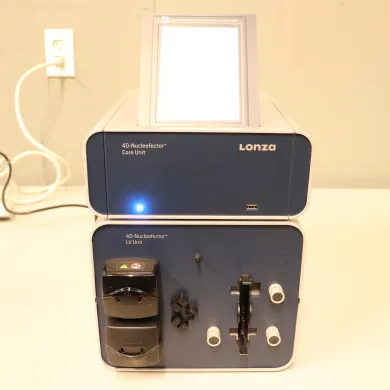
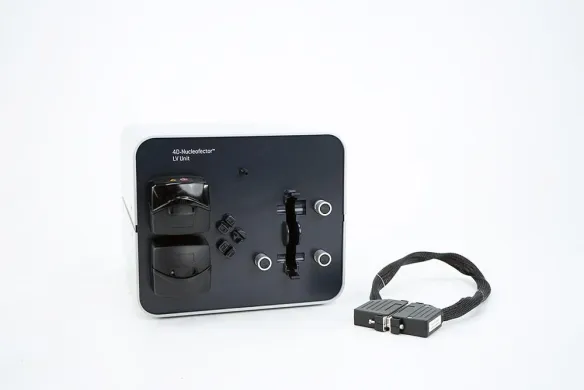
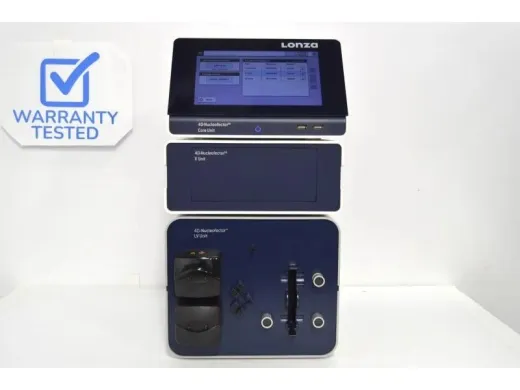
About Lonza
Lonza is a Swiss life sciences and biopharmaceutical contract development and manufacturing organization that supplies laboratory equipment, cell biology instruments, cell culture reagents, and endotoxin testing products. The company was founded on October 27, 1897 in Gampel, Canton of Valais, Switzerland, as an electrochemical manufacturer harnessing hydroelectric power from the Lonza river to produce calcium carbide. It is now headquartered in Basel, Switzerland. Lonza Group AG is the ultimate parent company, publicly traded on the SIX Swiss Exchange under the ticker LONN, with widely dispersed institutional ownership and no controlling shareholder as of FY2024. Its primary categories span cell transfection instruments, electroporation systems, cell culture media and reagents, biopharmaceutical contract manufacturing, endotoxin detection and testing, cell and gene therapy manufacturing, and capsules and health ingredients. The product most laboratories associate with the Lonza name is the Nucleofector, a transfection platform used across molecular biology.
Lonza transfection and cell biology product lines
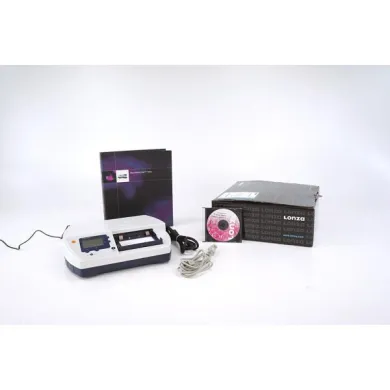
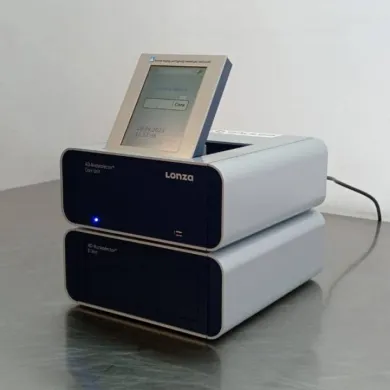
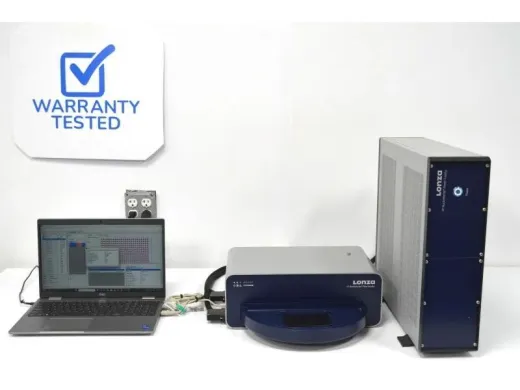
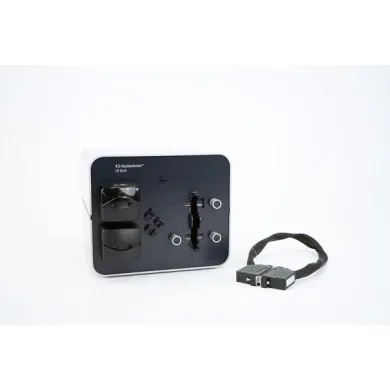
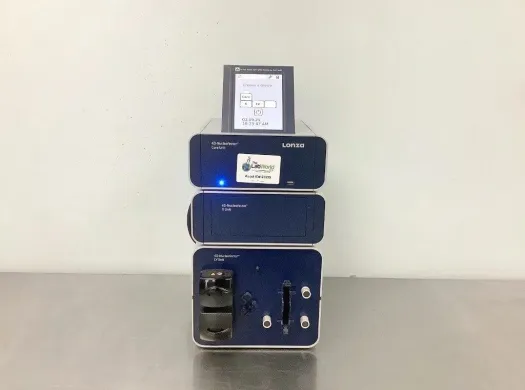
The best-known line is the Nucleofector, including the 4D-Nucleofector, a transfection and electroporation platform for non-viral gene delivery into primary cells, stem cells and cell lines that resist standard methods. This is the equipment that does the transfection work at the heart of gene editing and synthetic biology, delivering nucleic acids into cells where conventional lipofection falls short. The earlier Amaxa systems share that lineage and are still found in laboratories running established protocols. Nucleofector electroporation for primary cells is a mainstay of cell culture and molecular biology workflows, from CRISPR component delivery to transient protein expression.
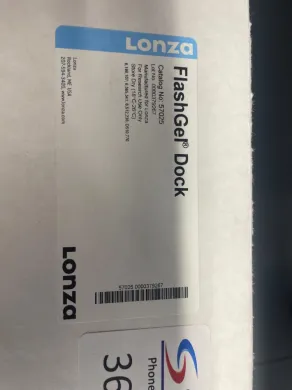
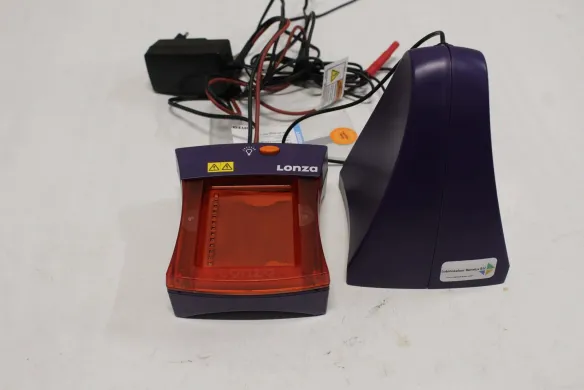
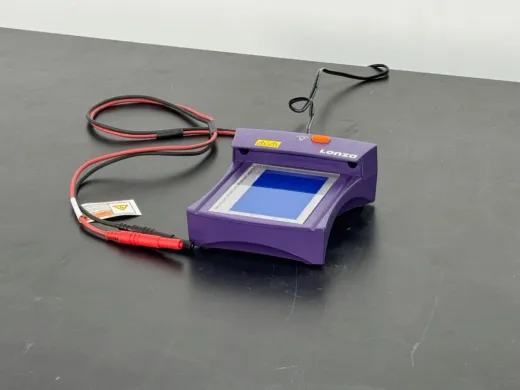
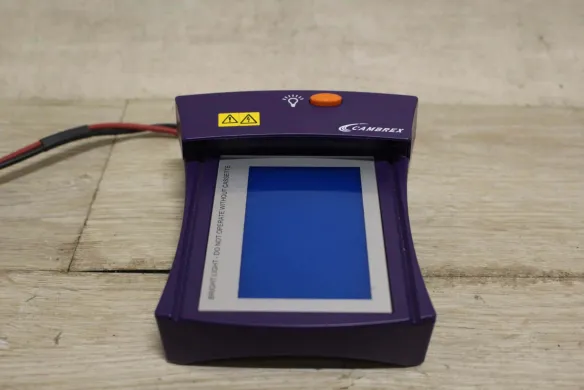
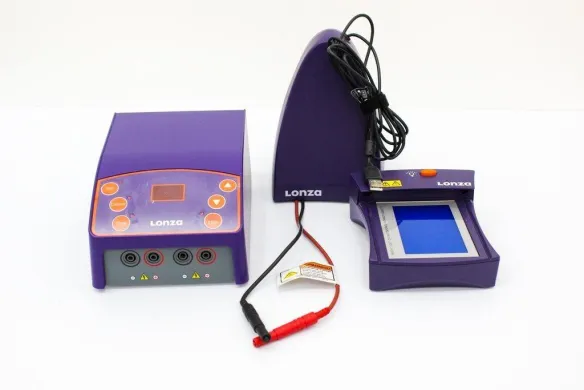
Beyond transfection hardware, Lonza's catalogue has historically included the FlashGel System for rapid nucleic acid electrophoresis, ProSieve reagents, and the Quasi Vivo platform for connected cell culture. On the reagent side, PowerCHO media support cell culture for biomanufacturing and bioprocessing, the production environments where recombinant proteins and biologics are grown. The MODA Paperless QC Micro Solution sits on the quality-control side of microbiology, where environmental monitoring and endotoxin detection underpin biopharmaceutical release testing. Taken as a whole, the range touches transfection, electrophoresis, cell culture and quality control, the recurring steps of a cell and gene therapy manufacturing pipeline.
Much of this equipment is specialised. A Nucleofector is not interchangeable with a general-purpose electroporator, because the protocols, cuvettes and cell-type-specific programs are tied to the platform. That specificity is why the second-hand market for these units exists at all: a laboratory already validated on Nucleofector protocols has strong reasons to stay within the line rather than switch.
What is listed on Questpair?
The Questpair catalogue currently holds 66 Lonza items, offered by 11 verified suppliers and distributors across 5 countries. Among these listings, 100 percent are used. Prices run from EUR 134 to EUR 19.615. The average listing sits around EUR 6.515.
The range is wide because it mixes smaller items and documentation at the lower end with complete transfection and cell biology systems at the upper end. For a buyer, the practical consequence is that configuration matters as much as the headline model name: two listings of the same Nucleofector generation can differ in included modules, cuvette holders and accessories. Reading each listing against the specific protocol it will serve is the way to compare them sensibly.
Where a buyer needs supporting material, documentation and manuals can be requested through Questpair, and specialists respond within one hour. Parts for Lonza equipment can be sourced via Questpair. Warranty is often possible and is arranged in consultation for the specific listing, so the terms attached to a given unit are worth confirming before purchase. The spread of suppliers across several countries gives room to weigh what each seller actually includes before committing to one.
Questpair review of Lonza
Our take based on listings data and supplier feedback
Lonza occupies an unusual position among the makers represented on Questpair. It is better known as a contract development and manufacturing organization than as an instrument brand, yet its cell biology hardware, particularly the Nucleofector and Amaxa transfection lines, has a durable place in molecular biology and cell culture laboratories. The listings reflect that profile: the catalogue is weighted toward transfection and electroporation equipment rather than general benchtop apparatus, which is what a buyer looking for Lonza specifically would expect.
The first point worth examining is the electroporation and transfection focus. The 4D-Nucleofector platform and the earlier Amaxa systems are designed for non-viral gene delivery into primary cells and hard-to-transfect lines, work that sits at the centre of gene editing and synthetic biology protocols. For a laboratory already running Nucleofector protocols, buying a used unit is a way to add capacity or replace an ageing instrument without re-validating an entirely new method. The Questpair catalogue lists 66 Lonza items from 11 verified suppliers and distributors, so there is enough depth to compare configurations rather than take the first match.
The second point is price. Listed Lonza equipment runs from EUR 134 to EUR 19.615. That range is wide because it spans small reagent-adjacent items and documentation at one end and complete transfection or cell biology systems at the other. The average sits around EUR 6.515, which gives a rough sense of where the bulk of the instruments land. Every unit in the current catalogue is second-hand: 100 percent of the listings are used. For a buyer weighing new against used, the clearest difference is price, and used units are listed below new pricing. Where warranty matters, that is arranged in consultation for the specific listing rather than set centrally, so the individual listing is the thing to read.
The third point is sourcing breadth. The Lonza items come from 11 verified suppliers and distributors spread across 5 countries. That matters for an instrument class where shipping, voltage configuration and included accessories vary between sellers. Having several suppliers in different markets means a buyer can weigh what each listing actually includes, a cuvette holder, a particular Nucleofector module, or the matching consumables, rather than accepting whatever a single seller happens to offer.
Taken together, the Lonza listings are a specialist slice rather than a broad catalogue. A general cell biology laboratory may find only part of what it needs here, but a laboratory committed to Nucleofector-based transfection has a genuine second-hand market to work with. The depth is adequate for comparison, the pricing is transparent through the listing itself, and the supplier spread gives room to check configuration before committing. Buyers should read each listing closely for condition, included modules and the warranty terms attached to that particular unit, since those are where the real differences between otherwise similar instruments appear.
**Electroporation and transfection focus**
Lonza's Nucleofector and Amaxa product lines are built for non-viral gene delivery, and the Questpair catalogue carries 66 Lonza items from 11 verified suppliers and distributors.
**Second-hand pricing across a wide range**
Listed Lonza instruments span from EUR 134 to EUR 19.615, with an average around EUR 6.515, covering both benchtop transfection units and larger cell biology systems.
**Supplied across multiple European countries**
Lonza equipment on Questpair is offered by verified suppliers and distributors in 5 countries, giving buyers a spread of sourcing options within Europe.
Frequently asked questions
Where can I find manuals and documentation for a Lonza Nucleofector or other instrument?
Documentation requests go through Questpair, and specialists respond within an hour. Tell them the exact model and configuration so the right manual or software version is matched to your unit.
How much does Lonza equipment cost on the used market?
Across the Lonza listings on Questpair, prices range from EUR 134 to EUR 19.615, with an average around EUR 6.515. Where a listing falls depends on whether it is a small reagent or documentation item or a complete transfection platform with accessories.
What is the difference between refurbished and used Lonza instruments?
A used unit is sold in its working condition as described, while a refurbished unit has been checked and restored to a defined standard. Both are listed below the price of new equipment, so read each listing for its stated condition and included accessories.
Is there a warranty on a used Lonza transfection system?
A warranty is often possible and is arranged in consultation for the specific listing. Questpair does not apply a central warranty policy, so the terms are tied to the individual unit.
Are these Lonza instruments suitable for clinical or research use?
The Nucleofector and Amaxa platforms are built for gene delivery into primary cells, stem cells and immune cells, which are common requirements in research and in cell and gene therapy work. Check the configuration and software version in the listing against the protocol your lab runs, since used units vary in setup.
How long does a Lonza Nucleofector last?
Electroporation hardware like the Nucleofector is built for repeated laboratory use over many years when maintained. Lifespan on a used unit depends on prior usage and condition, both of which should be confirmed from the individual listing.
Can I get spare parts for Lonza instruments?
Parts can be sourced via Questpair. Provide the model and the part you need so suppliers can match it to the correct system.
What are the alternatives to a Lonza electroporation system?
Other electroporation and transfection platforms serve the same gene delivery step, and the distinction between them is which cell types they handle and whether they use cuvette-based or cartridge-based delivery. The Nucleofector line is used where lipid-based transfection struggles with primary and immune cells, so compare a given alternative on its performance with your specific cell type.
What is the lead time on a used Lonza unit?
Lead time depends on the supplier holding the item and its location, since the Lonza listings come from 11 suppliers across 5 countries. The individual listing and the supplier response give the dispatch timing for that specific unit.
What is the difference between parts and spares when ordering?
In practice the two terms describe the same thing: components ordered separately from the complete instrument, whether a consumable or a replacement module. Both can be sourced via Questpair when you specify the model and the item.
Can Lonza equipment be shipped internationally?
The Lonza listings come from verified suppliers and distributors across 5 countries, so cross-border shipping is common. Confirm the shipping arrangement and any import handling with the supplier for the specific listing.
Which Lonza product lines exist and how do they differ?
The transfection and electroporation lines are the Nucleofector, including the 4D-Nucleofector, and the earlier Amaxa systems, all used for gene delivery into living cells. Beyond those, the catalogue has carried the FlashGel System for nucleic acid electrophoresis, the ProSieve reagent line, the Quasi Vivo connected cell culture platform, PowerCHO media for CHO cell bioprocessing, and the MODA Paperless QC Micro Solution for quality-control microbiology.
Which Lonza instrument types are actually listed here and in what condition?
The Lonza listings are led by transfection and electroporation systems, described as electroporation systems, cell transfection devices, gene delivery systems, molecular biology equipment and biotechnology instruments. All 66 items are listed used, with 100 percent in used condition.
What separates the cheapest Lonza listings from the most expensive?
The lower end is made up of smaller reagent and documentation items, while the upper end is complete transfection platforms with their accessories and current software. The system itself and its condition set where a listing sits between EUR 134 and EUR 19.615, not the average.
About Questpair
Questpair is the European marketplace for lab equipment, where AI-prepared cases and personal specialists guide every purchase. We work with 247 verified suppliers across 38 countries to find buyers the right used, refurbished or new instruments, with response within 1 hour and significant savings vs buying new.
Personal · Fast · Reliable · Affordable