
Euromex equipment
We personally find you the right new, used & refurbished Euromex instruments & equipment from verified suppliers
Euromex Microscopen BV is a Dutch optical microscope and optical instrument manufacturer established in 1966 in Arnhem, the Netherlands, and now headquartered in Duiven. The company produces biological, stereo, inverted, digital, phase contrast, fluorescence, and polarization microscopes, along with microscope cameras and microscopy accessories under lines such as iScope, bScope, Oxion, and the Delphi-X Observer. These instruments serve teaching laboratories, clinical benches, and research groups across cell biology and histology. On Questpair, 69 Euromex listings are available from 5 verified suppliers and distributors across 4 countries, with prices ranging from EUR 50 to EUR 12.747.
Updated:
Euromex product list
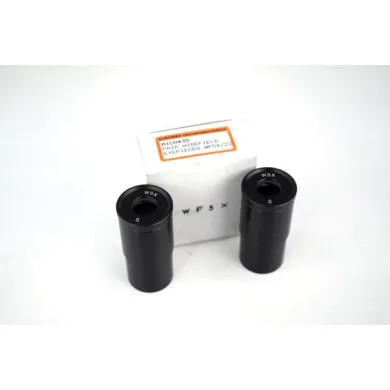
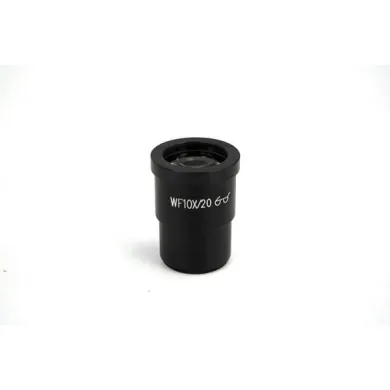
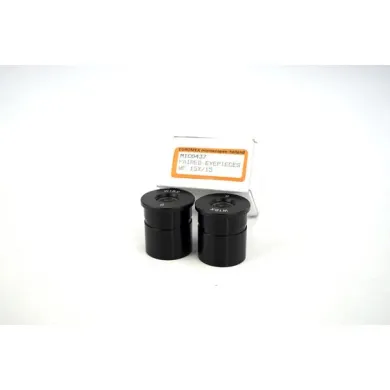
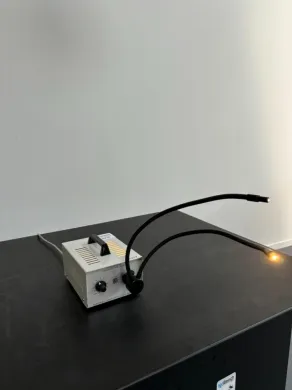
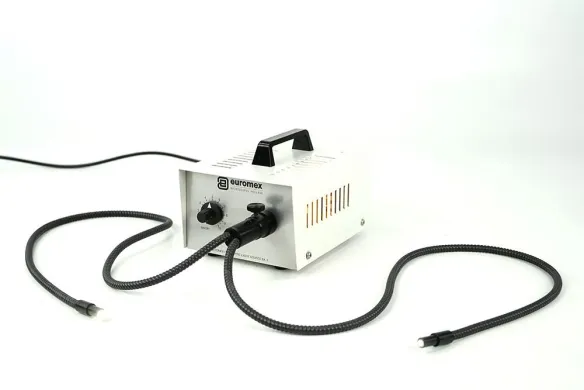


Not the exact instrument you need?
Tell our scientists what you are after. We track it down, including off-market supply.
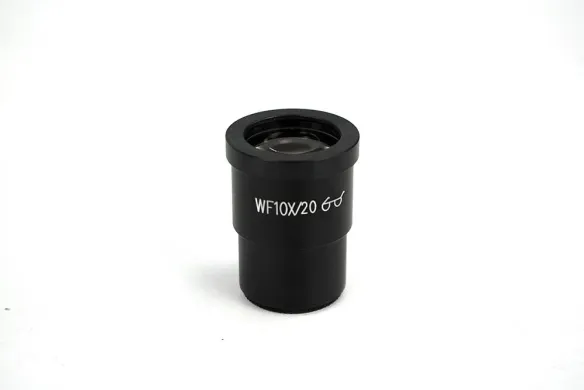
WF10X/20 Widefield Eyepieces
- Category
- Microscope accessories
- Brand
- Euromex
- Suppliers
- 1 verified
Not the exact instrument you need?
Tell our scientists what you are after. We track it down, including off-market supply.
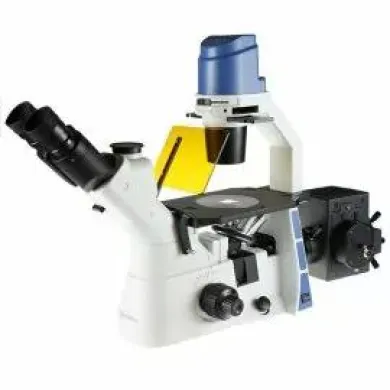
Showing 1–40 of 82 listings
Show 40 more listingsAbout Euromex
Euromex Microscopen BV is a Dutch optical microscope and optical instrument manufacturer founded in 1966 in Arnhem, the Netherlands. The company is now headquartered in Duiven. Its catalogue spans biological microscopes, stereo microscopes, inverted microscopes, digital microscopes, phase contrast microscopes, fluorescence microscopes, and polarization microscopes, together with microscope cameras and microscopy accessories. These instruments are built for education, clinical laboratories, and research groups, and the brand is known for layering its ranges from teaching stands up to research-grade systems. Microscopy itself underpins cell biology, histology, and microbiology, which is where much of this equipment is used day to day. On Questpair, Euromex appears across both new and used listings.
Euromex microscope series on Questpair
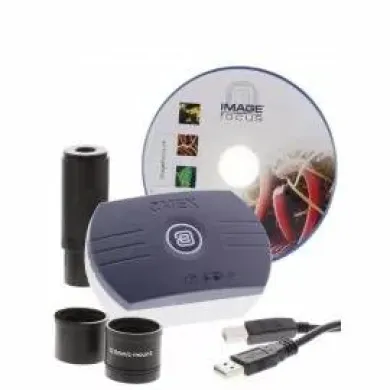
The product lines fall into recognisable tiers. The BioBlue, EcoBlue, EduBlue, and MicroBlue families are the teaching and routine stands, built for durability and simple handling in classrooms and general laboratories. The bScope and iScope sit in the routine-to-advanced range, with the iScope offering modular configuration for clinical and laboratory work. At the research end are the Oxion and Oxion Inverso, the latter an inverted stand, and the Delphi-X Observer, which supports fluorescence and more demanding imaging. For stereo work the NexiusZoom EVO, NexiusZoom ESD, StereoBlue, and MacroZoom cover dissection, inspection, and low-magnification tasks. Digital imaging runs through the CMEX and CMEX Pro camera lines, which mount onto the stands the company already builds.
What these microscopes do in the life sciences
An optical microscope is the core tool of cell biology, and Euromex builds stands across the configurations that field needs. Biological microscopes with brightfield optics carry routine cell culture observation and tissue examination, while the phase contrast models make unstained living cells visible, a requirement in cell culture monitoring and microbiology. Fluorescence microscopes such as the Delphi-X Observer support immunofluorescence and cell imaging, where a labelled target is excited and its emission read through a filter cube. Polarization microscopes serve materials examination and certain histology stains. Inverted stands like the Oxion Inverso are the format used for observing cells in culture flasks and dishes, which is standard practice in molecular biology and cell culture laboratories. Stereo microscopes are also used for sample preparation, dissection, and specimen sorting ahead of downstream analysis. Across these configurations the common thread is optical observation of biological material, from a teaching slide to a fluorescence experiment.
Euromex on the Questpair catalogue
The Questpair catalogue for Euromex holds 69 listings from 5 verified suppliers and distributors across 4 countries. Of these, 77 percent of the listings are used. Prices run from EUR 50 to EUR 12.747. The average listing price is EUR 2.454. Because optical instruments retain their value when the optics and mechanics are sound, the used supply gives access to research-tier stands at prices a new purchase would not reach, while new stock remains available for buyers who prefer it. When weighing a new unit against a used one, the practical difference recorded on the marketplace is price, so the choice comes down to the condition described in the individual listing. Where a warranty is wanted, it is arranged in consultation for the specific listing. Where an imaging component or accessory is needed, parts can be sourced via Questpair. For buyers comparing configurations, the listing is the place to check which condenser, filter cube, camera, or illumination path is actually fitted, since these determine whether a given stand suits brightfield, phase contrast, or fluorescence work.
Questpair review of Euromex
Our take based on listings data and supplier feedback
Euromex occupies a position that is unusual for an optical maker of its size: it builds across almost the full width of the discipline rather than specialising in one type of stand. The Questpair catalogue reflects this, listing biological, stereo, inverted, phase contrast, fluorescence, and polarization instruments under the same brand. For a laboratory standardising on one supplier, that breadth has a practical consequence, because objectives, cameras, and accessories carry across the ranges rather than being locked to a single series. The CMEX and CMEX Pro camera families attach to the microscopes the company already sells, which keeps a digital imaging setup within one ecosystem.
The second thing worth weighing is the split between education-tier and research-tier lines. The BioBlue, EduBlue, EcoBlue, and MicroBlue stands are built for teaching and routine work, where durability and simple operation matter more than high numerical aperture. At the other end sit the Oxion, Oxion Inverso, and Delphi-X Observer, designed for fluorescence and more demanding cell imaging. A buyer who understands this layering can avoid two common mistakes: paying research prices for a teaching bench, or buying a teaching stand and then finding it cannot carry the phase contrast or fluorescence path a protocol requires. The iScope sits between these tiers as a modular routine microscope, which is why it appears often in clinical and laboratory settings.
On availability, the condition split is the main point of interest. Of the Euromex listings on Questpair, 77 percent are used. That share matters because optical microscopes age slowly when the optics are intact, so a used stand from a maker with a long production history is often a sound purchase rather than a compromise. The catalogue still carries new stock alongside the used supply, so a buyer comparing a new Oxion against a used one is weighing price against the condition described in the specific listing rather than against a fixed trade-off. Prices across the Euromex listings run from EUR 50 to EUR 12.747. The average sits at EUR 2.454.
Where a buyer should read the listing carefully is on the imaging configuration. A fluorescence or phase contrast setup depends on the filter cube, the condenser, and the illumination fitted to that particular unit, and two stands of the same model can differ substantially on these points. The listing describes what is actually mounted, which is the detail that separates a working research instrument from a stand that needs parts added. Where a part is needed, it can be sourced via Questpair. Taken together, Euromex offers a coherent range with a clear tier structure, and the used supply on the marketplace makes the research-tier lines reachable at prices a new purchase would not allow.
**Breadth across microscopy types**
Euromex produces biological, stereo, inverted, digital, phase contrast, fluorescence, and polarization microscopes, which means a single maker covers teaching benches, routine clinical work, and specialised research setups.
**Education-tier and research-tier lines coexist**
The product range runs from entry-level BioBlue and EduBlue stands to the Delphi-X Observer and Oxion research series, so a buyer can match the instrument to the task rather than overbuying.
**Strong used supply on Questpair**
Of the Euromex listings on Questpair, 77 percent are used, which gives buyers access to instruments at prices below new while the catalogue still carries new stands.
Frequently asked questions
Where can I find manuals and documentation for a Euromex microscope?
Documentation is tied to the specific model, so the quickest route is to contact Questpair about the listing you are looking at. Specialists respond within an hour.
How much does a Euromex microscope cost?
On Questpair prices range from EUR 50 to EUR 12.747, with an average of EUR 2.454. Where a stand falls in that range depends on the series, the optics configuration, and whether the unit is new or used.
What's the difference between a refurbished and a used Euromex unit?
Both are listed below new prices on Questpair, and the practical distinction is the condition described in the individual listing. Check the listing for what has been checked, cleaned, or replaced on that particular stand.
Is a warranty included with a Euromex microscope?
A warranty is often possible and is arranged in consultation for the specific listing. Terms are not set centrally, so confirm them against the unit you intend to buy.
Are Euromex microscopes suitable for clinical and research work?
Yes. The iScope and bScope cover routine clinical and laboratory use, while the Oxion, Oxion Inverso, and Delphi-X Observer sit at the research end, the latter supporting fluorescence and more demanding imaging.
How long does a Euromex microscope last?
Optical microscopes hold up for many years when the optics and mechanics stay sound, which is why research-tier stands appear on the used market at all. Lifespan on any individual unit depends on how it was handled and maintained, details the listing should describe.
Can I get spare parts for a Euromex microscope?
Parts and imaging components can be sourced via Questpair. Which part fits depends on the exact model and configuration, so reference the stand you have when enquiring.
What are good alternatives to Euromex microscopes?
The alternative depends on the format you need: for biological brightfield, phase contrast, fluorescence, stereo, or inverted work, other optical microscope makers build comparable tiers. Compare on the optics path and the specific configuration fitted rather than on brand alone, since that determines whether a stand suits brightfield, phase contrast, or fluorescence.
What is the lead time on a Euromex microscope?
Lead time depends on the individual listing and the supplier holding it, since stock and location vary across 5 suppliers and distributors in 4 countries. The listing or a quick enquiry through Questpair gives the timeframe for that specific unit.
What is the difference between parts and spares when ordering?
In practice they refer to the same thing: components such as condensers, filter cubes, cameras, or illumination parts for an existing stand. All of these can be sourced via Questpair against the model you hold.
Can a Euromex microscope be shipped internationally?
Listings come from suppliers and distributors across 4 countries, so cross-border shipping is common. Arrangements and costs depend on the supplier and the destination, which you confirm per listing.
What product lines does Euromex make and how do they differ?
The BioBlue, EcoBlue, EduBlue, and MicroBlue families are teaching and routine stands; the bScope and iScope sit in the routine-to-advanced range, with the iScope modular for clinical and laboratory work. The Oxion, Oxion Inverso, and Delphi-X Observer are research-grade, the NexiusZoom EVO, NexiusZoom ESD, StereoBlue, and MacroZoom cover stereo and low-magnification tasks, and the CMEX and CMEX Pro are the digital camera lines.
Which types of Euromex instruments are listed here and in what condition?
The Questpair catalogue holds 69 Euromex listings, commonly trinocular microscopes, LED illuminated microscopes, educational microscopes, optical microscopes, binocular microscopes, and mechanical stage microscopes. Of these, 77 percent are used, with new stock making up the rest; the exact state of any unit is given in its listing.
What separates the cheapest Euromex listings from the most expensive?
The lower end covers teaching and routine stands such as the BioBlue and EcoBlue, usually binocular with brightfield optics, while the higher end covers research configurations like the Oxion and Delphi-X Observer with phase contrast, fluorescence, or camera paths fitted. Condition plays into it too, since used units sit below new across the EUR 50 to EUR 12.747 range.
About Questpair
Questpair is the European marketplace for lab equipment, where AI-prepared cases and personal specialists guide every purchase. We work with 247 verified suppliers across 38 countries to find buyers the right new, used or refurbished instruments, with response within 1 hour and significant savings vs buying new.
Personal · Fast · Reliable · Affordable