
Medical Imaging
We personally find you the right new, used and refurbished medical imaging instruments & equipment from verified suppliers.
Imaging work turns the inside of a patient into something a clinician can read, and the choice of modality is dictated by what has to be seen: soft tissue, bone, blood flow, or a lesion measured in millimetres. A department rarely runs on one machine. A fracture clinic leans on x-ray while an oncology service combines CT with ultrasound follow-up, and each modality carries its own siting, shielding and throughput demands. Questpair lists 1065 items across this field from 66 verified suppliers and distributors in 49 countries. The spread runs from a single transducer to a complete scanner, so what a buyer weighs depends entirely on which part of the diagnostic chain they are equipping.
Updated:
Medical Imaging product list


Not the exact instrument you need?
Tell our scientists what you are after. We track it down, including off-market supply.

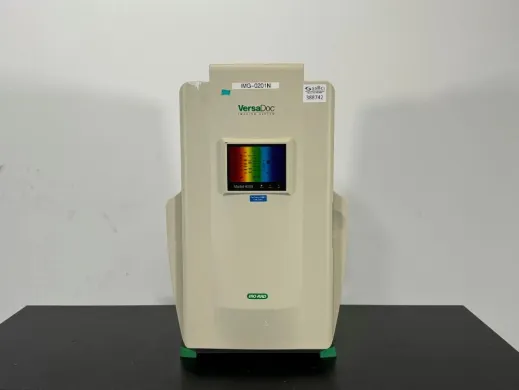
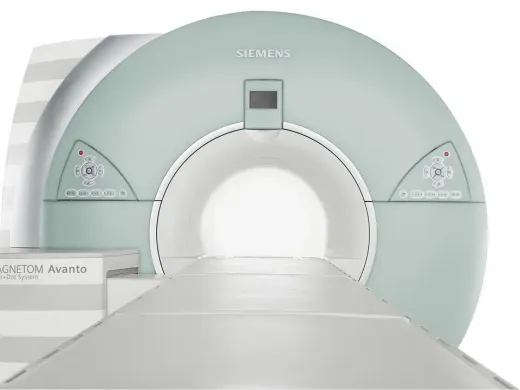
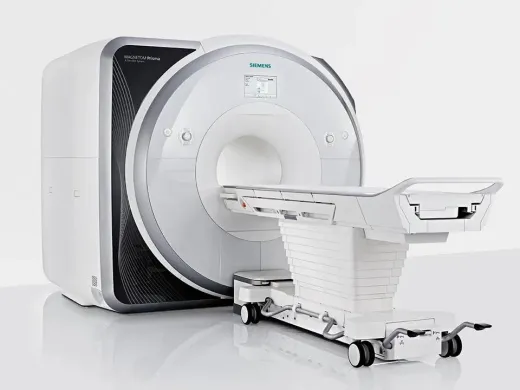
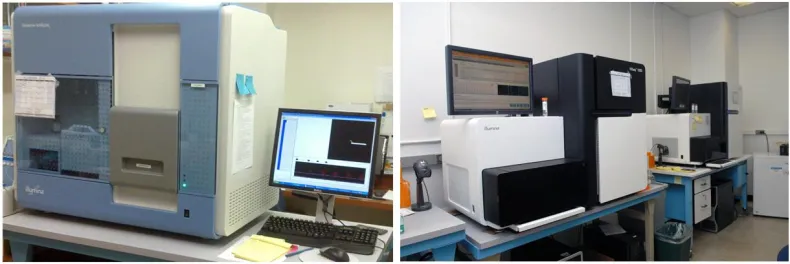
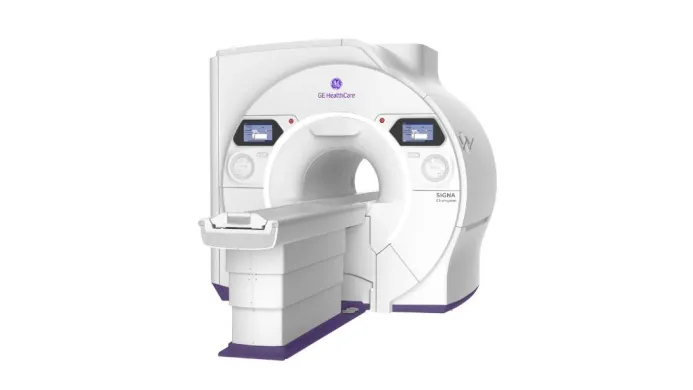
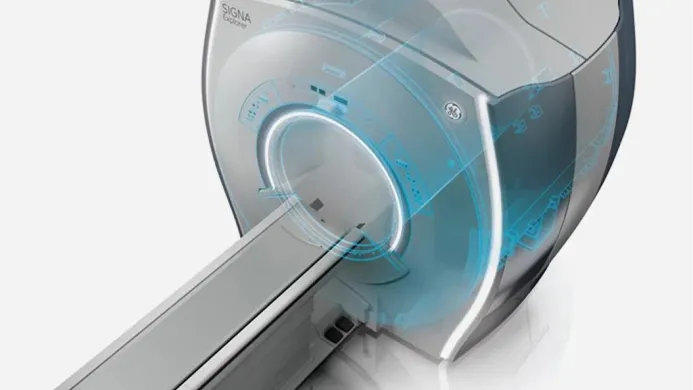
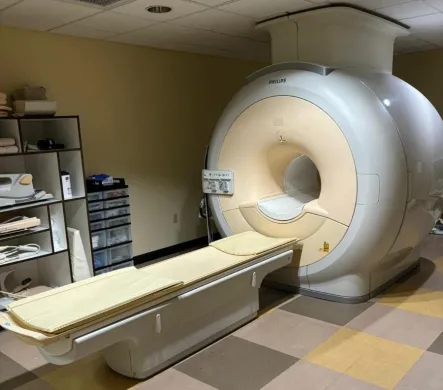
Not the exact instrument you need?
Tell our scientists what you are after. We track it down, including off-market supply.
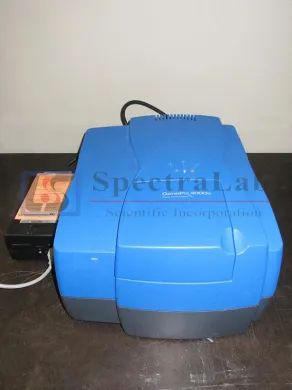
Showing 1–40 of 357 listings
Show 40 more listingsBuying guide
Price across this field is the widest of any single category, because the listings run from a bare accessory to a complete cross-sectional scanner. At the low end, under EUR 32, sit the consumables and single components: a transducer, a cable, a detector part. The high end, up to EUR 266.971, belongs to the scanners that define the modality, a CT or MRI system where the magnet, the gantry and the reconstruction hardware are the cost. Most of the money in medical imaging is in those cross-sectional machines, and a buyer equipping a radiography or ultrasound service sits far below that ceiling.
Prices run from EUR 32 to EUR 266.971.
Condition is the other axis. 99 percent of the listings are used. Used and refurbished units are listed below the price of new, and on equipment at this scale that difference is substantial, which is what makes the second-hand market for imaging systems as active as it is. Where a buyer is weighing a used scanner against a new one, warranty is arranged in consultation for the specific listing rather than set centrally, so the individual listing is where that question is settled.
Parts can be sourced via Questpair, and the same route covers manuals and documentation, with specialists responding within the hour. For imaging equipment, where a legacy system often outlives its original support window, that matters: a working scanner held back by a missing probe or an undocumented interface can be brought back into service through the catalogue rather than retired.
Types of Medical Imaging
Medical imaging is not one workflow but a set of modalities, each answering a different clinical question, and the equipment that follows splits along those lines: x-ray and C-arm systems for bone and intervention, CT and MRI scanners for cross-sectional detail, ultrasound and its transducers for real-time soft-tissue work, and the specialised lines of angiography and mammography. The listings below are organised by modality rather than by a single sequence, because a hospital assembles them according to the services it offers. These are the classes of work this field divides into, and the equipment each one leans on.
Which modality answers which clinical question?
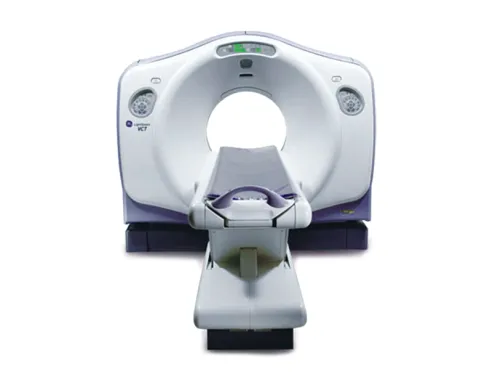
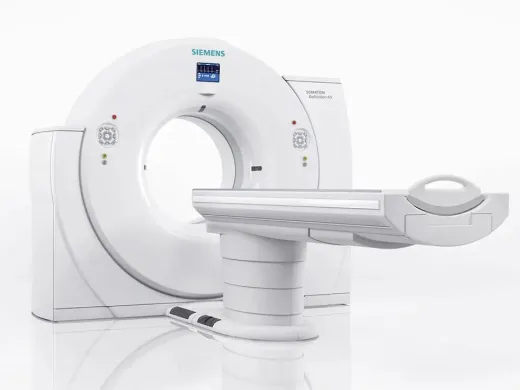
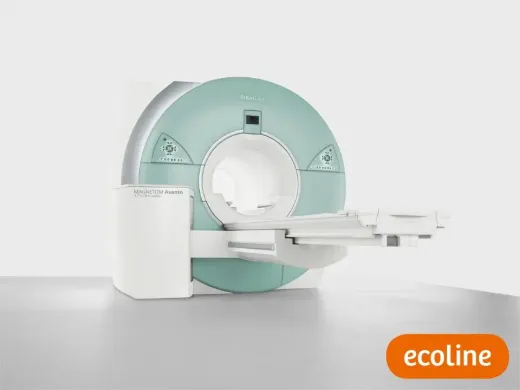
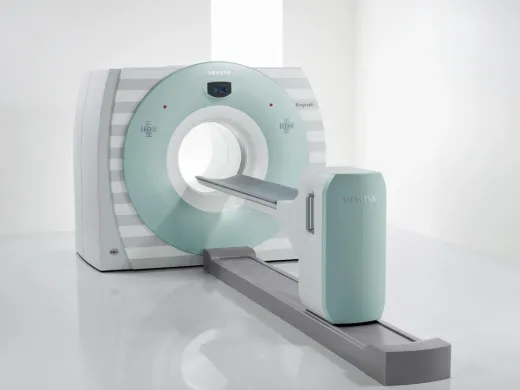
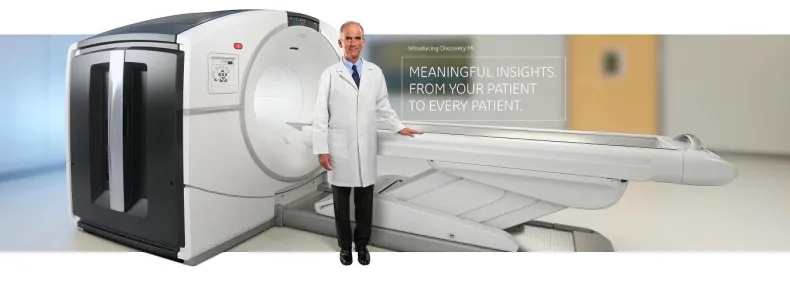
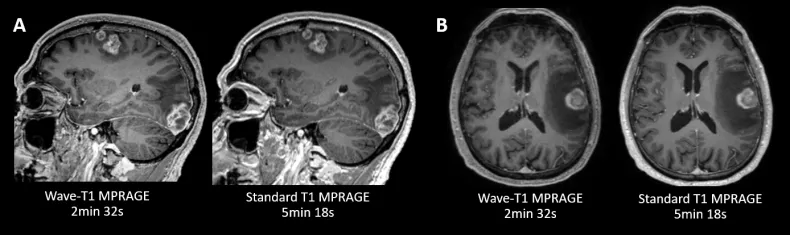
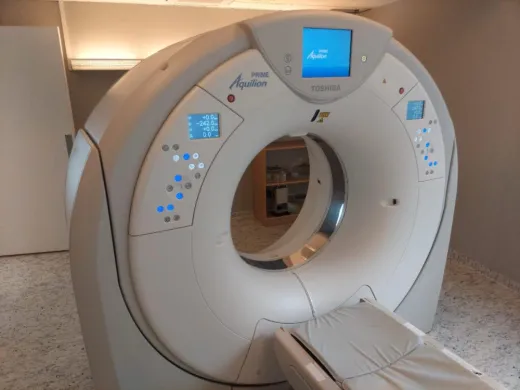
The starting point is physics, not preference. Projection radiography, the plain x-ray, passes radiation through the body onto a detector and is read for bone and gross structure; it is fast, cheap to run and the backbone of trauma and chest work. Computed tomography takes the same principle and reconstructs it into slices, so a CT scanner resolves overlapping anatomy that a flat image cannot separate. Magnetic resonance uses no ionising radiation at all, relying instead on a strong field to image soft tissue with a contrast that CT cannot match, which is why neurology and musculoskeletal work reach for it. Ultrasound sits apart again: it is real-time, portable and radiation-free, and the information lives as much in the transducer as in the console. A department chooses among these by the tissue in question and the dose it can justify, and that choice drives everything downstream, from the room it occupies to the staff who run it.
How the intervention and screening lines differ
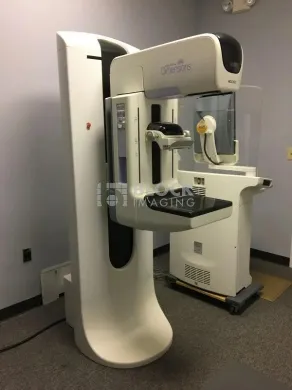
Two of the categories here are not general-purpose scanners but modalities built around a single task. A C-arm is a mobile x-ray unit shaped to swing around a patient on a table, used live during surgery and intervention where the surgeon needs to see where an instrument sits in real time. Angiography systems extend that idea to the vasculature, acquiring a rapid sequence as contrast passes through the vessels, and the fixed angiography suite is among the most equipment-dense rooms in a hospital. Mammography is the other specialist: a dedicated low-dose x-ray system optimised for breast tissue, with compression and geometry that no general radiography unit replicates. These lines share the physics of x-ray but almost none of the siting or clinical use, which is why they appear as separate categories rather than variants of one.
What the ultrasound listings actually contain
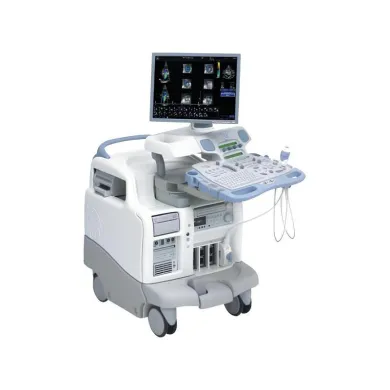
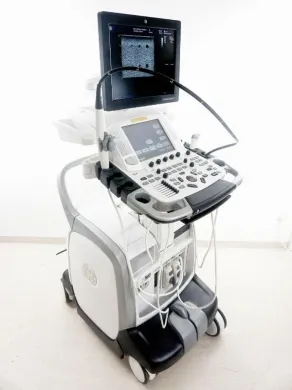
Ultrasound is the modality where the buyer has to look past the console. The imaging quality of a scanner depends heavily on the transducer, the hand-held probe that both emits and receives, and a single system may carry several: a curved-array probe for abdominal depth, a linear probe for superficial vascular work, a phased-array probe for cardiac scanning between the ribs. That is why transducers are listed in their own right alongside complete systems. A department replacing a worn probe, or extending an existing scanner to a new application, is buying the transducer and not the machine. Checking which probes a listed system includes, and which connector family it uses, is the step that decides whether a unit fits the work on day one or needs a separate acquisition to become useful.
Frequently asked questions
What equipment do you need at minimum to start an imaging service?
The floor depends on the modality: a plain radiography service needs an x-ray generator and a detector, while an ultrasound service needs a console and at least one transducer matched to the clinical work. A single console or a bare transducer sits at the low end of the listings here, under EUR 32, so the entry point is set by which part of the diagnostic chain you are equipping rather than by one fixed kit.
Which step is the most expensive to set up?
The cross-sectional scanners, CT and MRI, carry the bulk of the cost, with listings running up to EUR 266.971 because the magnet, the gantry and the reconstruction hardware are themselves the expense. Beyond the machine, siting is where an MRI in particular drains the budget: a shielded room, the magnet environment and the services around it add cost that a radiography or ultrasound install never incurs.
What imaging equipment can be bought used and what is better new?
Complete scanners, C-arms and consoles hold up well on the second-hand market, which is why the used trade in imaging systems is active, and 99 percent of the listings here are used. Transducers and detectors are the components to inspect most closely before buying used, since a worn probe degrades image quality directly; where you weigh used against new, used and refurbished units are listed below the price of new, and warranty is arranged in consultation for the specific listing.
What has to match between the scanner and its transducers?
The connector family is the hard constraint: a transducer only works on a console that accepts its connector, so a probe bought for one system may not plug into another. Match the probe type to the work as well, a curved array for abdominal depth, a linear probe for superficial vascular, a phased array for cardiac, and check which probes a listed system already includes before assuming it is ready on day one.
Roughly what does a complete imaging setup cost?
Across this field prices run from EUR 32 to EUR 266.971, so the answer depends entirely on the modality. An ultrasound or radiography service sits well below the top of that range, while a CT or MRI install reaches toward the ceiling once the scanner, siting and shielding are counted together.
Where does cutting the budget cost you later?
On ultrasound, saving on transducers is the common trap: the image quality lives as much in the probe as in the console, and a cheap or worn transducer limits what the system can resolve regardless of the machine behind it. Skimping on siting for a fixed system is the other one, since shielding and room services are far harder to add after installation than to build in from the start.
Which imaging equipment is shared across different clinical services?
A C-arm is the clearest crossover, since the same mobile x-ray unit serves orthopaedic theatre, vascular intervention and pain procedures. Ultrasound consoles also move between departments when the transducer is swapped, one platform covering abdominal, vascular and cardiac work if it carries the right probes, which is why probe compatibility decides how widely a single console earns its place.
What should I check on used imaging equipment before buying?
Confirm the included transducers or detectors and their condition, the connector family, and whether the software and interfaces are documented, since a legacy system held back by a missing probe or an undocumented interface needs a separate acquisition to run. If documentation is absent, manuals can be requested through Questpair, where specialists respond within the hour, and missing parts can be sourced through the same route.
About Questpair
Questpair is the European marketplace for lab equipment, where AI-prepared cases and personal specialists guide every purchase. We work with 247 verified suppliers across 38 countries to find buyers the right new, used or refurbished instruments, with response within 1 hour and significant savings vs buying new.
Personal · Fast · Reliable · Affordable