

General testing and measurement equipment
We personally find you the right used, refurbished and new general testing and measurement equipment from verified suppliers.
General testing and measurement equipment is the class of instruments that supply, regulate, monitor and quantify the physical conditions of an experiment or a bench process, from electrical power to temperature, airflow and particle count. The group gathers the supporting hardware a laboratory runs on rather than any single analytical technique, which is why it spans power supplies, meters, environmental chambers and calibration gear in one place. Across the Questpair catalogue it is one of the broadest categories, with 4204 listings from 25 verified suppliers and distributors. New, used and refurbished units all appear, and 93 percent of those listings are used. Prices run from EUR 1 to EUR 172.178.
Updated:
General testing and measurement equipment product list


Not the exact instrument you need?
Tell our scientists what you are after. We track it down, including off-market supply.
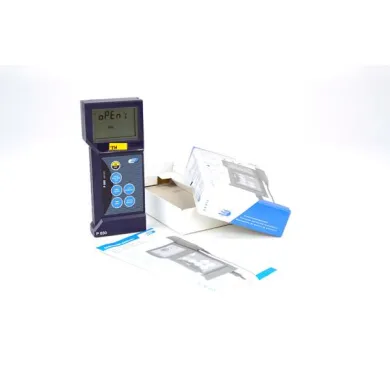
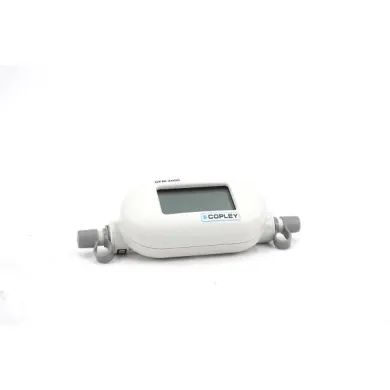
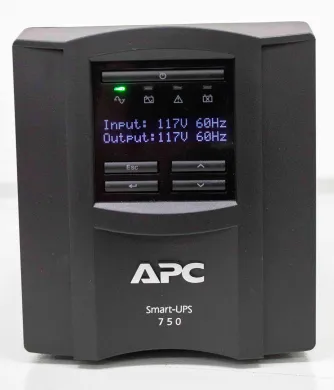
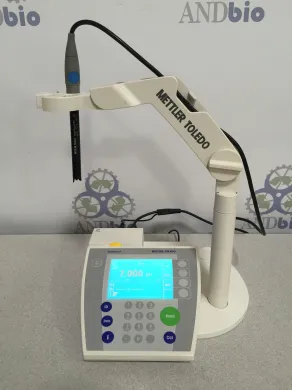
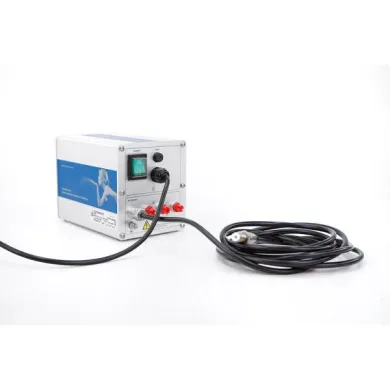
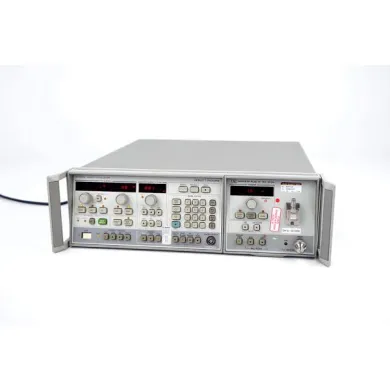
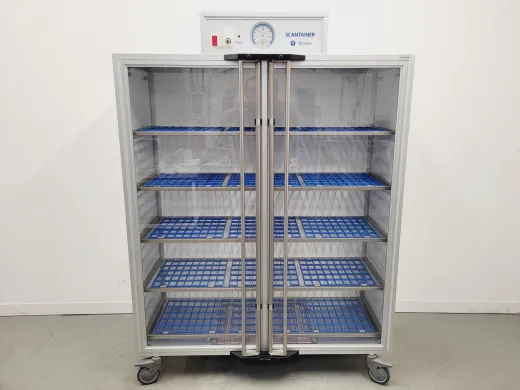
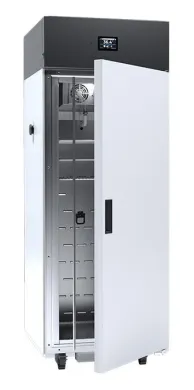
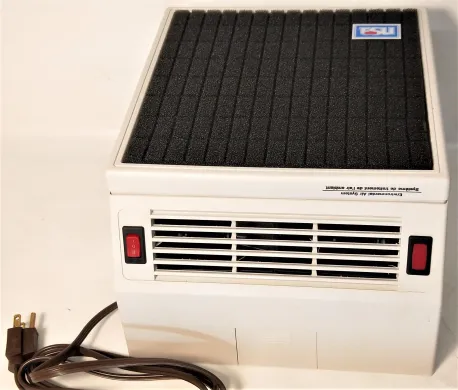
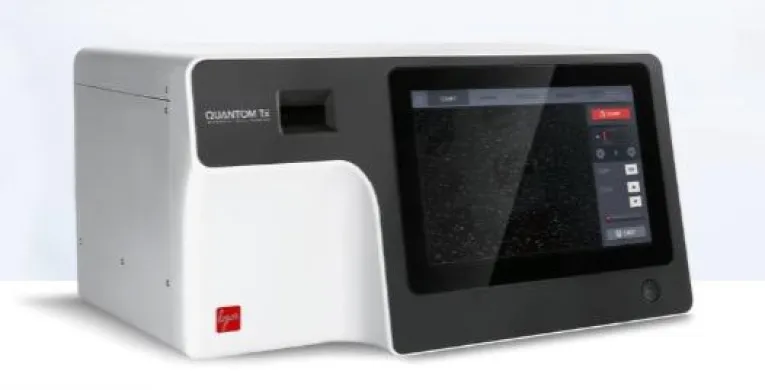
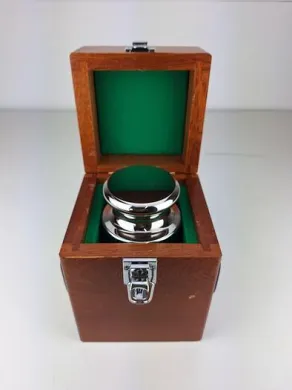
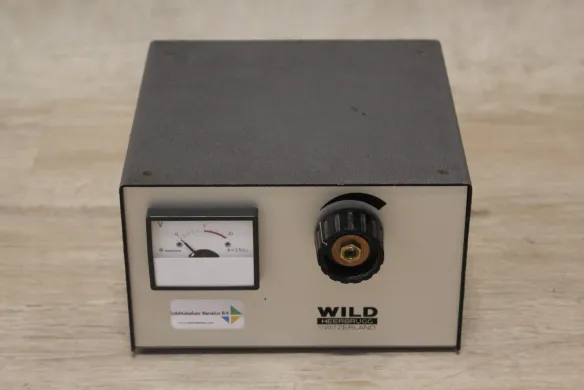
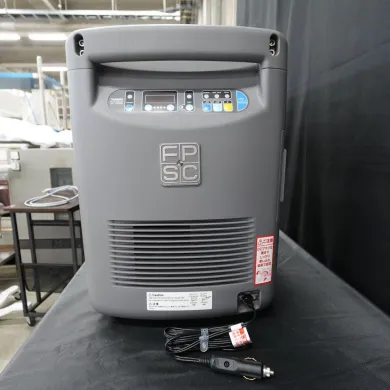
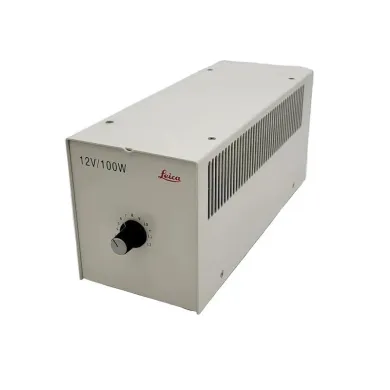
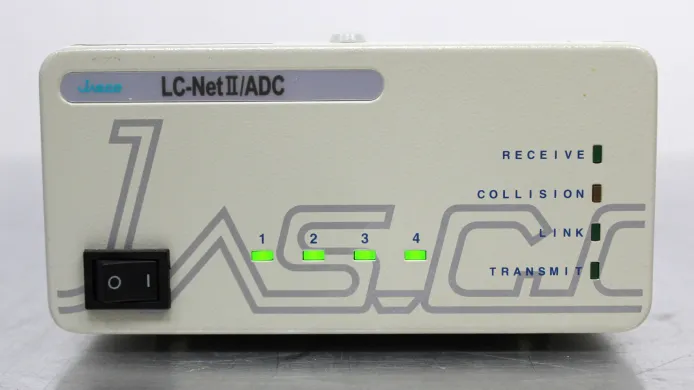
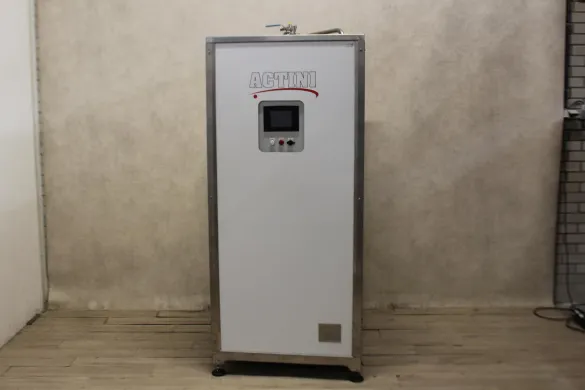
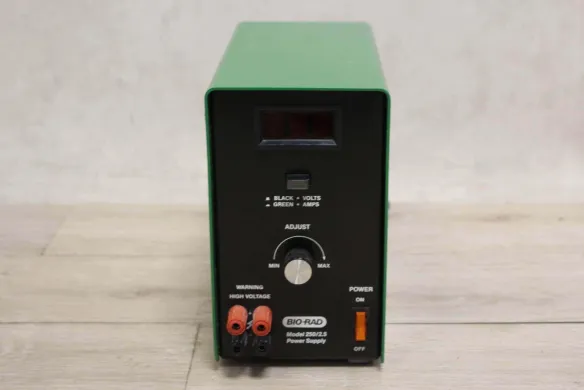
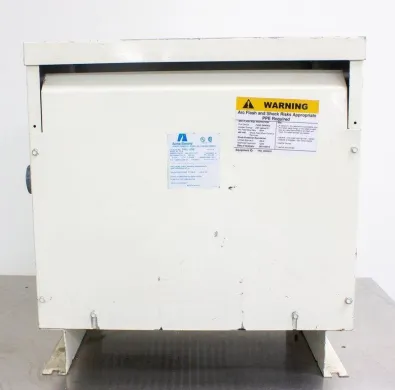
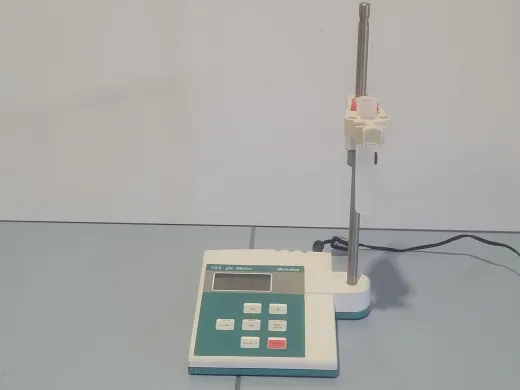
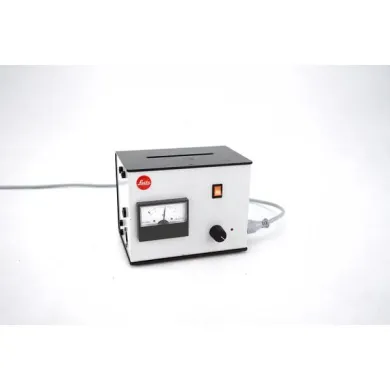
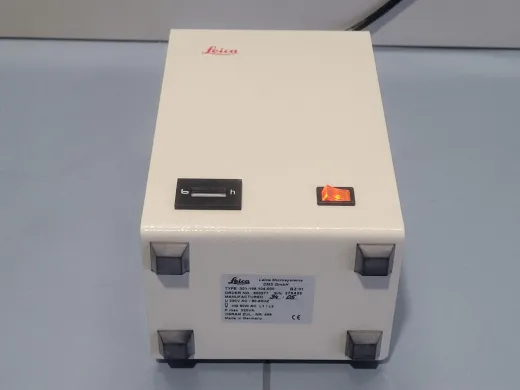
Leica Leitz Microscope Light Source Power Supply
- Category
- Microscopes
- Brand
- Leica
- Suppliers
- 1 verified
Not the exact instrument you need?
Tell our scientists what you are after. We track it down, including off-market supply.
Showing 1–40 of 2,447 listings
Show 40 more listingsBuying guide
The deciding specification here is not shared across the category, because the equipment is not one thing. What settles the choice depends on the instrument in front of you, and that is the first judgement to make. A bench power supply is fixed by its output: the voltage and current range it covers, whether that output is regulated under load, and whether it holds steady at the ripple a sensitive circuit can tolerate. An environmental chamber is fixed by its working volume and the temperature and humidity band it reaches and holds. A meter is fixed by its measuring range and its resolution at the low end of that range. Read the datasheet for the number that bounds your work, and treat everything else on it as secondary.
Condition carries more weight in this category than in most, because 93 percent of listings are used and much of this equipment ages in ways that matter. A power supply that has run hot for years may no longer regulate cleanly at its rated output; an environmental chamber depends on seals, a compressor and a controller that all wear; a meter drifts. On a used unit, ask when it was last verified against a known reference, whether the controller firmware is intact, and whether any consumable part, a seal, a sensor, a fan, has been replaced. A calibration certificate, where one exists, tells you the unit measured true at a recent date. Where one does not, budget for verification before the instrument goes into work that depends on its reading.
Price spans a wider gap here than almost anywhere, from EUR 1 to EUR 172.178. That range covers a simple handheld thermometer at one end and a large programmable chamber at the other, so the figure that fits a budget is the one for the specific subtype you need, not the category average. Used and refurbished units are listed below the cost of new, which is where most of the saving on this equipment sits. The brands that recur, APC, Thermo Scientific, Thermo Fisher Scientific, Mettler Toledo, Bio-Rad, anchor the mid and upper bands and are the easiest to compare model for model, since their datasheets are public and parts for them are the most widely available. When a unit is affordable mainly because it is old, weigh that against the verification it will need before it earns its place on the bench.
Types of General testing and measurement equipment
Power supplies
Among the listings that specify a type, power supplies are the largest group. These are bench and rack units that deliver a regulated voltage and current to a circuit under test, holding the output steady as the load changes. What separates one from another is the output envelope: the voltage and current it covers, how many independent channels it offers, and whether it is linear, for low noise, or switching, for higher power in a smaller case. Electronics and electrophysiology labs reach for the quiet linear units; a workshop powering motors or heaters takes the switching ones. In molecular biology this class drives electrophoresis, where a controlled constant-voltage or constant-current supply sets the migration of DNA, RNA and protein through a gel, and the output stability decides how cleanly the bands resolve.
Meters
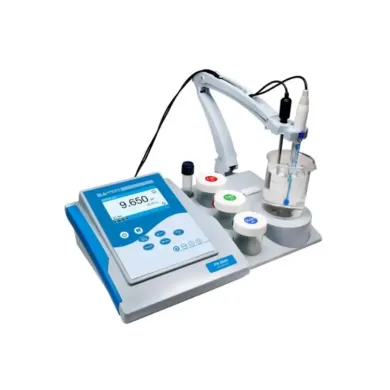
Meters quantify a single physical or electrical quantity and report it as a number: voltage, current, resistance, pH, conductivity, light, and more. They differ from the instruments around them by doing one measurement well rather than conditioning an experiment, and they differ among themselves in range and resolution, the span they read across and the smallest step they can tell apart within it. A benchtop multimeter and a handheld pH meter are both meters and share almost nothing else. In the life sciences the measuring devices of this kind underpin solution preparation across microbiology and cell culture, where a pH meter and a conductivity meter set the buffer and the medium before any cells or organisms go near them.
Environmental chambers
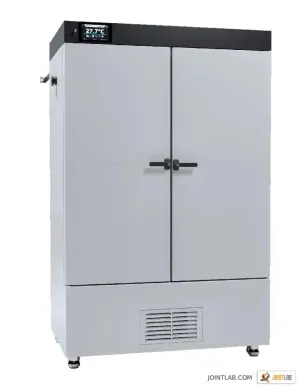
Environmental chambers hold a defined temperature, and often humidity, inside a sealed working volume for the duration of a test or an incubation. They are distinguished from a simple incubator by their programmable control and their ability to cycle conditions, and from each other by working volume and the temperature and humidity band they reach and hold. A stability chamber running a fixed setpoint and a thermal-cycling chamber ramping between extremes serve different work. These chambers are widely used for cell culture and for the controlled growth of microbiology samples, and in biomanufacturing and bioprocessing they hold the conditions under which cultures and products are kept stable across long runs.
Calibration
Calibration equipment establishes whether another instrument reads true, by supplying a known reference the instrument can be measured against: a temperature source, a pressure source, a reference resistor, a standard weight. What sets these apart is that their own accuracy is traceable and documented, so a reading taken against them carries a known uncertainty. A metrology or quality laboratory uses them to keep a fleet of working instruments within specification over time. Across any field where a result must be defended, including molecular diagnostics and gravimetric analysis, this is the equipment that turns a reading into a defensible number by anchoring it to a traceable reference.
High voltage power supplies
High voltage power supplies are a specialised branch of the power-supply group, delivering outputs in the hundreds or thousands of volts rather than the tens. They differ from a general bench supply in their insulation, their safety interlocks and the fine regulation they hold at those levels. Detector physics, mass spectrometry front-ends and electron-beam instruments draw on them. In the life sciences they drive capillary electrophoresis and the high-field separations used in proteomics and genomics, where the voltage applied across a capillary sets the resolution of the separation and must stay stable for the run to be read.
Air velocity and flow equipment
Air velocity and flow equipment measures the speed and volume of a moving airstream, using anemometers, flow hoods and related sensors. It is distinguished from a static meter by reading a quantity that is in motion, and the instruments differ in the velocity range they cover and whether they report point velocity or total volumetric flow. Cleanroom certification, fume-hood face-velocity checks and HVAC balancing all rely on it. In a life sciences setting this equipment also serves the verification of biosafety cabinets and laminar-flow benches, where the inflow and downflow velocities that protect a cell culture or a microbiology sample have to be confirmed on a schedule.
Thermometers
Thermometers measure temperature and report it, from simple handheld probes to precision reference units. They are the narrowest instrument in this category by function, and they differ in their sensing element, thermocouple, resistance element or infrared, and in the accuracy and range that element delivers. A general lab thermometer and a traceable reference thermometer sit far apart on both. These are used for the routine monitoring of incubators, water baths and cold storage across microbiology and cell culture, and a calibrated reference thermometer also serves gravimetric analysis and other work where a temperature correction is applied to the result.
Counters
Counters tally discrete events or items and hold a running total: particle counts, cell counts, colony counts, or pulses from another instrument. They differ from a meter in that they register a count rather than a continuous quantity, and they differ among themselves in what they count and how, optical, electronic or manual. A particle counter in a cleanroom and a colony counter at a bench are both counters and little else alike. In the life sciences this class covers cell counting for cell culture and colony counting in microbiology, and the particle counters among them also support the environmental monitoring that genomics and sterile-fill work depend on.
Frequently asked questions
What is general testing and measurement equipment?
It is the class of instruments that supply, regulate, monitor and quantify the physical conditions of an experiment or a bench process, covering electrical power, temperature, airflow, particle count and more. The group gathers the supporting hardware a laboratory runs on rather than any single analytical technique.
What does general testing and measurement equipment mean?
The term groups supporting instruments by function rather than by one measurement method, which is why it spans power supplies, meters, environmental chambers, calibration gear, thermometers and counters together. It describes the equipment that conditions and measures a bench setup, not the analyser that produces the final scientific result.
How does general testing and measurement equipment work?
Each subtype works differently: a power supply delivers a regulated voltage and current and holds it steady as the load changes, a meter converts a physical or electrical quantity into a number, and an environmental chamber uses a controller and compressor to hold a defined temperature and humidity. What they share is that they establish or read the conditions around a test rather than performing the test itself.
What types of general testing and measurement equipment are there?
The main groups are power supplies, meters, environmental chambers, calibration equipment, high voltage power supplies, air velocity and flow equipment, thermometers and counters. Among the listings that specify a type, the ones that recur most are electrophoresis power supplies, uninterruptible power supplies, laboratory power supplies, benchtop pH meters and calibration weights.
What is general testing and measurement equipment used for?
It supports bench and process work: power supplies drive circuits and electrophoresis, meters set buffers and media, chambers hold cultures at fixed conditions, calibration gear checks that other instruments read true, and counters tally cells, colonies or particles. The common thread is preparing, holding or verifying the conditions under which the real measurement happens.
How do I choose the right unit?
The deciding specification is not shared across the category, so first identify the subtype in front of you. A power supply is fixed by its voltage and current output and regulation under load, a chamber by its working volume and temperature and humidity band, and a meter by its range and resolution at the low end of that range.
What is the difference between refurbished and used?
A used unit is sold in its working condition as it comes off a previous bench, while a refurbished unit has been checked and had worn parts addressed before resale. On either, ask when it was last verified against a known reference and whether consumables such as seals, sensors or fans were replaced.
How much does general testing and measurement equipment cost?
Across the Questpair catalogue prices range from EUR 1 to EUR 172.178, with an average of EUR 1.669. That span covers a handheld thermometer at one end and a large programmable chamber at the other, so the figure that fits your budget is the one for your specific subtype, not the category average.
Which brands come up most in this category?
The brands that recur are APC, Thermo Scientific, Thermo Fisher Scientific, Mettler Toledo and Bio-Rad. They span power protection, environmental and sample equipment, balances and weights, and electrophoresis gear, which reflects the breadth of the category itself.
Is there a warranty on refurbished units?
A warranty is often possible and is arranged in consultation for the specific listing. Because terms are set per listing rather than centrally, check the individual unit you are considering.
Can I get parts for this equipment?
Parts can be sourced via Questpair. For a used chamber, power supply or meter, the brands that recur in this category tend to have the widest parts availability because their documentation is public.
How long does this equipment last?
Lifespan varies by subtype and by how hard the unit has been run. A power supply that has run hot for years may no longer regulate cleanly at its rated output, an environmental chamber depends on seals, a compressor and a controller that all wear, and a meter drifts over time, so condition matters more here than in many categories.
New versus refurbished, which should I buy?
Used and refurbished units are listed at lower prices than new, and that price difference is the clearest reason to choose them. Weigh the saving against the verification a used unit may need, and check the individual listing, since warranty is arranged in consultation rather than set centrally.
Where can I buy general testing and measurement equipment?
The Questpair catalogue lists 4204 units from 25 verified suppliers and distributors across 18 countries. New, used and refurbished units all appear, with 93 percent of listings used.
What are the lead time and shipping like?
Lead time and shipping depend on the individual listing and the supplier holding the unit, since the catalogue draws on verified suppliers and distributors across 18 countries. Check the specific listing for its availability, and Questpair specialists respond within one hour if you need details confirmed.
How is this equipment calibrated and maintained?
Calibration equipment supplies a known traceable reference so another instrument can be checked against it, and routine maintenance covers wearing parts such as seals, sensors and fans. On a used unit, ask whether a calibration certificate exists and when it was issued, and budget for verification where one does not.
Which types are listed most, and who reaches for which?
Power supplies are the largest group among listings that specify a type, including electrophoresis, uninterruptible and laboratory power supplies, with benchtop pH meters and calibration weights also recurring. Electronics and electrophysiology labs reach for quiet linear supplies, molecular biology labs for electrophoresis supplies, metrology and quality labs for calibration weights, and microbiology and cell culture benches for pH meters.
Which brands dominate this category and what does that mean for a buyer?
APC, Thermo Scientific, Thermo Fisher Scientific, Mettler Toledo and Bio-Rad recur across the listings and anchor the mid and upper price bands. For a buyer this means these models are the easiest to compare like for like, since their datasheets are public and parts for them are the most widely available.
What separates the cheapest listings from the most expensive?
The bottom of the band is simple, single-function hardware such as a handheld thermometer or a basic meter, often older and needing verification before use. The top is large programmable equipment such as a chamber or a multi-channel supply, where working volume, control range and output stability drive the price up.