

Power supplies
We personally find you the right used, refurbished and new power supplies from verified suppliers.
Power supplies are instruments that deliver regulated electrical power to laboratory equipment, protecting sensitive instrumentation from voltage fluctuations and supplying the controlled current that certain techniques demand. The Questpair catalogue lists 1302 power supplies from 19 verified suppliers and distributors across 11 countries, in new, used and refurbished condition. 96 percent of the listings are used, the remainder new. Prices range from EUR 1 to EUR 81.785, a spread that reflects how far this category stretches, from a single surge protector to a high-capacity laboratory backup system. The group covers everything from bench units powering an electrophoresis run to the uninterruptible supplies that keep an entire instrument rack alive through an outage.
Updated:
Power supplies product list


Not the exact instrument you need?
Tell our scientists what you are after. We track it down, including off-market supply.
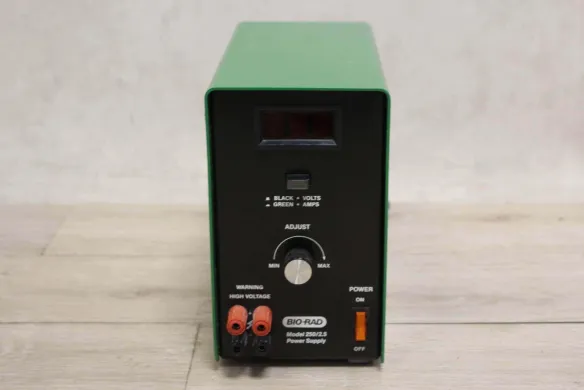

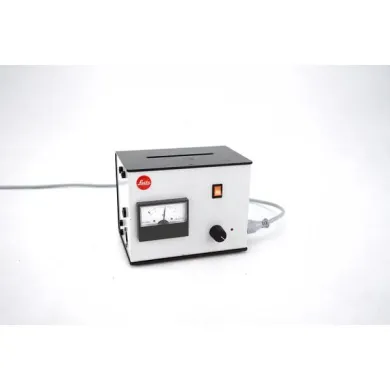
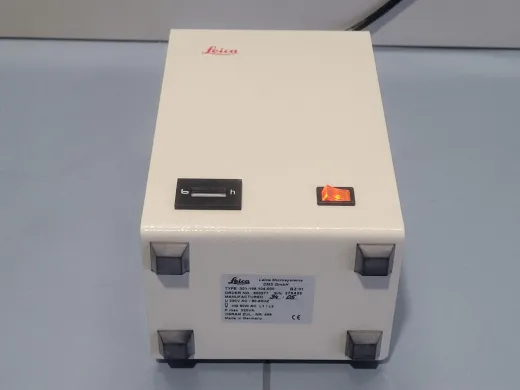
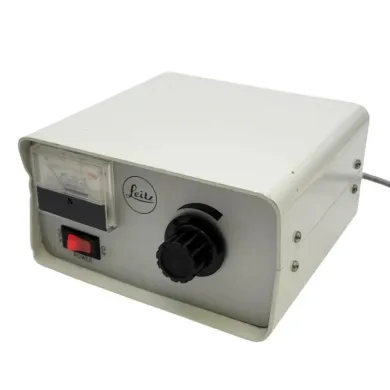
Leica Leitz Microscope Light Source Power Supply
- Category
- Microscopes
- Brand
- Leica
- Suppliers
- 1 verified
Not the exact instrument you need?
Tell our scientists what you are after. We track it down, including off-market supply.
Showing 1–40 of 606 listings
Show 40 more listingsBuying guide
What settles a power supply purchase is the load it has to serve, and that question splits the category in two before anything else. An electrophoresis unit is specified by its voltage and current ceiling, because the separation itself depends on the field it generates: a run that needs 300 volts across a gel will not tolerate a supply that tops out lower, and a high-voltage sequencing application needs headroom a general bench unit does not have. An uninterruptible supply, by contrast, is specified by the wattage it can carry and the runtime it holds that load, which is a different calculation entirely. Work out which of the two you are buying first, then match the specification to the actual equipment it will feed.
On a used unit the condition that matters most is rarely visible on the datasheet. For an uninterruptible power supply it is the battery: cells age whether or not the unit has seen service, and a UPS that tested fine three years ago may hold only a fraction of its rated runtime now. Ask what has been verified, and treat the battery as a consumable that may need replacing regardless of the unit's apparent condition. For an electrophoresis supply the output accuracy is what to check, since a drifting voltage shows up as an inconsistent run rather than an obvious fault. Where a buyer wants assurance, warranty is arranged in consultation for the specific listing.
The price band here is wide, from EUR 1 at the surge-protector end to EUR 81.785 for high-capacity backup systems, with an average near EUR 1.050. What a unit costs tracks closely with that new-versus-used split: used and refurbished supplies for sale sit below new pricing, which is where most of the catalogue lives. A buyer working to a tight budget will find the bench-scale laboratory supplies and smaller UPS units the most affordable entry point, while the rack-scale systems occupy the top of the range. The dominant names, APC, Bio-Rad, Invitrogen, Powervar, Life Technologies, span both ends, so comparing like with like matters more than comparing by brand alone.
Types of Power supplies
Which power supply types are listed?
Among the listings that specify a type, the catalogue divides into a handful of distinct classes. The uninterruptible power supply, or UPS, is the most common: it holds a battery reserve that carries connected equipment through a mains failure, bridging the gap until a generator starts or the outage ends. Labs reach for these to protect freezers, incubators and running instruments where a sudden loss of power means lost samples or a ruined experiment. The electrophoresis power supply is a different animal, built to deliver a precise, regulated high voltage across a gel or capillary. It is the engine behind protein and nucleic acid separation, driving the work in molecular biology, genomics and proteomics: DNA and RNA electrophoresis, SDS-PAGE for protein analysis, and the sample runs that feed into sequencing. A laboratory power supply in the general sense is a regulated bench unit supplying variable voltage and current to a circuit under test or a custom instrument. Surge protectors and broader power backup systems round out the group, the former guarding against transient spikes, the latter scaling the UPS idea up to a rack or a room.
The brands behind the power supply listings
The names that dominate here, APC, Bio-Rad, Invitrogen, Powervar, Life Technologies, tell a buyer something about what to expect. APC and Powervar sit on the UPS and power-conditioning side, where availability of replacement batteries and comparable models makes a used unit easy to specify and easy to compare. Bio-Rad, Invitrogen and Life Technologies appear on the electrophoresis supplies, which matters for a researcher who wants a unit that pairs cleanly with a known gel system or cell-electrophoresis setup. A well-represented brand means parts are easier to source and one model can be weighed against another without guesswork. Parts can be sourced via Questpair where a listing needs them.
What a used power supply costs here
The condition mix is heavily weighted toward used equipment: 96 percent of the listings are used, with 49 new units in the catalogue. Prices run from EUR 1 to EUR 81.785. That spread covers the full distance from a single surge protector to a high-capacity backup system sized for a rack, and the used-versus-new difference is the clearest driver of where a given listing falls: used and refurbished supplies are priced below their new equivalents. For a buyer, that means the affordable end of the catalogue is also the deepest end, with the new stock concentrated at the smaller, lower-cost units.
Frequently asked questions
What is a power supply?
A power supply is an instrument that delivers regulated electrical power to laboratory equipment, controlling the voltage and current an instrument receives. The category spans units that protect equipment from voltage fluctuations as well as those that supply the precise current certain techniques require.
What does power supply mean in a lab context?
In a laboratory the term covers several distinct devices: bench units that feed regulated voltage to a circuit or instrument, electrophoresis supplies that drive a gel run, and uninterruptible systems that keep equipment running through a mains failure. The common thread is controlled, reliable delivery of electrical power to sensitive instrumentation.
How do power supplies work?
A regulated power supply converts mains electricity into a stable output at a set voltage and current, holding that output steady despite fluctuations on the input. An uninterruptible power supply adds a battery reserve that carries connected equipment through an outage, while an electrophoresis supply holds a precise high voltage across a gel or capillary.
What types of power supplies are listed here?
The catalogue covers uninterruptible power supplies (UPS), electrophoresis power supplies, general laboratory power supplies, surge protectors, broader power backup systems, and plain power supplies. These range from a single surge protector up to a high-capacity system sized for an instrument rack.
What is a power supply used for?
Uninterruptible supplies protect freezers, incubators and running instruments where a power loss means lost samples or a ruined experiment. Electrophoresis supplies drive protein and nucleic acid separation in molecular biology, genomics and proteomics, while a general bench supply feeds a circuit under test or a custom instrument.
How do I choose the right power supply?
First decide whether you need an electrophoresis unit or an uninterruptible supply, because they are specified differently. An electrophoresis unit is specified by its voltage and current ceiling, since the separation depends on the field it generates; a UPS is specified by the wattage it can carry and the runtime it holds that load.
What is the difference between refurbished and used power supplies?
Both are pre-owned, but a refurbished unit has typically been checked and brought back toward working condition, while a used unit is sold in its current state. For either, ask what has been verified; on a UPS that means battery condition, and on an electrophoresis supply it means output accuracy.
How much does a power supply cost?
Prices in the catalogue range from EUR 1 to EUR 81.785, with an average near EUR 1.050. The low end covers surge protectors and small bench units, while the top of the range is occupied by high-capacity, rack-scale backup systems.
Which power supply brands are listed?
The names that appear most often are APC, Bio-Rad, Invitrogen, Powervar and Life Technologies. APC and Powervar sit on the UPS and power-conditioning side, while Bio-Rad, Invitrogen and Life Technologies appear on the electrophoresis supplies.
Is a warranty available on a refurbished power supply?
A warranty is often possible and is arranged in consultation for the specific listing. Because terms are set per listing rather than centrally, check what is offered on the unit you are considering.
Can I get parts for a power supply?
Parts can be sourced via Questpair where a listing needs them. For a UPS the battery is the part most likely to need replacing, as cells age whether or not the unit has seen service.
How long does a power supply last?
A regulated bench or electrophoresis supply can run for many years provided its output stays accurate. The limiting part on a UPS is the battery, which ages over time, so a unit that tested fine a few years ago may hold only a fraction of its rated runtime now.
Should I buy new or used?
Used and refurbished supplies are listed at lower prices than new equivalents, and that price difference is the clearest reason to consider them. The affordable end of this catalogue is also the deepest, with new stock concentrated among the smaller, lower-cost units; weigh the specific listing and its arranged warranty against a new unit.
Where can I buy a power supply?
Questpair lists 1302 power supplies from 19 verified suppliers and distributors across 11 countries, in new, used and refurbished condition. You can compare listings directly within the catalogue.
What is the lead time and shipping on a power supply?
Lead time and shipping depend on the individual listing and the supplier offering it, as units ship from verified suppliers and distributors across 11 countries. Check the specific listing for its availability, or contact Questpair, where specialists respond within 1 hour.
Do power supplies need calibration or maintenance?
For an electrophoresis supply the output accuracy is what to verify, since a drifting voltage shows up as an inconsistent run rather than an obvious fault. For a UPS, treat the battery as a consumable that may need periodic replacement regardless of the unit's apparent condition.
Which power supply types are listed most, and who reaches for each?
The uninterruptible power supply is the most common type, used by labs protecting freezers, incubators and running instruments against outages. Electrophoresis supplies are reached for by researchers in molecular biology, genomics and proteomics running DNA, RNA or protein separations, while general bench supplies serve circuit testing and custom instruments.
Which brands dominate this category, and what does that mean for a buyer?
APC and Powervar on the UPS side, and Bio-Rad, Invitrogen and Life Technologies on electrophoresis, are the names that recur. A well-represented brand means replacement parts are easier to source and one model can be compared against another without guesswork, and on the electrophoresis side it helps a unit pair cleanly with a known gel or cell-electrophoresis system.
What separates the cheapest listings from the most expensive?
The bottom of the band is surge protectors and small bench or UPS units, while the top is high-capacity backup systems sized for a rack or a room. The new-versus-used split also drives price, as used and refurbished units sit below new pricing, so comparing like with like matters more than comparing by brand alone.