

Meters
We personally find you the right used, refurbished and new meters instruments & equipment from verified suppliers.
Meters are laboratory instruments that measure a specific physical or chemical property of a sample, reading it out as a value a technician can record. The property varies with the instrument: pH, electrical conductivity, temperature, or an electrochemical signal. On Questpair, the meter catalogue runs to 582 listings from 15 verified suppliers and distributors across 9 countries, in new, used and refurbished condition. 92 percent of the listings are used. Prices span a wide band, from EUR 10 for a simple handheld to EUR 19.370 for a configured benchtop system. The names recurring most often across the catalog are Thermo Scientific, Thermo Fisher Scientific, Mettler Toledo, Ohaus, Hanna.
Updated:
Meters product list
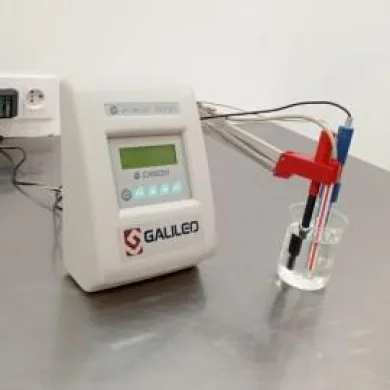
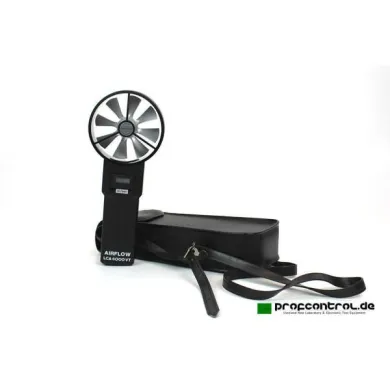
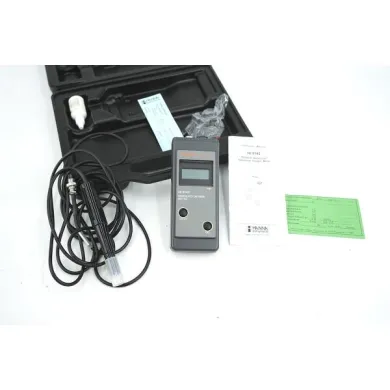
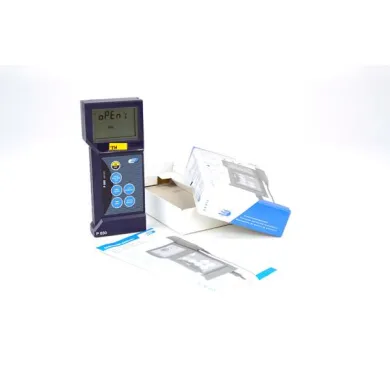


Not the exact instrument you need?
Tell our scientists what you are after. We track it down, including off-market supply.
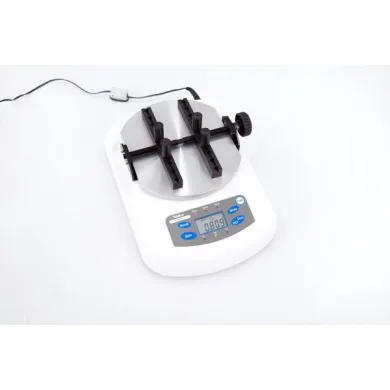
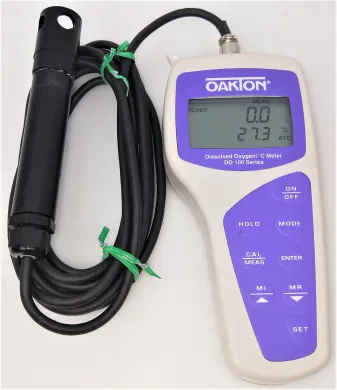
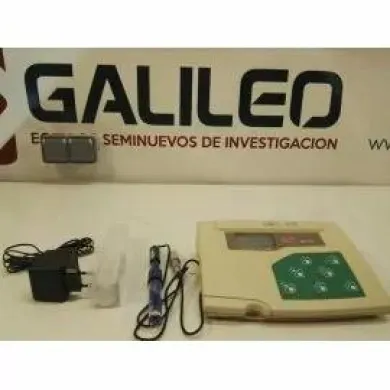
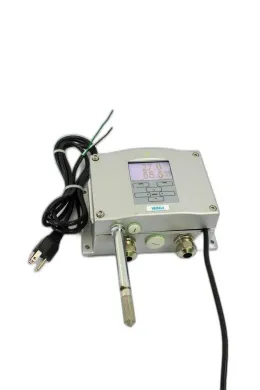
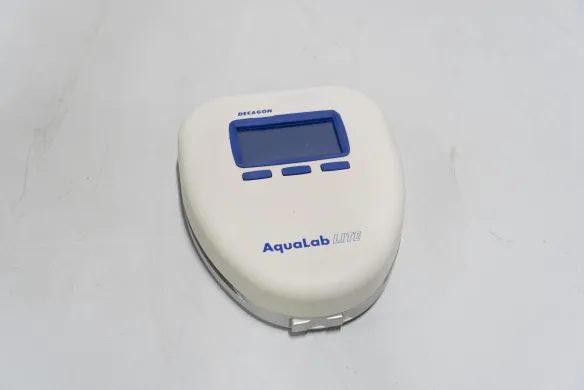
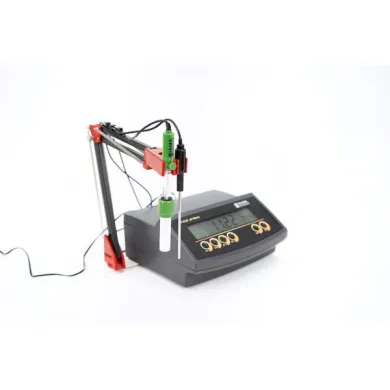
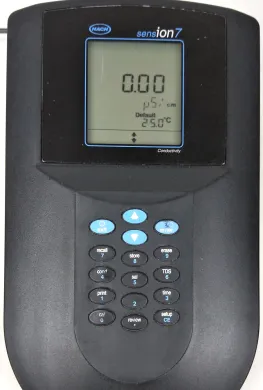
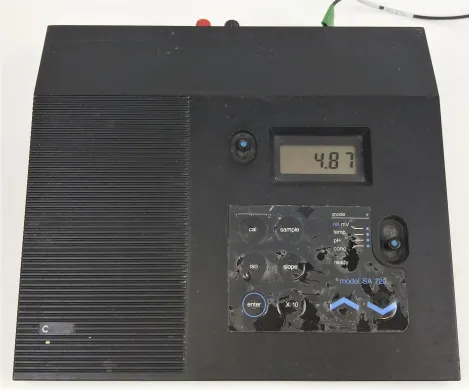
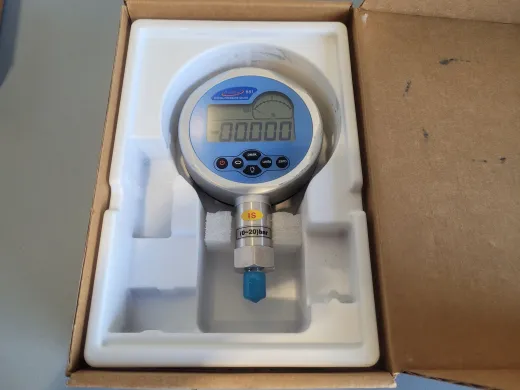
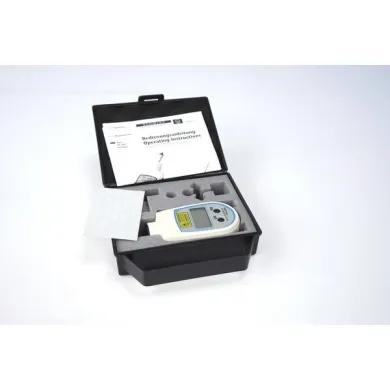
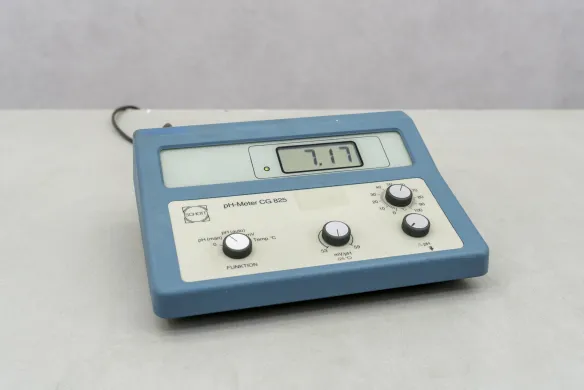
Not the exact instrument you need?
Tell our scientists what you are after. We track it down, including off-market supply.
Showing 1–40 of 387 listings
Show 40 more listingsBuying guide
What settles a meter purchase first is the property you need to measure and the precision that measurement demands, because that decides the electrode, the resolution and almost everything downstream. A pH reading to two decimal places for routine buffer checks is a different instrument from one resolving 0.001 pH for a method under regulatory scrutiny, and a conductivity meter for tap water sits nowhere near one trusted on ultrapure water. Fix the property and the resolution before looking at anything else, because a meter that reads to the wrong decimal is wrong whatever else it offers.
The electrode or probe matters as much as the meter body, and on a used unit it matters more. A pH electrode is a consumable: it ages, its response slows, and a glass membrane that has dried out may never recalibrate properly. A benchtop pH meter listed without its electrode, or with the original one, tells you very little until you know the electrode's condition and age. The same holds for conductivity cells and temperature probes. Verify what sensor ships with the unit, whether it has been stored wet, and whether the listing covers calibration. A meter that powers on and reads a stable buffer is worth far more than one described only as functional, and that distinction is the single most useful thing to confirm before buying a used instrument. Where a listing leaves it open, the probe is the first thing to ask a seller about, and parts for many models can be sourced via Questpair.
Price covers an enormous spread here, from a portable unit that fits almost any budget to a fully configured benchtop analyser. What a meter costs tracks the resolution, the number of channels and the automation around it far more than the brand on the front. Used and refurbished units are listed below new prices, which is where most of the affordable end of the catalogue sits, and a used benchtop from a major maker often undercuts a new portable while offering more. The names that occupy the mid and upper bands, Thermo Scientific, Thermo Fisher Scientific, Mettler Toledo, Ohaus, Hanna, are also the ones with the widest parts and electrode availability, which keeps a unit for sale today serviceable years from now. Set a budget against the resolution you actually need, not against a feature list, and the band narrows quickly.
Types of Meters
Which meter types are listed here?
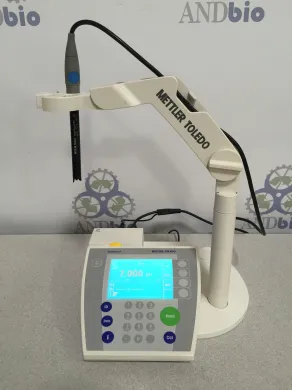
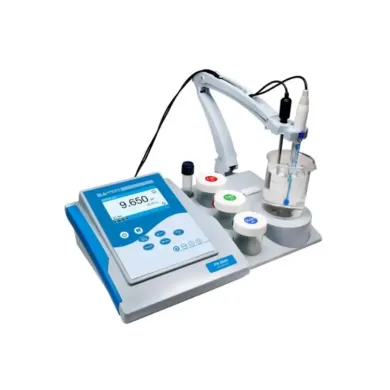
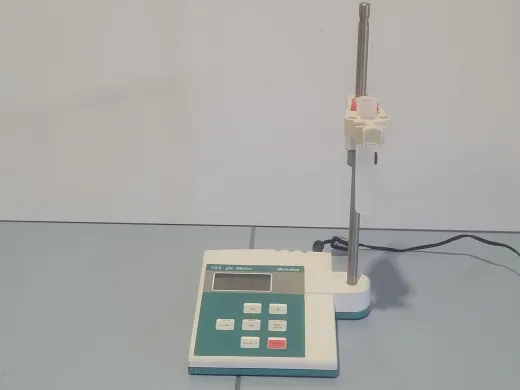
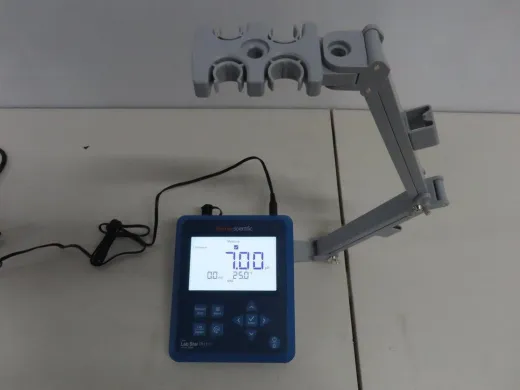
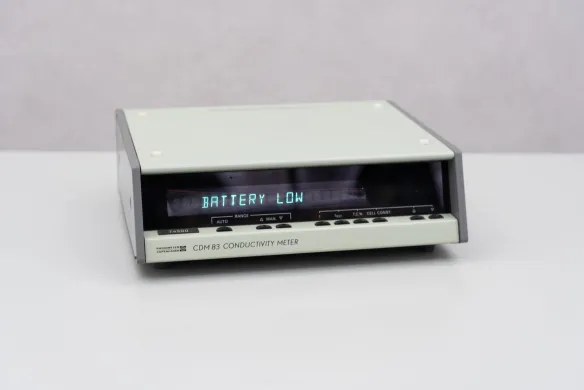
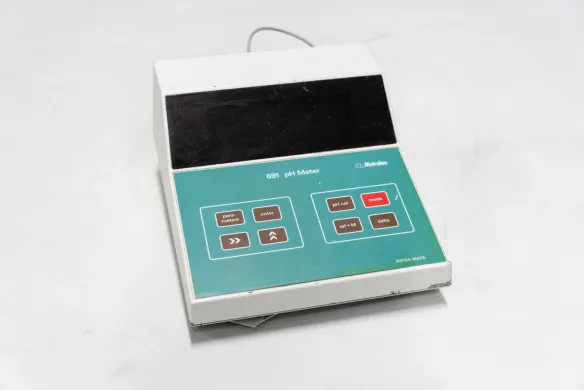
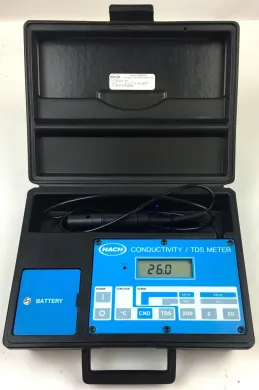
Among the listings that specify a type, the catalogue is led by benchtop pH meter, electrochemical analyzer, laboratory ph meter, portable ph meter, conductivity meter, temperature meter. The split that matters most is between benchtop and portable pH instruments: the benchtop trades mobility for resolution, multi-channel inputs and a stable mains supply, so it suits a QC bench or a formulation lab running many samples to a tight tolerance. A portable pH meter reaches for the field, a production line or a fermenter on the far side of the room, giving up some precision for a unit that runs on batteries and survives being carried. Conductivity meters answer a different question entirely, reading ionic content for water-purity checks and buffer preparation, while temperature meters and electrochemical analysers cover the remaining measurement needs, the latter reaching into voltammetry and ion-selective work.
Several of these types carry direct weight in biotechnology and life sciences. A benchtop pH meter is the instrument behind buffer preparation and media formulation for cell culture, where a drift of a tenth of a pH unit changes how cells grow. Conductivity meters support the water-quality monitoring that upstream bioprocessing and biomanufacturing depend on, and electrochemical analysers do the voltammetric and amperometric sensing used in molecular diagnostics and biosensor development. pH measurement for cell culture media and conductivity testing for ultrapure water are everyday work in a life sciences lab, and the meters that do it also serve microbiology, protein purification and the broader pharmaceutical quality environment.
The brands behind the meter listings
The names recurring most across the catalog, Thermo Scientific, Thermo Fisher Scientific, Mettler Toledo, Ohaus, Hanna, shape what a buyer can practically do. A model from one of these makers is easy to compare against another listing of the same unit, because so many are in circulation, and replacement electrodes, cells and probes for them are widely stocked, which is what keeps a used meter usable. Their presence also sets the price structure: these are the makers whose benchtop lines occupy the mid and upper bands, while their portable and handheld units anchor the affordable end. Parts for these models can be sourced via Questpair.
What a used meter costs here
Condition is where this catalogue leans hardest. 92 percent of the listings are used, drawn from 15 suppliers across 9 countries. Prices run from EUR 10 to EUR 19.370. That spread covers the full range from a basic handheld tester to a multi-channel benchtop analyser with automation, and the used and refurbished units carry the lower prices against new.
Frequently asked questions
What is a meter in a lab context?
A meter is a laboratory instrument that measures a specific physical or chemical property of a sample and displays it as a readable value. The property measured depends on the instrument, commonly pH, electrical conductivity, temperature, or an electrochemical signal.
What does the term meter mean here?
In this category, meter refers to an electronic measuring instrument paired with a sensor or probe, not a unit of length. The word covers pH meters, conductivity meters, temperature meters and electrochemical analysers listed under one heading.
How do meters work?
A meter reads a signal from a probe or electrode placed in the sample and converts it to a value on the display. A pH meter measures the voltage across a glass electrode, a conductivity meter measures how well the solution carries current between electrodes, and an electrochemical analyser applies or senses current and potential.
What types of meters are there?
The listed types include benchtop pH meter, laboratory pH meter, portable pH meter, conductivity meter, temperature meter and electrochemical analyzer. The main practical split is benchtop versus portable: benchtop units give higher resolution and multi-channel inputs, while portable units run on batteries and travel to the sample.
What are meters used for?
They measure pH, conductivity, temperature or electrochemical signals for tasks like buffer preparation, media formulation, water-purity checks and voltammetric sensing. In life sciences they support cell culture media preparation, ultrapure water monitoring and biosensor work.
How do I choose a meter?
Start with the property you need to measure and the resolution that measurement demands, since that decides the electrode, the display precision and most of the rest. A reading to two decimal places for routine buffer checks is a different instrument from one resolving 0.001 pH for a regulated method.
What is the difference between refurbished and used meters?
A used meter is sold in its existing condition, while a refurbished meter has been checked and brought back toward working order before listing. For either, the key question is the probe or electrode condition, since that determines whether the unit reads accurately.
How much does a meter cost?
Prices in this category range from EUR 10 for a simple handheld to EUR 19.370 for a configured benchtop system, with an average around EUR 709. Cost tracks resolution, channel count and automation more than the brand name.
Which brands make meters?
The names recurring most across this catalogue are Thermo Scientific, Thermo Fisher Scientific, Mettler Toledo, Ohaus and Hanna. Because these models circulate widely, replacement electrodes, cells and probes for them are easier to find.
Can I get a warranty on a refurbished meter?
A warranty is often possible and is arranged in consultation for the specific listing. Check the individual listing and ask the seller what cover applies before buying.
Are parts and electrodes available for these meters?
Parts, including replacement electrodes, conductivity cells and temperature probes, can be sourced via Questpair. Availability is wider for the frequently listed brands because so many units are in circulation.
How long does a meter last?
The meter body itself can run for many years, so lifespan is usually limited by the probe rather than the electronics. A pH electrode is a consumable that ages and slows, and a glass membrane that has dried out may never recalibrate properly, so budget for electrode replacement.
Should I buy new or used?
Used and refurbished meters are listed at lower prices than new, and a used benchtop from a frequently listed maker often undercuts a new portable while offering more. Where warranty matters, point to the individual listing, since cover is arranged in consultation rather than set centrally.
Where can I buy a meter?
This catalogue lists meters from 15 verified suppliers and distributors across 9 countries, in new, used and refurbished condition. You can compare listings of the same model directly because so many are in circulation.
What are the lead time and shipping like?
Lead time and shipping depend on the individual listing, the supplier and the destination country, so they are set per order rather than fixed for the category. Check the listing and confirm with the seller for a specific timeframe.
What calibration and maintenance does a meter need?
A pH meter is calibrated against standard buffers, a conductivity meter against a known standard solution, and both need the probe stored and conditioned correctly between uses. On a used unit, confirm whether it has been stored wet and whether the listing shows it reading a stable buffer, since that is the clearest sign it still works.
Which meter types are most listed, and who reaches for which?
Benchtop and laboratory pH meters lead the typed listings, suiting a QC bench or formulation lab running many samples to tight tolerance, while portable pH meters serve fieldwork, a production line or a fermenter across the room. Conductivity meters read ionic content for water checks and buffer prep, and electrochemical analysers cover voltammetry and ion-selective work.
Which brands dominate this category, and what does that mean for a buyer?
Thermo Scientific, Thermo Fisher Scientific, Mettler Toledo, Ohaus and Hanna recur most across the listings. For a buyer this means a model is easy to compare against another listing of the same unit, and electrodes, cells and probes stay widely stocked, which keeps a used meter serviceable.
What separates the cheapest meters here from the most expensive?
The bottom of the band is a basic handheld tester reading to one or two decimals on a single channel, while the top is a multi-channel benchtop analyser with higher resolution and automation around it. Resolution, channel count and automation drive the price far more than the brand on the front.