

Calibration
We personally find you the right used, refurbished and new calibration instruments & equipment from verified suppliers.
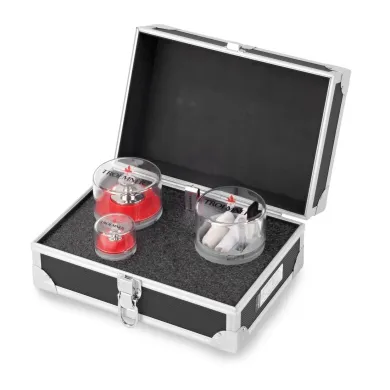
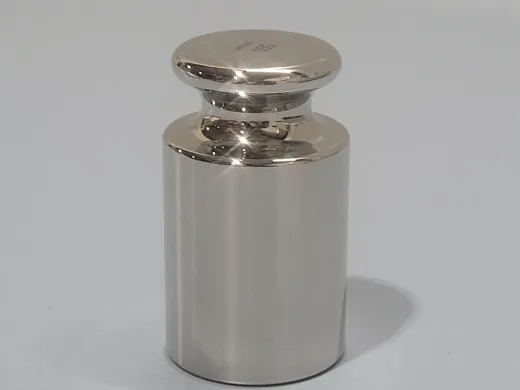
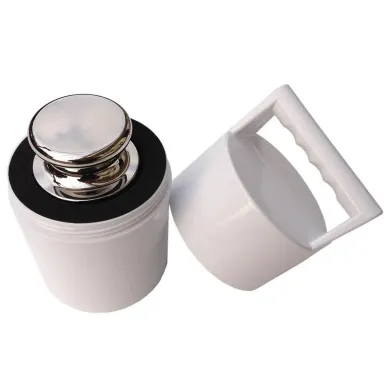
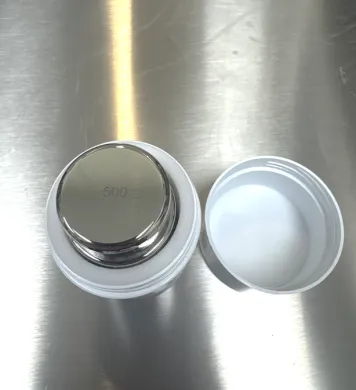
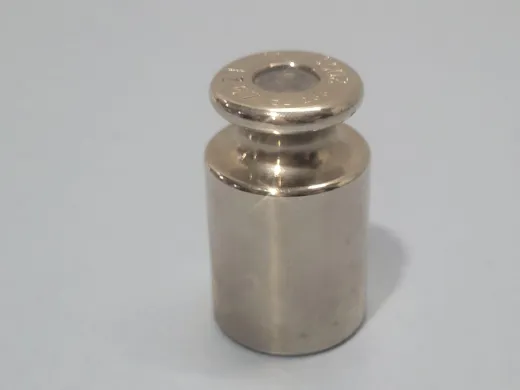
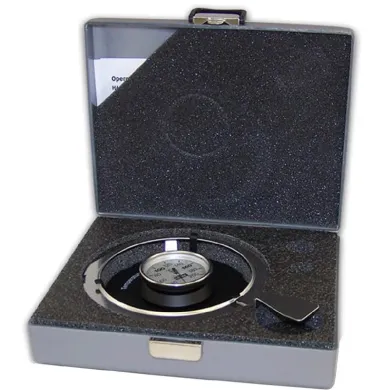
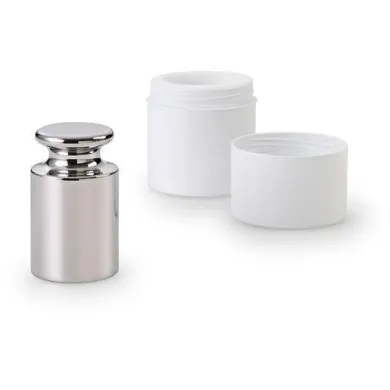
Calibration equipment is the set of reference standards and weights used to verify and adjust the accuracy of laboratory instruments, above all analytical and precision balances. In this category the catalogue runs to 325 listings, of which 94 percent are used. New, used and refurbished items sit side by side, from single mass pieces to full certified sets. A calibration weight carries a known, traceable mass against which a balance reading is checked, so the weight itself becomes the yardstick for everything the balance later measures. These standards range from individual gram pieces to kilogram references, each tied to a tolerance class that fixes how far the true mass may stray from the nominal value.
Updated:
Calibration product list
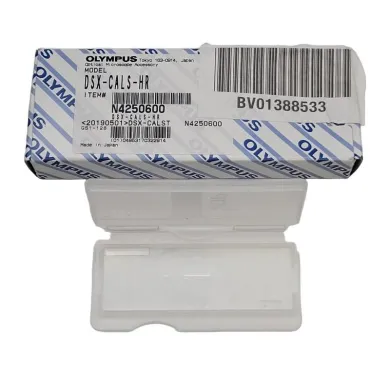
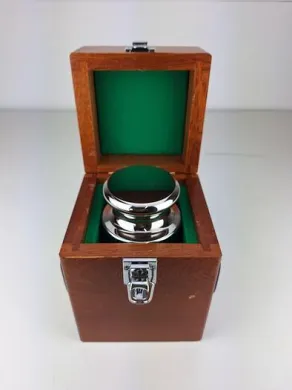
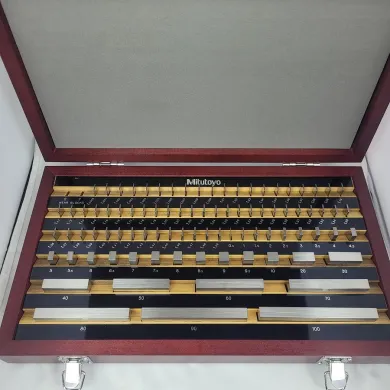
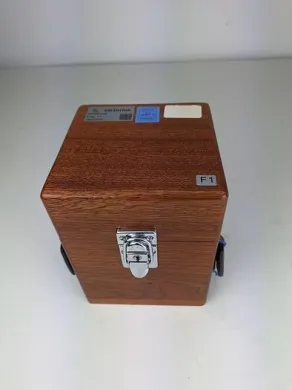


Not the exact instrument you need?
Tell our scientists what you are after. We track it down, including off-market supply.
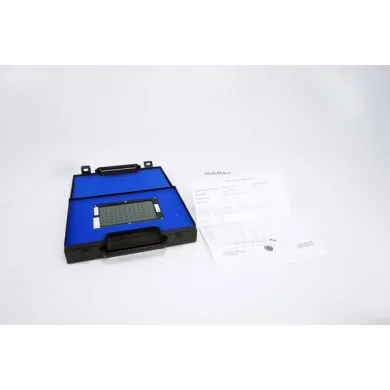
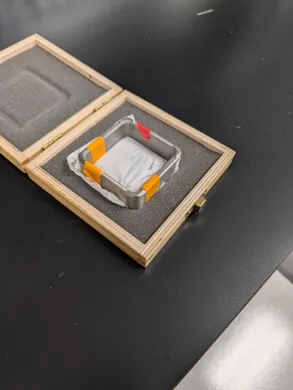
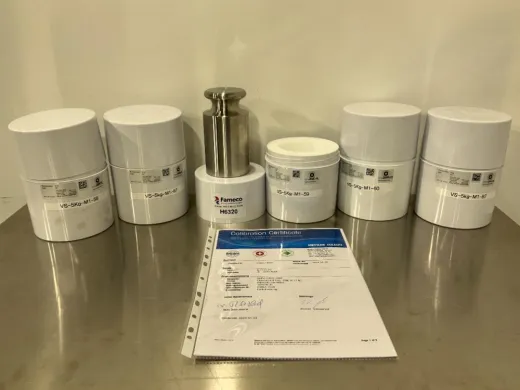
Not the exact instrument you need?
Tell our scientists what you are after. We track it down, including off-market supply.
Showing 1–40 of 240 listings
Show 40 more listingsBuying guide
Which tolerance class the work actually needs?
The decision that settles a calibration weight purchase is the OIML tolerance class, because it defines how closely the piece's real mass matches its stated value, and that in turn fixes which balances it can legitimately check. An E2 weight suits a five-decimal analytical balance; an F1 or F2 piece is enough for a three-decimal model; and matching a high class to a coarse balance wastes money while matching a low class to a fine one invalidates the calibration. Read the required class off the balance specification first, then everything else follows from it. A buyer who gets the class wrong has bought a reference that cannot do the one job it exists for, whatever its price.
What to verify on a used piece comes next, and here condition matters more than on most laboratory equipment. A calibration weight is only a standard while its mass is known, so the central question is traceability: does the listing include a current calibration certificate, and when was the last recalibration? Weights drift through handling, surface wear and contamination, and a scratched or fingerprinted stainless piece may already sit outside its class. Check the surface finish, ask whether the adjustment cavity is intact, and confirm whether the certificate traces to a national metrology institute. A used set without documentation is a set of metal shapes, not a mass standard, which is why the certificate weighs heavier than cosmetic condition.
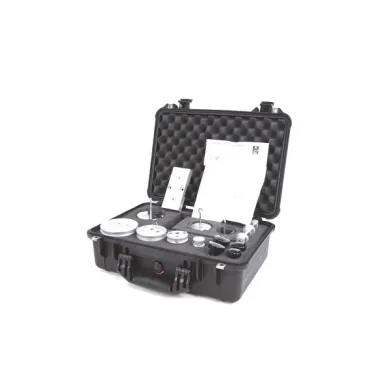
Price tells the rest of the story. Across the catalogue listings run from EUR 1 to EUR 21.522. That spread covers a single low-class gram piece at the bottom and a complete certified high-class set in a fitted case at the top, so what a unit costs tracks class, material and set size more than brand. For a buyer working to a budget, this is one of the few laboratory categories where refurbished units listed for sale stay fully fit for purpose once recertified, which keeps individual pieces genuinely affordable. The brands present cluster around Mettler Toledo, Troemner, ZWIEBEL, Globe Scientific, METTLER TOLEDO, and their standards are widely listed for sale across the catalogue.
Types of Calibration
Which calibration weight types are listed here?
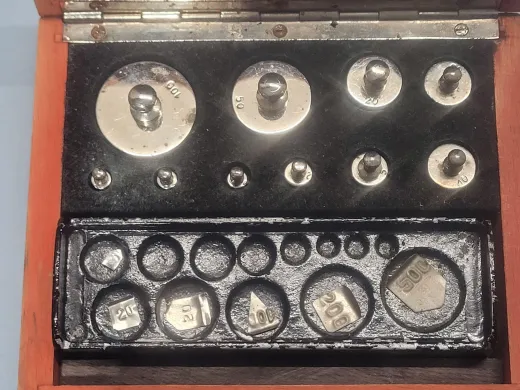
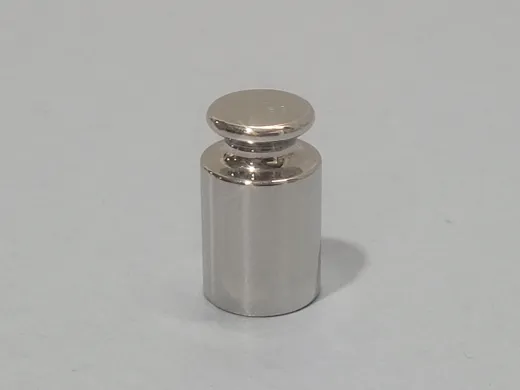
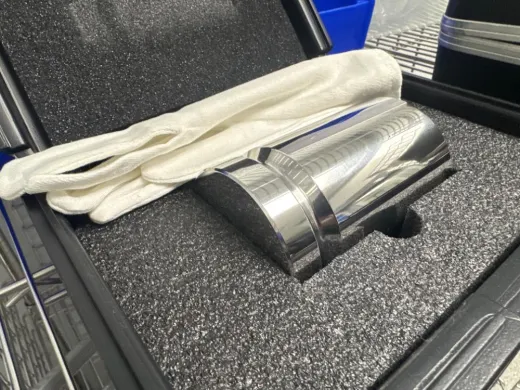
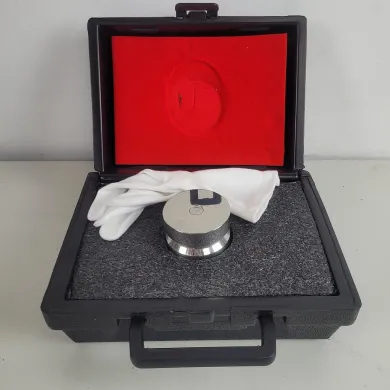
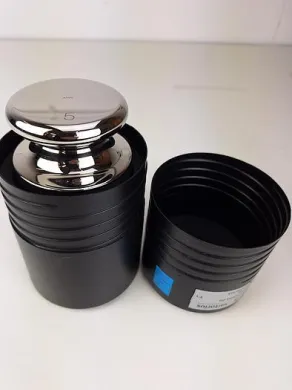
Among the listings that specify a type, the catalogue holds calibration weight, calibration weights, precision weights, mass standards, laboratory weights, mass standard. The vocabulary varies more than the objects do: calibration weight and calibration weights name the same thing in singular and plural, and precision weights, laboratory weights and mass standards describe the same class of reference metal under different trade and specialist terms. What genuinely separates them in practice is form factor and class. Single cylindrical or knob weights serve routine spot checks of a balance; nested button sets cover a span of nominal values in one case; and high-class mass standards, often handled only with tweezers and gloves, exist to recalibrate the lower-class working weights rather than to be used daily. A buyer reaching for a mass standard is usually running gravimetric analysis and needs the metrology to be unimpeachable, while someone buying a single working weight simply wants a known check for a bench balance.
The life sciences connection runs through the balance these weights certify. Weighing underpins reagent preparation across molecular biology, and a verified mass reference is what makes a buffer or a growth medium reproducible, so calibration weights sit quietly behind cell culture and protein purification workflows wherever a formulation has to be mixed the same way twice. They are also used for the gravimetric checks that back pipette verification in immunoassay and genomics work, where a dispensed volume is confirmed by the mass of water it delivers.
The brands behind the calibration listings
The brands that dominate here are Mettler Toledo, Troemner, ZWIEBEL, Globe Scientific, METTLER TOLEDO. For a buyer, their presence has practical consequences beyond the name on the case. Established metrology makers issue calibration certificates in a recognised format, which makes a used piece far easier to accept into a quality system, and their class markings follow the OIML scheme consistently, so a weight from one of them can be compared against another on like terms. Spare components such as replacement cases, individual pieces to complete a broken set, or recertification are easier to source where the maker's range is widely stocked. Model-to-model comparison is also cleaner within a single maker's catalogue, since the class and material designations stay consistent across their line.
What a used calibration weight costs here
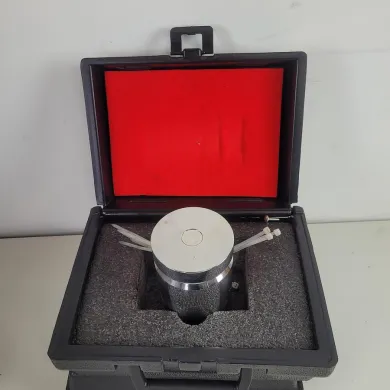
Condition and price break down sharply in this category: 94 percent of the listings are used. Prices run from EUR 1 to EUR 21.522. The spread reflects the distance between a single low-class gram piece and a complete high-class set housed in a fitted aluminium or wooden case, with material, class and the number of pieces driving most of the variation. Because a used weight can be restored to full standing by recalibration, the used share here represents working references rather than compromised ones, provided the certificate is current.
Frequently asked questions
What is a calibration weight?
A calibration weight is a piece of metal with a known, traceable mass used to verify and adjust the accuracy of a laboratory balance. The weight becomes the reference against which the balance reading is checked, so its own mass must be certified to a defined tolerance.
What does tolerance class mean on a calibration weight?
The tolerance class fixes how far a weight's real mass may deviate from its nominal value, using the OIML scheme such as E2, F1 and F2. A lower class number means a tighter tolerance and a weight suited to finer balances.
How do calibration weights work?
You place the weight on the balance and compare the displayed reading against the certified mass printed on the weight's certificate. If the reading falls outside the balance's allowed deviation, the balance is adjusted until it matches the known mass.
What types of calibration weights are there?
The catalogue lists calibration weight, calibration weights, precision weights, mass standards, laboratory weights and mass standard. Several of these names describe the same reference metal, and what separates them in practice is form factor and class: single cylindrical or knob weights for spot checks, nested button sets spanning several nominal values, and high-class mass standards that recalibrate lower-class working weights.
What are calibration weights used for?
They verify and adjust analytical and precision balances so that any later weighing can be trusted. This underpins reagent preparation, buffer and growth medium mixing, and the gravimetric checks that back pipette verification in immunoassay and genomics work.
How do I choose the right calibration weight?
Start from the balance specification and read off the required OIML class, because that single decision determines which balances a weight can legitimately check. An E2 weight suits a five-decimal analytical balance, while an F1 or F2 piece covers a three-decimal model.
What is the difference between refurbished and used calibration weights?
A used weight is sold in its existing condition, while a refurbished one has typically been cleaned, inspected and recertified. In both cases the deciding factor is a current calibration certificate, since a weight is only a standard while its mass is documented and traceable.
How much does a calibration weight cost?
Across the catalogue listings run from EUR 1 to EUR 21.522, with an average of EUR 606. The spread tracks class, material and set size, from a single low-class gram piece at the bottom to a complete high-class set in a fitted case at the top.
Which brands make calibration weights?
The brands listed here include Mettler Toledo, Troemner, ZWIEBEL, Globe Scientific and METTLER TOLEDO. Established metrology makers issue certificates in a recognised format and follow the OIML class scheme consistently, which makes their weights easier to accept into a quality system and to compare against one another.
Can I get a warranty on a refurbished calibration weight?
A warranty is often possible and is arranged in consultation for the specific listing. For a calibration weight, the current certificate matters as much as any warranty, since that is what confirms the mass is still within class.
Can I get parts or a replacement piece for a calibration set?
Parts such as individual pieces to complete a broken set or a replacement case can be sourced via Questpair. Spare components are easier to find for makers whose range is widely stocked, since class and material designations stay consistent across a single catalogue.
How long does a calibration weight last?
A weight has no fixed service life because it can be restored to full standing by recalibration, provided the surface and adjustment cavity are intact. Handling, surface wear and contamination cause drift, so the practical limit is how often it can still pass recertification within its class.
New versus refurbished: which should I buy?
Used and refurbished weights are listed at lower prices than new. Calibration is one category where a refurbished piece stays fully fit for purpose once recertified, so the budget question comes down to the condition of the specific listing and its certificate, with warranty arranged in consultation.
Where can I buy calibration weights?
They are available through verified suppliers and distributors in the Questpair catalogue, which runs to 325 listings from 14 suppliers across 8 countries. New, used and refurbished items are listed side by side, from single mass pieces to full certified sets.
What are the lead time and shipping like?
Lead time and shipping depend on the individual listing and the supplier holding the item. For details on a specific weight or set, you can contact Questpair, where specialists respond within one hour.
How does calibration and maintenance of these weights work?
Maintenance is mainly careful handling, since high-class pieces are touched only with tweezers and gloves to avoid contamination and surface wear. The weights themselves are periodically recalibrated against a higher-class standard, which is the recertification step that keeps their certificate current.
Which weight types are listed most, and who reaches for which?
Calibration weight and calibration weights are the most common entries, naming the same object in singular and plural. A buyer reaching for a mass standard is usually running gravimetric analysis and needs unimpeachable metrology, while someone buying a single working weight simply wants a known check for a bench balance.
Which brands dominate this category, and what does that mean for a buyer?
Mettler Toledo, Troemner, ZWIEBEL and Globe Scientific account for much of what is listed. For a buyer, their certificates come in a recognised format and their class markings follow OIML consistently, so a used piece is easier to accept into a quality system and model-to-model comparison stays clean within one maker's line.
What separates the cheapest calibration weights from the most expensive?
The bottom of the price band is a single low-class gram piece, while the top is a complete high-class set housed in a fitted aluminium or wooden case. Class, material and the number of pieces drive the variation far more than the brand name does.