

Pharmaceutical equipment
We personally find you the right used, refurbished and new pharmaceutical equipment from verified suppliers.
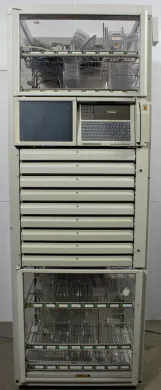
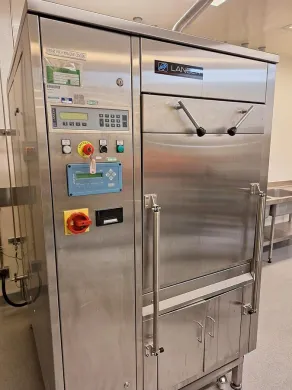
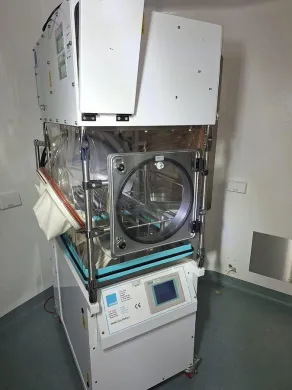
Pharmaceutical equipment is the class of machinery used to manufacture, process, test and inspect solid oral dosage forms and other drug products under controlled, validated conditions. The category spans tablet presses, capsule fillers, granulators, coating and polishing units, dedusters, inspection machines and the test instruments that check what comes off the line. On Questpair, 707 listings are offered across new, used and refurbished laboratory and production equipment, from 17 verified suppliers and distributors in 10 countries. Among the current listings, 98 percent are used. Prices run from EUR 0 to EUR 645.667, reflecting the gap between a single small instrument and a full production press.
Updated:
Pharmaceutical equipment product list
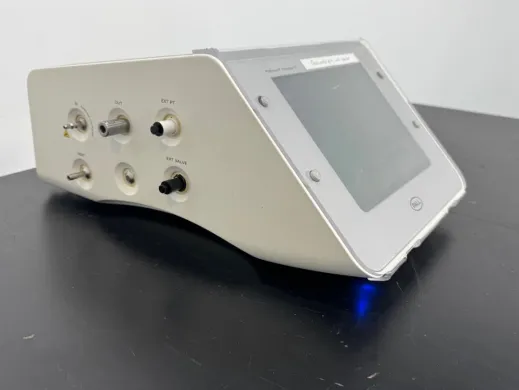
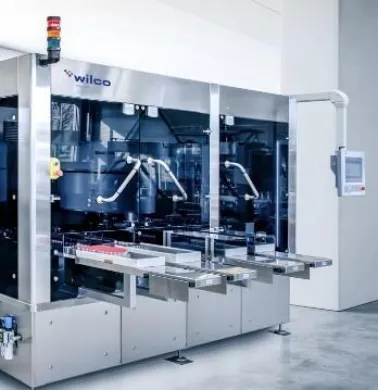
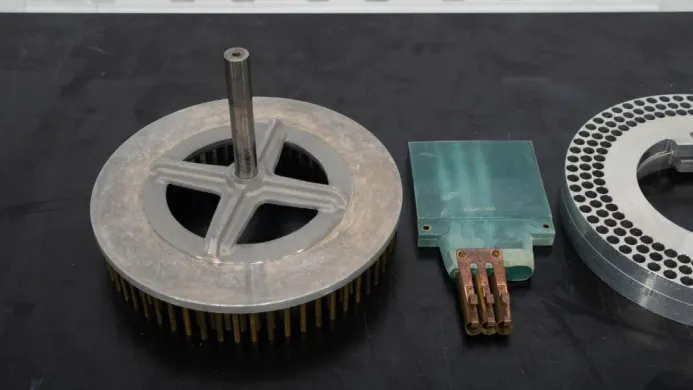
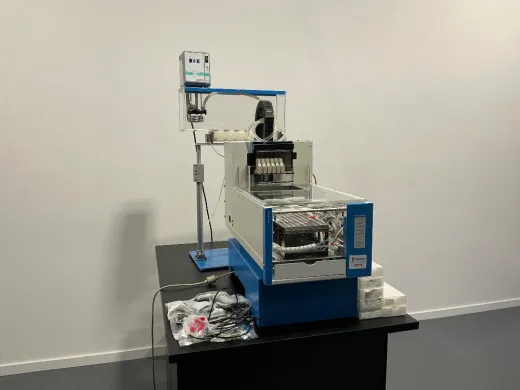


Not the exact instrument you need?
Tell our scientists what you are after. We track it down, including off-market supply.

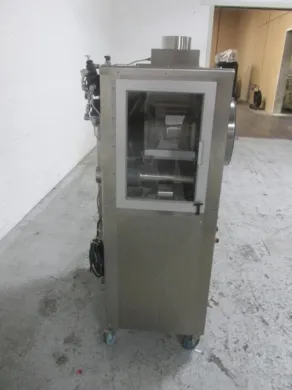
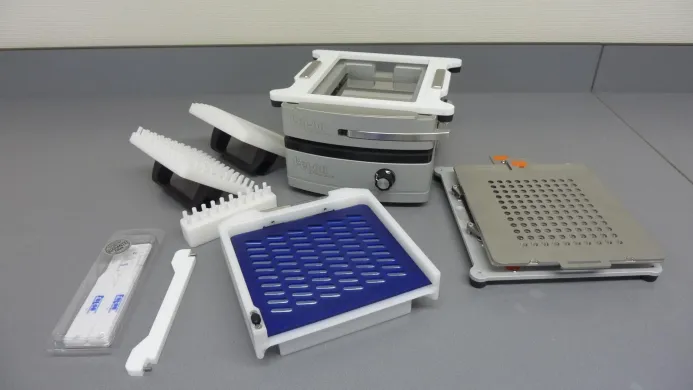
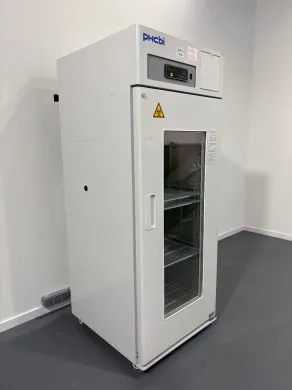
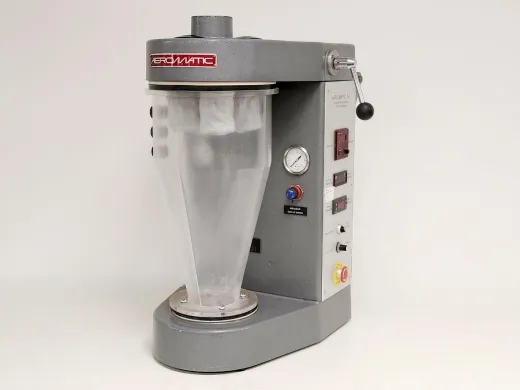
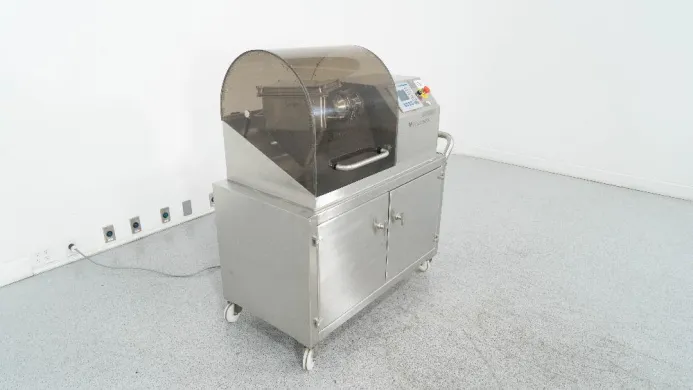
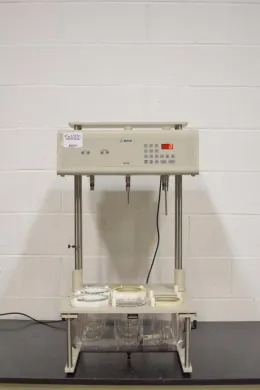
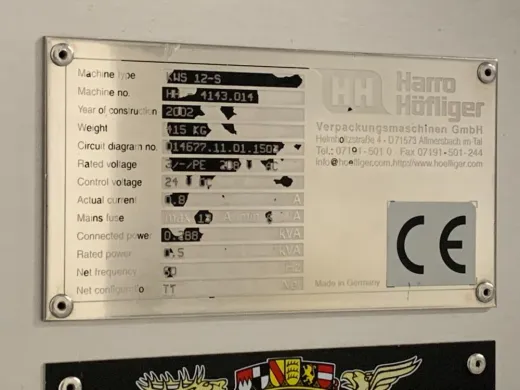
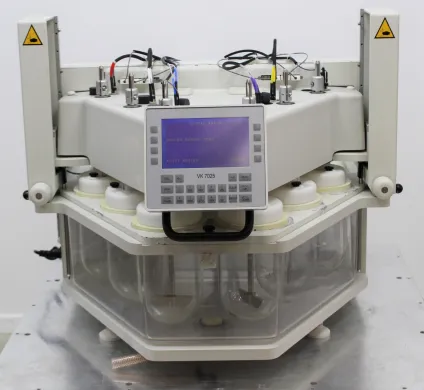

Not the exact instrument you need?
Tell our scientists what you are after. We track it down, including off-market supply.
Showing 1–40 of 468 listings
Show 40 more listingsBuying guide
What decides a pharmaceutical equipment purchase?
Throughput sets the frame for almost everything else on this category, because a machine built for pilot batches and one built for continuous production share a shape but little else. A tablet press rated for a few thousand tablets an hour suits formulation development and small clinical runs; a rotary press with dozens of stations and automated weight control is a different purchase at a different scale, and the two are not substitutes however similar the datasheets look. Decide the batch size the equipment has to serve before reading any other specification, because format change parts, tooling standards and compliance documentation all follow from it. A unit sized for the wrong volume is the most expensive mistake in this category, and it is the one that specification sheets hide best.
On a used machine the question shifts from what it can do to what it has already done. Pharmaceutical equipment carries a validation and maintenance history that matters more than any single figure, so ask for the service records, the format parts included, and whether tooling and change parts for your dosage form are present or have to be bought separately. Contact surfaces, seals and the condition of punches and dies determine whether a press is ready to run or needs a rebuild. Where documentation is thin, the cost of requalifying the machine for GMP use can approach the cost of the machine, so verify what paperwork comes with it before the price looks attractive.
Price in this category spreads further than almost any other on the marketplace. A small handheld test instrument and a complete production line sit under the same heading, which is why the range runs from EUR 0 to EUR 645.667. Used and refurbished units are listed below the cost of new, and for pilot-scale and development work a refurbished press or filler is frequently the affordable route that keeps a budget intact. The brands that occupy the catalogue, Bosch, Index, Accucold, Various, PHC Corporation, cover both the production and the laboratory ends, so what a unit costs depends as much on its scale and its tooling as on the maker's name. Prices run from EUR 0 to EUR 645.667. Match the figure to the batch size you settled on first, and the band narrows quickly.
Types of Pharmaceutical equipment
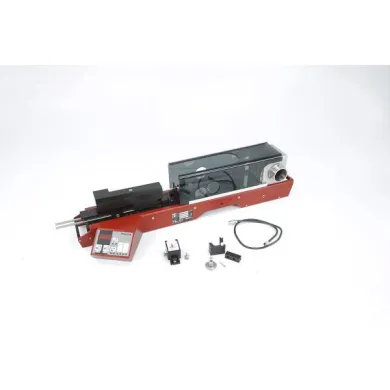
Pharmaceutical test equipment
The instruments that measure whether a dosage form meets specification, by a wide margin the largest part of this category. They cover hardness and friability testers, dissolution apparatus, disintegration testers and tablet weight and thickness gauges, the bench instruments a quality control lab runs on every batch. What separates them from the production machinery above is that they produce data rather than product, which is why they turn up in formulation development, stability studies and routine release testing alike. Dissolution and disintegration testing is central to pharmaceutical analysis and bioavailability work, and tablet hardness and friability testing underpins the gravimetric and mechanical analysis that a QC lab reports against the pharmacopoeia. These are the instruments a buyer reaches for first when the question is whether a tablet or capsule performs as it should.
Inspection machines
Automated visual and dimensional checking equipment, used to find defects that a human inspector cannot catch reliably at line speed. They examine filled vials, ampoules, blisters and capsules for cracks, particulate contamination, fill-level errors and missing units, and they sit at the end of a packaging or filling line where every unit has to pass before release. What distinguishes them from the bench test instruments is that they inspect every piece in a continuous stream rather than sampling a batch. Inline inspection is a core part of pharmaceutical quality assurance and sterile product release, and these systems also carry over into molecular diagnostics and medical device packaging where the same defect-detection task applies.
Capsule fillers
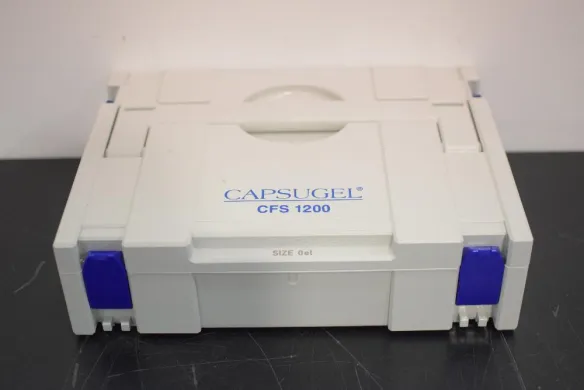
The machines that dose powder, pellets or liquid into two-piece hard capsules and close them. They range from benchtop semi-automatic units suited to development and small clinical batches to fully automatic fillers for production, and the choice between them follows directly from the batch size a buyer needs. What sets a capsule filler apart from a tablet press is the format: it fills a preformed shell rather than compressing a powder into a solid, which makes it the route for formulations that do not compress well. Capsule filling serves oral solid dosage manufacturing and is widely used in formulation development, early-phase clinical supply and the production of probiotic, nutraceutical and specialty drug products.
Polishers
Equipment that cleans and smooths capsules or coated tablets after filling or coating, removing surface powder, loose coating and static. A polisher brushes or tumbles the units against soft surfaces and extracts the dust, leaving a clean, uniform finish ready for inspection and packaging. What separates it from a deduster is emphasis: a polisher improves surface appearance and handling as well as removing debris, where a deduster is purely about stripping loose powder. Polishing is a finishing step in oral solid dosage manufacturing, and it is also used for the cosmetic and handling quality that downstream inspection machines depend on to read a surface correctly.
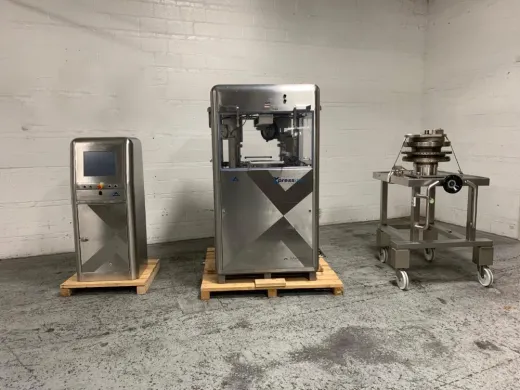
Tablet presses
The machines that compress powder or granulate into tablets under high force, the defining equipment of solid dosage production. They run from single-station presses for research and small batches to multi-station rotary presses that produce thousands of tablets a minute, and the format tooling, the punches and dies, determines the tablet's size, shape and markings. What distinguishes a tablet press from the other machinery here is the compression itself: it forms a solid dose by pressure alone, with no shell and no coating. Tablet pressing is at the heart of pharmaceutical manufacturing and formulation development, and these presses are also used in sample preparation for powder analysis where a compacted pellet is needed.
Dedusters
Compact units that remove loose powder from tablets as they leave the press, before they reach coating, polishing or packaging. A deduster vibrates or spirals the tablets through a mesh while a vacuum pulls away the fine dust that compression leaves behind, protecting downstream equipment and keeping tablet weight and appearance consistent. What sets it apart from a polisher is its single purpose: it strips powder, nothing more, and it is almost always paired directly with a press rather than used on its own. Dedusting is a routine step in oral solid dosage manufacturing, bridging the gap between compression and the finishing and inspection stages that follow.
High shear granulators
Mixing and granulation equipment that combines powders with a binding liquid under an intensive impeller and chopper to form dense, uniform granules. These granules flow and compress better than raw powder, which is why high shear granulation is a standard upstream step before tablet compression or capsule filling. What distinguishes a high shear granulator from a simple blender is the mechanical energy: the impeller works the wet mass hard enough to control granule size and density directly. High shear granulation is a central process in solid dosage formulation and pharmaceutical biomanufacturing, and it is also used in the formulation and sample preparation work where particle size and uniformity determine how a product behaves.
Frequently asked questions
What is pharmaceutical equipment?
It is the class of machinery used to manufacture, process, test and inspect drug products under controlled, validated conditions. The category covers tablet presses, capsule fillers, granulators, coating and polishing units, dedusters, inspection machines and the test instruments that check what comes off the line.
What does pharmaceutical equipment actually mean in practice?
In practice it splits into two groups: production machinery that forms a drug product, and test instruments that measure whether that product meets specification. A tablet press makes tablets, a hardness tester checks them, and both sit under the same category heading.
How does pharmaceutical equipment work?
Each type works on a different principle. A tablet press compresses powder under high force, a capsule filler doses powder into a preformed shell and closes it, a high shear granulator works a wet mass with an impeller to form granules, and a dissolution tester measures how a dosage form releases over time.
What types of pharmaceutical equipment are there?
On Questpair the category runs across pharmaceutical test equipment, inspection machines, capsule fillers, polishers, tablet presses, dedusters and high shear granulators. The commonly listed item types include pharmaceutical refrigerators, laboratory refrigerators, dosing discs, testing equipment, medical refrigerators and capsule filling machines.
What is pharmaceutical equipment used for?
It is used to formulate, produce and release solid oral dosage forms and other drug products. That ranges from compressing or filling the dose, to granulating and finishing it, to the dissolution, hardness and friability testing a quality control lab reports against the pharmacopoeia.
How do I choose the right pharmaceutical equipment?
Decide the batch size the machine has to serve before reading any other specification, because tooling standards, format change parts and compliance documentation all follow from it. A unit sized for pilot batches and one built for continuous production share a shape but are not substitutes.
What is the difference between refurbished and used pharmaceutical equipment?
Used equipment is sold in its current working state, while refurbished equipment has been reconditioned before resale. On a used press, ask specifically about the condition of punches, dies, seals and contact surfaces, because those determine whether it runs as it is or needs a rebuild.
How much does pharmaceutical equipment cost?
Across the Questpair listings prices run from EUR 0 to EUR 645.667, with an average of EUR 11.188. The spread reflects the gap between a single handheld test instrument and a full production press, so the figure depends mostly on scale and tooling.
Which brands are listed in this category?
The brands in the Questpair catalogue include Bosch, Index, Accucold, PHC Corporation and listings grouped under Various. They cover both the production and the laboratory ends of the category.
Can I get a warranty on refurbished pharmaceutical equipment?
A warranty is often possible and is arranged in consultation for the specific listing. Check the individual listing, since terms vary by unit and seller.
Are spare parts available for these machines?
Parts can be sourced via Questpair. For a press this includes format change parts and tooling such as punches and dies, which you should confirm are present or priced separately for your dosage form before buying.
How long does pharmaceutical equipment last?
A well maintained press or filler can run for many years, since the limiting factor is usually the condition of contact surfaces, seals and wear parts rather than the frame. On a used unit the validation and maintenance history tells you more about remaining life than age alone.
Should I buy new or refurbished pharmaceutical equipment?
Used and refurbished units are listed at lower prices than new, which is often the affordable route for pilot-scale and development work. Where you have to weigh the two, compare the specific listing and the documentation it carries, and note that warranty is arranged in consultation rather than set centrally.
Where can I buy pharmaceutical equipment?
On Questpair it is offered across 707 listings from 17 verified suppliers and distributors in 10 countries. Of those listings, 98 percent are used, with the rest new or refurbished.
What is the lead time and shipping on a used machine?
Lead time depends on the individual listing, the seller's location and whether the unit needs any reconditioning before dispatch. The listings span 10 countries, so shipping arrangements vary by supplier and should be confirmed on the specific listing.
What about calibration and maintenance?
Test instruments such as dissolution and hardness testers need periodic calibration to report valid data, and presses need routine attention to seals, tooling and contact surfaces. Questpair does not carry out servicing, but parts for maintenance can be sourced through it.
Which types are listed most, and who reaches for which?
Pharmaceutical test equipment is by a wide margin the largest part of this category, and it is what a quality control lab reaches for first to check whether a tablet or capsule performs. Capsule fillers and tablet presses are what a formulation or production team reaches for to make the dose, with benchtop units suiting development and automatic units suiting production.
Which brands dominate this category, and what does that mean for a buyer?
The listings are spread across Bosch, Index, Accucold, PHC Corporation and a Various grouping, covering both production and laboratory equipment. Because the range crosses scales, what a unit costs depends as much on its throughput and tooling as on the maker's name, so match the machine to your batch size rather than to the brand.
What separates the bottom of the price band here from the top?
The bottom of the band is a single small test instrument such as a handheld gauge, while the top is a complete production press or line with automated weight control and multiple stations. Throughput and tooling drive the gap between EUR 0 and EUR 645.667, which is why batch size should be settled before price.