

Packaging equipment
We personally find you the right used, refurbished and new packaging equipment from verified suppliers.
Packaging equipment is the class of machinery that seals, caps, labels, fills and encloses products into their final containers for storage, transport or sale. On the Questpair catalogue, 798 of the 819 listings are used, so 98 percent of the listings are used. New, used and refurbished laboratory units appear side by side, sourced from 18 verified suppliers and distributors across 11 countries. Prices run from EUR 9 to EUR 193.700, a spread that reflects everything from a single hand labeler to a complete automated line. The segment covers both bench-scale devices for small batches and the larger systems a production floor relies on.
Updated:
Packaging equipment product list


Not the exact instrument you need?
Tell our scientists what you are after. We track it down, including off-market supply.
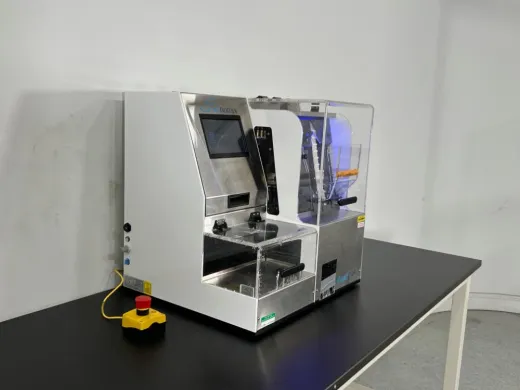
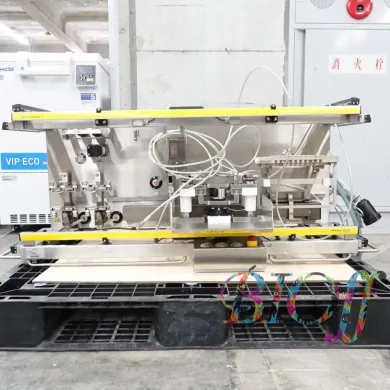
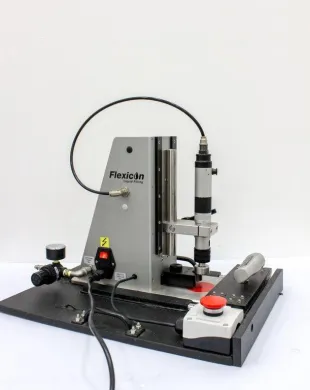
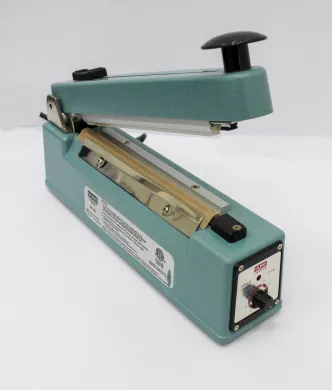
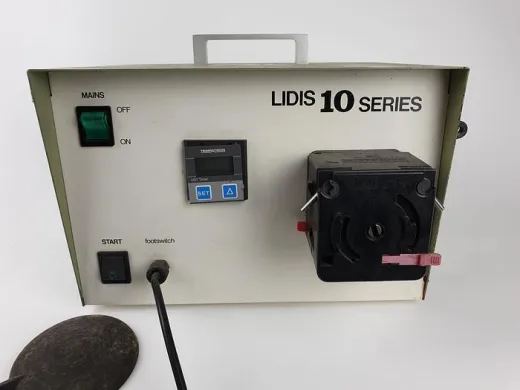
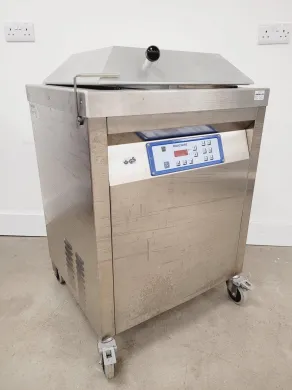
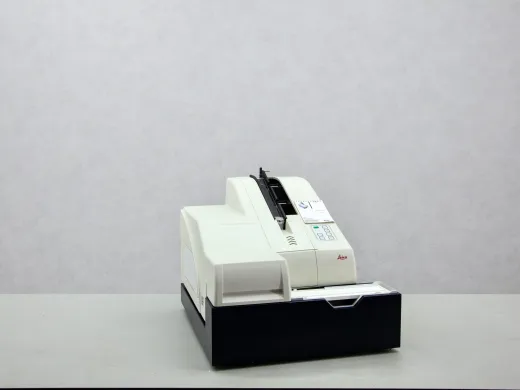
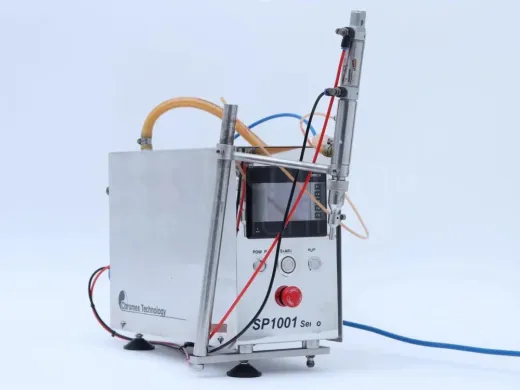
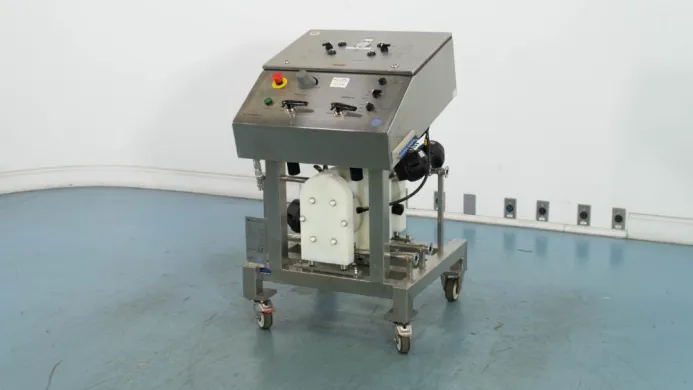
Not the exact instrument you need?
Tell our scientists what you are after. We track it down, including off-market supply.
Showing 1–40 of 450 listings
Show 40 more listingsBuying guide
The first thing to settle is throughput, because it dictates every other choice. A machine rated for a few dozen units an hour and one built for several thousand share a name and little else, and buying above or below the real batch size wastes money in opposite directions. A laboratory filling a handful of vials for a trial needs a semi-automatic bench unit; a contract packager running continuous shifts needs an inline system with its own feed and reject stages. Work out the units per hour the operation actually sustains, not its peak, and the field of candidates narrows before any brand enters the picture.
Condition is where this category demands the most attention, because packaging equipment wears in ways a datasheet does not show. Sealing jaws, capping chucks, filling nozzles and label applicators are the parts that touch product thousands of times a shift, and they are the parts that fail. On a used unit, ask what has been replaced and when, whether the change-parts for the current container size are included, and whether the control system is still supported or has aged out of spare availability. A machine that looks complete can still be missing the format tooling that makes it run a specific bottle or pouch, and that tooling often costs more than the gap in price suggested. Where a warranty matters, it is arranged in consultation for the individual listing rather than set across the catalogue, so read the listing before assuming coverage.
Price spans a wider band here than in almost any other laboratory category, and the two ends are different machines rather than the same machine in better and worse shape. The entry cost of a manual labeler or a bench sealer sits near EUR 9, while a full automated line reaches EUR 193.700, with the catalogue average around EUR 4.851. For a buyer working to a budget, the refurbished and used units listed for sale are more affordable than new equivalents, and the brands that recur, Zebra, Bosch, Various, Sartorius, Sartorius Stedim, give some sense of where the volume sits. Zebra and Sartorius anchor the labeling and weighing end, while Bosch reaches into heavier filling and sealing lines, so matching a brand to the throughput already decided is the practical way to read the range.
Types of Packaging equipment
Among the listings that specify a type, five subtypes dominate the packaging equipment on offer, each tied to a distinct step in getting a product into its final container.
Sealing
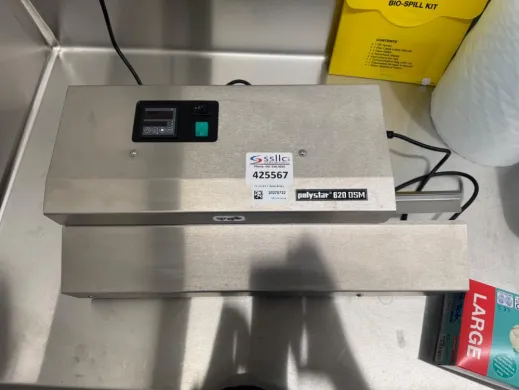
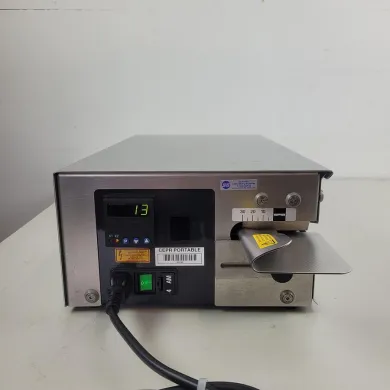
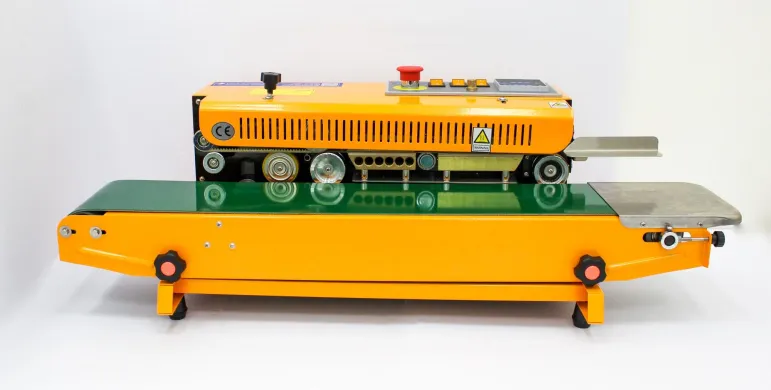
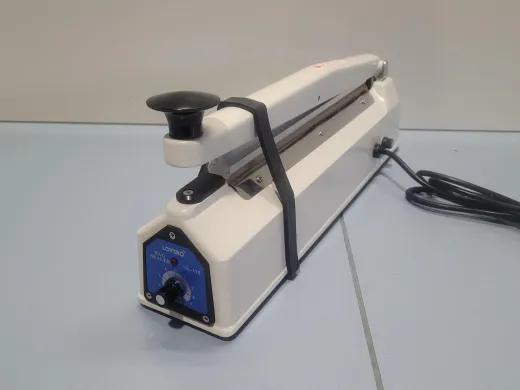
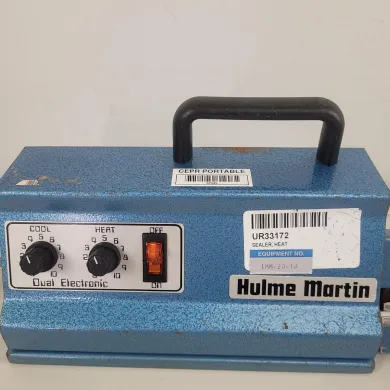
Sealing equipment is the largest group on the catalogue, the machinery that closes a container or pouch so its contents stay fixed and protected. Heat sealers, induction sealers and vacuum sealers each bond a lid, film or seam, and the choice turns on the material being closed and whether an airtight or tamper-evident result is required. In a laboratory setting these units close sample bags, blister packs and reagent pouches, and heat sealing is the standard method for preparing sterile pouches ahead of sterilisation. A buyer weighs seal integrity against speed: a bench heat sealer handles occasional batches, while a continuous band sealer keeps a line moving. The jaws and heating elements are the wear parts to check on a used machine.
Capping equipment
Capping equipment applies and tightens closures onto bottles, vials and jars, covering screw caps, press-on caps and crimp seals. The distinction that matters is torque control: a cap applied too loosely leaks and one applied too tightly cracks, so repeatable torque is what separates a production capper from a makeshift one. In molecular biology and clinical workflows these systems close sample vials and reagent bottles at volume, and consistent crimping is part of sample preparation for long-term storage. Single-head bench cappers suit small runs; rotary multi-head machines serve higher throughput. The chuck and torque mechanism are the parts whose condition a buyer verifies first.
Labelers
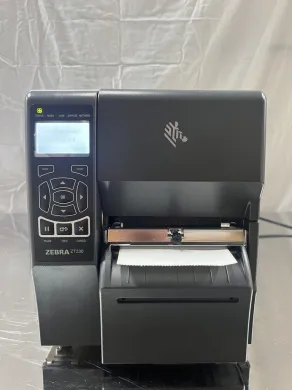
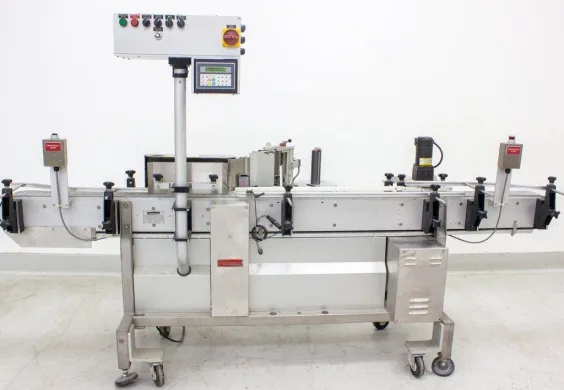
Labelers apply printed labels to containers, and they split into print-and-apply units that generate a label on demand and applicators that place a pre-printed one. Accuracy of placement and print legibility are the deciding specifications, since a misaligned or faded label fails traceability. In genomics and proteomics laboratories, labelers mark sample tubes and plates with barcodes that carry through the whole chain of custody, and barcode labeling is also used for immunoassay plate tracking. The dominant brands here, Zebra among them, are known for print engines rather than full lines. A buyer checks the applicator head and the ribbon or media compatibility on a used unit.
Filling machines
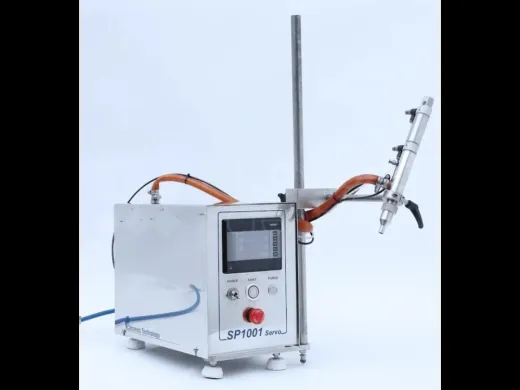
Filling machines dispense a measured quantity of liquid, powder or granule into a container, and they are defined by dosing accuracy and the viscosity range they handle. Volumetric, gravimetric and peristaltic fillers each suit a different product, with gravimetric units weighing each fill for precision. In bioprocessing and cell culture work, filling machines dispense media and buffers into vials and flasks, and they are also used for aliquoting reagents in protein purification. Bench fillers serve small batches; inline fillers integrate with capping and sealing on a production line. The nozzles and dosing pumps are the components to inspect, since they contact product directly and wear with use.
Casing
Casing equipment, the smallest group on the catalogue, forms, loads or closes the outer cases and cartons that hold grouped products for transport. Case erectors, case packers and case sealers each handle one stage of secondary packaging, and the deciding factor is case size range and the pattern in which products are loaded. In a laboratory supply or biomanufacturing context, casing machinery packs finished kits and consumables for shipment rather than touching the product itself. These units are the heaviest and least common in the segment, so a buyer weighs floor space and integration against how often full cases actually need to be made.
Frequently asked questions
What is packaging equipment?
Packaging equipment is machinery that seals, caps, labels, fills and cases containers for storage, shipment or sale. It covers everything from a single benchtop labeller to a full automated filling line.
What does packaging equipment mean?
The term refers to the class of process and laboratory machines that close, mark and pack filled containers. In practice it groups sealers, cappers, labellers, filling machines and casing equipment under one category.
How does packaging equipment work?
Each type acts on a container at a different stage: a filler meters product in, a capper or sealer closes it, a labeller marks it, and casing equipment packs it for shipment. The mechanism depends on the format, for example an induction sealer bonds a foil liner with a magnetic field while a jaw sealer fuses plastic film with heat.
What types of packaging equipment are there?
The main subtypes are sealing equipment, capping equipment, labellers, filling machines and casing. On Questpair the listed types include packaging equipment, barcode printers, tube sealers, heat sealers, industrial label printers and pharmaceutical packaging equipment.
What is packaging equipment used for?
It is used to close, mark, fill and pack containers across laboratory and process settings. In life sciences that includes sealing microplates, crimping serum vials, labelling sample tubes and filling media or formulated product into vials and bottles.
How do I choose packaging equipment?
Start with container compatibility: fix the container format, closure type and fill volume, because those three determine which machines are candidates. Throughput in units per hour comes next, and it decides between a semi-automatic bench unit and an inline automatic one based on your batch size.
What is the difference between refurbished and used packaging equipment?
A used unit is sold in its existing condition, while a refurbished one has been reconditioned before listing. For both, the parts that touch product, such as sealing jaws, capping chucks and filling pumps, are what to verify, since they wear and are format-specific.
How much does packaging equipment cost?
Listings on Questpair range from EUR 9 to EUR 193.700, with the average at EUR 4.851. The spread is wide because the category runs from a manual labeller to a validated pharmaceutical filling line.
What brands of packaging equipment are available?
Brands listed on Questpair include Zebra, Bosch, Sartorius and Sartorius Stedim, alongside units grouped as Various. Zebra is concentrated in labelling hardware and Bosch in filling and sealing lines.
Can I get a warranty on refurbished packaging equipment?
A warranty is often possible and is arranged in consultation for the specific listing. Check the individual listing and raise the question before purchase.
Are parts available for packaging equipment?
Parts can be sourced via Questpair. On used machines the format-specific change parts, including sealing jaws, capping chucks, star wheels and guide rails, are worth confirming first, since they are often absent or sized for the previous owner's container.
How long does packaging equipment last?
Lifespan depends heavily on the product-contact parts, which wear and may need replacement over time. Pumps, pistons, seals, jaws and chucks carry the usage and cleaning history, so their condition matters more than the age of the frame.
Should I buy new or refurbished packaging equipment?
Used and refurbished units are listed at lower prices than new. For a buyer whose budget rules out a new line, a reconditioned semi-automatic machine often covers the same batch sizes at a lower cost; where the two are close, compare the individual listings and note that warranty is arranged in consultation.
Where can I buy packaging equipment?
On Questpair, 819 packaging equipment listings are available from 18 verified suppliers and distributors across 11 countries. New, used and refurbished units all appear in the catalogue.
What are the lead time and shipping for packaging equipment?
Lead time and shipping depend on the individual supplier and the unit, so these are set at the listing level rather than centrally. Contact Questpair for a specific listing and specialists respond within an hour.
How is packaging equipment calibrated and maintained?
Maintenance centres on the format-specific parts that touch product, so confirming the condition of pumps, seals, jaws and chucks is the practical starting point. Questpair does not carry out servicing, but parts can be sourced through it when a replacement set is needed.
Which types in this category are listed most, and who reaches for which?
Among listings that specify a type, sealers are the most common, while casing equipment is the least represented and usually appears as standalone erectors or sealers. Labellers and fillers draw diagnostics and genomics labs marking tubes and plates, cappers and fillers serve bioprocessing and sterile fill workflows, and casing sits at the end of line for shipment packing.
Which brands dominate this category, and what does that mean for a buyer?
Zebra concentrates in labelling hardware and Bosch in filling and sealing lines, with Sartorius and Sartorius Stedim also present and a share of units grouped as Various. Where a listing carries a recognised name, parts availability and model documentation tend to be easier to confirm than on an unbranded unit.
What separates the cheapest packaging equipment from the most expensive?
The bottom of the band is typically a manual or semi-automatic bench unit, such as a single labeller, that handles low throughput. The top is a validated pharmaceutical filling line with higher units-per-hour rates, tighter fill accuracy and torque control, which is why prices span from EUR 9 to EUR 193.700.