

Medical imaging equipment
We personally find you the right used, refurbished and new medical imaging equipment from verified suppliers.
Medical imaging equipment is the class of instruments that produce visual representations of the interior of a body for clinical diagnosis and procedural guidance. The category spans ultrasound scanners, radiographic and x-ray systems, and cardiology-specific imaging devices, each built around a different physical principle for seeing inside tissue. On the Questpair marketplace, 99 percent of the listings are used, drawn from 10 verified suppliers and distributors across 7 countries. New, used and refurbished units are all listed, with prices spanning EUR 172 to EUR 258.267. The spread reflects the gap between a handheld laboratory probe and a complete hospital-grade scanner, and 146 items sit within it.
Updated:
Medical imaging equipment product list


Not the exact instrument you need?
Tell our scientists what you are after. We track it down, including off-market supply.
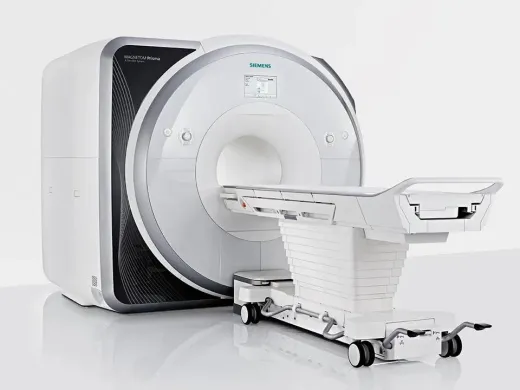
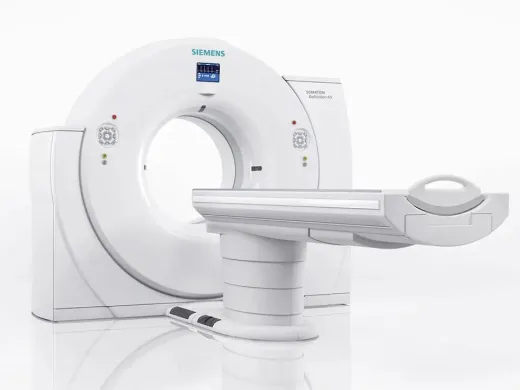
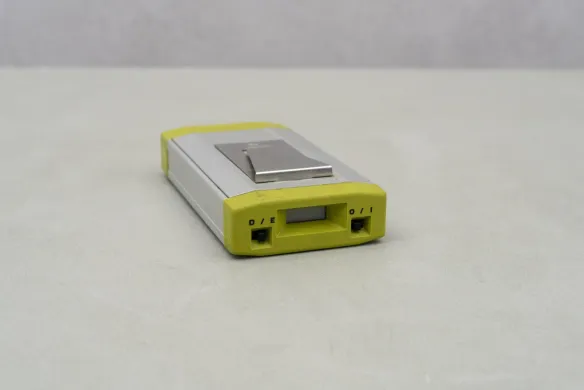
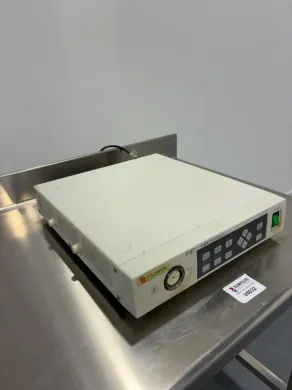
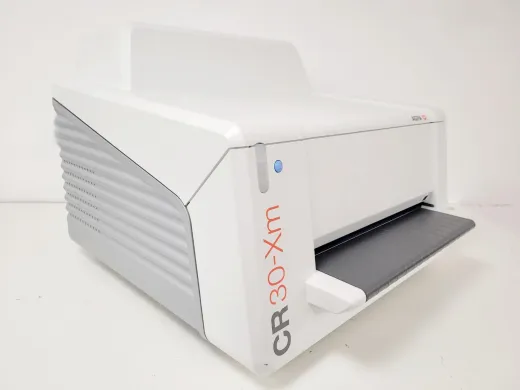
Not the exact instrument you need?
Tell our scientists what you are after. We track it down, including off-market supply.
Showing 1–40 of 92 listings
Show 40 more listingsBuying guide
What modality actually fits the clinical question?
The decision that governs a medical imaging purchase is the modality itself, and that follows from what a clinician needs to see rather than from any specification on a datasheet. Soft tissue, blood flow and real-time motion point to ultrasound; bone, dense structures and rapid survey point to radiographic and x-ray systems; a beating heart with its valves and wall motion points to cardiology-specific equipment. Resolution, penetration depth and frame rate matter only once the modality is settled, because a figure that decides an ultrasound purchase is meaningless for an x-ray unit. Match the physics to the question first, and the rest of the specification narrows on its own.
Within a modality, the transducer or detector is where the real variation sits. For an ultrasound system the probe set determines what the machine can actually do: a cardiac phased-array probe, a linear vascular probe and a curved abdominal probe are not interchangeable, and a scanner sold without the probe a buyer needs is a part of a system rather than a working one. For radiographic equipment the detector type, whether a flat-panel digital receptor or an older film or computed-radiography path, settles both image handling and ongoing cost. Confirm which components are included before weighing the console itself.
On a used unit, verification turns on condition rather than catalogue description. These systems carry a service history, and a buyer checks the operating hours or scan count where the console reports them, the state of the probes or detector, and whether calibration and image-quality records exist. A probe with a cracked lens or a detector with dead pixels degrades every study regardless of how the console performs. Parts can be sourced via Questpair where a component needs replacing, and warranty is arranged in consultation for the individual listing, so read the listing for what each unit specifically includes.
Price on this marketplace covers an unusually wide field, from a low-cost portable probe to a complete scanner, and the catalogue runs from EUR 172 to EUR 258.267. That range is what a buyer weighs against a budget: a compact portable ultrasound and a full radiology installation occupy opposite ends of it, with the average sitting at EUR 10.066. Used and refurbished units listed for sale are more affordable than new, which is why the condition mix leans the way it does. The brands that dominate the listings, Olympus, Siemens, Pentax, Philips, GE Healthcare, set the reference points for what a unit costs and how easily one model compares against another.
Types of Medical imaging equipment
Ultrasound
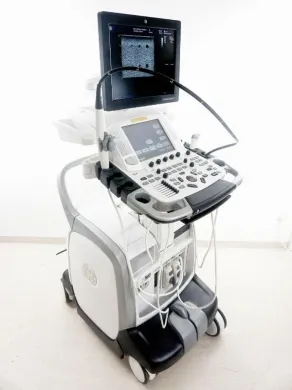
Ultrasound equipment forms images from high-frequency sound reflected by tissue, with no ionising radiation, which makes it the modality of choice for real-time soft-tissue and blood-flow work. Among the Questpair listings it is the most represented subtype, and the systems range from compact portable units to full cart-based consoles. What separates one scanner from another is the probe set and the processing: cardiac, vascular, abdominal and obstetric work each call for a different transducer and a different imaging mode, from B-mode grey-scale to colour and spectral Doppler. In the life sciences and biotechnology setting, ultrasound also serves preclinical imaging and small-animal research, where high-frequency probes resolve structures in laboratory models. A buyer in sonography or point-of-care imaging weighs portability against image quality, and confirms that the probes a given application needs are included with the console.
Radiology
Radiology equipment here refers to the broader radiographic systems that use x-rays to image dense structures, bone and chest being the classic cases. These units separate along the detector path: a flat-panel digital receptor handles images electronically and feeds directly into picture-archiving systems, while older computed-radiography and film-based paths carry different workflow and consumable costs. The distinction matters because it drives both image handling and the long-term running cost rather than the headline specification. Among the listings, radiology sits below ultrasound in volume. A buyer in diagnostic radiography weighs tube condition, generator output and detector state, since each shapes image quality and the usable life of a used unit.
X-ray medical devices
X-ray medical devices cover the more specific x-ray instruments and components within the radiographic family, as distinct from a complete radiology installation. This grouping includes mobile and dedicated units, tubes, generators and the parts that make a radiographic chain work, so what separates one listing from another is often whether it is a standalone device or a subassembly. A buyer here is frequently sourcing a specific component, a tube or a generator, to keep an existing system running, and parts of this kind can be sourced via Questpair. Verifying exposure count, tube condition and compatibility with the host system matters more than any single catalogue figure, because an x-ray component is only useful in the chain it was built for.
Cardiology
Cardiology imaging equipment is the modality-specific class built to image the heart and its motion, echocardiography being the central application. A single listing represents this subtype among the current catalogue, and what sets a cardiology system apart is its emphasis on temporal resolution and dedicated measurement: a phased-array cardiac probe, high frame rates to capture wall motion, and tools for ejection-fraction and valve assessment that general-purpose scanners do not carry. The work it supports, cardiac diagnostics and functional assessment, demands that the probe and software package match the clinical protocol rather than the console alone. A buyer confirms that the cardiac probe and the measurement software are present, since a cardiology console stripped of its dedicated probe reverts to a general imaging system.
Frequently asked questions
What is medical imaging equipment?
It is the class of instruments that produce visual representations of the inside of a body for clinical diagnosis and procedural guidance. The category covers ultrasound scanners, radiographic and x-ray systems, and cardiology-specific imaging devices, each built on a different physical principle for seeing inside tissue.
What does medical imaging equipment mean?
The term groups together any device that generates an image of internal anatomy without opening the body. It spans modalities as different as sound-based ultrasound and radiation-based x-ray, linked only by their shared purpose of visualising tissue, bone or organ function.
How does medical imaging equipment work?
Each modality uses a different physical principle: ultrasound forms images from high-frequency sound reflected by tissue, while radiographic and x-ray systems pass x-rays through the body and record how dense structures absorb them. Cardiology systems apply the ultrasound principle with high frame rates and a phased-array probe to capture the heart in motion.
What types of medical imaging equipment are there?
On Questpair the listed types include flexible endoscope, endoscopy video processor, medical imaging processor, diagnostic imaging equipment, medical imaging device and diagnostic endoscope. These divide broadly into ultrasound, radiology, x-ray components and cardiology-specific systems.
What is medical imaging equipment used for?
It is used for clinical diagnosis and for guiding procedures in real time. Ultrasound handles soft tissue and blood flow, radiographic and x-ray systems image bone and dense structures, and cardiology equipment assesses heart motion and function.
How do I choose medical imaging equipment?
Start from the clinical question rather than the datasheet: soft tissue and blood flow point to ultrasound, bone and dense structures to radiographic and x-ray systems, and the beating heart to cardiology equipment. Once the modality is settled, confirm which probes or detector are included, since a scanner without the probe you need is a part of a system rather than a working one.
What is the difference between refurbished and used imaging equipment?
Used describes a unit sold in its existing condition with whatever service history it carries, while refurbished implies the unit has been reconditioned before sale. For either, read the individual listing for operating hours or scan count, the state of the probes or detector, and whether calibration records exist.
How much does medical imaging equipment cost?
Prices on Questpair range from EUR 172 to EUR 258.267, with the average at EUR 10.066. The spread reflects the gap between a handheld laboratory probe and a complete hospital-grade scanner.
Which brands are listed for medical imaging equipment?
The brands appearing across the listings include Olympus, Siemens, Pentax, Philips and GE Healthcare. These set the reference points for what a unit costs and how one model compares against another.
Can I get a warranty on refurbished imaging equipment?
A warranty is often possible and is arranged in consultation for the specific listing. Because terms are not set centrally, check the individual listing for what each unit includes.
Are parts available for medical imaging equipment?
Parts such as x-ray tubes and generators can be sourced via Questpair when a component needs replacing. Verify exposure count, tube condition and compatibility with the host system, since an x-ray component is only useful in the chain it was built for.
How long does medical imaging equipment last?
Usable life depends on the condition of the wearing components rather than the console alone: a probe with a cracked lens or a detector with dead pixels degrades every study. On a used x-ray unit, tube condition and exposure count shape how much life remains.
Should I buy new or refurbished imaging equipment?
Used and refurbished units are listed at lower prices than new, which is why the condition mix leans the way it does. Where you have to weigh the two, read the individual listing and note that warranty is arranged in consultation for that specific unit.
Where can I buy medical imaging equipment?
Questpair lists 146 items from 10 verified suppliers and distributors across 7 countries. New, used and refurbished units all appear in the catalogue.
What is the lead time and shipping on imaging equipment?
Lead time and shipping depend on the individual supplier and the unit, so the listing is where those terms are stated. If a listing does not make them clear, Questpair specialists respond to enquiries within one hour.
How is medical imaging equipment calibrated and maintained?
A used system carries a service history, and a buyer checks whether calibration and image-quality records exist before purchase. Questpair does not perform servicing, but replacement parts can be sourced through the marketplace.
Which types in this category are listed most, and who reaches for which?
Ultrasound is the most represented subtype, with flexible endoscopes and endoscopy video processors also prominent among the listed types. A sonographer or point-of-care user reaches for ultrasound, a diagnostic radiographer for radiographic systems, and a cardiology department for the phased-array systems built to image heart motion.
Which brands dominate this category and what does that mean for a buyer?
Olympus, Siemens, Pentax, Philips and GE Healthcare appear most across the listings. For a buyer this means more comparable units and more straightforward cross-referencing of models and parts within those names, since a widely listed brand gives you several reference points to weigh one unit against another.
What separates the cheapest listings from the most expensive?
The bottom of the band is typically a compact portable probe or a single component, while the top is a complete cart-based scanner or full radiology installation. Between them, the probe set or detector type and the processing capability account for most of the difference, since those determine what the machine can actually do.