53k+ listingsShips to NLResponse within one hour+31 73 711 4717info@questpair.com
Procurable · sourced on request

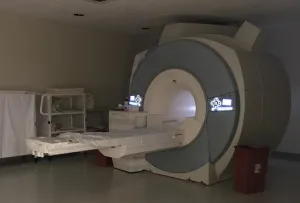
Siemens MAGNETOM Trio

UsedSiemensMRINetherlands
Procurable

Not in stock, available to order through our sourcing team

Not in stock, but we can get it for you

We source this model through our supplier network. Request a quote and we'll come back within one hour.

  1. Request a quote
  2. We confirm price and lead time
  3. You approve, we ship to you
Field Strength
3 T
Gradient Field Strength
45 mT/m
Gradient Slew Rate
200 T/m/s
Acoustic Noise Reduction
Up to 90%
Magnet Homogeneity
0.1 ppm VRMS for 50 cm DSV
Availability
Procurable
Lead time
Confirmed with your quote
All 21 specifications
  • Ships to NL
  • Response within 1 hour
  • Warranty available. Buy without worry
  • Support from a scientist

Specifications 21

Brands
Siemens
New/Used
Used
Field Strength
3 T
Gradient Field Strength
45 mT/m
Gradient Slew Rate
200 T/m/s
Acoustic Noise Reduction
Up to 90%
Magnet Homogeneity
0.1 ppm VRMS for 50 cm DSV
Number of Independent RF Channels
48
Power Requirements
400 V, 3-phase, 50/60 Hz
Coil Elements
Up to 76
Field of View (FOV)
50 cm
Whole-Body Coverage
205 cm
Patient Table Weight Capacity
250 kg
Magnet Dimensions (L x W x H)
2210 x 2440 x 2130 mm
Magnet Weight
12,000 kg
Bore Diameter
600 mm
Cooling System
Helium-cooled superconducting magnet
Cryogen Consumption
0.12 L/hr
5 Gauss Fringe Field
3.4 m (radial), 5.9 m (axial)
Availability
Procurable
Lead time
Confirmed with your quote

Product description

3T MRI with 45 mT/m gradients, Tim technology, 32 RF channels, and 50 cm field of view for clinical and research imaging.

Siemens MAGNETOM Trio is a 3 Tesla (3T) whole-body magnetic resonance imaging (MRI) scanner designed to deliver exceptional image quality for both clinical and research applications. Introduced in the early 2000s, this system integrates Siemens' proprietary Total Imaging Matrix (Tim) technology, enabling flexible coil combinations and reducing the need for patient repositioning during scans.

Key features include:

  • High gradient performance: Delivers up to 45 mT/m gradient strength with a slew rate of 200 T/m/s, facilitating rapid and precise imaging.
  • Tim technology: Allows seamless integration of up to 102 coil elements with 32 RF channels, enhancing signal-to-noise ratio and image clarity.
  • AudioComfort: Reduces acoustic noise levels by up to 90%, improving patient comfort during scans.
  • Ultra-lightweight Body Matrix coil: Weighing only 950 grams, it enhances patient comfort, particularly for those who are frail or critically ill.
  • Large field of view: Offers up to 50 cm, accommodating a wide range of patient sizes and imaging requirements.

This MRI system is widely utilised in various scientific fields, including:

  • Neurology: Advanced neuroimaging techniques such as diffusion tensor imaging and fibre tracking.
  • Orthopaedics: Detailed imaging of musculoskeletal structures, including small joints like the wrist and fingers.
  • Cardiology: High-resolution cardiac imaging for assessing heart diseases.
  • Oncology: Precise tumour detection and monitoring.
  • Whole-body imaging: Comprehensive scans for systemic evaluations.

Commonly found in:

  • University hospitals: Supporting both clinical diagnostics and academic research.
  • Biomedical research centres: Facilitating advanced studies in human anatomy and pathology.
  • Diagnostic imaging centres: Providing high-quality imaging services for diverse patient populations.

While the MAGNETOM Trio was first introduced in the early 2000s, it remains in use today, particularly in institutions that value its robust performance and reliability.

Why Questpair exists

Lab equipment markets are fragmented. Buyers spend weeks calling distributors, comparing quotes, and verifying supplier reliability. Sellers struggle to reach global research labs.

We built Questpair to fix this. Every supplier on the platform is verified before listing. Every quote you receive comes from a real, vetted seller. AI prepares your case in minutes, then a real specialist takes over.

We're an independent team based in The Netherlands, working with research labs and procurement teams across Europe and worldwide.

Frequently asked questions

How long does laboratory equipment typically last?

With a service contract, ten to fifteen years is normal for most benchtop instruments. Detectors and pumps are the parts that wear first.

Can I get service for older equipment?

Often, yes. Verified suppliers frequently work with service partners converting the instrument. If applicable, we can list servicing options alongside the offer.

Where can I buy parts?

Ask a scientist through the request button. Parts are often available even when the instrument itself is discontinued.

What is the typical lead time for refurbished equipment?

Two to six weeks, depending on refurbishment scope and whether calibration is included.

Does laboratory equipment ship internationally?

We ship to 38 countries. Crating and customs handling are quoted with the instrument.

Reply in one hour

Can't find the exact configuration?

Tell us what you need and a scientist finds it for you, usually within the hour.

Last updated 5 November 2026