53k+ listingsShips to NLResponse within one hour+31 73 711 4717info@questpair.com
Procurable · sourced on request

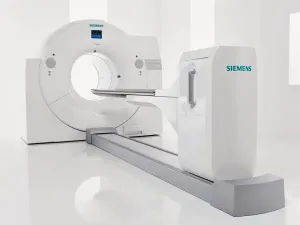
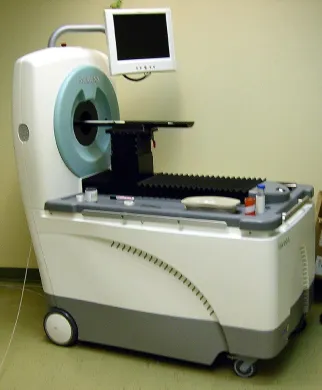
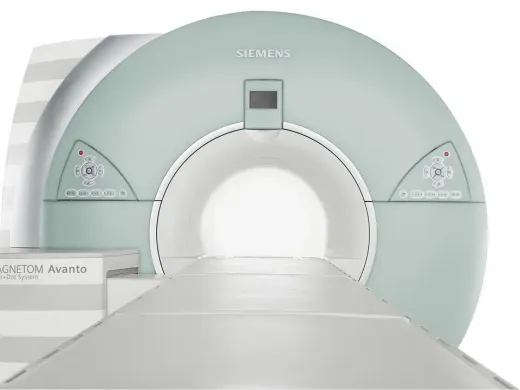
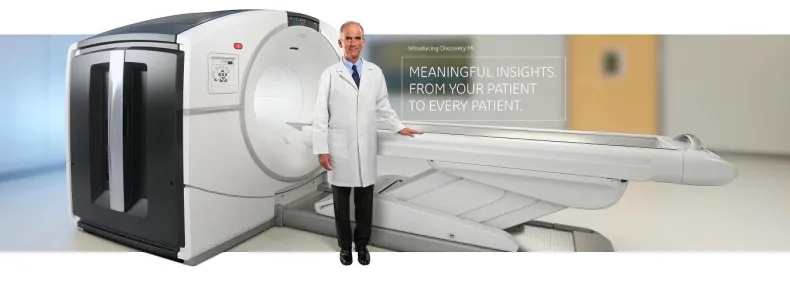
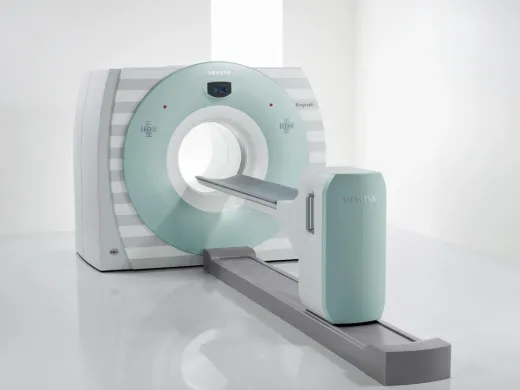
Siemens Biograph

UsedSiemensMedical imaging equipment - otherNetherlands
Procurable

Not in stock, available to order through our sourcing team

Not in stock, but we can get it for you

We source this model through our supplier network. Request a quote and we'll come back within one hour.

  1. Request a quote
  2. We confirm price and lead time
  3. You approve, we ship to you
Gantry Bore Diameter
780 mm
Gantry Tunnel Length
1360 mm
Patient Table Capacity
227 kg
Crystal Size
4 x 4 x 20 mm
Sample Volume Capacity
Not specified
Availability
Procurable
Lead time
Confirmed with your quote
All 24 specifications
  • Ships to NL
  • Response within 1 hour
  • Warranty available. Buy without worry
  • Support from a scientist

Specifications 24

Brands
Siemens
New/Used
Used
Gantry Bore Diameter
780 mm
Gantry Tunnel Length
1360 mm
Patient Table Capacity
227 kg
Crystal Size
4 x 4 x 20 mm
Sample Volume Capacity
Not specified
Compatible Materials
Not specified
Effective Sensitivity
13.2 cps/kBq
Effective Peak NEC Rate
253 kcps at ≤30 kBq/cc
Time-of-Flight Performance
540 ps
Coincidence Window
4.1 ns
Operating Temperature Range
20–24 °C
Operating Relative Humidity
15% to 75% without condensation
Operating Pressure Limits
Not specified
Power Supply for PET
200–240 VAC, single phase, 3.8 kVA, 50/60 Hz
Power Supply for CT
380–480 VAC, 3-phase, 50/60 Hz, 111 kVA
Detection Limits
Not specified
Measurement Range
Not specified
Connectivity Ports
Not specified
Connectivity Protocols
Not specified
Data Output
Not specified
Availability
Procurable
Lead time
Confirmed with your quote

Product description

Advanced PET/CT scanners with TOF and AI integration for high-resolution anatomical and functional imaging.

The Siemens Biograph series represents a pioneering line of PET/CT scanners that have significantly advanced medical imaging since their introduction in 2000. By integrating positron emission tomography (PET) with computed tomography (CT), these systems provide comprehensive anatomical and functional imaging, enhancing diagnostic accuracy across various medical disciplines.

Key features of the Biograph series include:

  • High-resolution imaging: Utilising advanced detector technologies, such as lutetium oxyorthosilicate (LSO) crystals and silicon photomultipliers (SiPMs), to deliver exceptional spatial resolution.
  • Time-of-flight (TOF) capabilities: Achieving industry-leading temporal resolution, with models like the Biograph Vision.X offering TOF of 178 picoseconds, enhancing lesion detectability and image clarity.
  • Integrated workflows: Incorporating AI-powered platforms, such as AIDAN, to streamline imaging processes and improve operational efficiency.
  • Patient-centric design: Featuring large bore sizes and user-friendly interfaces to accommodate diverse patient populations and enhance comfort during scans.

These scanners are extensively utilised in fields such as oncology, cardiology, neurology, and theranostics, facilitating precise disease detection, staging, and treatment monitoring. They are commonly found in university hospitals, biomedical research centres, and clinical diagnostic facilities worldwide.

Since their debut in 2000, the Biograph series has evolved through multiple iterations, including the Biograph TruePoint, Biograph mCT, and Biograph Vision models, each introducing technological advancements to meet the growing demands of modern medical imaging.

Why Questpair exists

Lab equipment markets are fragmented. Buyers spend weeks calling distributors, comparing quotes, and verifying supplier reliability. Sellers struggle to reach global research labs.

We built Questpair to fix this. Every supplier on the platform is verified before listing. Every quote you receive comes from a real, vetted seller. AI prepares your case in minutes, then a real specialist takes over.

We're an independent team based in The Netherlands, working with research labs and procurement teams across Europe and worldwide.

Frequently asked questions

How long does laboratory equipment typically last?

With a service contract, ten to fifteen years is normal for most benchtop instruments. Detectors and pumps are the parts that wear first.

Can I get service for older equipment?

Often, yes. Verified suppliers frequently work with service partners converting the instrument. If applicable, we can list servicing options alongside the offer.

Where can I buy parts?

Ask a scientist through the request button. Parts are often available even when the instrument itself is discontinued.

What is the typical lead time for refurbished equipment?

Two to six weeks, depending on refurbishment scope and whether calibration is included.

Does laboratory equipment ship internationally?

We ship to 38 countries. Crating and customs handling are quoted with the instrument.

Reply in one hour

Can't find the exact configuration?

Tell us what you need and a scientist finds it for you, usually within the hour.

Last updated 6 November 2026