

Medical diagnostic instruments - other
We personally find you the right used, refurbished and new medical diagnostic instruments - other from verified suppliers.
Medical diagnostic instruments in this category are the benchtop analyzers that measure the chemical and physiological state of a patient sample, blood, serum, plasma or urine, and return a quantified result a clinician acts on. The grouping covers clinical chemistry analyzers, blood gas analyzers, electrolyte and metabolite analyzers, and related biochemical instruments that do not fall under a more specific heading. On Questpair the category holds 216 listings from 16 verified suppliers and distributors across 8 countries. New, used and refurbished units are all listed. 99 percent of the listings are used. Prices span a wide band, from laboratory consumables to complete diagnostic platforms.
Updated:
Medical diagnostic instruments - other product list


Not the exact instrument you need?
Tell our scientists what you are after. We track it down, including off-market supply.

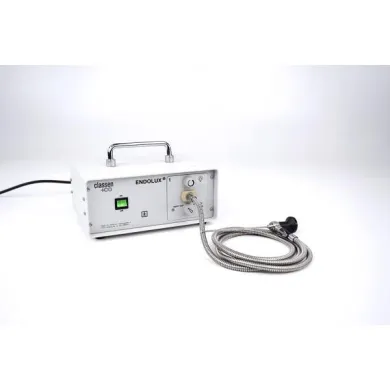
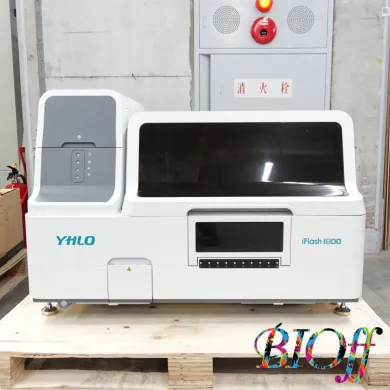
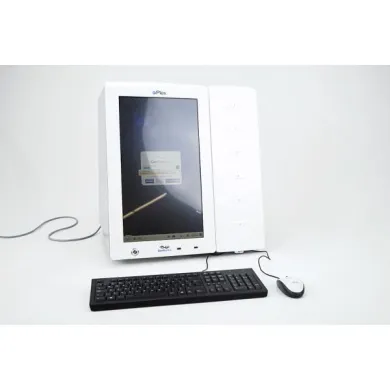
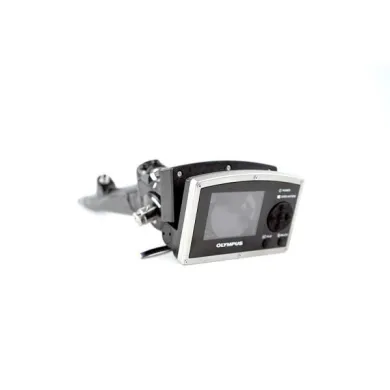
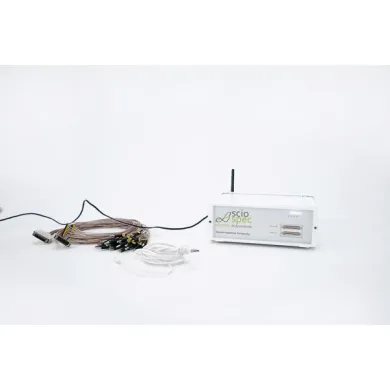
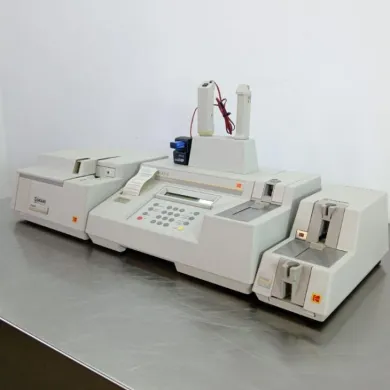
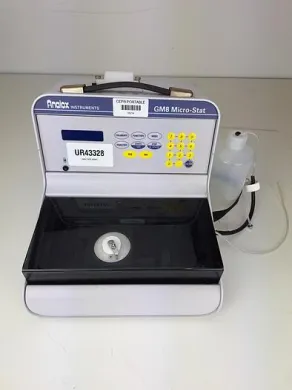
Not the exact instrument you need?
Tell our scientists what you are after. We track it down, including off-market supply.
Showing 1–40 of 100 listings
Show 40 more listingsBuying guide
What settles the purchase of a diagnostic analyzer is the test menu, the list of analytes the instrument actually reports. A blood gas analyzer that measures pH, pCO2 and pO2 is a different machine from a clinical chemistry analyzer that runs enzymes, substrates and proteins across dozens of channels, and a buyer who needs lactate or ionized calcium has to confirm the channel exists before anything else matters. Throughput follows from that: a point-of-care unit built for a single cartridge per sample serves a ward, while a floor-standing biochemical analyzer processing hundreds of tests an hour serves a central laboratory. Match the menu and the volume to the work first, because an instrument that cannot report the analyte you need is not cheaper at any price.
On a used analyzer the question is the fluidics and the measurement path, not the chassis. These instruments pump reagent, sample and calibrator through valves, tubing and reference electrodes, and those are the parts that wear. Ion-selective electrodes have a service life measured in samples; blood gas sensors drift and need periodic replacement; peristaltic pumps and sample probes degrade with use. Ask what the instrument has already run, when the electrodes were last changed, and whether it was decommissioned working or pulled from a fault. A unit that still calibrates against its own standards is the one worth examining. Warranty on a listing here is arranged in consultation for that specific item, so the condition you verify yourself is the condition you can rely on.
Price in this category spans a very wide range because the listings run from small consumables and spare modules at the low end to complete diagnostic platforms at the high end. Prices range from EUR 24 to EUR 40.817, with an average around EUR 3.299. What a unit costs depends almost entirely on where it sits on that scale: a bare electrolyte module and a fully configured chemistry analyzer are both in this category and nowhere near each other in price. The brands that occupy the band are Nova Biomedical, Radiometer, Siemens, Beckman Coulter, Bio-Rad, and their presence tells a buyer something practical, these are platforms with an installed base, which means parts turn up and a given model can be compared against others of its kind. A refurbished analyzer listed for sale sits below the price of a new one, which is why so much of what is affordable here is used rather than new. Decide the budget against the test menu, not against the headline figure, because the cheapest listing and the instrument you need are rarely the same object.
Types of Medical diagnostic instruments - other
Which analyzer types are listed in medical diagnostics?
Among the listings that specify a type, the catalogue sorts into a handful of analyzer classes, each built for a different question about the patient sample. Clinical chemistry analyzers and biochemical analyzers are the broad workhorses: they quantify enzymes, substrates, electrolytes and proteins across many channels, and they anchor the central laboratory that serves molecular diagnostics and routine screening. Blood gas analyzers occupy a separate niche, measuring pH and dissolved gases on whole blood for critical-care and point-of-care use where a result is needed in minutes. Electrolyte analyzers and metabolite analyzers are the focused instruments, reporting ions such as sodium, potassium and chloride, or markers such as glucose and lactate, often as a compact bench unit or a cartridge-based point-of-care device. The point-of-care analyzers in the list are the portable end of the same spectrum, trading channel count for speed and bedside placement. The device that suits a buyer follows directly from which analytes the work actually demands.
These instruments sit inside clinical diagnostics and life sciences, and several carry the work of a defined field. Clinical chemistry and biochemical analyzers run the immunoassay and protein chemistry behind molecular diagnostics and routine pathology, also used for research sample analysis in biomanufacturing and cell culture quality control. Blood gas and metabolite analyzers support critical-care monitoring and metabolic studies, the kind of lactate and glucose measurement that underpins cell culture and bioprocessing work. A laboratory outfitting a diagnostics or genomics workflow reaches for these analyzers to turn a sample into a number.
The brands behind the diagnostic analyzer listings
The names that recur across the catalogue are Nova Biomedical, Radiometer, Siemens, Beckman Coulter, Bio-Rad. For a buyer this matters in concrete ways. Nova Biomedical and Radiometer are established in blood gas and critical-care analyzers, which means consumables and reference electrodes for their platforms are findable and a given model can be compared against its own predecessors. Siemens, Beckman Coulter and Bio-Rad bring large clinical chemistry and immunoassay installed bases, so parts turn up, documentation exists, and a used unit is easier to assess against known specifications. An instrument from a brand with a broad installed base is simply easier to keep running and easier to price fairly, because there is something to compare it to.
What a used diagnostic analyzer costs here
The condition and price mix is lopsided toward used stock. 99 percent of the listings are used. Prices range from EUR 24 to EUR 40.817, averaging around EUR 3.299. That spread covers everything from a spare electrode module to a complete multi-channel platform, which is why a single average says little on its own. Parts for these analyzers can be sourced via Questpair, and warranty is arranged in consultation for the specific listing rather than set across the catalogue.
Frequently asked questions
What is a medical diagnostic instrument in this category?
It is a laboratory device that measures substances in blood, serum, urine or other body fluids and returns numeric results a physician reads against reference ranges. This category gathers the analysers that do not fall under a named class of their own, from benchtop chemistry systems to compact point-of-care readers.
What does 'Medical diagnostic instruments - other' mean?
It is a catch-all grouping for diagnostic analysers that do not have a dedicated category of their own on the site. Clinical chemistry, blood gas, electrolyte, metabolite, biochemical and point-of-care units all land here when they are not sorted into a narrower class.
How do these diagnostic analysers work?
They draw a measured sample of a body fluid, run it through an assay chemistry or sensor, and report a concentration for each target substance. A clinical chemistry analyzer uses reagent-based reactions read optically, while a blood gas analyser uses electrodes that respond directly to pH, oxygen and carbon dioxide in whole blood.
What types are listed in this category?
Six recur among the listings that specify a type: clinical chemistry analyzer, blood gas analyzer, electrolyte analyzer, biochemical analyzer, point-of-care analyzer and metabolite analyzer. Several overlap, so read each listing for the assays it actually runs rather than assuming from the type name.
What are these instruments used for?
They cover routine serum biochemistry panels, critical care diagnostics, and point-of-care glucose and lactate testing in emergency and surgical settings. Blood gas and electrolyte systems support bedside critical care, while clinical chemistry platforms handle large screening panels in a central laboratory.
How do I choose the right analyser?
Start with the assays you need to run and the volume you expect, since a benchtop chemistry system and a compact point-of-care reader serve very different throughput needs. Then check the model number against the reagents and consumables it requires, and confirm the condition stated in the listing.
What is the difference between refurbished and used?
A used unit is sold in its existing condition, while a refurbished unit has been checked and brought back to working order before listing. Both are listed below new prices on this page, and the specific listing tells you which applies.
How much does one of these analysers cost?
Prices range from EUR 24 to EUR 40.817, with an average near EUR 3.299. The low end covers accessories, electrodes and simple readers; the high end covers complete automated chemistry platforms.
Which brands are worth looking at?
The recurring makers here are Nova Biomedical, Radiometer, Siemens, Beckman Coulter and Bio-Rad. Nova Biomedical and Radiometer are associated with blood gas, electrolyte and metabolite work, while Siemens, Beckman Coulter and Bio-Rad span broader chemistry and clinical lines.
Can I get a warranty on a refurbished unit?
A warranty is often possible and is arranged in consultation for the specific listing. Terms are not set centrally, so check the individual listing and ask before purchase.
Are parts available for these instruments?
Parts can be sourced via Questpair. A known maker helps here, because reagent packs and consumables for recognised families are still produced and easier to match to a model number.
How long does one of these analysers last?
Lifespan depends on the platform, how heavily it was used and how well it was maintained rather than on a fixed figure. A unit from a recognised family is easier to keep running because consumables and parts remain available for it.
Should I buy new or refurbished?
Used and refurbished units are listed at lower prices than new, which is the clearest difference between them on this page. Where the choice matters, read the individual listing and note that warranty is arranged in consultation for that specific unit.
Where can I buy these instruments?
They are listed in the Questpair catalogue from 16 verified suppliers and distributors across 8 countries. The catalogue holds 216 listings in this category covering new, used and refurbished units.
What are the lead time and shipping like?
Lead time and shipping depend on the individual supplier and the unit's location, since listings come from suppliers across 8 countries. Check the specific listing for its availability, and contact Questpair if the detail you need is not stated.
What about calibration and maintenance?
These analysers need routine calibration against known standards and scheduled maintenance to keep results within reference ranges. Questpair does not perform servicing, but parts can be sourced via Questpair and documentation requests reach specialists who respond within one hour.
Which types here are most listed, and who reaches for which?
Clinical chemistry and biochemical analysers serve central laboratories running serum panels, blood gas and electrolyte systems go to critical care, and metabolite and point-of-care analysers serve emergency and surgical settings. A hospital laboratory, a critical care unit and a clinic without a full lab each reach for a different one of these.
Which brands dominate this category and what does that mean for me?
Nova Biomedical, Radiometer, Siemens, Beckman Coulter and Bio-Rad recur across these listings. A known maker means consumables that are still produced, documentation that matches a model number, and a used unit that is easier to compare against another in the same family; less common names reward closer reading of the listing first.
What separates the cheapest listings here from the most expensive?
The bottom of the band covers accessories, electrodes and simple readers, while the top covers complete automated chemistry platforms. Prices run from EUR 24 to EUR 40.817, and condition drives much of that spread since 99 percent of the listings are used.