

Endoscopy
We personally find you the right used, refurbished and new endoscopy instruments & equipment from verified suppliers.
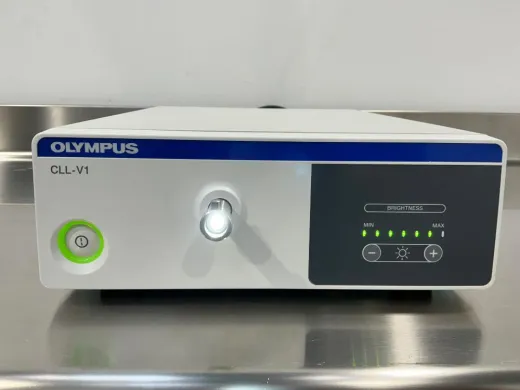
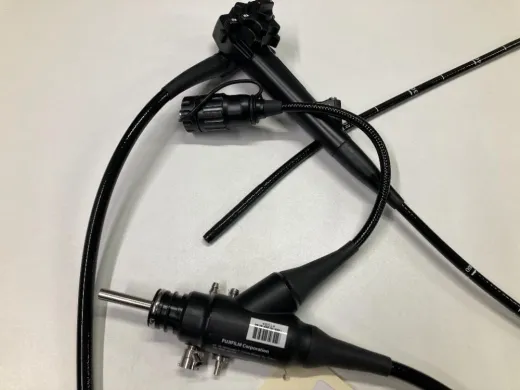
Endoscopy equipment is the set of instruments used to view the interior of the body through a natural opening or a small incision, built around an endoscope that carries light to the site and an image back to the operator. On the Questpair catalogue, new, used and refurbished units are listed, and 100 percent of the listings are used. Across the current 213 laboratory and clinical listings, prices run from EUR 25 to EUR 10.500. The equipment divides into flexible and rigid forms, and into diagnostic instruments that look and therapeutic ones that also treat. Most devices here are flexible endoscopes supplied by established imaging manufacturers.
Updated:
Endoscopy product list


Not the exact instrument you need?
Tell our scientists what you are after. We track it down, including off-market supply.
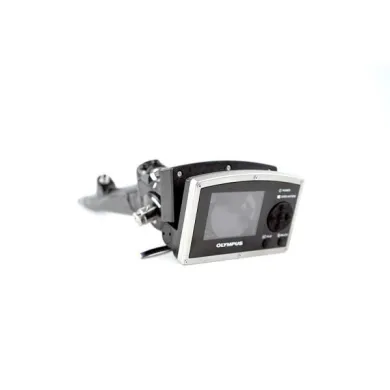
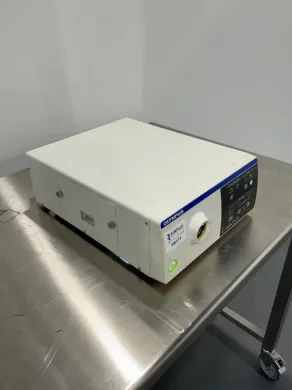
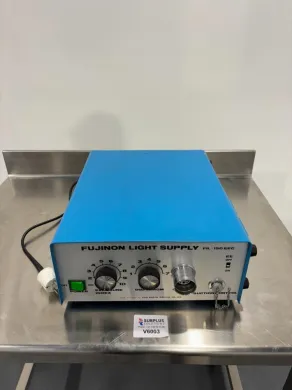
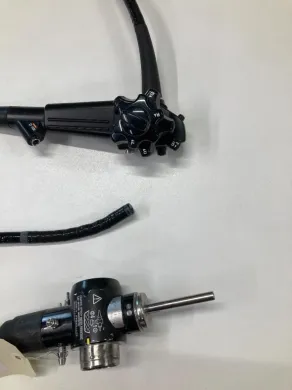
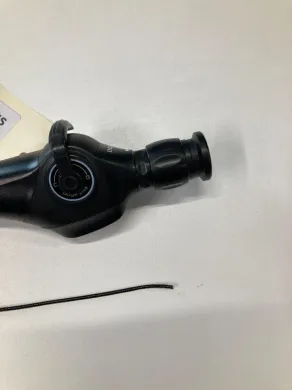
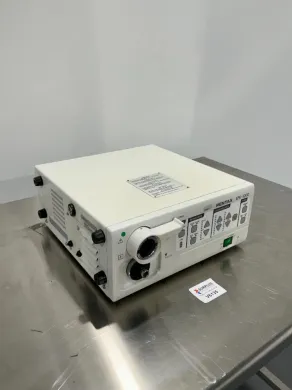
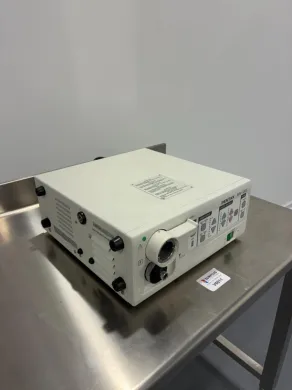
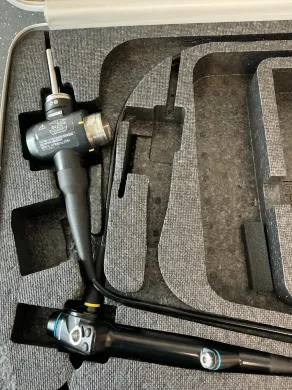
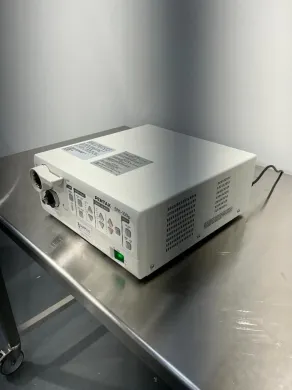
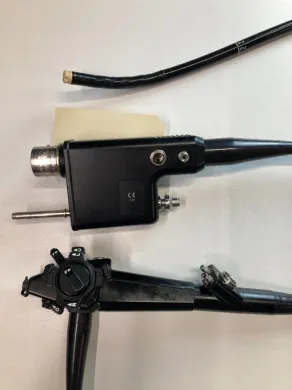
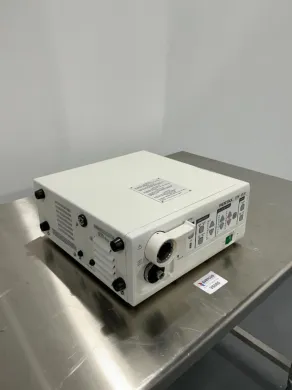
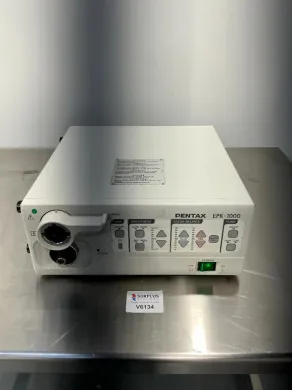
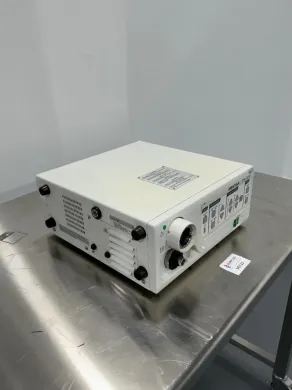
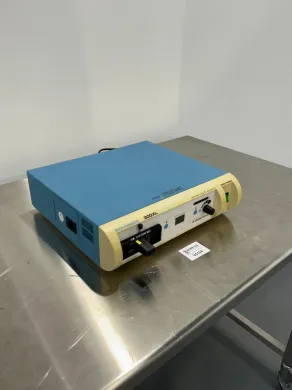
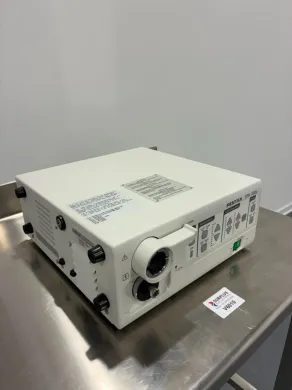
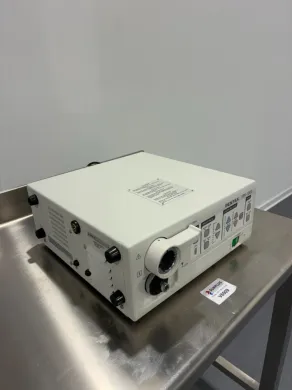
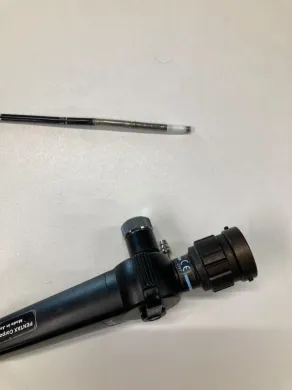
Not the exact instrument you need?
Tell our scientists what you are after. We track it down, including off-market supply.
Showing 1–40 of 41 listings
Show 1 more listingsBuying guide
What flexible versus rigid settles first?
The decision that comes before any other on an endoscope is whether the instrument has to bend. A flexible endoscope follows the curves of the gastrointestinal tract or the airway and reaches sites a straight tube cannot; a rigid one gives a stiffer, often sharper view along a short fixed path. That single choice fixes the working length, the diameter, the channel layout and most of the price, so a buyer who settles it early avoids comparing units that were never meant for the same procedure. Within the flexible group, the reach a buyer needs (upper gastrointestinal, lower, bronchial) narrows the field again before any image specification matters.
Once the form is set, a used instrument has to be verified rather than trusted, because wear on an endoscope is largely internal and does not show on a photograph. The insertion tube can kink or delaminate, the bending section loses its range as the control wires stretch, and the working channel scratches or occludes with use. Fibre bundles and chip sensors degrade, so the stated image quality is worth confirming against a current capture rather than a datasheet. Seals and valves matter for any unit that will be reprocessed, since a failed seal lets fluid into the shaft. These are the checks that separate a serviceable instrument from one sold for parts, and none of them is answered by the listing alone.
Price sits across a wide band here, and the band is informative in itself. Units run from EUR 25 to EUR 10.500, with an average near EUR 4.262, and that spread covers everything from a single accessory or spare component at the low end to a complete processor-and-scope assembly at the top. What a unit costs tracks closely with whether it is a bare endoscope, a full imaging chain, or a part. A buyer working to a fixed budget will find the flexible diagnostic scopes occupy the middle of the range, while the high-specification therapeutic and video systems reach the top. The brands behind these listings, Olympus, Pentax, Karl Storz, Fujinon, Fujifilm, are the names that occupy most price points, which makes models straightforward to line up against one another. Because every unit here is listed as used or refurbished, each is more affordable than its new equivalent, and anything offered for sale on the catalogue can be compared on condition as readily as on specification.
Types of Endoscopy
Which endoscope types are listed here?
Among the listings that specify a type, the flexible endoscope is the most common form. It is the long, steerable instrument built to pass through the gastrointestinal tract or the airway, and it is the one most buyers mean by the word. Alongside it sit the diagnostic endoscope, used to inspect and image tissue, and the therapeutic endoscope, which carries the same optics but adds working channels for biopsy forceps, snares and other tools, so the operator can treat during the same procedure. The gastrointestinal endoscope is the subset tuned for the upper and lower digestive tract, the application that accounts for most clinical endoscopy. The broader medical imaging device sits across all of these, naming the camera, light source and processor that turn the view into a picture.
Endoscopy is squarely a life sciences and clinical field, and these instruments do the work of molecular diagnostics and histology support: a therapeutic gastrointestinal endoscope takes the tissue sample that a histology lab sections and stains, and a diagnostic scope guides the biopsy that a molecular diagnostics workflow then analyses for disease markers. A flexible endoscope for gastrointestinal imaging is also used in minimally invasive surgical planning, where the image chain documents a site before intervention. These are the queries a clinical buyer brings, the equipment paired with the procedure it serves.
The brands behind the endoscopy listings
The names that recur across these listings are Olympus, Pentax, Karl Storz, Fujinon, Fujifilm. For a buyer, that concentration is useful: where a handful of established manufacturers supply most of the catalogue, spare components and compatible accessories are easier to locate, and two instruments from the same maker line up cleanly on working length, channel size and connector type. It also keeps price levels legible, since models from one manufacturer tend to hold a predictable position against each other. Parts can be sourced via Questpair when a specific component is needed.
What a used endoscope costs here
Every unit on this page is listed as used, so 100 percent of the listings are used. Prices span from EUR 25 to EUR 10.500, averaging around EUR 4.262, and that range is wide because it holds both single parts and complete imaging systems rather than one class of instrument. The equipment comes from 6 verified suppliers and distributors across 4 countries, which gives a buyer several points of comparison for a given model. Where a warranty matters, it is arranged in consultation for the specific listing.
Frequently asked questions
What is an endoscope?
An endoscope is a medical instrument used to inspect the interior of the body through a slender tube that carries a light source and an imaging system. It lets a clinician view hollow organs and cavities without open surgery.
What does endoscopy mean?
Endoscopy is the clinical and research discipline of examining the inside of the body with an endoscope. The term covers both the procedure and the group of instruments built to carry light and optics into organs and cavities.
How do endoscopes work?
An endoscope passes light down the tube to illuminate the cavity, then returns an image through an optical path or a sensor to a camera and monitor. Flexible models steer the tip with control wheels at the handle, while rigid ones hold a straight optical line.
What types of endoscopes are there?
The catalogue lists flexible endoscopes, gastrointestinal endoscopes, diagnostic endoscopes, therapeutic endoscopes, general medical imaging devices and rigid instruments. They divide by whether the instrument bends and by whether it only images or also carries a working channel for tools.
What is an endoscope used for?
It is used to see inside hollow organs and cavities, to photograph them, and in therapeutic form to pass forceps, snares or needles for procedures such as polyp removal. In research it supports gastroenterology, pulmonology, veterinary work and endoscopic biopsy for tissue sampling.
How do I choose an endoscope?
Decide first whether you need a flexible or rigid instrument, which follows from the anatomy you are reaching, then whether diagnostic imaging alone is enough or a working channel is required. After that, confirm the scope's compatibility with the processor and light source you already run, since a bare scope is not a complete imaging chain.
What is the difference between refurbished and used?
A used endoscope is sold in its current working condition, while a refurbished one has been checked and brought back toward working specification before listing. Both are offered here below the price of new, and the exact condition is stated on the individual listing.
How much does an endoscope cost?
Prices in this category range from EUR 25 to EUR 10.500, with an average around EUR 4.262. The low end reflects a single accessory or handle component and the high end a complete flexible scope with its imaging chain.
What are the main endoscope brands?
The makers that recur here are Olympus, Pentax, Karl Storz, Fujinon and Fujifilm. Olympus and Pentax feature in flexible gastrointestinal imaging, Karl Storz in rigid and surgical instruments, and Fujinon and Fujifilm overlap with the flexible lines.
Is there a warranty on a refurbished endoscope?
A warranty is often possible and is arranged in consultation for the specific listing. Terms are not set centrally, so the individual listing is where you confirm what applies.
Can I get parts for an endoscope?
Parts can be sourced via Questpair. Because Olympus and Pentax flexible models circulate widely, replacement channels, processors and light sources for mainstream units are generally available long after release.
How long does an endoscope last?
Lifespan depends on use intensity, reprocessing cycles and the condition of the channels and fibre optics rather than on age alone. Flexible scopes wear at the bending section and channel, which is why those parts are commonly replaced over a scope's service life.
Should I buy new or refurbished?
The clear difference is price: used and refurbished units are listed below the cost of new. Weigh the condition described on the specific listing against the cost, and confirm warranty in consultation for that listing.
Where can I buy an endoscope?
They are listed on Questpair from 6 verified suppliers and distributors across 4 countries. The catalogue holds 213 items, of which 100 percent are used.
What is the lead time and shipping?
Lead time and shipping depend on the individual seller and the item's location, since suppliers sit across 4 countries. The specific listing states availability, and Questpair specialists respond within one hour if you need to confirm details before ordering.
What about calibration and maintenance?
Endoscopes need routine cleaning, reprocessing and leak testing between uses to keep the optics and channels serviceable, and this is handled by the user's own clinical or laboratory protocol. Questpair does not carry out servicing, but parts for upkeep can be sourced through Questpair.
Which endoscope types are listed most and who reaches for which?
Gastrointestinal endoscopes are the single busiest use the catalogue records, used by gastroenterology for the oesophagus, stomach and colon. Flexible scopes also serve pulmonology and urology, rigid instruments suit the joints and abdomen in surgery, and small-diameter scopes do the fine visual work in surgical and veterinary research.
Which brands dominate this category and what does that mean for a buyer?
Olympus and Pentax dominate flexible gastrointestinal imaging, Karl Storz the rigid and surgical end where optic and instrument are often matched as a set. For a buyer this concentration means parts and support exist for mainstream models long after release, and a given scope can be compared against several near-identical listings rather than bought blind.
What separates the cheapest listings from the most expensive here?
At the low end a listing is usually a bare scope, a single accessory or a handle component. At the top it is a complete flexible scope supplied with its processor, light source and full imaging chain, which is why the range runs from EUR 25 to EUR 10.500.