Not in stock, available to order through our sourcing team
We source this model through our supplier network. Request a quote and we'll come back within one hour.
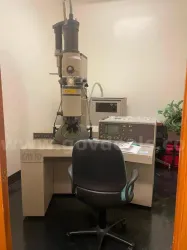
TEM with 40-100 kV, up to 450,000× magnification, 0.5 nm point resolution for ultrastructural imaging.
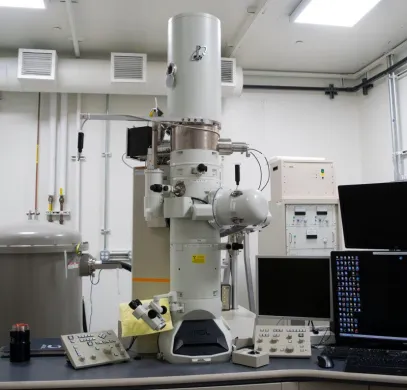
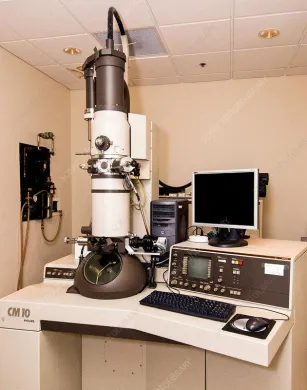
The Philips CM10 is a transmission electron microscope (TEM) renowned for delivering high-contrast, high-resolution imaging, making it indispensable for detailed ultrastructural analysis in various scientific disciplines.
The CM10 is widely utilised in fields such as molecular biology, biotechnology, materials science, and nanotechnology. Its applications encompass cellular imaging, virus morphology studies, nanoparticle analysis, and immunoelectron microscopy.
Commonly found in university laboratories, biomedical research centres, and clinical diagnostic facilities, the CM10 has been a cornerstone in electron microscopy since its introduction. While newer models have emerged, many institutions continue to employ the CM10 due to its reliability and performance.
The Philips CM10 remains a valuable instrument for researchers seeking detailed ultrastructural insights across various scientific domains.
Lab equipment markets are fragmented. Buyers spend weeks calling distributors, comparing quotes, and verifying supplier reliability. Sellers struggle to reach global research labs.
We built Questpair to fix this. Every supplier on the platform is verified before listing. Every quote you receive comes from a real, vetted seller. AI prepares your case in minutes, then a real specialist takes over.
We're an independent team based in The Netherlands, working with research labs and procurement teams across Europe and worldwide.
With a service contract, ten to fifteen years is normal for most benchtop instruments. Detectors and pumps are the parts that wear first.
Often, yes. Verified suppliers frequently work with service partners converting the instrument. If applicable, we can list servicing options alongside the offer.
Ask a scientist through the request button. Parts are often available even when the instrument itself is discontinued.
Two to six weeks, depending on refurbishment scope and whether calibration is included.
We ship to 38 countries. Crating and customs handling are quoted with the instrument.
Tell us what you need and a scientist finds it for you, usually within the hour.
Last updated 2 November 2026