€9,999excl. VAT
In stock
Can't find what you're looking for?
Streamline lab workflows with Olympus OLA2500 for efficient high-throughput sample processing.
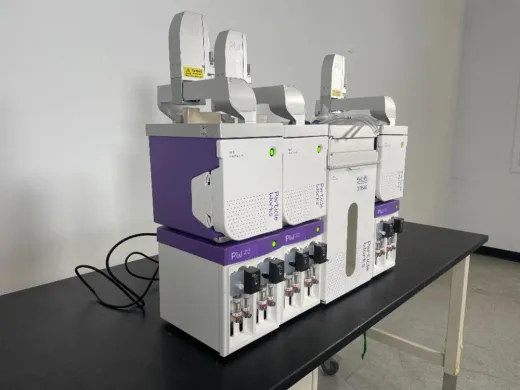
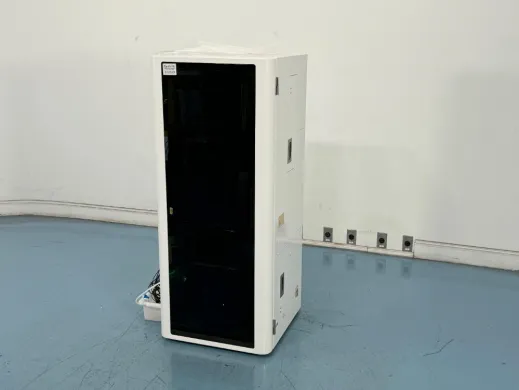
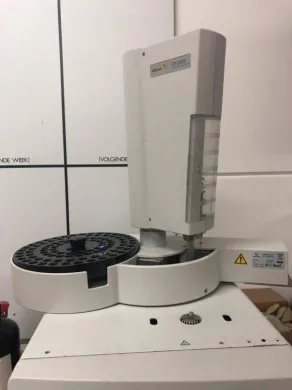
Save precious time and gain efficiency in the lab with the OLA2500 Lab Automation System (LAS), the high-throughput aliquotting solution with pre- and post-analytical sample-processing capabilities. The Olympus OLA2500 LAS is an advanced modular automation system designed for medium- to high-volume laboratories. As a front-end sample-processor the OLA2500 LAS automates sample aliquotting – saving time, labor, and eliminating sample handling errors. The system also selectively decaps and sorts tubes to any analyzer sample rack. The Olympus OLA2500 LAS is a Olympus Lab Automation solution to increase productivity and efficiency in medium- to high-volume laboratories. It automates labor-intensive tasks such as sample identification, decapping, aliquotting, out sorting, and archive preparation of sample tubes.
Typical aliquotting throughput of up to 650 total tubes per hour and sorting throughput of up to 800 tubes per hour to reduce your sample preparation for better test turn-around time Minimize your staff’s biohazard exposure, reduce errors, and reduce repetitive motion injuries associated with manual sample-processing User-defined applications for aliquotting priority, sorting, decapping, and archiving. Identifies sample tube size, cap type and color, and sample volume using an on board digital image analysis system Processes most primary tubes (including conventional, BD Hemoguard or screw top closures in parallel, foil top closures with optional decapping unit) Builds personality racks for Olympus, Hitachi, Beckman-Coulter and others
Automatically generate secondary tubes with user defined barcode labels No carryover with disposable, conductive aliquot tips Clot detection to ensure valid sample distribution Prioritized aliquotting when there is insufficient amount of sample in the primary tube
Load up to as many as 300 samples in the input area Sort to any number of user defined sorting targets with up to 1,080 tube capacity at the destination area Holds bulk on-board consumable inventory Sort and speed primary and/or secondary samples to workstations in specific analyzer racks Access samples without interrupting the instrument with electronically controlled drawer bays
Sorts primary and secondary sample tubes at high speeds to meet peak load demands Archive samples in parallel with sorting or separately in batch User defined sorting areas that accommodates any analyzer sample rack Reduces the number of “problem tubes” at the analytical workstations by sorting out the tubes with bar code label, test order and decapping problems Decap screw cap and conventional rubber closures in parallel with a standard decapper; an optional decapper handles foil top closures
Lab equipment markets are fragmented. Buyers spend weeks calling distributors, comparing quotes, and verifying supplier reliability. Sellers struggle to reach global research labs.
We built Questpair to fix this. Every supplier on the platform is verified before listing. Every quote you receive comes from a real, vetted seller. AI prepares your case in minutes, then a real specialist takes over.
We're an independent team based in The Netherlands, working with research labs and procurement teams across Europe and worldwide.
With a service contract, ten to fifteen years is normal for most benchtop instruments. Detectors and pumps are the parts that wear first.
Often, yes. Verified suppliers frequently work with service partners converting the instrument. If applicable, we can list servicing options alongside the offer.
Ask a scientist through the request button. Parts are often available even when the instrument itself is discontinued.
Two to six weeks, depending on refurbishment scope and whether calibration is included.
We ship to 38 countries. Crating and customs handling are quoted with the instrument.
Tell us what you need and a scientist finds it for you, usually within the hour.
Last updated 22 October 2026
€9,999 sits above most automated liquid handling here. The middle half of the 437 with a price runs from €200 to €2,950.