58k+ listingsShips to NLResponse within one hour+31 73 711 4717info@questpair.com
Procurable · sourced on request

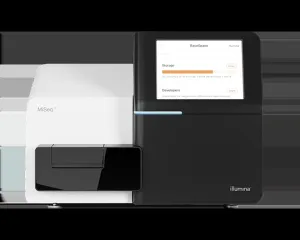
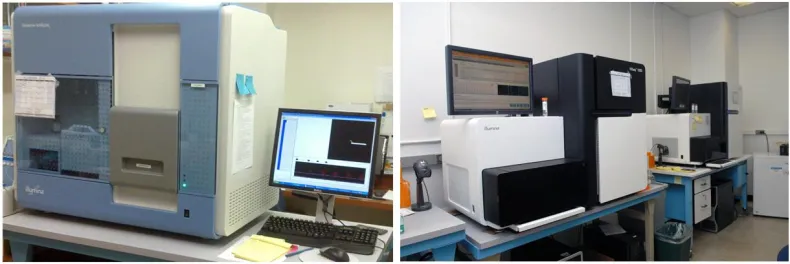
Illumina MiSeq

UsedIlluminaDNA sequencersNetherlands
Procurable

Not in stock, available to order through our sourcing team

Not in stock, but we can get it for you

We source this model through our supplier network. Request a quote and we'll come back within one hour.

  1. Request a quote
  2. We confirm price and lead time
  3. You approve, we ship to you
Output per run
540 Mb–15 Gb
Single reads per run
1–25 million
Maximum read length
2 × 300 base pairs
Run time
4–56 hours
Temperature range
15–30°C
Availability
Procurable
Lead time
Confirmed with your quote
All 22 specifications
  • Ships to NL
  • Response within 1 hour
  • Warranty available. Buy without worry
  • Support from a scientist

Specifications 22

Brands
Illumina
New/Used
Used
Dimensions
686 mm × 565 mm × 523 mm
Weight
57.2 kg
Output per run
540 Mb–15 Gb
Single reads per run
1–25 million
Maximum read length
2 × 300 base pairs
Run time
4–56 hours
Temperature range
15–30°C
Humidity
20–80% relative humidity, non-condensing
Pressure limits
70–106 kPa
Power supply
100–240 Volts AC at 50/60 Hz
Power consumption
400 Watts
Sample volume
Not specified
Sample capacity
Not specified
Compatible materials
DNA, RNA, and amplicon libraries
Detection limits
Not specified
Measurement range
Not specified
Connectivity
USB ports, Ethernet port
Data output
BaseSpace Sequence Hub, Illumina Connected Analytics, on-premises DRAGEN server
Availability
Procurable
Lead time
Confirmed with your quote

Product description

Benchtop NGS system delivering rapid, accurate sequencing up to 2×300 bp reads for diverse genomic applications.

Illumina MiSeq is a benchtop next-generation sequencing (NGS) system designed to deliver rapid, accurate, and cost-effective genomic data for a wide range of applications.

Key features:

  • Rapid turnaround time: Generate sequencing data in as little as 4 hours, facilitating timely results for critical research.
  • High accuracy: Achieve over 90% of bases above Q30 quality scores, ensuring reliable data for downstream analysis.
  • Flexible read lengths: Supports single and paired-end reads up to 2 × 300 base pairs, accommodating diverse sequencing needs.
  • User-friendly interface: Intuitive software and automated workflows simplify operation, making NGS accessible to laboratories of all sizes.
  • Compact design: Its small footprint allows integration into various laboratory environments without requiring extensive space.

Applications:

  • Clinical diagnostics: Enables rapid identification of genetic variants associated with diseases, enhancing patient care.
  • Microbial genomics: Facilitates sequencing of microbial genomes, aiding in pathogen surveillance and antibiotic resistance studies.
  • Cancer research: Assists in detecting oncogenic mutations, contributing to the development of targeted therapies.
  • Environmental metagenomics: Supports analysis of complex microbial communities in various ecosystems.

Commonly used in:

  • University laboratories: For academic research and training in genomics.
  • Biomedical research centres: Conducting studies on genetic diseases and personalised medicine.
  • Clinical environments: Implementing NGS for diagnostic purposes and patient management.

First introduced in 2011, the MiSeq system has been a cornerstone in genomics research. As of 2025, Illumina has announced plans to discontinue the MiSeq, with orders accepted until September 30, 2025, and full support provided through December 31, 2029. The MiSeq i100 Series is recommended as the successor to continue advancing genomic research.

Why Questpair exists

Lab equipment markets are fragmented. Buyers spend weeks calling distributors, comparing quotes, and verifying supplier reliability. Sellers struggle to reach global research labs.

We built Questpair to fix this. Every supplier on the platform is verified before listing. Every quote you receive comes from a real, vetted seller. AI prepares your case in minutes, then a real specialist takes over.

We're an independent team based in The Netherlands, working with research labs and procurement teams across Europe and worldwide.

Frequently asked questions

How long does laboratory equipment typically last?

With a service contract, ten to fifteen years is normal for most benchtop instruments. Detectors and pumps are the parts that wear first.

Can I get service for older equipment?

Often, yes. Verified suppliers frequently work with service partners converting the instrument. If applicable, we can list servicing options alongside the offer.

Where can I buy parts?

Ask a scientist through the request button. Parts are often available even when the instrument itself is discontinued.

What is the typical lead time for refurbished equipment?

Two to six weeks, depending on refurbishment scope and whether calibration is included.

Does laboratory equipment ship internationally?

We ship to 38 countries. Crating and customs handling are quoted with the instrument.

Reply in one hour

Can't find the exact configuration?

Tell us what you need and a scientist finds it for you, usually within the hour.

Last updated 22 October 2026