- Brands
- Invitrogen
- New/Used
- Used
- Description
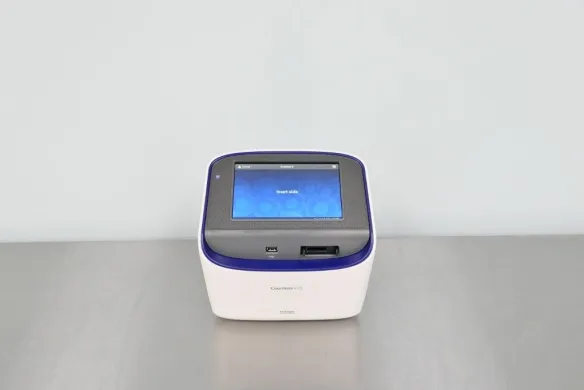
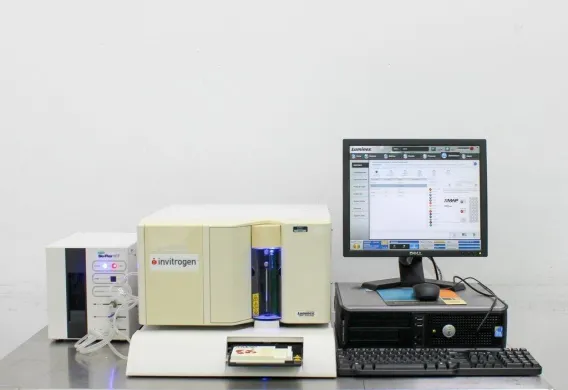
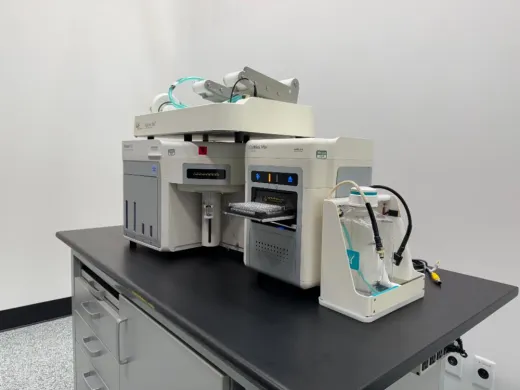
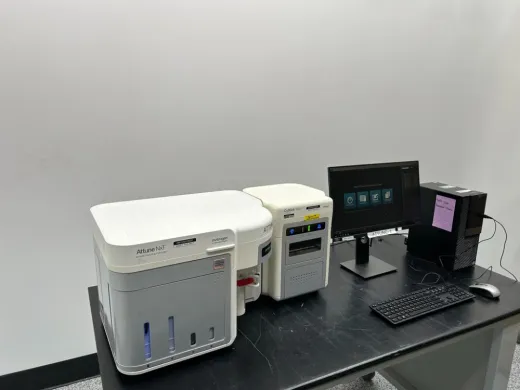
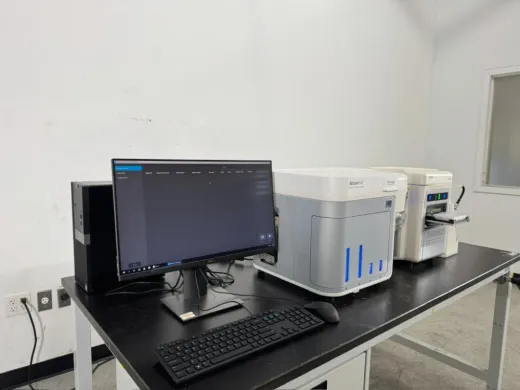
- The Invitrogen Attune NxT AFC2 is a benchtop flow cytometer utilizing acoustic focusing to improve sample flow and sensitivity. It features 3 lasers for multiparametric fluorescence detection and accommodates a variety of experimental protocols. The instrument supports modern software versions and includes essential accessories for operation and maintenance.
- Technical Data
- Model: Attune NxT AFC2 Serial Number: 2AFC239780622 Manufacturing Year: 2022 Lasers: Count: 3 Wavelengths: 405 nm (violet), 488 nm (blue), 638 nm (red) Warranty: 90-Days
- Manufacturing Year
- 2022
- Lasers
- Count: 3 Wavelengths: 405 nm (violet), 488 nm (blue), 638 nm (red)
- Count
- 3
- Wavelengths
- 405 nm (violet), 488 nm (blue), 638 nm (red)
- Warranty
- 90-Days
- Accessories
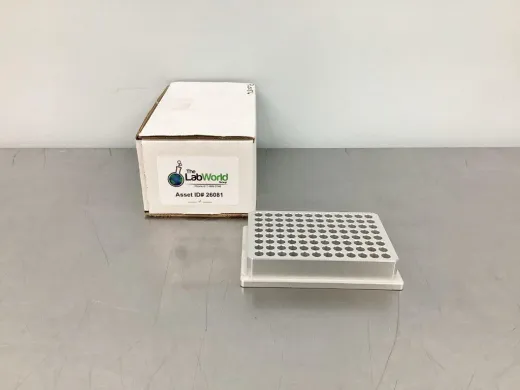
- (Optional) CytKick/NxT Autosampler, (Optional) Containers, Laptop / (Desktop + Monitor)
- , BSO 50mW, Max Diode power 100mW
- , BSO 100mW, Max Diode power 140mW
- Wavelength
- Diode power
- Laser excitation
- Optimized excitation for minimized stray laser-line noise and losses to reflection
- Laser profile
- 10 x 50 μm flat-top laser providing robust alignment
- Emission filters
- 12 color channels with wavelength-tuned photomultiplier tubes (PMTs); user-changeable, keyed filters
- Laser separation
- 150 μm
- Optical alignment
- Fixed alignment with pre-aligned welded fiber; no user maintenance required
- Onboard thermoelectric cooler
- No warm-up delay; fiber isn’t affected by “on/off”
- Simmer mode
- Instant “on/off” reduces usage and/or aging by 10x; only turns on when acquiring samples; reports hours of usage
- Flat-top laser specified at the flow cell
- Coefficient of variation (CV) <3% over the width of the flat-top laser
- Upgradable
- Convenient field changes
- Fluidics
- Flow cell: Quartz cuvette gel coupled to 1.2 numerical aperture (NA) collection lens, 200 x 200 μm Sample analysis volume: 20 μL–4 mL Custom sample flow rates: 12.5–1,000 μL/min Sample delivery: Positive-displacement syringe pump for volumetric analysis Sample tubes: Accommodates tubes from 17 x 100 mm to 8.5 x 45 mm Fluid-level sensing: Active Standard fluid reservoirs: 1.8 L focusing fluid tank, 1.8 L waste tank, 175 mL shutdown solution tank, and 175 mL wash solution tank Fluid storage: All fluids stored within instrument Extended fluidics option: Configuration for 10 L fluid Nominal fluid consumption: 1.8 L/day Automated maintenance cycles: ≤15 min start-up and shutdown—deep clean, sanitize, and debubble modes
- Flow cell
- Quartz cuvette gel coupled to 1.2 numerical aperture (NA) collection lens, 200 x 200 μm
- Sample analysis volume
- 20 μL–4 mL
- Custom sample flow rates
- 12.5–1,000 μL/min
- Sample delivery
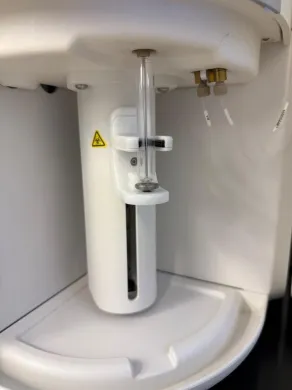
- Positive-displacement syringe pump for volumetric analysis
- Sample tubes
- Accommodates tubes from 17 x 100 mm to 8.5 x 45 mm
- Fluid-level sensing
- Active
- Standard fluid reservoirs
- 1.8 L focusing fluid tank, 1.8 L waste tank, 175 mL shutdown solution tank, and 175 mL wash solution tank
- Fluid storage
- All fluids stored within instrument
- Extended fluidics option
- Configuration for 10 L fluid
- Nominal fluid consumption
- 1.8 L/day
- Automated maintenance cycles
- ≤15 min start-up and shutdown—deep clean, sanitize, and debubble modes
- Performance
- Fluorescence detection Fluorescence sensitivity: ≤80 molecules of equivalent soluble fluorochrome (MESF) for FITC, ≤30 MESF for PE, ≤70 MESF for APC Fluorescence resolution: CV <3% for the singlet peak of propidium iodide–stained chicken erythrocyte nuclei (CEN) Data acquisition rate: Up to 35,000 events/sec, 34 parameters, based on a 10% coincidence rate per Poisson statistics Maximum electronic speed: 65,000 events/sec with all parameters Carryover: Single-tube format: <1% Forward and side scatter sensitivity: Able to discriminate platelets from noise Forward and side scatter resolution: Optimized to resolve lymphocytes, monocytes, and granulocytes in lysed whole blood Forward scatter: Photodiode detector with 488/10 nm bandpass filter Side scatter: PMT with default 488/10 nm bandpass filter; optional 405/10 nm bandpass filter Fluorescence detectors: 14 individual detectors Electronic pulse: Measured area, height and width pulse for all detectors Violet side scatter resolution: Can be configured for violet side scatter to better resolve particles from noise Minimum particle size: 0.2 μm on side scatter using submicron bead calibration kit from Bangs Laboratories—0.1 μm on side scatter under following conditions: Using an Attune NxT Flow Cytometer with standard 0.5 mm blocking configuration, an Invitrogen Attune NxT 488/10 Filter (Cat. No. 100083194), and Attune Focusing Fluid (Cat. No. 4488621, 4449791, or A24904) that has been passed through a 0.025 µm filter
- Fluorescence sensitivity
- ≤80 molecules of equivalent soluble fluorochrome (MESF) for FITC, ≤30 MESF for PE, ≤70 MESF for APC
- Fluorescence resolution
- CV <3% for the singlet peak of propidium iodide–stained chicken erythrocyte nuclei (CEN)
- Data acquisition rate
- Up to 35,000 events/sec, 34 parameters, based on a 10% coincidence rate per Poisson statistics
- Maximum electronic speed
- 65,000 events/sec with all parameters
- Carryover
- Single-tube format: <1%
- Forward and side scatter sensitivity
- Able to discriminate platelets from noise
- Forward and side scatter resolution
- Optimized to resolve lymphocytes, monocytes, and granulocytes in lysed whole blood
- Forward scatter
- Photodiode detector with 488/10 nm bandpass filter
- Side scatter
- PMT with default 488/10 nm bandpass filter; optional 405/10 nm bandpass filter
- Fluorescence detectors
- 14 individual detectors
- Electronic pulse
- Measured area, height and width pulse for all detectors
- Violet side scatter resolution
- Can be configured for violet side scatter to better resolve particles from noise
- Minimum particle size
- 0.2 μm on side scatter using submicron bead calibration kit from Bangs Laboratories—0.1 μm on side scatter under following conditions: Using an Attune NxT Flow Cytometer with standard 0.5 mm blocking configuration, an Invitrogen Attune NxT 488/10 Filter (Cat. No. 100083194), and Attune Focusing Fluid (Cat. No. 4488621, 4449791, or A24904) that has been passed through a 0.025 µm filter
- Software Software requirements
- Invitrogen Attune Cytometric Software Compensation: Full matrix—automated and manual modes, on-plot compensation tools for fine adjustment; use of tubes and wells Flow rate: Precise flow rate control via software; no hardware adjustments Live streaming: Live update of statistics during acquisition of events up to 35,000 events/sec Overlays: Comparative analysis between samples; 3D view Sample recovery: System able to return unused samples Concentration: Direct concentration measurement without use of counting beads Software layout: Fully customizable for each user account Bubble detection technology: Stops automated run to preserve sample integrity Maximum single-event file: 20 million with option to append Heat map: Set up for definition of plate layout; screening view for analysis for tubes and plates Threshold: Up to 4 individual thresholds with user option to apply Boolean logic Gating: Hierarchical gating with the ability to derive gates Voltage: User adjustable Window extensions: User adjustable Area scaling factor (ASF): User adjustable Acquisition settings: Documented in FCS files and maintained upon import Templates: Create from existing experiments—instrument settings, workspaces, run protocols, heat map settings, and compensation settings optimized and defined previously Tube-to-plate conversion: One-click transition from tubes to plates and vice versa; no disassembly, no additional QC, no reboot required for conversion between plates and tubes Graphics resolution: Publication-quality images; support for TIF, PNG, BMP, JPG, GIF, and EMF; quickly copy and paste plots to any external application (e.g., Microsoft™ PowerPoint™ software) User account administration: Administrative creation of individual user accounts with designated roles, advanced setting permissions, management of individual accounts, user time tracking, and sample count
- Software requirements
- Invitrogen Attune Cytometric Software
- Compensation
- Full matrix—automated and manual modes, on-plot compensation tools for fine adjustment; use of tubes and wells
- Flow rate
- Precise flow rate control via software; no hardware adjustments
- Live streaming
- Live update of statistics during acquisition of events up to 35,000 events/sec
- Overlays
- Comparative analysis between samples; 3D view
- Sample recovery
- System able to return unused samples
- Concentration
- Direct concentration measurement without use of counting beads
- Software layout
- Fully customizable for each user account
- Bubble detection technology
- Stops automated run to preserve sample integrity
- Maximum single-event file
- 20 million with option to append
- Heat map
- Set up for definition of plate layout; screening view for analysis for tubes and plates
- Threshold
- Up to 4 individual thresholds with user option to apply Boolean logic
- Gating
- Hierarchical gating with the ability to derive gates
- Voltage
- User adjustable
- Window extensions
- User adjustable
- Area scaling factor (ASF)
- User adjustable
- Acquisition settings
- Documented in FCS files and maintained upon import
- Templates
- Create from existing experiments—instrument settings, workspaces, run protocols, heat map settings, and compensation settings optimized and defined previously
- Tube-to-plate conversion
- One-click transition from tubes to plates and vice versa; no disassembly, no additional QC, no reboot required for conversion between plates and tubes
- Graphics resolution
- Publication-quality images; support for TIF, PNG, BMP, JPG, GIF, and EMF; quickly copy and paste plots to any external application (e.g., Microsoft™ PowerPoint™ software)
- User account administration
- Administrative creation of individual user accounts with designated roles, advanced setting permissions, management of individual accounts, user time tracking, and sample count
- Quality and regulatory Instrument tracking
- Automated daily baseline and performance test with Levey-Jennings plots Warranty: 90-Days Production verification testing: Each instrument is tested and verified for assembly integrity and performance to specifications Quality management system: Manufacturing standards comply with the requirements of ISO 13485:2003 Robust installation specifications: Units installed by engineer; preplanning checklist, delivery, and installation; and performance validation compliance with standardized procedure Regulatory status: For Research Use Only
- Instrument tracking
- Automated daily baseline and performance test with Levey-Jennings plots
- Production verification testing
- Each instrument is tested and verified for assembly integrity and performance to specifications
- Quality management system
- Manufacturing standards comply with the requirements of ISO 13485:2003
- Robust installation specifications
- Units installed by engineer; preplanning checklist, delivery, and installation; and performance validation compliance with standardized procedure
- Regulatory status
- For Research Use Only
- Installation requirements
- Electrical requirements: 100–240 VAC, 50/60 Hz, <150 W. Thermo Fisher Scientific certifies that the Attune Flow Cytometers conform to relevant directives to bear the CE mark. The instrument also conforms to the UL and CAN/CSA general requirements (61010.1). The Attune Flow Cytometers are Class I laser products per Center for Devices and Radiological Health (CDRH) regulations and EN/IEC 60825. Heat dissipation: <150 W Temperature operating ranges: 15–30°C (59–86°F) Operating humidity: 10–90%, noncondensing Audible noise: <65 dBA at 1.0 m Instrument size: (H x W x D): ~40 x 58 x 43 cm (16 x 23 x 17 in.), including fluid bottles Weight: ~29 kg (64 lb)
- Electrical requirements
- 100–240 VAC, 50/60 Hz, <150 W. Thermo Fisher Scientific certifies that the Attune Flow Cytometers conform to relevant directives to bear the CE mark. The instrument also conforms to the UL and CAN/CSA general requirements (61010.1). The Attune Flow Cytometers are Class I laser products per Center for Devices and Radiological Health (CDRH) regulations and EN/IEC 60825.
- Heat dissipation
- <150 W
- Temperature operating ranges
- 15–30°C (59–86°F)
- Operating humidity
- 10–90%, noncondensing
- Audible noise
- <65 dBA at 1.0 m
- Instrument size
- (H x W x D): ~40 x 58 x 43 cm (16 x 23 x 17 in.), including fluid bottles
- Weight
- ~29 kg (64 lb)