

Filtration supplies
We personally find you the right used, refurbished and new filtration supplies from verified suppliers.
Filtration supplies are the consumables and instruments a laboratory uses to separate particles, cells, or precipitates from a liquid or gas stream, covering everything from membrane discs and syringe filters to the systems that drive the fluid through them. On Questpair, 560 filtration supplies are listed by 16 verified suppliers and distributors across 9 countries, in new, used, and refurbished condition. Of those, 72 percent of the listings are used. The field spans laboratory filtration equipment and the balances and readers used alongside it, so a buyer works across several instrument classes rather than one. Prices run from EUR 2 to EUR 156.663.
Updated:
Filtration supplies product list
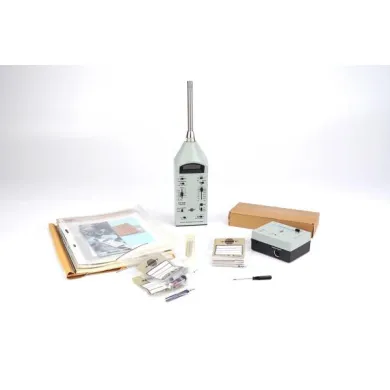
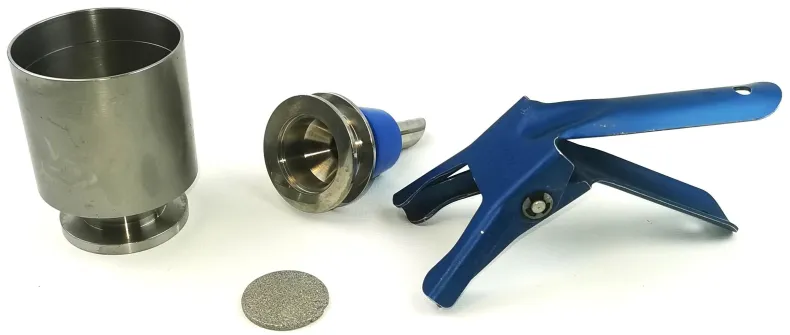
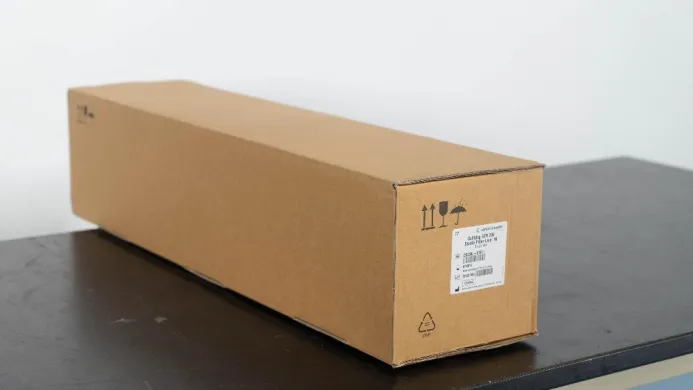
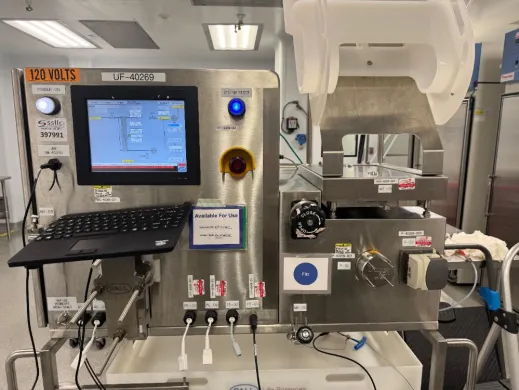


Not the exact instrument you need?
Tell our scientists what you are after. We track it down, including off-market supply.

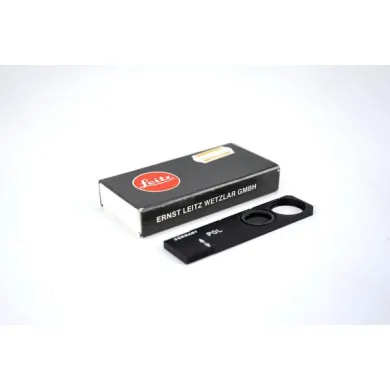
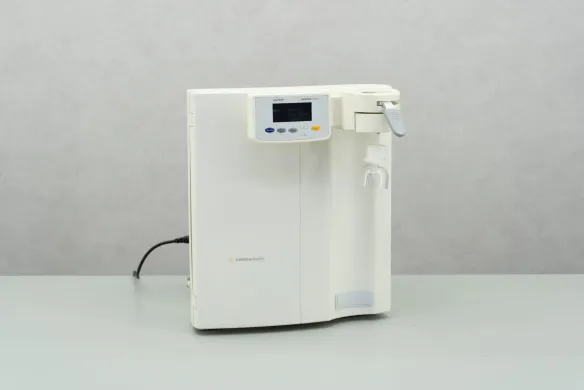
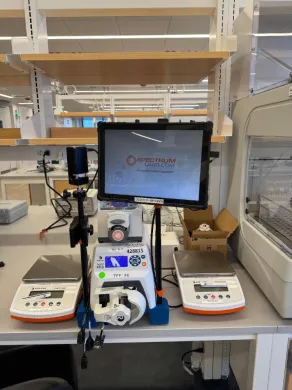
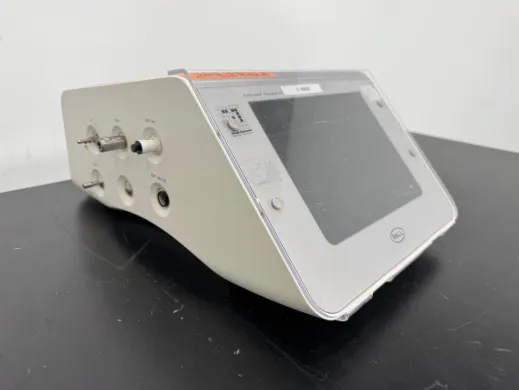


Not the exact instrument you need?
Tell our scientists what you are after. We track it down, including off-market supply.
Showing 1–40 of 414 listings
Show 40 more listingsBuying guide
What settles a filtration purchase first is the pore size and the membrane chemistry, because those two together decide whether the application works at all. A 0.22 micron membrane sterilises, a 0.45 micron membrane clarifies, and the wrong choice either passes what it should retain or blocks what should flow. Membrane material matters just as much: PTFE handles aggressive solvents, PES gives low protein binding for biological samples, and cellulose acetate suits aqueous buffers. A buyer confirms both against the protocol before looking at anything else, since no amount of flow rate or throughput compensates for a membrane that binds the analyte or dissolves in the solvent.
On a used filtration system or a used balance listed alongside it, the question is what the previous work left behind. Housings and manifolds that handled biological or corrosive samples can retain residue, and seals perish with age, so a buyer asks what the unit processed and whether gaskets and O-rings are original. For the weighing instruments that appear in this category, the analytical balances and microbalances, calibration drift is the concern rather than contamination. These need recalibration against traceable weights after transport, and a recent service record is worth more than any datasheet figure. Microplate readers in used condition should have their optics and lamp hours verified, as the light source is a wear item.
The price band here is wide, from EUR 2 to EUR 156.663, with an average around EUR 3.398. The low end holds membrane discs, syringe filters, and other consumables, where cost per unit is what fits a budget for a working lab. The upper end is where microbalances and multi-mode microplate readers sit, instruments that carry most of the spend. Refurbished units listed for sale are more affordable than new, which is why 72 percent of what is listed is used. The brands occupying the range are Millipore, Sartorius, Radwag, Pall, BMG LABTECH, with Millipore and Pall concentrated in filtration consumables and systems, Sartorius and Radwag in the weighing instruments, and BMG LABTECH in microplate detection. For items on sale from several suppliers at once, those names make a listing easy to compare on specification and condition rather than on description alone.
Types of Filtration supplies
Which filtration supply types are listed?
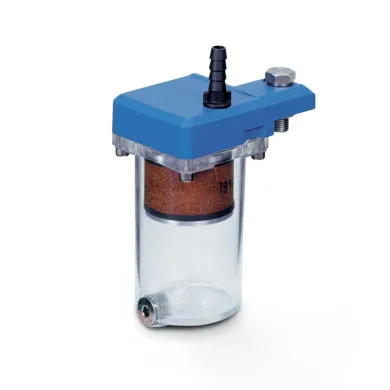
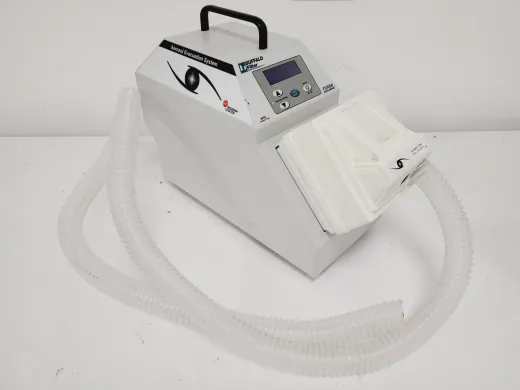
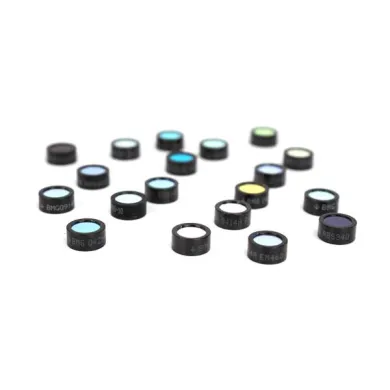
Among the listings that specify a type, the range runs from consumables and filtration systems to the weighing and detection instruments used alongside them. **Laboratory filtration equipment** and **filtration systems** cover the manifolds, vacuum pumps, and holders that drive sample through a membrane, used across sample preparation, protein purification, and the clarification of culture media in cell culture work. **Optical filters** are a different thing entirely despite the shared word: these are the bandpass and longpass elements inside fluorescence and absorbance instruments, central to cell imaging and to the detection channels of a microplate reader.
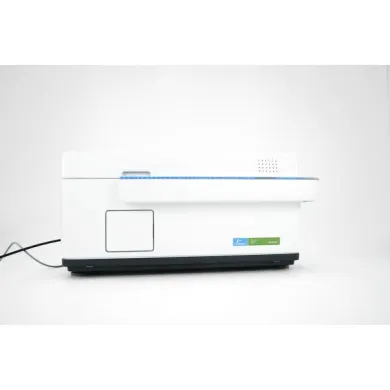
The weighing instruments form the second cluster. **Analytical balances** read to 0.1 milligram and do the gravimetric analysis behind reagent preparation and standard-making, while **microbalances** read finer still, down to the microgram, for trace work in genomics and proteomics sample prep where sample mass is small. **Microplate readers** measure absorbance, fluorescence, or luminescence across a 96 or 384 well plate, the workhorse of the immunoassay, the ELISA, and high-throughput screening in molecular diagnostics and molecular biology. A microplate reader also quantifies nucleic acid and protein concentration, which places it in genomics and proteomics workflows as readily as in a filtration bench.
The brands behind the filtration listings
The names that recur are Millipore, Sartorius, Radwag, Pall, BMG LABTECH. Millipore and Pall dominate the filtration consumables and systems, which means membranes, cartridges, and replacement parts are straightforward to source and specifications are well documented, so a buyer can match a used housing to the right membrane without guesswork. Sartorius and Radwag hold the weighing side, where a known model number makes calibration intervals and readability easy to verify. BMG LABTECH sits in microplate detection. A concentration of recognised makers keeps listings comparable: a buyer can line up two readers or two balances on specification rather than on seller description, and parts availability follows the brand.
What a used filtration unit costs here
New, used, and refurbished units all appear, and 72 percent of the listings are used. Prices run from EUR 2 to EUR 156.663, averaging around EUR 3.398. That spread covers single-use membrane discs and syringe filters at one end and multi-mode microplate readers and microbalances at the other, so the range reflects the gap between a consumable and a precision instrument rather than a difference in quality. Where a buyer needs a specific balance readability or reader detection mode, filtering the catalogue by brand and condition narrows the field quickly, and warranty on any given unit is arranged in consultation for that listing.
Frequently asked questions
What are filtration supplies?
Filtration supplies are the consumables and instruments a laboratory uses to separate particles, cells, or precipitates from a liquid or gas stream. The category spans membrane discs, syringe filters, filtration systems, and the weighing and detection instruments used alongside them.
What does the term filtration supplies cover?
It covers both the parts that do the filtering and the equipment that supports the work: membranes and holders, manifolds and vacuum pumps, plus analytical balances, microbalances, and microplate readers found on the same bench. A buyer in this category works across several instrument classes rather than one.
How do filtration supplies work?
A membrane with a defined pore size retains particles above that size while letting the fluid pass, and a filtration system drives the sample through using vacuum or pressure. The pore size and membrane chemistry together decide what is retained and what flows, so they are matched to the application.
What types of filtration supplies are there?
The listed types include laboratory filtration equipment, filtration systems, and optical filters, alongside analytical balances, microbalances, and microplate readers. Optical filters are the bandpass and longpass elements inside fluorescence and absorbance instruments, not fluid filters despite the shared word.
What are filtration supplies used for?
Filtration systems and holders handle sample preparation, protein purification, and clarification of culture media in cell culture work. The weighing instruments do gravimetric analysis for reagent preparation, and microplate readers run immunoassays, ELISAs, and nucleic acid or protein quantification.
How do I choose the right filtration supply?
Start with pore size and membrane chemistry, since those decide whether the application works at all: a 0.22 micron membrane sterilises, a 0.45 micron membrane clarifies. Then match the membrane material to your sample, PTFE for aggressive solvents, PES for low protein binding, cellulose acetate for aqueous buffers.
What is the difference between refurbished and used filtration supplies?
Used units are listed in their existing condition, while refurbished units have been reconditioned before sale. For either, ask what the previous work left behind: housings that processed biological or corrosive samples can retain residue, and seals perish with age.
How much do filtration supplies cost?
Prices run from EUR 2 to EUR 156.663, averaging around EUR 3.398. The low end holds membrane discs and syringe filters, the upper end holds microbalances and multi-mode microplate readers, so the spread reflects the gap between a consumable and a precision instrument.
Which brands make filtration supplies?
The names that recur are Millipore, Sartorius, Radwag, Pall, and BMG LABTECH. Millipore and Pall concentrate in filtration consumables and systems, Sartorius and Radwag in the weighing instruments, and BMG LABTECH in microplate detection.
Is there a warranty on refurbished filtration supplies?
A warranty is often possible and is arranged in consultation for the specific listing. Terms are not set centrally, so check the individual listing for what applies.
Can I get replacement parts for filtration supplies?
Parts can be sourced via Questpair. For Millipore and Pall filtration systems in particular, membranes, cartridges, and replacement parts are well documented, so a used housing can be matched to the right membrane without guesswork.
How long do filtration supplies last?
Consumables like membrane discs and syringe filters are single-use. Instruments last far longer, though wear items need attention: seals and O-rings on filtration systems perish with age, and the light source on a microplate reader is a consumable component.
Should I buy new or refurbished filtration supplies?
Used and refurbished units are listed at lower prices than new, which is one reason 72 percent of what is listed is used. Weigh the two against the individual listing, and remember that warranty on any given unit is arranged in consultation.
Where can I buy filtration supplies?
They are listed on Questpair by 16 verified suppliers and distributors across 9 countries, with 560 filtration supplies in new, used, and refurbished condition. Filtering by brand and condition narrows the field to a specific balance readability or reader detection mode.
What are the lead time and shipping like?
Lead time and shipping depend on the individual listing and the supplier offering it. For specifics on a given unit, you can contact Questpair and specialists respond within one hour.
Do filtration supplies need calibration and maintenance?
The weighing instruments do: analytical balances and microbalances need recalibration against traceable weights after transport, and a recent service record carries weight. Microplate readers should have their optics and lamp hours verified, and filtration housings should have gaskets and O-rings checked.
Which filtration supply types are listed most and who buys them?
Laboratory filtration equipment and filtration systems serve sample preparation and protein purification labs, while optical filters go to teams running fluorescence and absorbance work. Analytical balances and microbalances serve reagent and trace work, and microplate readers go to immunoassay, ELISA, and high-throughput screening benches.
Which brands dominate this category and what does that mean for a buyer?
Millipore and Pall concentrate in filtration consumables and systems, Sartorius and Radwag in weighing, and BMG LABTECH in microplate detection. A concentration of recognised makers keeps listings comparable, so a buyer can line up two readers or two balances on specification rather than on seller description.
What separates the bottom of the price band from the top here?
The bottom holds single-use consumables like membrane discs and syringe filters, where cost per unit is what fits a working budget. The top holds microbalances and multi-mode microplate readers, precision instruments that carry most of the spend, so the gap reflects the type of item rather than a difference in quality.