

General medical equipment
We personally find you the right used, refurbished and new general medical equipment from verified suppliers.
General medical equipment is the class of devices, furnishings and consumables used to deliver clinical care, sterilise instruments, support patients and run a working medical or veterinary practice. On Questpair, 3781 listings in this category come from 24 verified suppliers and distributors across 14 countries. 91 percent of those listings are used, the remainder new, which tells a buyer at a glance where the supply sits. The category spans new, used and refurbished laboratory and clinical hardware, from examination lighting and autoclaves to pumps, respirators and ventilators. Prices run from EUR 1 to EUR 99.002, reflecting a range that covers a single consumable at one end and a complete sterilisation or ventilation system at the other.
Updated:
General medical equipment product list


Not the exact instrument you need?
Tell our scientists what you are after. We track it down, including off-market supply.
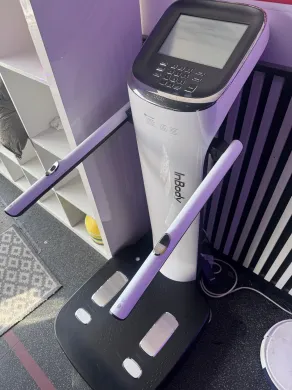

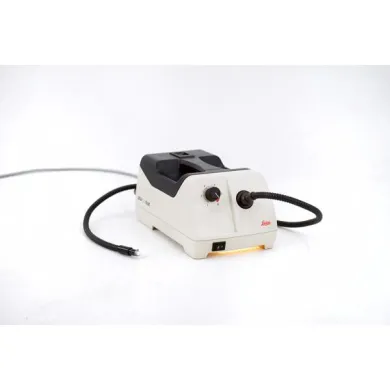
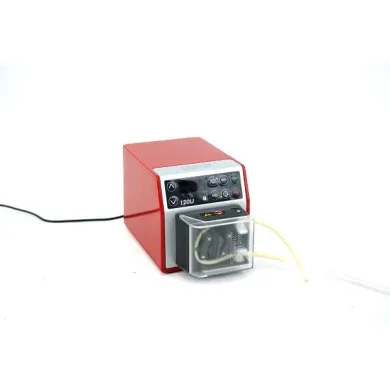
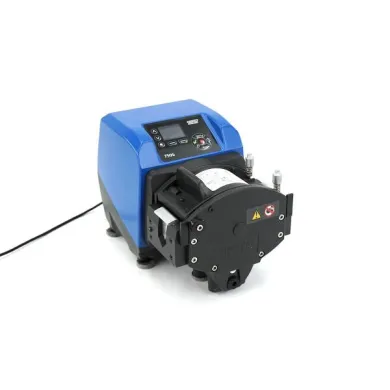

Not the exact instrument you need?
Tell our scientists what you are after. We track it down, including off-market supply.

Showing 1–40 of 2,378 listings
Show 40 more listingsBuying guide
The first thing to settle in this category is what the device has to connect to and comply with, because general medical equipment is rarely bought in isolation. A pump feeds a line, a ventilator meets a gas supply, an autoclave takes a chamber load of a fixed size, and lighting mounts to a ceiling, a rail or a stand. Establish the interface, the footprint and the regulatory class before anything else, since a unit that does exactly what you need is still useless if it will not fit the room or meet the standard your jurisdiction applies to that device class. For anything that touches a patient or sterilises what will, the applicable medical device regulation decides more than any single specification on the datasheet.
On a used unit, condition carries more weight here than in most categories, because wear on medical hardware is often internal. A pump's accuracy drifts, an autoclave's seals and heating element age, a ventilator's sensors fall out of calibration. Ask what has been serviced, when it was last tested, and whether calibration or validation records come with it. Verified suppliers and distributors on Questpair can usually say what state a listing is in; parts can be sourced through Questpair and a warranty is often possible, arranged in consultation for the specific listing.
Price in this category is best read against the subtype, because the range is enormous. A single medical supply item sits near the floor while a complete ventilator or a large sterilizer sits near the ceiling.
Prices run from EUR 1 to EUR 99.002, with an average around EUR 1.979.
That spread is what a buyer works to a budget: used units, which make up the bulk of what is listed, are more affordable than new, and the catalogue holds enough of both that most needs have something for sale within reach. What a unit costs depends far more on which of the eight subtypes it belongs to than on its condition alone.
Types of General medical equipment
Which lighting is listed?
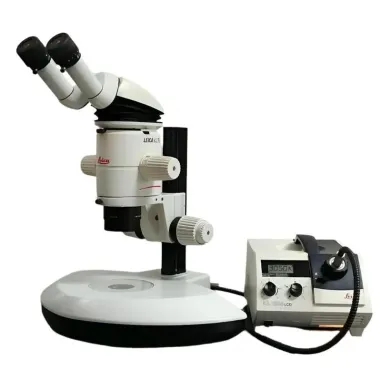
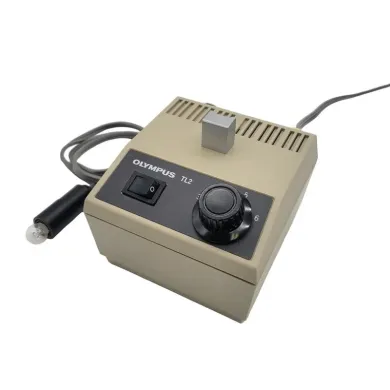
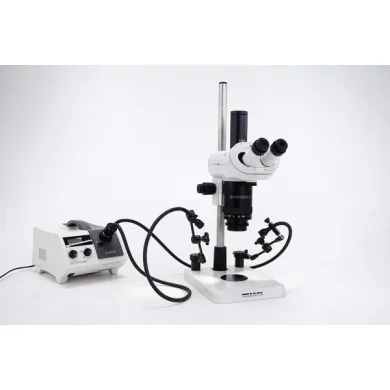
Lighting is the largest group in this category, and among the listings that specify a type it covers examination lamps, surgical and procedure lighting, and magnifying inspection lamps. What separates them is intensity, colour temperature and mounting: a surgical light delivers shadow-free illumination over an operating field, while an examination lamp is a lighter, mobile fixture for a consulting room. Clinics, dental practices and veterinary surgeries all draw on this group, choosing by how the light mounts and how bright and true its colour rendering needs to be. These fixtures also support dermatology and minor-procedure work where accurate colour and a steady beam matter to what the clinician sees.
Autoclaves or sterilizers
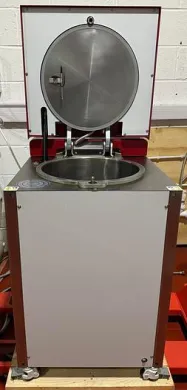
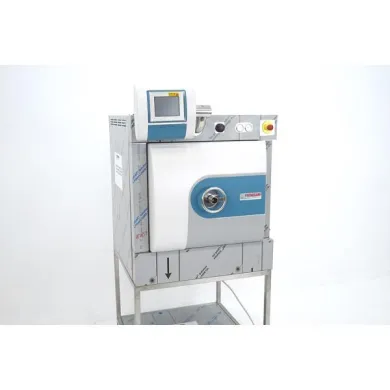
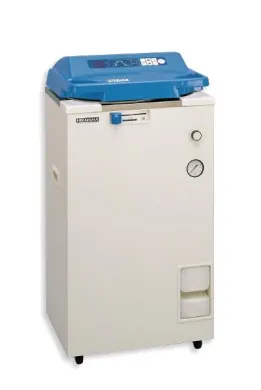
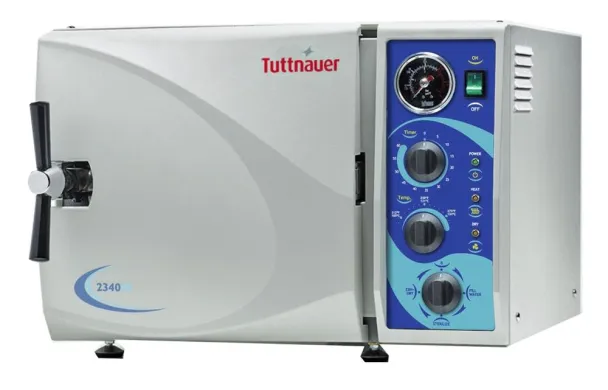
An autoclave is a pressure vessel that sterilises instruments and loads with saturated steam at temperature, and the sterilizers listed here range from small benchtop chambers for a dental or veterinary practice to larger floor-standing units for a central sterile department. They differ by chamber volume, cycle type and whether they vacuum-assist steam penetration. This equipment is central to microbiology and to any clinical or laboratory workflow that reuses instruments, since reliable sterilisation underpins infection control, cell culture preparation and the safe reprocessing of surgical tools. Sterilization and sterilisation both name the same duty, and a buyer sizes the chamber to the daily instrument load.
Medical furniture
Medical furniture covers the fixed and mobile pieces a clinical space is built around: examination couches, treatment tables, trolleys, stools and cabinets. What distinguishes one from another is adjustability, load rating and whether the surface is designed for cleaning and disinfection between patients. A general practice, a physiotherapy room and a veterinary clinic each reach for a different form, chosen by how a patient is positioned and how easily the piece moves and wipes down. This group carries no research field of its own, and is also used for sample and specimen handling benches where a stable, cleanable surface supports laboratory tasks alongside clinical ones.
Medical pumps
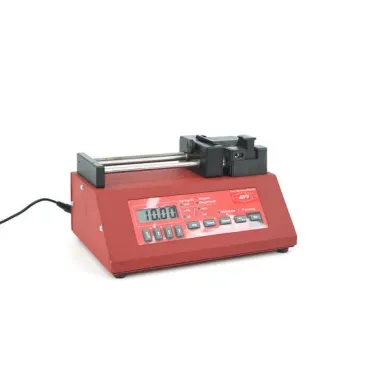
A medical pump moves fluid at a controlled rate, and the listings here span infusion and syringe pumps for delivering medication, along with peristaltic and suction pumps for other clinical duties. They differ in flow range, accuracy and the kind of line or set they drive. Accuracy is the dividing line: a syringe pump metering a small volume over hours is a different instrument from a suction unit clearing a field. Beyond the bedside, pumps of this class are also used for cell culture perfusion and for fluid handling in bioprocessing, where a steady, calibrated flow feeds a reactor or a filtration loop.
Medical supplies
Medical supplies are the consumable and accessory items that keep the equipment above in service: tubing, filters, sets, connectors and the smaller single-use or replaceable parts a practice gets through. They differ by what they fit and whether they are sterile, single-use or reusable. A buyer reaches for this group to keep a pump, a ventilator or a sterilizer running rather than to acquire a new device. Many of these consumables also serve microbiology and general laboratory work, where sterile filters, tubing and connectors are standard across sample preparation and fluid handling, which is why the same items turn up in both clinical and laboratory settings.
Medical respirators
Medical respirators in this group are the devices and masks that support or protect breathing, distinct from the full mechanical ventilators that follow. They range from powered air-purifying respirators and masks to the interfaces that connect a patient to a breathing circuit. What separates them is whether they filter inspired air, assist a spontaneously breathing patient, or form part of a protective barrier for staff. Clinics, emergency services and veterinary practices select by fit, filtration standard and the circuit the respirator has to join, and the choice turns on the specific respiratory duty rather than on a single headline specification.
Medical ventilators
A medical ventilator mechanically moves air into and out of the lungs of a patient who cannot breathe adequately unaided, and the units listed here cover intensive-care, transport and anaesthesia ventilators. They differ in the ventilation modes they support, their gas and power requirements, and whether they are built for a fixed bedside or for moving a patient. Because a ventilator is a life-support device, its mode set and sensor calibration decide fitness for a given clinical setting far more than its age. This is specialised respiratory equipment, and a buyer matches the mode range and the circuit to the care level the unit will run.
Veterinary equipment
Veterinary equipment is the animal-care counterpart to the clinical groups above, covering devices and furnishings built for examining, treating and monitoring animals. It overlaps heavily with human medical hardware in function but differs in scale, restraint and the species a unit is designed around: a small-animal table, a large-animal hoist and a species-specific monitor are not interchangeable. Practices choose by the range of patients they treat and the space they work in. Much of this group is also used for animal research and preclinical work, where the same examination, anaesthesia and monitoring hardware supports studies in a laboratory setting.
Frequently asked questions
What is general medical equipment?
General medical equipment is the class of devices, furnishings and consumables used to deliver clinical care, sterilise instruments, support patients and run a working medical or veterinary practice. It spans examination lighting, autoclaves, pumps, respirators, ventilators, furniture and the supplies that keep them in service.
What does general medical equipment mean?
The term covers the hardware a clinical or laboratory space is built around, from the device that treats a patient to the table it rests on and the consumables that keep it running. It groups together clinical and veterinary equipment that shares a care or support function rather than a single technology.
How does general medical equipment work?
Each subtype works on its own principle: an autoclave sterilises with saturated steam under pressure, a pump moves fluid at a controlled rate, a ventilator mechanically moves air into and out of the lungs, and examination lighting illuminates a field at a set intensity and colour temperature. They share the role of supporting clinical care rather than a common mechanism.
What types of general medical equipment are there?
On Questpair the category breaks into eight subtypes: lighting, autoclaves and sterilizers, medical furniture, medical pumps, medical supplies, respirators, ventilators and veterinary equipment. The listings most often name autoclaves, hemodialysis machines, steam sterilizers, halogen lamps, laboratory refrigerators and laboratory workbenches.
What is general medical equipment used for?
It is used to examine, treat, monitor and support patients, to sterilise and reprocess instruments, and to furnish and supply a working practice. Much of it crosses into laboratory and research use too, where pumps, sterilizers and sterile consumables serve microbiology, cell culture and bioprocessing.
How do I choose the right general medical equipment?
Settle what the device has to connect to and comply with first: the interface, the footprint and the regulatory class for that device type in your jurisdiction. A unit that does what you need is still unusable if it will not fit the room or meet the applicable medical device regulation.
What is the difference between refurbished and used equipment?
Used describes a unit sold in its current state, while refurbished means it has been reconditioned before resale. On medical hardware the practical question is the same for both: ask what has been serviced, when it was last tested, and whether calibration or validation records come with it.
How much does general medical equipment cost?
Prices across the category run from EUR 1 to EUR 99.002, with an average around EUR 1.979. What a unit costs depends far more on which of the eight subtypes it belongs to than on its condition, since a single consumable sits near the floor and a complete ventilator or large sterilizer near the ceiling.
Which brands make general medical equipment?
The brands appearing across this category include Accucold, Olympus, Gambro and Schott, alongside a large share of listings grouped under Various where no single maker dominates. The named brands cluster around specific subtypes, such as Accucold in laboratory refrigeration and Gambro in dialysis.
Is a warranty available on refurbished equipment?
A warranty is often possible and is arranged in consultation for the specific listing. Because terms are not set centrally, check what a given used or refurbished unit carries before you buy.
Can I get parts for this equipment?
Parts can be sourced via Questpair. This matters on medical hardware where wear is often internal, such as autoclave seals, heating elements, pump sets and ventilator sensors.
How long does general medical equipment last?
Lifespan varies widely by subtype and by how heavily a unit is cycled, since an autoclave's seals and heating element age with use and a pump's accuracy can drift over time. For anything that sterilises or meters fluid, service history and calibration records tell you more about remaining life than age alone.
Should I buy new or refurbished?
Used and refurbished units are listed at lower prices than new, which is the clear advantage when budget is the constraint. Weigh the two against the individual listing: check the service, test and calibration records, and note that warranty is arranged in consultation for that specific unit.
Where can I buy general medical equipment?
On Questpair this category holds 3781 listings from 24 verified suppliers and distributors across 14 countries. The catalogue covers new, used and refurbished hardware spanning all eight subtypes.
What are the lead time and shipping like?
Lead time and shipping depend on the individual listing, the supplier and the country it ships from, which is why they are set per listing rather than across the category. For a specific unit, contact Questpair and specialists respond within one hour.
Does this equipment need calibration and maintenance?
Anything that meters, measures or sterilises needs periodic calibration and servicing, since a pump's accuracy drifts and a ventilator's sensors fall out of calibration over time. Questpair does not perform servicing, but parts can be sourced via Questpair and calibration records should be requested with any used unit.
Which types in this category are listed most, and who buys which?
Lighting is the largest group, with examination, surgical and magnifying inspection lamps chosen by clinics, dental and veterinary practices on mounting and colour rendering. Autoclaves and sterilizers draw central sterile departments and laboratories, pumps and ventilators go to clinical and intensive-care settings, and veterinary equipment serves animal practices and preclinical research.
Which brands dominate this category and what does that mean for a buyer?
A large share of listings fall under Various rather than a single dominant maker, with Accucold, Olympus, Gambro and Schott named on the rest. For a buyer this means the choice is often driven by subtype and specification rather than by brand, so match the unit to the interface and regulatory class it has to meet.
What separates the cheapest equipment here from the most expensive?
The price band is driven by subtype more than condition: a single medical supply item such as tubing or a connector sits near EUR 1, while a complete ventilator or a large floor-standing sterilizer sits near EUR 99.002. Within a subtype, chamber volume, flow accuracy, mode range and whether a unit is new or used account for the remaining spread.