

Medical ventilators
We personally find you the right used, refurbished and new medical ventilators instruments & equipment from verified suppliers.
Medical ventilators are mechanical devices that move breathable gas into and out of a patient's lungs when spontaneous breathing is absent or insufficient. They are used in intensive care, anaesthesia, emergency transport and long-term respiratory support, and they range from compact transport units to full critical-care platforms. New, used and refurbished units are listed in this laboratory and clinical equipment category, drawn from 10 verified suppliers and distributors across 6 countries. Of the current listings, 99 percent are used. Prices run from EUR 86 to EUR 5.653, a span that separates a basic ambulatory unit from a fully equipped ICU machine with integrated monitoring.
Updated:
Medical ventilators product list
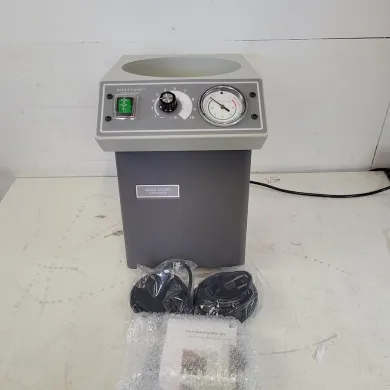
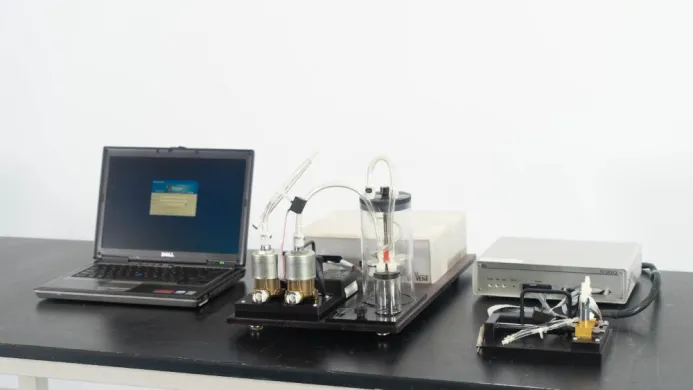
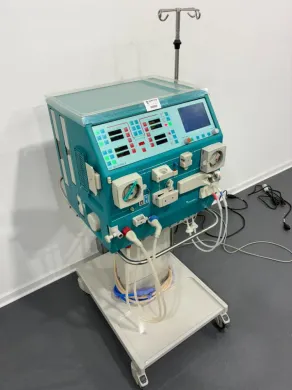
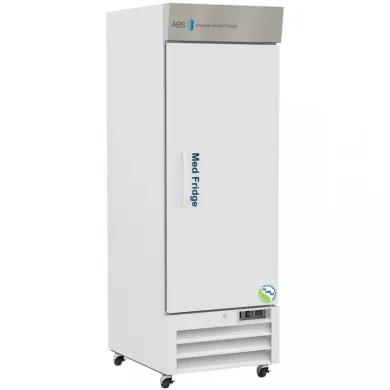


Not the exact instrument you need?
Tell our scientists what you are after. We track it down, including off-market supply.


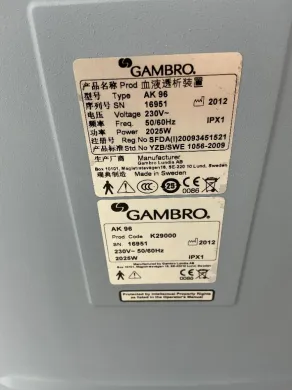
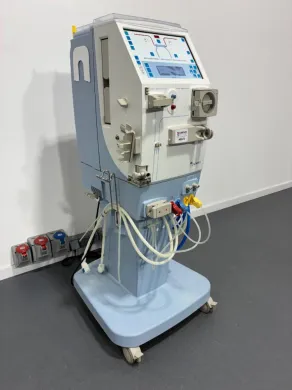
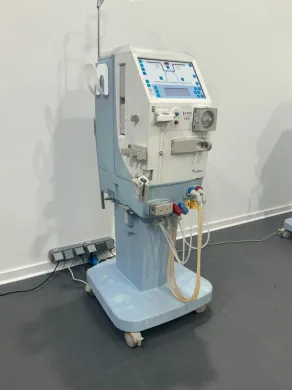
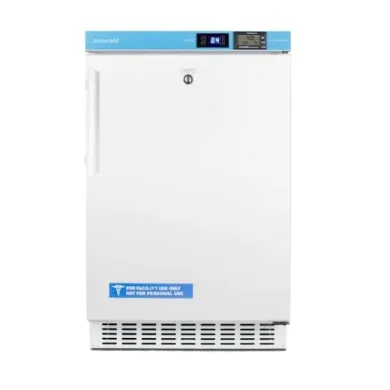
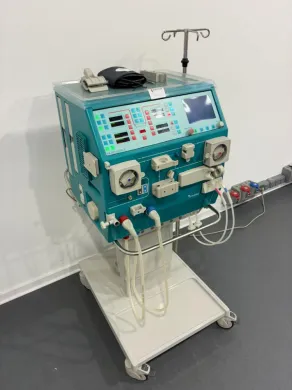

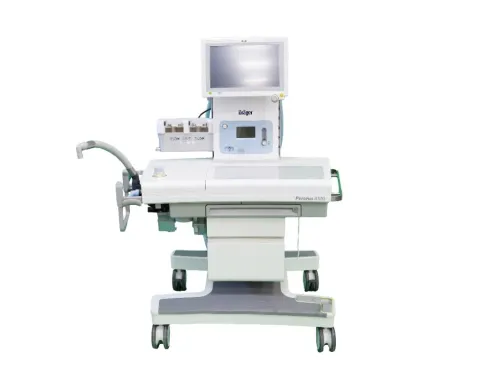
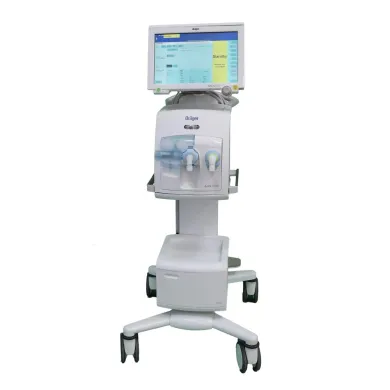


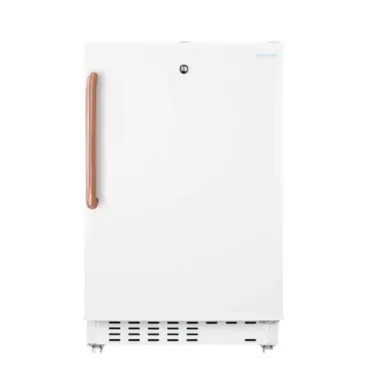
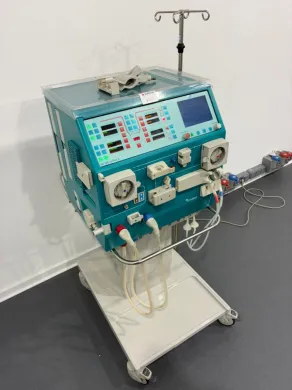
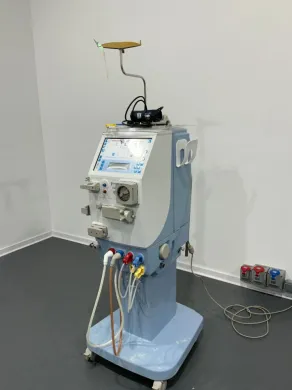
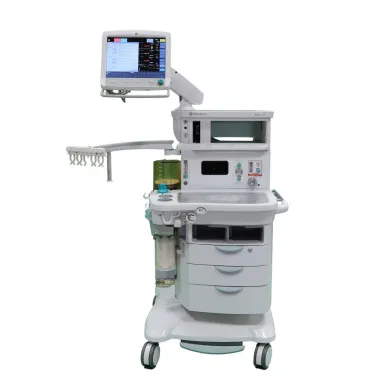




Not the exact instrument you need?
Tell our scientists what you are after. We track it down, including off-market supply.

Showing 1–40 of 182 listings
Show 40 more listingsBuying guide
The ventilation modes a unit supports decide more of the purchase than any other figure, because they fix what the machine can actually do at the bedside. Volume-controlled and pressure-controlled modes cover most adult critical care; pressure support and SIMV matter where weaning is the goal; neonatal and paediatric work needs modes and flow sensors built for very small tidal volumes. Before anything else, match the mode set and the patient-weight range to the setting the unit will serve, because a transport device and an ICU platform occupy different ends of that span and the price band follows the same line.
What has to be checked on a used ventilator is more exacting than the datasheet suggests, which is why condition weighs heavily in this class. The pneumatic circuit, the internal flow and pressure sensors, and the oxygen blender all drift with age, and a unit that reads correctly at idle can fail calibration under load. Ask for the service history, the total operating hours where the logs expose them, and the state of consumable-contact parts such as the exhalation valve and the patient-circuit fittings. Where a warranty matters, it is arranged in consultation for the specific listing rather than set across the catalogue, so the individual listing is where that question is settled.
Price sits across a wide spread, and the brands on offer occupy different parts of it. Among the listings here, Accucold, Gambro, B. Braun Medical Inc. (B.Braun), Nikkiso, American BioTech Supply appear most often, and the presence of established medical-equipment makers affects how easy a model is to compare and how readily consumables and replacement sensors can be found. A used unit typically costs well below a new one, which is what makes refurbished critical-care equipment affordable for a smaller department or a secondary site. What fits a budget depends on the mode set and the monitoring a unit carries, not on brand alone, and units offered for sale here cover both the compact end and the fully featured end of that range. The average listing sits near EUR 1.857, between the two extremes.
Types of Medical ventilators
Which ventilator and related device types are listed?
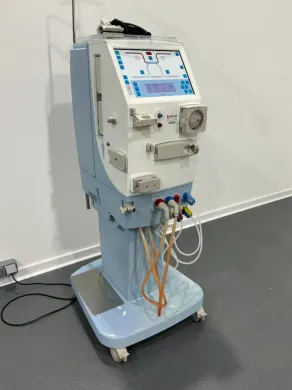
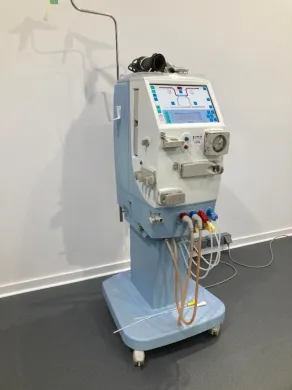
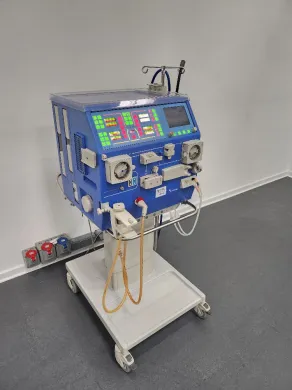
Among the listings that specify a type, the most common entries describe hemodialysis machines, clinical dialysis equipment, dialysis machines, renal replacement therapy devices, and broader dialysis systems and supplies. These sit alongside the ventilation equipment the category is built around, reflecting how closely respiratory and renal support run together in critical-care settings. A renal replacement therapy device filters blood when the kidneys cannot, where a ventilator supports the lungs, and the two often stand at the same bedside in an intensive care unit. A dialysis system handles the fluid circuit, the dialysate, and the monitoring that governs a treatment session, while a dialysis machine is the core unit a clinician programmes and runs. Because this list comes from part of the catalogue rather than all of it, treat it as a sample of what is available rather than the full set.
Both ventilators and dialysis equipment carry real weight in life sciences and clinical research as well as in direct patient care. Ventilators support animal models in respiratory physiology and in preclinical drug studies, also used for work on lung mechanics and gas exchange. Dialysis and renal replacement devices feed into nephrology research and into molecular diagnostics around kidney function, and the fluid-handling and membrane filtration they rely on connect to bioprocessing and protein purification, where selective separation across a membrane is the shared principle. Equipment of this kind turns up in translational studies that bridge the bench and the clinic, from cell culture models of organ function to the physiological validation that precedes a trial.
The brands behind the medical ventilator listings
The makers appearing most often here are Accucold, Gambro, B. Braun Medical Inc. (B.Braun), Nikkiso, American BioTech Supply. For a buyer, an established medical-equipment brand means replacement sensors, exhalation valves and patient circuits are easier to source, and that two units from the same maker can be compared on specification rather than guesswork. It also tends to set the price level: a known critical-care platform carries a different band from an ambulatory or storage-support unit. The device information that matters belongs to each listing and to the individual brand pages, so weigh a model on what the listing states rather than on the name alone.
What a used medical ventilator costs here
Of the listings in this category, 99 percent are used. Prices range from EUR 86 to EUR 5.653. That spread covers the distance between a compact, single-function unit and a fully equipped platform with integrated monitoring and a broad mode set, which is why the band is so wide. The catalogue is drawn from 10 verified suppliers and distributors across 6 countries, and where a buyer needs parts for a specific model, those can be sourced via Questpair.
Frequently asked questions
What is a medical ventilator?
A medical ventilator is a mechanical device that moves breathable gas into and out of a patient's lungs when spontaneous breathing is absent or insufficient. It is used across intensive care, anaesthesia, emergency transport and long-term respiratory support.
What does medical ventilator mean?
The term covers any machine that delivers controlled breaths to a patient, from a compact transport unit carried on an ambulance to a full critical-care platform at an ICU bedside. The common thread is mechanical support of ventilation rather than oxygen delivery alone.
How do medical ventilators work?
A ventilator uses a pneumatic circuit to push a measured volume or pressure of gas into the lungs, then allows passive exhalation through an exhalation valve. Internal flow and pressure sensors track each breath, and an oxygen blender sets the fraction of oxygen delivered.
What types of ventilators are there?
They split broadly into transport and ambulatory units built for portability, and critical-care platforms built for a wide mode set and integrated monitoring. Neonatal and paediatric units form a separate class because they handle very small tidal volumes that adult machines are not built for.
What is a ventilator used for?
It supports or replaces breathing during intensive care, anaesthesia, emergency transport and long-term respiratory care. In research settings, ventilators also support animal models in respiratory physiology and preclinical studies of lung mechanics and gas exchange.
How do I choose a ventilator?
Match the ventilation mode set and the patient-weight range to the setting the unit will serve first, since that fixes what the machine can do at the bedside. Volume-controlled and pressure-controlled modes cover most adult critical care, while weaning needs pressure support and SIMV, and neonatal work needs flow sensors built for small volumes.
What is the difference between refurbished and used ventilators?
A used unit is sold in its current state, while a refurbished unit has been checked and brought back to working order before listing. For either, ask for the service history and the condition of the pneumatic circuit, sensors and consumable-contact parts, since those are what drift with age.
How much does a ventilator cost?
Listings here range from EUR 86 to EUR 5.653, with the average near EUR 1.857. The wide spread reflects the distance between a single-function transport unit and a fully equipped ICU platform with integrated monitoring.
Which ventilator brands are listed here?
The brands appearing most often in this category are Accucold, Gambro, B. Braun Medical Inc. (B.Braun), Nikkiso and American BioTech Supply. The specification that matters sits in each listing, so weigh a model on what the listing states rather than on the name.
Is there a warranty on a refurbished ventilator?
A warranty is often possible and is arranged in consultation for the specific listing rather than set across the catalogue. The individual listing is where that question is settled.
Can I get parts for a ventilator?
Replacement sensors, exhalation valves and patient circuits can be sourced via Questpair. Units from established medical-equipment makers tend to be easier to match on consumable-contact parts.
How long does a ventilator last?
Operating life depends on how heavily the pneumatic circuit and sensors have been worked and on how well consumable-contact parts have been maintained. The total operating hours, where the service logs expose them, give a better read on remaining life than the model year alone.
New versus refurbished, which should I buy?
Used and refurbished ventilators are listed at lower prices than new, which is what makes critical-care equipment reachable for a smaller department or a secondary site. What fits a given use depends on the mode set and monitoring the unit carries, so compare the individual listings and settle warranty in consultation.
Where can I buy a ventilator?
Listings in this category come from verified suppliers and distributors across 6 countries, drawn from 10 suppliers in total. Each listing states the unit's condition and specification.
What are the lead time and shipping like?
Lead time and shipping depend on the individual seller and the unit's location, which varies across the suppliers and countries represented here. The listing is where delivery terms for a specific unit are confirmed.
What calibration and maintenance does a ventilator need?
The pneumatic circuit, internal flow and pressure sensors, and the oxygen blender all drift with age, so a unit that reads correctly at idle can fail calibration under load. Checking these under load, plus the state of the exhalation valve and patient-circuit fittings, is more exacting than the datasheet suggests.
Which device types are most listed here and who reaches for which?
Among listings that specify a type, the common entries describe hemodialysis machines, clinical dialysis equipment, dialysis machines, renal replacement therapy devices and broader dialysis systems, sitting alongside the ventilation equipment the category is built around. Critical-care and ICU teams reach for ventilators and renal replacement devices at the same bedside, while nephrology and bioprocessing work pulls on the dialysis and membrane-filtration side.
Which brands dominate this category and what does that mean for a buyer?
Accucold, Gambro, B. Braun Medical Inc. (B.Braun), Nikkiso and American BioTech Supply appear most often in these listings. An established medical-equipment brand means replacement sensors and patient circuits are easier to source, and two units from the same maker can be compared on specification rather than guesswork.
What separates the cheapest ventilators here from the most expensive?
The bottom of the band is a compact, single-function unit, often ambulatory or transport, with a narrow mode set. The top is a fully equipped ICU platform with integrated monitoring and a broad mode set, and the mode set plus monitoring is what moves a unit up the price line more than the brand does.