

Medical furniture
We personally find you the right used, refurbished and new medical furniture instruments & equipment from verified suppliers.
Medical furniture is the class of seating, storage and transport fixtures used in laboratories, clinics and healthcare settings, covering stools, chairs, carts and cabinetry built for wipe-down surfaces, adjustable height and mobility. The Questpair catalogue lists 182 items across 12 verified suppliers and distributors in 8 countries. Among the current listings, 81 percent are used. New, used and refurbished units all appear, with prices from EUR 30 to EUR 28.755 and an average near EUR 1.006. Common types include laboratory stools, storage carts and seating; specialised medical supply carts sit alongside them. The spread covers a single ergonomic stool at the low end and a fitted mobile cabinet system at the high end.
Updated:
Medical furniture product list
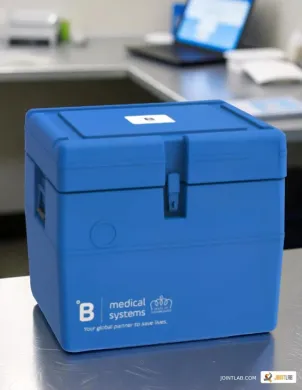
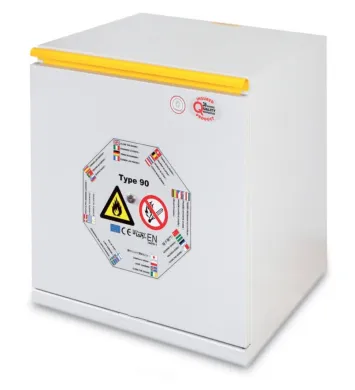
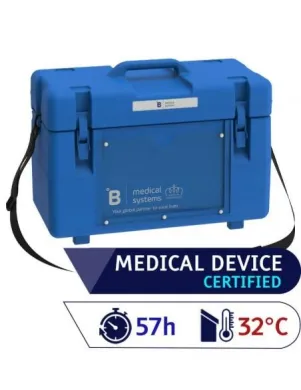
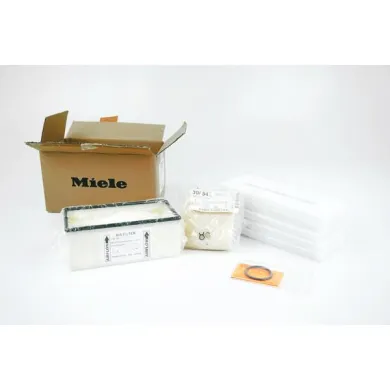


Not the exact instrument you need?
Tell our scientists what you are after. We track it down, including off-market supply.
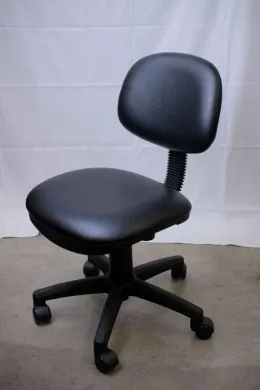
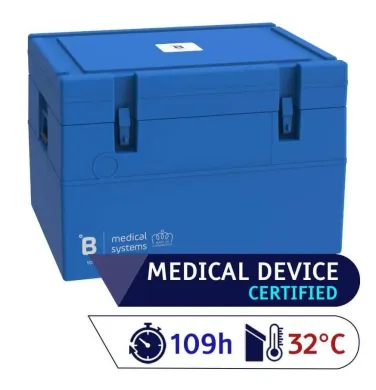
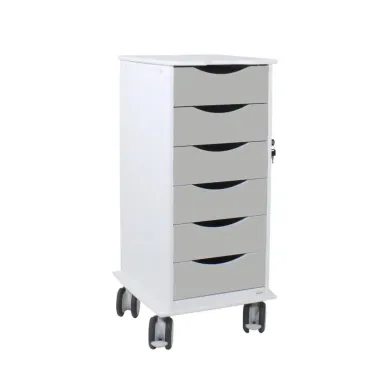
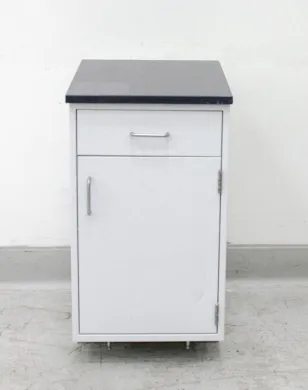
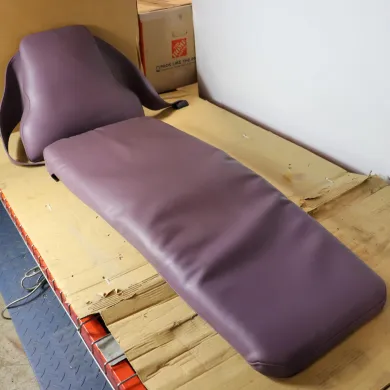
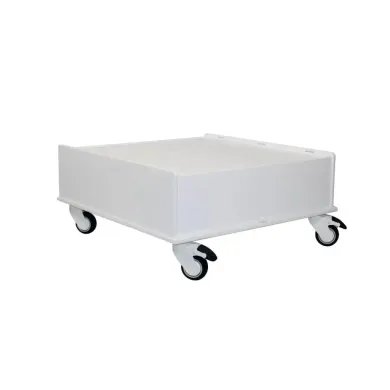
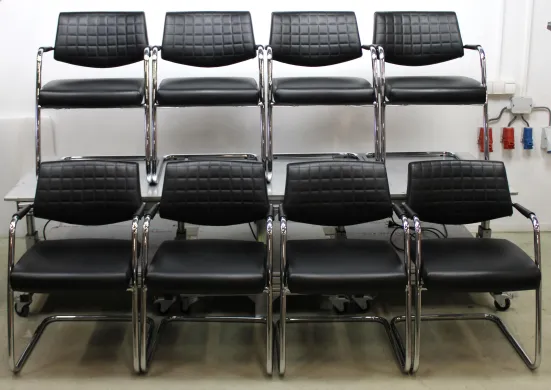
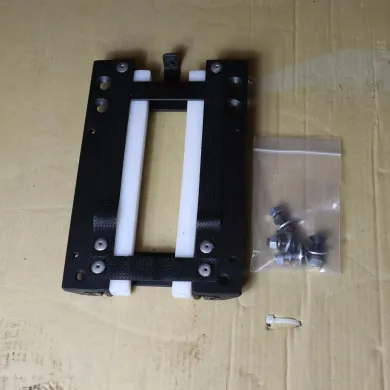
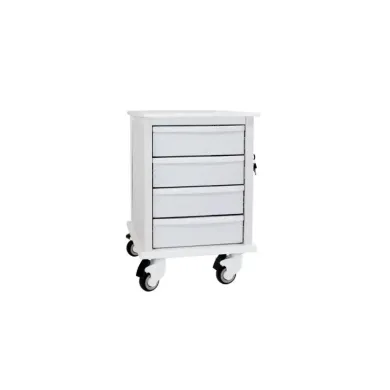
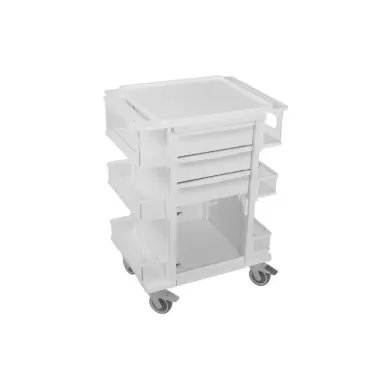
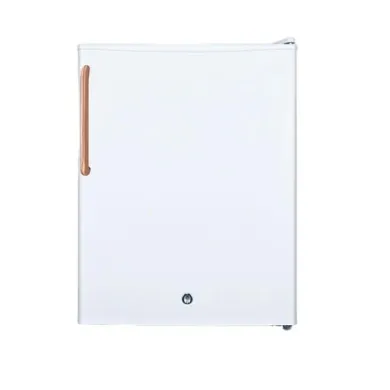
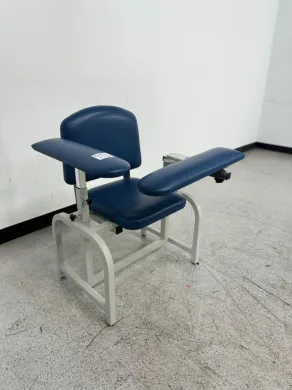
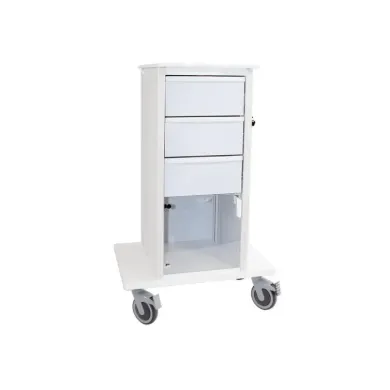

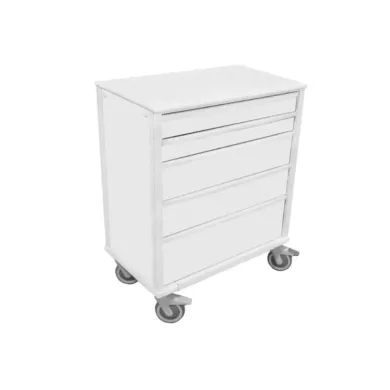
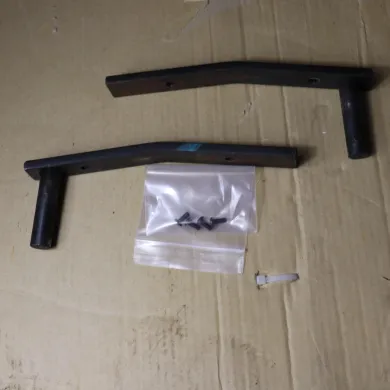
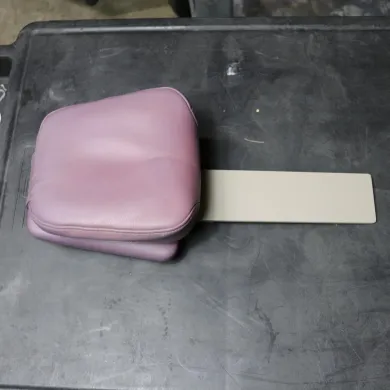
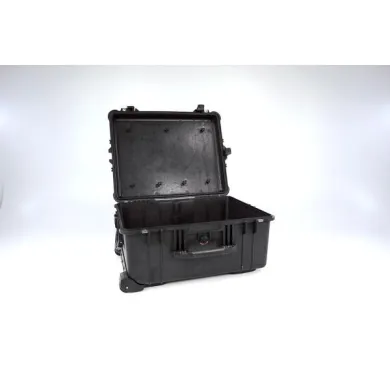
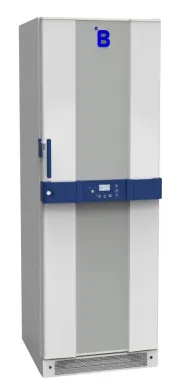
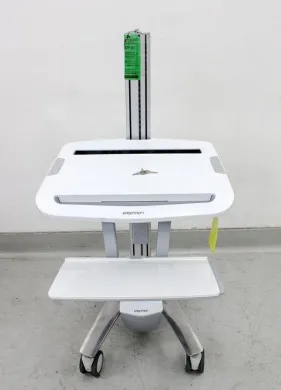
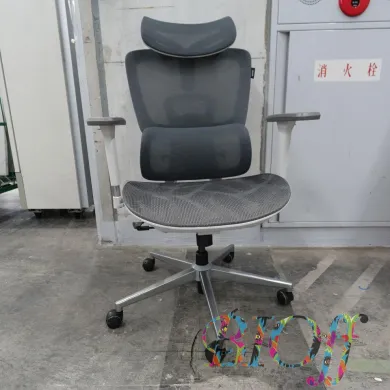
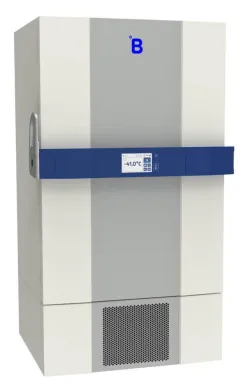
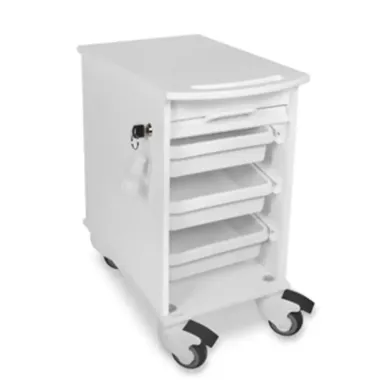
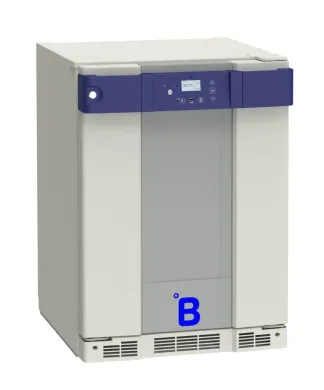
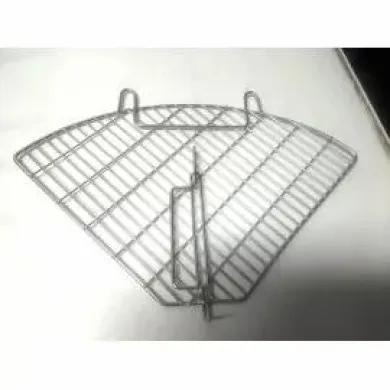
Cover for Thermodisinfector Baskets
- Category
- Medical furniture
- Brand
- Miele
- Suppliers
- 1 verified

Not the exact instrument you need?
Tell our scientists what you are after. We track it down, including off-market supply.
Showing 1–40 of 80 listings
Show 40 more listingsBuying guide
Matching the fixture to the room it works in
The first thing to settle is not a specification but a setting, because medical furniture spans two jobs that rarely share a buyer. A laboratory stool exists to hold a technician at a fixed bench height for hours; a medical supply cart exists to move stock from store to point of use and back. Decide which of those the purchase actually does, and most of the rest follows. A stool is judged on seat height range, backrest, caster versus glide feet and the cleanability of the upholstery. A cart is judged on drawer configuration, locking, load rating and how it steers on the floor it will live on. A cabinet is judged on footprint, shelf adjustability and whether it accepts the containers already in the room. The same word, furniture, covers all three, which is why the room matters before the datasheet.
For seating that is used clinically or in a lab, the surface decides more than the look. A fabric office chair cannot be wiped down between users; a polyurethane or vinyl seat can, and that distinction governs where a chair is allowed to sit. Height range matters next: a stool rated to a standing bench is a different object from one rated to a seated desk, and buying the wrong range leaves a user perched or stooped for a shift. Caster choice follows the floor, with soft wheels for hard surfaces and hard wheels for carpet.
On a used unit, the checks are physical. Casters and gas-lift cylinders wear, so test that a stool holds its set height under load rather than sinking, and that a cart rolls true without a dragging wheel. Look at the upholstery seams and the drawer runners, the two places where hard daily use shows first. A cabinet needs its hinges and locks exercised. None of this appears on a listing photograph, so the cost of a used piece is partly the cost of verifying it, and a seller who answers these questions plainly is worth more than a slightly cheaper one who does not.
Where the price band sits is wide. Entries start at EUR 30 for a plain stool and reach EUR 28.755 for a fitted cart or cabinet system, with the average around EUR 1.006. That spread is where a budget is set, because the same category name covers both a single seat and a complete mobile storage unit. Used and refurbished pieces are listed below new, which is what makes a modest budget stretch across more of the room. Brands that recur here, among them Various, TrippNT, B Medical Systems, Ergotron, Fisherbrand, anchor different points on that band, and knowing which name sits where saves comparing a stool against a cart as if they were rivals. What a unit costs, what fits the budget, and whether a refurbished piece for sale does the job are three separate questions, and the listing page answers the first before the other two can be weighed.
Types of Medical furniture
Which medical furniture types are listed here?
Among the listings that specify a type, the catalogue sorts into a few recurring groups. Laboratory stools and laboratory seating make up the seated end: height-adjustable seats built for bench work, distinguished from an ordinary office chair by their rated height range and their wipe-clean surfaces. An office chair also appears, aimed at write-up areas and offices adjoining the lab rather than the bench itself. The transport and storage end is held by the laboratory storage cart and the medical supply cart, mobile units with drawers or shelves that move consumables to where they are needed. The distinction between those two carts is mostly one of fitting: a medical supply cart tends to carry locking drawers and a standardised bin layout, a laboratory storage cart tends toward open shelving and a heavier load rating. General laboratory furniture, benches and cabinetry, rounds out the group where the work is fixed rather than mobile.
Several of these pieces sit directly in biotechnology and life sciences work. A laboratory stool is where the sample preparation happens, so stools turn up in molecular biology and cell culture labs wherever a technician works at a laminar hood or a bench for a long session. A medical supply cart stocked at a bedside or a cleanroom door supports molecular diagnostics and biomanufacturing workflows, holding reagents and consumables within reach of the work. A laboratory storage cart is also used for moving sample racks between a cold store and an electrophoresis or genomics bench, and a cabinet keeps the ordered stock that a proteomics or microbiology lab runs through. The furniture does no measurement itself, but it is the fixed scaffolding around which cell imaging and protein purification are actually carried out.
The brands behind the medical furniture listings
The names that recur, Various, TrippNT, B Medical Systems, Ergotron, Fisherbrand, each tell a buyer something practical. A large share of listings sit under Various, meaning generic or unbranded stock where price leads and a model is judged on its own merits rather than a maker's reputation. TrippNT and Ergotron bring recognisable cart and mount lines, which makes parts and replacement components easier to find and lets a buyer compare like against like across several listings. B Medical Systems and Fisherbrand anchor the clinical and general-laboratory end. A known brand usually means a documented model, so matching an older unit to a current catalogue entry is straightforward, and spare drawers, casters or cushions can be sourced where a generic piece leaves a buyer searching. Where availability of parts matters over a long service life, the branded listings are the safer comparison.
What a used medical furniture unit costs here
Of the current stock, 81 percent is listed as used, with the balance across new and refurbished pieces. Prices run from EUR 30 to EUR 28.755, averaging near EUR 1.006. That range covers everything from a single stool to a fitted mobile cabinet, which is why the spread looks so wide: it is the distance between the simplest and the most complete item in the category, not a measure of quality within one type.
Frequently asked questions
What is medical furniture?
Medical furniture is the class of seating, storage and transport fixtures used in laboratories, clinics and healthcare settings. It covers stools, chairs, carts and cabinetry built for wipe-down surfaces, adjustable height and mobility.
What does medical furniture mean in practice?
In practice it refers to the fixed and mobile pieces a lab or clinic needs to hold staff at a bench, store consumables and move stock to the point of use. It is the physical scaffolding around the work rather than any instrument that measures or processes a sample.
How does medical furniture work?
A stool holds a technician at a fixed bench height using a gas-lift cylinder and casters or glide feet, a cart moves stock on wheels with drawers or shelves, and a cabinet stores ordered stock in a fixed footprint. The furniture itself performs no measurement; its job is positioning people and consumables.
What types of medical furniture are there?
The main groups are laboratory stools and laboratory seating for bench work, office chairs for write-up areas, laboratory storage carts and medical supply carts for transport, and general laboratory furniture such as benches and cabinetry. A medical supply cart tends toward locking drawers and a standardised bin layout, a laboratory storage cart toward open shelving and a heavier load rating.
What is medical furniture used for?
It supports the setting rather than the test: a stool holds sample preparation at a laminar hood or bench, a supply cart keeps reagents and consumables within reach at a bedside or cleanroom door, and a storage cart moves sample racks between a cold store and a bench. Cabinets keep the ordered stock a lab runs through.
How do I choose the right medical furniture?
Start with the room and the job, not the datasheet, because a stool for bench work and a cart for transport rarely share a buyer. Judge a stool on seat height range, backrest, caster type and upholstery cleanability; a cart on drawer configuration, locking, load rating and steering; a cabinet on footprint, shelf adjustability and whether it fits the containers already in the room.
What is the difference between refurbished and used medical furniture?
A used unit is sold in its current condition, while a refurbished one has been reconditioned before resale. Both appear in the listings here below new prices, and the specific condition of any piece is stated on its individual listing.
How much does medical furniture cost?
Prices in the catalogue run from EUR 30 to EUR 28.755, with an average near EUR 1.006. That spread reflects the distance between a single plain stool and a fitted mobile cabinet system, not a measure of quality within one type.
Which brands make medical furniture?
Recurring names here include Various, TrippNT, B Medical Systems, Ergotron and Fisherbrand. Various covers generic or unbranded stock where price leads, while TrippNT and Ergotron bring recognisable cart and mount lines and B Medical Systems and Fisherbrand anchor the clinical and general-laboratory end.
Can I get a warranty on refurbished medical furniture?
A warranty is often possible and is arranged in consultation for the specific listing. Check the individual listing and raise the question with the seller before purchase.
Can I get replacement parts for medical furniture?
Parts such as spare drawers, casters or cushions can be sourced via Questpair. Branded units make this easier, since a documented model lets a buyer match an older piece to a current catalogue entry, where a generic piece often leaves more searching.
How long does medical furniture last?
Service life depends on the piece and how hard it is used, with casters and gas-lift cylinders being the parts that wear first on seating and carts. Where a long service life matters, branded listings with documented models make it easier to source replacement components over time.
Should I buy new or refurbished medical furniture?
The clearest difference is price: used and refurbished pieces are listed below new. Where you have to weigh the two, check the condition on the individual listing and arrange any warranty in consultation for that specific item.
Where can I buy medical furniture?
The Questpair catalogue lists 182 items across 12 verified suppliers and distributors in 8 countries. New, used and refurbished units all appear, so you can compare condition and price within the same category.
What is the lead time and shipping on medical furniture?
Lead time and shipping depend on the individual listing and the supplier offering it, since stock spans 12 suppliers across 8 countries. Check the specific listing for its availability and delivery terms.
Does medical furniture need calibration or maintenance?
This furniture performs no measurement, so it needs no calibration. Maintenance is physical: check that a stool holds its set height under load, that a cart rolls true without a dragging wheel, and that drawer runners, hinges and locks work; upholstery seams and runners are where hard daily use shows first.
Which types in this category are listed most, and who reaches for which?
Laboratory stools and laboratory seating hold the seated end for bench and hood work in molecular biology and cell culture labs, while laboratory storage carts and medical supply carts hold the transport end for moving reagents and sample racks. Office chairs serve adjoining write-up areas rather than the bench, and general laboratory furniture covers fixed benches and cabinetry.
Which brands dominate this category, and what does that mean for a buyer?
A large share of listings sit under Various, meaning generic stock judged on its own merits rather than a maker's reputation, with TrippNT, Ergotron, B Medical Systems and Fisherbrand recurring across the branded end. For a buyer, a known brand usually means a documented model, which makes matching an older unit and sourcing spare parts more straightforward than with an unbranded piece.
What separates the cheapest medical furniture here from the most expensive?
The bottom of the band is a single plain stool at EUR 30; the top is a fitted mobile cabinet or cart system at EUR 28.755, with the average near EUR 1.006. The gap is the distance between the simplest and the most complete item in the category, and condition plays in too, since used and refurbished pieces are listed below new.