

Medical equipment - other
We personally find you the right used, refurbished and new medical equipment - other instruments & equipment from verified suppliers.
Medical equipment - other is a Questpair catalogue category for clinical and laboratory devices that fall outside the named medical equipment classes, from cold storage units to endoscopes, dialysis machines and sterile connection tools. The category holds 991 listings from 19 verified suppliers and distributors across 10 countries. Of those, 94 percent are listed as used, the remainder new, so a buyer here is working mostly in the second-hand market. Both used and new units are offered, in a price range that runs from EUR 1 to EUR 86.089. The spread is wide because the group covers everything from small refrigeration accessories to complete hemodialysis systems.
Updated:
Medical equipment - other product list
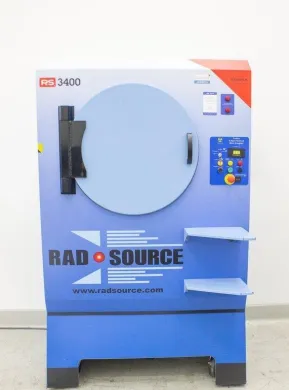
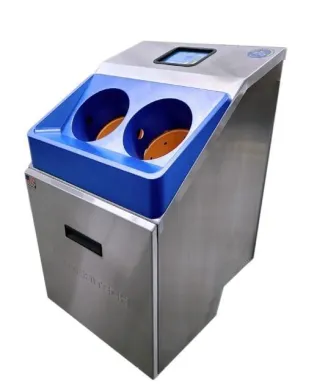
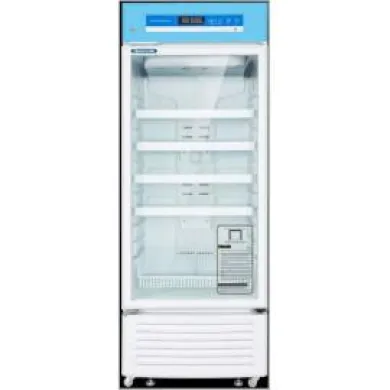
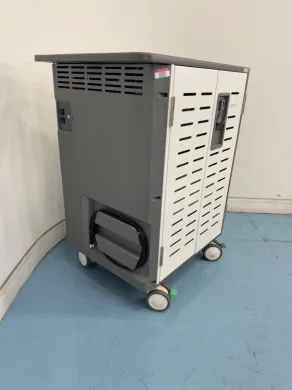
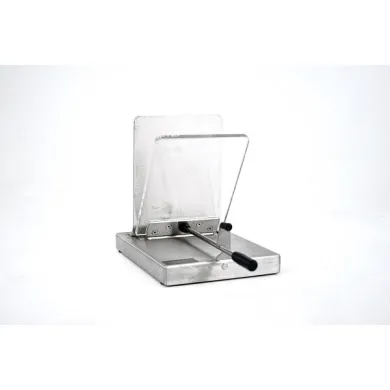


Not the exact instrument you need?
Tell our scientists what you are after. We track it down, including off-market supply.
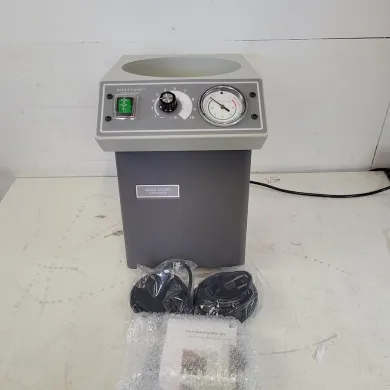
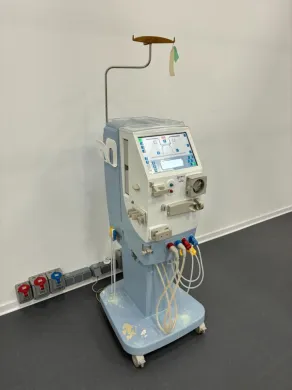
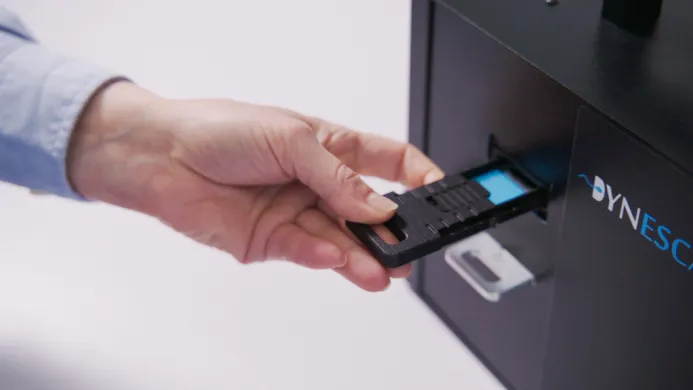
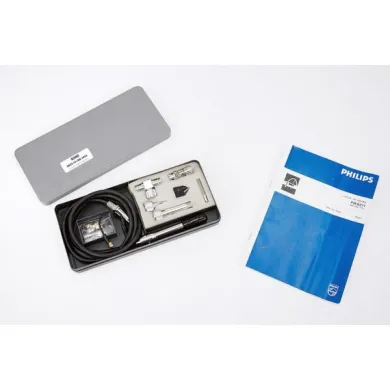
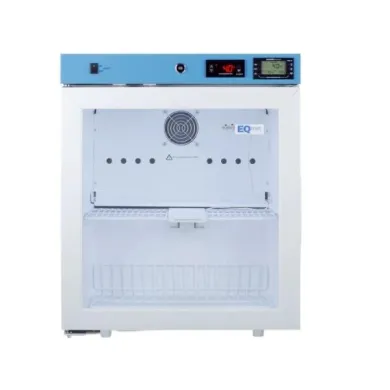
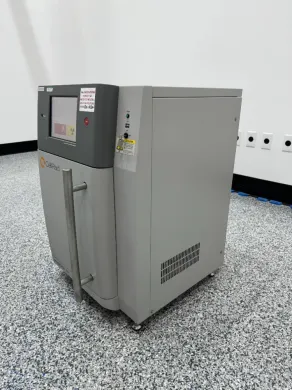
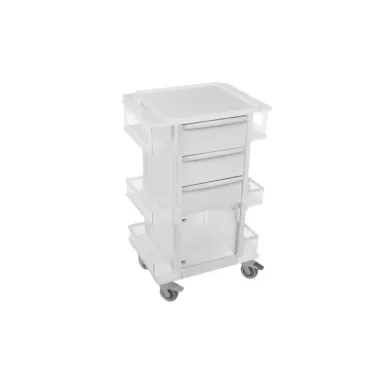
Not the exact instrument you need?
Tell our scientists what you are after. We track it down, including off-market supply.
Showing 1–40 of 550 listings
Show 40 more listingsBuying guide
Because this category gathers unrelated device classes under one roof, the first thing a buyer settles is which clinical function the unit has to perform, since that decides almost everything that follows. A pharmacy refrigerator is judged on temperature stability and alarm logging; a flexible endoscope on channel configuration and optics; a hemodialysis machine on the treatment modalities it supports. There is no single governing specification across the group, so the buyer begins from the intended use and works outward to the datasheet that matches it.
For temperature-controlled storage, the figure that decides the purchase is the specified temperature band and how tightly the unit holds it. A vaccine or pharmacy refrigerator is built to a narrower tolerance than a general laboratory model, and the two are not interchangeable even when their cabinet volumes look alike. Check whether the unit records and alarms on excursions, since that is often a regulatory requirement rather than a convenience. For an endoscope or a dialysis machine, the deciding detail sits in the model's service history rather than its specification sheet.
That is why, on a used unit, verification matters as much as the original spec. With 94 percent of the listings used, most of what is here has already served in a clinical setting, and condition is where the real risk lies. For refrigeration, ask for a recent temperature-uniformity record. For endoscopes, the channels, seals and optical bundle wear with use and are the first things to inspect. For dialysis systems, operating hours and the state of consumable-contact parts carry more weight than age alone. A unit described as functional is not the same as one verified against its original tolerances.
On price, this category spans a very wide field. The cost of a small refrigeration accessory sits near EUR 1, while a complete clinical system approaches EUR 86.089, with an average around EUR 2.343. What fits a given budget therefore depends entirely on which device class you are in, not on the category as a whole. Refurbished and used units listed for sale are more affordable than new, which is why the used share here is so high. The brands that recur across the listings are Accucold, Olympus, Gambro, Terumo, B. Braun Medical Inc. (B.Braun), and their presence is what makes a used purchase workable, since parts and comparable models are easier to find for names that appear more than once.
Types of Medical equipment - other
Which device types appear in this category?
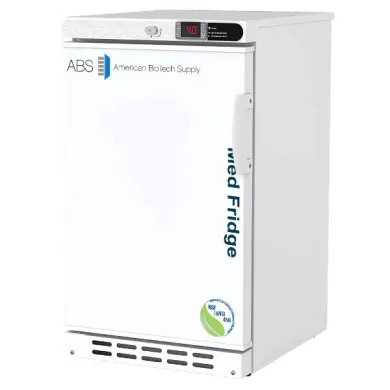
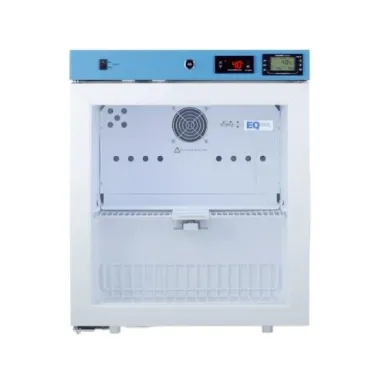
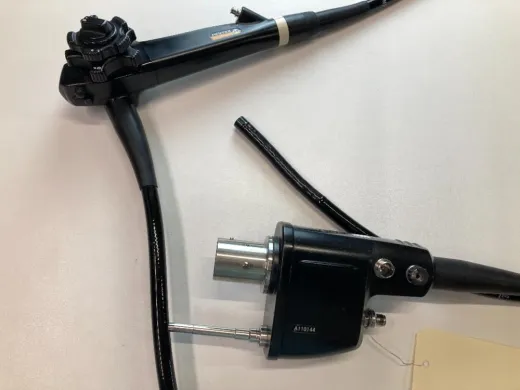
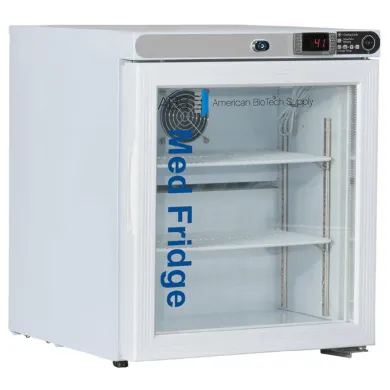
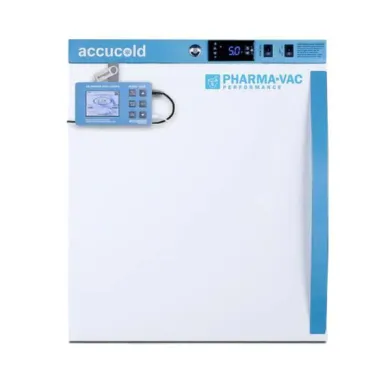
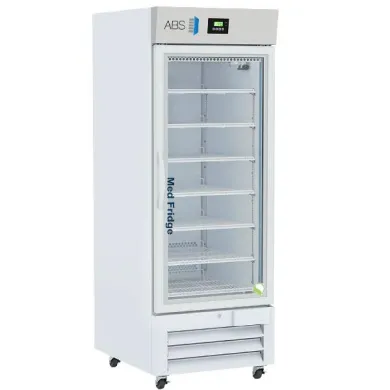
Among the listings that specify a type, the catalogue is led by cold-storage units, imaging instruments and a set of specialised clinical tools. The most common, in order, are laboratory refrigerator, flexible endoscope, sterile tubing welder, hemodialysis machine, pharmacy refrigerator and medical refrigerator. The three refrigeration types differ by the tolerance they hold: a laboratory refrigerator serves general sample and reagent storage, a pharmacy refrigerator is built to the narrower band that regulated drug storage demands, and a medical refrigerator sits between them for clinical consumables. A flexible endoscope is an imaging and intervention instrument used across gastroenterology and endoscopic diagnostics, reached for in molecular diagnostics and biopsy workflows where tissue has to be viewed and sampled in situ. A hemodialysis machine performs renal replacement, filtering blood outside the body, and is bought by dialysis units and nephrology clinics. A sterile tubing welder joins fluid lines without breaking sterility, a sample-handling tool also used in cell culture and bioprocessing where closed-system transfers protect a batch from contamination. These last two carry the clearest life sciences weight: the welder supports aseptic protein purification and cell therapy manufacturing, while endoscopy equipment feeds histology and microbiology sampling.
The brands behind the medical equipment listings
The names that recur across these listings are Accucold, Olympus, Gambro, Terumo, B. Braun Medical Inc. (B.Braun). Their presence matters to a buyer for practical reasons rather than prestige. Accucold anchors the refrigeration end of the category, which is why cold-storage units are so well represented; Olympus is a recurring name in endoscopy; Gambro, Terumo and B. Braun appear across dialysis and fluid-handling. A brand that shows up repeatedly is easier to buy used, because parts are available through Questpair for models that circulate widely, and because a buyer can line up two comparable units and judge them against each other rather than against nothing. For the rarer makes in the long tail, comparison is harder and a buyer leans more heavily on the individual listing.
What a used medical device costs here
The condition mix is heavily weighted toward the second-hand market: 936 of the units are listed as used against 55 new, or 94 percent used. Prices run from EUR 1 to EUR 86.089. That range covers the full distance from a minor refrigeration accessory to a complete hemodialysis system, so the figure means little until paired with a device class. The average listing sits around EUR 2.343. These units come from 19 verified suppliers and distributors across 10 countries, and where a warranty is relevant it is arranged in consultation for the specific listing rather than set across the category.
Frequently asked questions
What is 'Medical equipment - other' on Questpair?
It is a catalogue category for clinical and laboratory devices that fall outside the named medical equipment classes, covering cold storage units, endoscopes, dialysis machines and sterile connection tools. It holds 991 listings from 19 verified suppliers and distributors across 10 countries.
What does this category actually mean in practice?
It groups unrelated device classes under one heading because none of them fits a more specific category, so the shared trait is the clinical or laboratory setting rather than a shared function. A buyer works out which device class applies first, since that decides everything about the specification that follows.
How do the devices in this category work?
Each works differently because the group is not one device type: a laboratory refrigerator holds samples at a set temperature band, a flexible endoscope images and samples tissue in situ, a hemodialysis machine filters blood outside the body, and a sterile tubing welder joins fluid lines without breaking sterility. The working principle depends entirely on which unit you are looking at.
What types of equipment are in this category?
Among listings that specify a type, the common ones are laboratory refrigerator, flexible endoscope, sterile tubing welder, hemodialysis machine, pharmacy refrigerator and medical refrigerator. The three refrigeration types differ by the temperature tolerance they hold, while the welder, endoscope and dialysis machine serve distinct clinical and life sciences functions.
What is this equipment used for?
Uses span general sample and reagent storage, regulated drug storage, clinical consumable storage, endoscopic diagnostics and biopsy, renal replacement therapy, and closed-system fluid transfers in cell culture and bioprocessing. The intended clinical function is the first thing to settle, because it determines which specifications matter.
How do I choose the right unit?
Start from the clinical function the unit has to perform, then work outward to the datasheet that matches it: a pharmacy refrigerator is judged on temperature stability and alarm logging, an endoscope on channel configuration and optics, a dialysis machine on the treatment modalities it supports. There is no single governing specification across the group.
What is the difference between refurbished and used?
A used unit is sold in its existing condition, while a refurbished unit has been reconditioned before resale. For either, ask for verification against the original specification: a recent temperature-uniformity record for refrigeration, channel and optics condition for endoscopes, operating hours and consumable-contact parts for dialysis systems.
How much does this equipment cost?
Prices range from EUR 1 to EUR 86.089, with an average around EUR 2.343. The spread is wide because the category runs from a small refrigeration accessory near EUR 1 to a complete hemodialysis system approaching EUR 86.089, so the figure only means something once paired with a device class.
Which brands appear most in this category?
The recurring names are Accucold, Olympus, Gambro, Terumo and B. Braun. Accucold anchors the refrigeration end, Olympus recurs in endoscopy, and Gambro, Terumo and B. Braun appear across dialysis and fluid-handling.
Can I get a warranty on a refurbished unit?
A warranty is often possible and is arranged in consultation for the specific listing rather than set across the category. Check the individual listing and confirm the terms before purchase.
Are parts available for these devices?
Parts can be sourced via Questpair, and this is easier for models that circulate widely, which is part of why the recurring brands are more workable to buy used. For rarer makes in the long tail, parts and comparable models are harder to line up.
How long does this equipment last?
Lifespan depends on the device class and its service history rather than age alone. For dialysis systems, operating hours and the state of consumable-contact parts carry more weight than age; for endoscopes, the channels, seals and optical bundle wear with use; for refrigeration, holding tolerance over time is what matters.
Should I buy new or refurbished?
Used and refurbished units are listed at lower prices than new, which is why the used share in this category is high at 94 percent. Where you have to weigh the two, check the individual listing for condition and verification, and note that warranty is arranged in consultation for that listing.
Where can I buy this equipment?
It is listed on Questpair from 19 verified suppliers and distributors across 10 countries. The Questpair category page is the catalogue for these devices.
What are the lead time and shipping like?
Lead time and shipping depend on the individual listing, the seller and the country it ships from, since the category spans 19 suppliers across 10 countries. Check the specific listing for its terms.
Does this equipment need calibration or maintenance?
Calibration and maintenance needs vary by device: refrigeration units need temperature verification and excursion alarms, which are often a regulatory requirement, while endoscopes and dialysis machines depend on inspection of wear parts. Questpair does not carry out servicing, so plan maintenance through your own arrangements.
Which types are listed most, and who buys them?
Cold-storage units lead, followed by imaging and specialised clinical tools. Laboratories reach for the general laboratory refrigerator, pharmacies for the narrower-tolerance pharmacy refrigerator, gastroenterology and diagnostics teams for the flexible endoscope, nephrology clinics and dialysis units for the hemodialysis machine, and cell therapy and bioprocessing groups for the sterile tubing welder.
Which brands dominate here and what does that mean for a buyer?
Accucold, Olympus, Gambro, Terumo and B. Braun recur across the listings. A brand that shows up repeatedly is easier to buy used, because parts can be sourced for models that circulate widely and because you can compare two similar units against each other rather than against nothing; for rarer makes you lean more on the individual listing.
What separates the bottom of the price band from the top?
The bottom near EUR 1 is a small refrigeration accessory, while the top approaching EUR 86.089 is a complete clinical system such as a hemodialysis machine. The difference is the device class itself rather than a quality grade within one type, so compare prices only within the same class.