

GC, Gas Chromatography
We personally find you the right used, refurbished and new gc, gas chromatography instruments & equipment from verified suppliers.
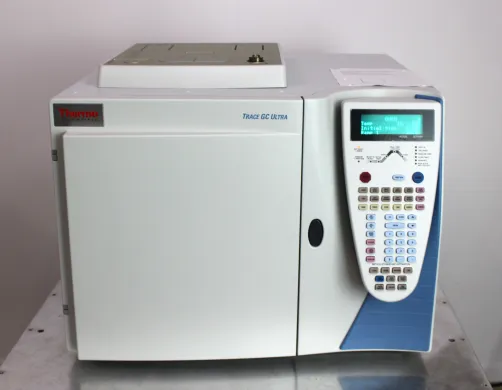
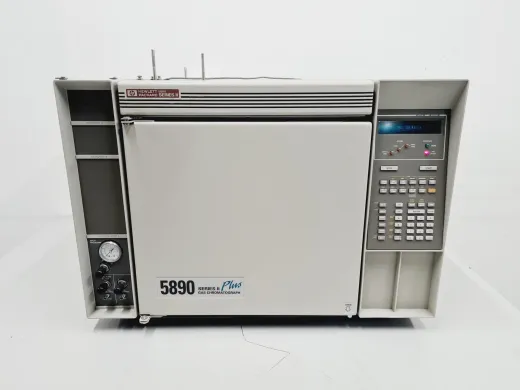
Gas chromatography is an analytical technique that separates volatile and semi-volatile compounds in a sample by moving them through a column in a carrier gas stream, with each compound eluting at a characteristic time. A gas chromatograph is the instrument that performs this separation, pairing an injector and a temperature-controlled column oven with a detector that records what leaves the column. The Questpair catalogue lists 882 gas chromatography listings from 18 verified suppliers and distributors across 12 countries. New, used and refurbished units appear here, and 97 percent of the listings are used. Prices run from EUR 4 to EUR 107.611, so a benchtop laboratory system and a full detector-equipped platform sit in the same catalogue.
Updated:
GC, Gas Chromatography product list
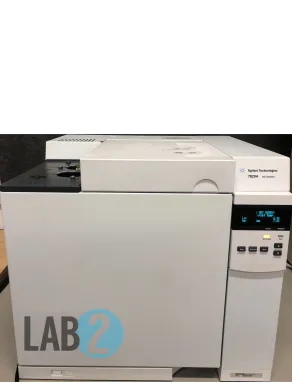


Not the exact instrument you need?
Tell our scientists what you are after. We track it down, including off-market supply.
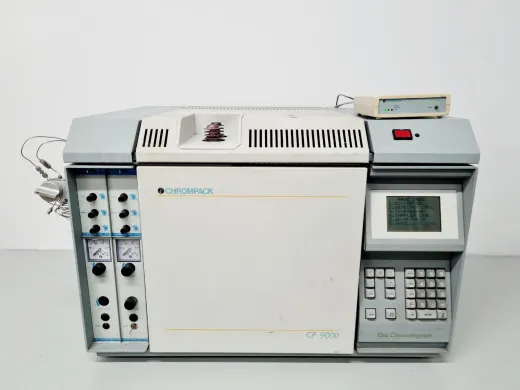
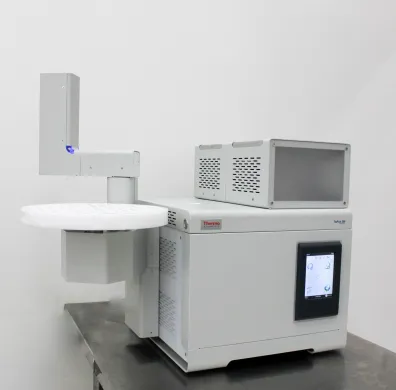
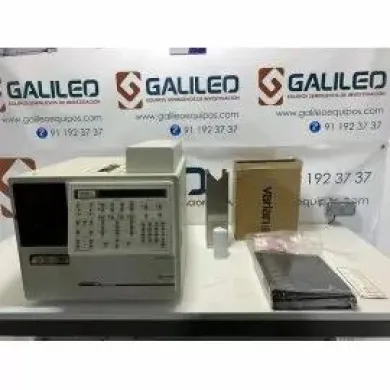
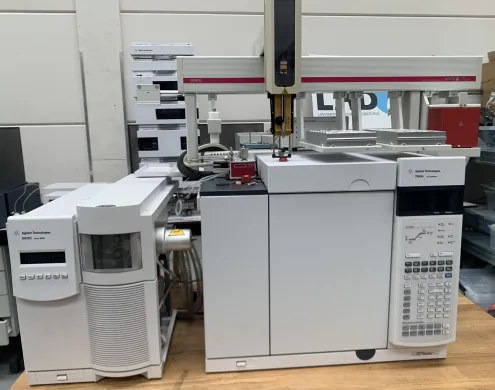
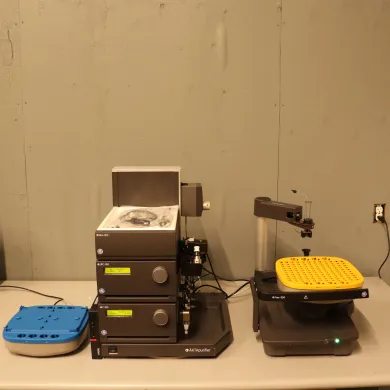
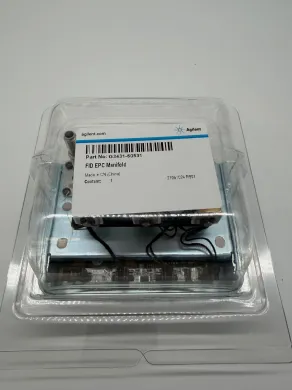
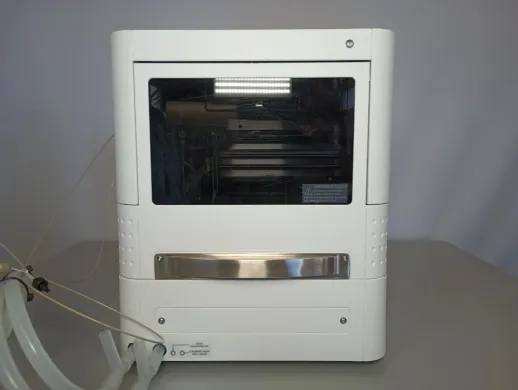
Not the exact instrument you need?
Tell our scientists what you are after. We track it down, including off-market supply.
Showing 1–40 of 607 listings
Show 40 more listingsBuying guide
The detector decides most gas chromatography purchases, because it fixes what the instrument can see. A flame ionisation detector responds to almost any organic compound and suits routine quantification of hydrocarbons, solvents and fatty acid methyl esters. A thermal conductivity detector reads fixed gases and permanent-gas mixtures that an FID misses. A mass spectrometric detector identifies unknowns by their fragmentation pattern rather than retention time alone, which matters when a sample is not fully characterised. Match the detector to the compound class before anything else, because retrofitting one onto an instrument built around another is rarely clean.
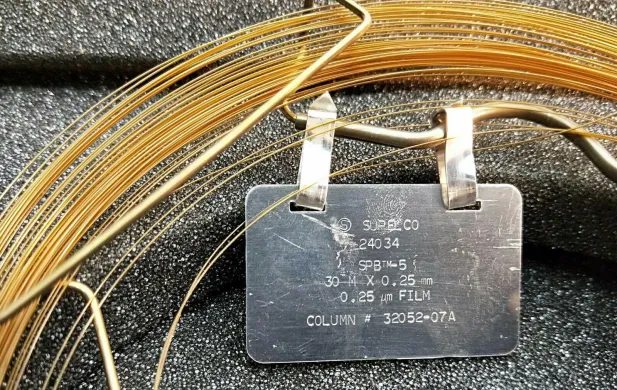
From the detector follows the column and the injector. Capillary columns handle most modern separations, and the stationary phase has to suit the analyte polarity; a split/splitless inlet covers trace and concentrated work, while a purge-and-trap or headspace front end is what volatile organics in water or soil require. A used instrument should be checked here more closely than on its specification sheet. Ask about the hours on the detector, whether the injector liner and septum have been serviced, and whether the column heater holds its setpoint across a full temperature programme. Oven ramp reproducibility is what separates a working chromatograph from one that will drift, and it does not show on a datasheet.
The electronics and software weigh as heavily as the hardware on an older unit. A chromatography data processing system runs the acquisition and the integration, and 96 such listings sit in this catalogue as separate items; confirm that the instrument's control software still installs on a current operating system or that a working data station is included. Carrier gas plumbing, electronic pneumatic control and firmware version all affect whether a given model is practical to run today.
Price spans the full range the catalogue holds, from EUR 4 for parts and accessories to EUR 107.611 for a complete platform, with an average around EUR 7.248. What a unit costs tracks the detector and the degree of automation more than the brand. A buyer working to a fixed budget will find that used and refurbished gas chromatographs are more affordable than new, and the dominant names here, Agilent, Agilent Technologies, Thermo Scientific, Shimadzu, HP, keep parts and comparable models in steady supply. Instruments for sale from established lines are also easier to compare against one another, because their configurations are documented and widely known.
Types of GC, Gas Chromatography
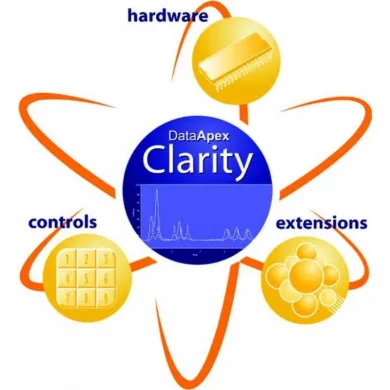
Chromatography data processing systems
A chromatography data processing system is the software and the dedicated workstation that controls a gas chromatograph, acquires the detector signal and turns the raw trace into integrated, reportable results. Among the listings that specify a type on the marketplace, these sit separately from the instruments themselves, and the catalogue carries them as their own class of item. The system is what takes a detector's output and resolves it into peaks, retention times and quantified concentrations against a calibration, so two laboratories running the same hardware can still work very differently depending on the data station behind it. A buyer reaches for one of these to replace an obsolete controller, to add a seat to an existing instrument, or to recover a working data path when an old PC fails. In analytical chemistry and the wider life sciences, chromatography data processing underpins gas chromatography method validation for pharmaceutical quality control, residual solvent analysis and food safety screening, where an auditable integration record is as important as the separation itself. These systems also serve metabolomics and environmental monitoring, fields in which the volume of chromatographic data makes automated processing the only practical route. When evaluating one, check that the software licence transfers, that it drives the detector and injector you actually own, and that it still installs on a supported operating system, since compatibility with older instruments is the common point of failure.
Frequently asked questions
What is a gas chromatograph?
A gas chromatograph is the instrument that separates volatile and semi-volatile compounds in a sample by carrying them through a temperature-controlled column in a stream of carrier gas. Each compound leaves the column at a characteristic time and is recorded by a detector.
What does GC stand for and what does it mean?
GC stands for gas chromatography, an analytical technique that resolves a mixture into its individual components based on how each one moves through a column. The term also refers loosely to the instrument that performs the separation, the gas chromatograph.
How does gas chromatography work?
A sample is injected and vapourised at the inlet, then swept by an inert carrier gas through a coated column held in a programmed oven. Compounds separate according to how strongly they interact with the stationary phase, and a detector at the column exit records each one as it elutes.
What types of GC equipment are listed in this category?
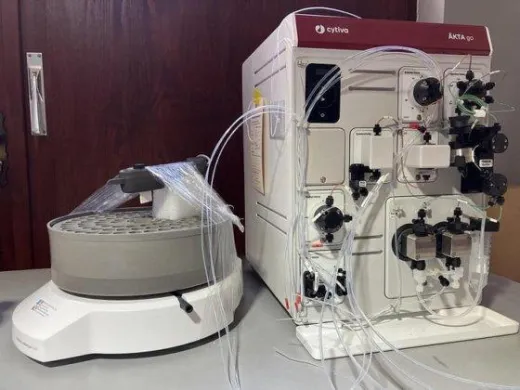
The listings that specify a type cover gas chromatographs, analytical instruments, autosamplers, chromatography systems, fraction collectors and protein purification systems. Chromatography data processing systems, the software and workstation that control an instrument, are carried as their own class of item.
What is gas chromatography used for?
It is used to identify and quantify volatile and semi-volatile compounds in pharmaceutical quality control, residual solvent analysis, food safety screening, environmental monitoring and metabolomics. The detector choice determines which compound classes a given instrument can measure.
How do I choose a gas chromatograph?
Start with the detector, because it fixes what the instrument can see: an FID for organic compounds, a TCD for fixed and permanent gases, a mass spectrometric detector for identifying unknowns. From there match the column stationary phase to your analyte polarity and the injector to your sample type, such as split/splitless, headspace or purge-and-trap.
What is the difference between refurbished and used GC instruments?
A used unit is sold in its existing condition, while a refurbished unit has been checked and reconditioned before resale. On an older gas chromatograph, ask what was done to the detector, injector liner, septum and column heater regardless of which label the listing carries.
How much does a gas chromatograph cost?
Prices in this catalogue range from EUR 4 to EUR 107.611, with an average around EUR 7.248. What a unit costs tracks the detector and the degree of automation more than the brand, so a bare benchtop system and a full detector-equipped platform sit far apart.
Which brands come up most in this category?
The names that recur here are Agilent, Agilent Technologies, Thermo Scientific, Shimadzu and HP. Because their configurations are documented and widely known, instruments from these lines are easier to compare against one another.
Can I get a warranty on a refurbished GC?
A warranty is often possible and is arranged in consultation for the specific listing. Terms are set per unit rather than centrally, so check the listing you are considering.
Are parts available for these instruments?
Parts can be sourced via Questpair. Consumables such as injector liners, septa and columns are routine replacements, and detector or oven components are worth confirming for the specific model before purchase.
How long does a gas chromatograph last?
A well-maintained instrument can run for many years, since the parts that wear most, liners, septa, columns and gas filters, are replaceable. The electronics and control software are often the practical limit, so confirm that firmware and a data station still support current operation.
New versus refurbished: which should I buy?
Used and refurbished gas chromatographs are listed at lower prices than new units. Beyond price, weigh the individual listing on detector hours, injector service history and software compatibility, and note that warranty is arranged in consultation for each unit.
Where can I buy a gas chromatograph?
This category lists 882 gas chromatography listings from 18 verified suppliers and distributors across 12 countries. New, used and refurbished units all appear in the Questpair catalogue.
What are the lead times and shipping like?
Lead time and shipping depend on the individual listing and the supplier's location across the 12 countries represented. For a specific unit, confirm availability and dispatch directly on the listing.
What calibration and maintenance does a GC need?
Routine maintenance covers replacing the injector liner and septum, trimming or changing the column, and servicing carrier gas filters, while calibration runs reference standards to tie peak areas to known concentrations. Oven ramp reproducibility is a good check on condition, since a heater that drifts across a temperature programme signals trouble that a datasheet will not show.
Which GC types are listed most and who reaches for each?
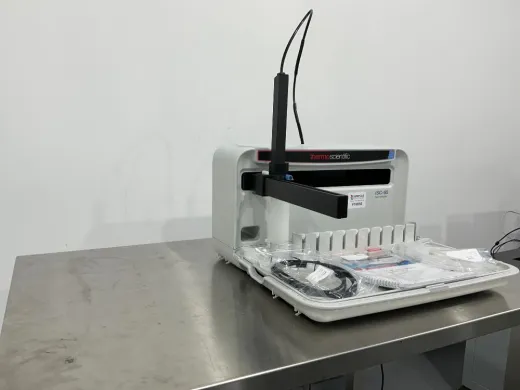
Complete gas chromatographs are the core of the category and serve laboratories running routine separations. Autosamplers add unattended throughput to an existing instrument, while chromatography data processing systems are chosen to replace an obsolete controller, add a seat, or recover a working data path when an old PC fails.
What does it mean for a buyer that a few brands dominate this category?
With Agilent, Agilent Technologies, Thermo Scientific, Shimadzu and HP recurring here, parts and comparable models stay in steady supply and configurations are well documented. That makes cross-comparison and sourcing replacement components more straightforward than with a rare line.
What separates a cheap GC listing from an expensive one here?
At the low end of the range from EUR 4 sit parts, accessories and bare units with a single simple detector. Toward EUR 107.611 are complete platforms with advanced detectors such as mass spectrometry, automated sample introduction and a working data station, which is where most of the cost difference lies.