

Data and software
We personally find you the right used, refurbished and new data and software instruments & equipment from verified suppliers.
Data and software are the digital tools and computing hardware that acquire, process, analyse and store laboratory results, spanning instrument control packages, statistical and visualisation applications, and the diagnostic platforms that generate the data in the first place. The Questpair catalogue holds 591 listings in this category from 21 verified suppliers and distributors across 12 countries. Among those listings, 76 percent are used. Both new and used options appear, with refurbished laboratory items sold alongside them, and prices run from EUR 30 to EUR 301.311. The mix reflects how broad the category is, from a single analysis licence to a complete real-time PCR workstation with its control software.
Updated:
Data and software product list
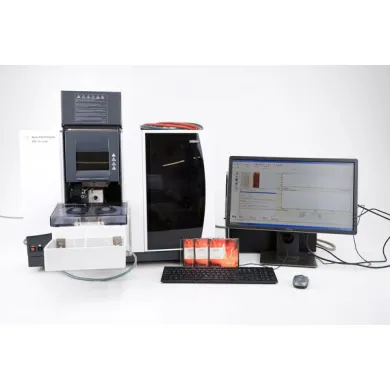
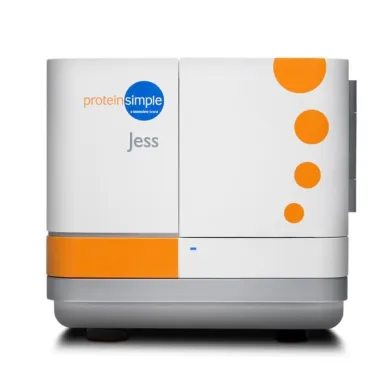
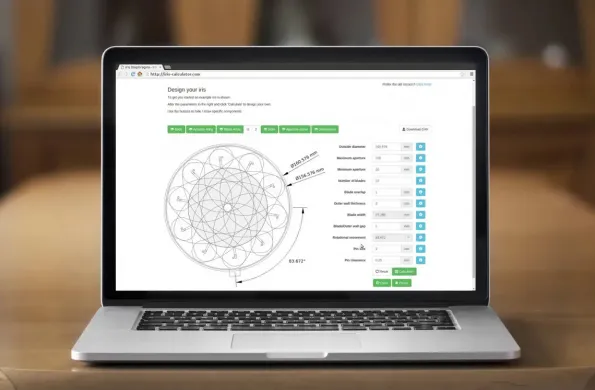
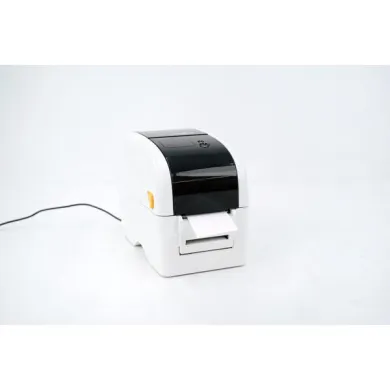


Not the exact instrument you need?
Tell our scientists what you are after. We track it down, including off-market supply.



Not the exact instrument you need?
Tell our scientists what you are after. We track it down, including off-market supply.
Showing 1–40 of 403 listings
Show 40 more listingsBuying guide
The first question in this category is rarely about the software on its own. Most of what sits here is tied to an instrument, a thermal cycler, a real-time PCR system, a molecular diagnostics platform, and the package that drives it is only useful against that hardware. So the decision begins with compatibility: which instrument model the software was written for, which operating system the controlling workstation runs, and whether the version on offer still talks to the detector or block it was paired with. A control application two generations behind the instrument firmware can leave a working machine unusable, and that mismatch is invisible on a specification sheet.
Standalone analysis and simulation packages change the question. Here the deciding factor is the licence model: whether a licence transfers with a resale, how many seats or workstations it covers, and whether the vendor still issues activation for an older release. A used licence that cannot be reactivated is worth nothing, however capable the software. For diagnostics instruments bundled with their software, verify the calibration and service history of the hardware itself, confirm the optical or thermal components behave to specification, and check that any consumable-reading or assay-definition files are included, since a system arriving without them needs rebuilding before first use.
Price in this category spreads further than almost any other, which is why the range alone tells a buyer little. Prices run from EUR 30 to EUR 301.311, and the gap between those two figures is the gap between a single analysis licence and a complete diagnostics workstation. What a package or platform costs therefore depends entirely on which of those two things is listed, so read the individual listing rather than the band. For a buyer working to a budget, the used share matters: 76 percent of the listings are used. Refurbished and used systems listed for sale are more affordable than their new equivalents, which brings instrument-bundled software within reach of a smaller laboratory. The brands that recur, Illumina, Bio-Rad, Agilent, Applied Biosystems, iEi Integration Corp, set the reference points: their platforms are the ones against which a used listing is easiest to compare, because specifications and compatibility details for them are the most widely documented.
Types of Data and software
Which data and software types are listed?
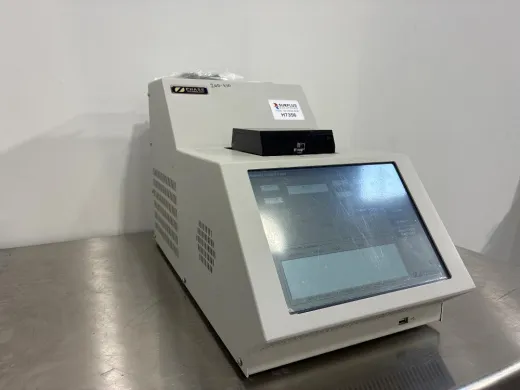
Among the listings that specify a type, the catalogue divides into a few recognisable groups: data analysis software, molecular diagnostics equipment, simulation software, thermal cycler, molecular diagnostics instrument, real-time pcr system. Data analysis software is the broadest, covering statistical, visualisation and instrument-output processing applications used across almost every discipline. Simulation software sits apart from it, modelling a process or a reaction before any bench work begins rather than interpreting results after. The remaining types are hardware with software attached: thermal cyclers, real-time PCR systems and the molecular diagnostics instruments that run defined assays. A real-time PCR system differs from a plain thermal cycler in that it reads fluorescence during each cycle, so it quantifies rather than simply amplifies, and the software is what turns that optical signal into a result.
Much of this category serves biotechnology and life sciences directly. Real-time PCR systems and thermal cyclers do PCR, the amplification step that underpins molecular biology, genomics and molecular diagnostics; a real-time PCR system for gene expression analysis and a thermal cycler for amplicon preparation describe two distinct jobs a buyer searches for by name. Molecular diagnostics instruments run assays in clinical and research microbiology, often as the readout stage of an immunoassay or a nucleic acid test. Data analysis software for genomics and proteomics handles the sequence and spectral output those fields generate, and simulation software is also used for bioprocessing and synthetic biology work, where a pathway or a fermentation is modelled before it is built. Cell culture and protein purification groups rely on the same analysis packages to track their results.
The brands behind the data and software listings
The names that recur most are Illumina, Bio-Rad, Agilent, Applied Biosystems, iEi Integration Corp. For a buyer, a dominant brand means the compatibility and licensing details are easier to establish, because the platform is widely enough used that a given model's software requirements are documented and comparable across listings. Parts and consumable definitions for these systems can be sourced via Questpair, and a model from one of these makers is simpler to price against others of the same family than a one-off package from a maker that appears once. It also means a used instrument is less likely to arrive without reference material for its software.
What a used data and software listing costs here
Of the listings, 76 percent are used. Prices run from EUR 30 to EUR 301.311. That spread covers everything from a single transferable analysis licence to a complete diagnostics platform with its controlling workstation, which is why a figure from one end of the range says nothing about the other. Warranty is often possible and is arranged in consultation for the specific listing, so a buyer weighing a used platform against a new one should read the listing rather than assume terms. Both British and American spellings of the analysis and licence terms appear across the catalogue, reflecting the European and American suppliers behind it.
Frequently asked questions
What is data and software in a laboratory context?
It covers the computational tools that run instruments, process the output those instruments generate, and model experiments before they are run. The category spans analysis packages, instrument control software, simulation environments, and the molecular diagnostics hardware those programs drive.
What does data and software mean when a listing bundles both?
Some listings are pure software, such as an analysis licence, while others are hardware shipped with its own control program. A thermal cycler paired with its acquisition software is sold as one unit because the instrument and the readout cannot function apart in practice.
How does data and software work with lab instruments?
Control software drives the hardware through a run, then data analysis software reads the raw output and converts it into results, for example integrating chromatography peaks or aligning sequencing reads. Simulation software works upstream, modelling a process before any sample is consumed.
What types of data and software are listed here?
Six types recur: data analysis software, molecular diagnostics equipment, simulation software, thermal cyclers, molecular diagnostics instruments, and real-time PCR systems. Two are pure software and four are hardware bound to their own control programs.
What is data and software used for?
Analysis software turns instrument output into actionable results, and simulation software models a run before reagents are spent. The hardware types run polymerase chain reaction, which underpins molecular diagnostics, pathogen detection, genotyping, gene expression analysis and viral load measurement.
How do I choose between a software licence and an instrument with software?
A licence has no mechanical condition, so you are acquiring a program and its compatibility with your existing hardware. An instrument listing carries a physical block, lid and firmware version that a datasheet will not fully describe, so you are weighing the hardware state as well as the software.
What is the difference between refurbished and used in this category?
Used describes a unit sold in its existing state, while refurbished has been reconditioned before listing. For software-linked hardware the distinction matters most on the physical side, since a licence itself does not wear.
How much does data and software cost here?
Prices range from EUR 30 to EUR 301.311, with an average of EUR 11.913. The spread reflects the gap between a standalone analysis licence and a complete diagnostics platform shipped with its control computer.
Which brands are most common in this category?
The recurring names are Illumina, Bio-Rad, Agilent, Applied Biosystems and iEi Integration Corp. The first four are life sciences instrument and platform makers, while iEi Integration Corp reflects the embedded-systems side where the computer and acquisition software ship as one unit.
Can I get a warranty on a refurbished unit?
A warranty is often possible and is arranged in consultation for the individual listing. Questpair does not set warranty terms centrally, so the terms depend on the specific seller and item.
Are parts available if a used platform arrives incomplete?
Parts can be sourced via Questpair. Bio-Rad and Agilent systems in particular have a wide installed base, which keeps consumables and compatible parts in circulation.
How long does this kind of equipment last?
Software licences have no mechanical lifespan and are limited instead by compatibility and support for the version you hold. Hardware such as thermal cyclers and real-time PCR systems depends on the condition of the block, lid and firmware, which a used listing should describe.
Should I buy new or refurbished?
Used and refurbished units are listed at lower prices than new, which is often where a departmental budget finds a second instrument. Compare the condition described in the individual listing and note that warranty is arranged in consultation rather than set as a fixed term.
Where can I buy data and software?
The Questpair catalogue holds 591 listings from 21 verified suppliers and distributors across 12 countries. Listings appear in new, used and refurbished condition.
What is the lead time and shipping on these items?
Lead time and shipping depend on the individual listing and the supplier handling it. A software licence can transfer quickly, while hardware with a control computer carries the logistics of a physical shipment.
Do these instruments need calibration or maintenance?
Real-time PCR systems and thermal cyclers rely on accurate thermal control, so calibration matters for quantitative results. Questpair does not offer servicing, but parts can be sourced via Questpair where a maintenance item is needed.
Which types are listed most and who reaches for which?
Data analysis software is the layer buyers interact with daily, while simulation software suits work where reagents are costly or a run takes days. Real-time PCR systems are the pivot for life sciences work, since quantitative PCR underpins gene expression, viral load measurement and a large share of molecular diagnostics assays.
Which brands dominate this category and what does that mean for a buyer?
Illumina and Applied Biosystems platforms are common enough that a model can be checked against other listings and published specifications, so an unfamiliar unit is rarely a blind purchase. Bio-Rad and Agilent have a wide installed base that keeps parts in circulation, and iEi Integration Corp reflects the hardware side of instrument control.
What separates the bottom of the price band from the top?
The lower end covers a standalone analysis licence or a single piece of software, while the upper end is a complete diagnostics platform with its control computer and acquisition software. The difference is the amount of hardware included, which is why the average of EUR 11.913 sits well below EUR 301.311.