

Software
We personally find you the right used, refurbished and new software instruments & equipment from verified suppliers.
Laboratory software is the class of programs that acquire, process, control and interpret data from analytical and life sciences instruments, running either on a dedicated workstation or embedded in the instrument itself. On Questpair, this category spans 591 listings, because much of it is sold bundled with the hardware it drives rather than as a standalone licence. New, used and refurbished items are listed here, from instrument-control packages to standalone analysis suites. Among the current listings, 76 percent are used. Prices run from EUR 30 to EUR 301.311, a spread that reflects how differently software is priced when it travels with a thermal cycler versus a full sequencing platform.
Updated:
Software product list
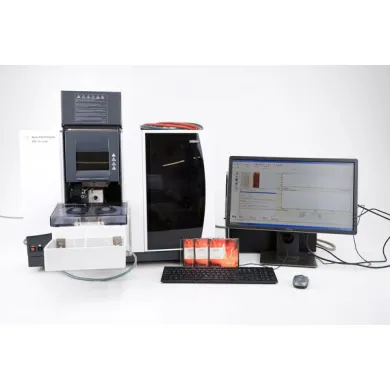
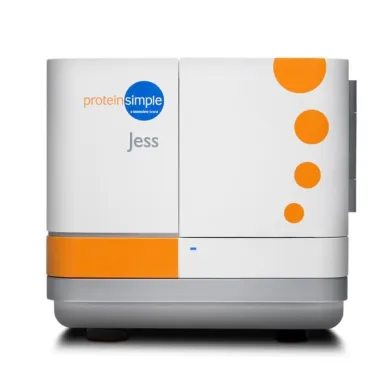
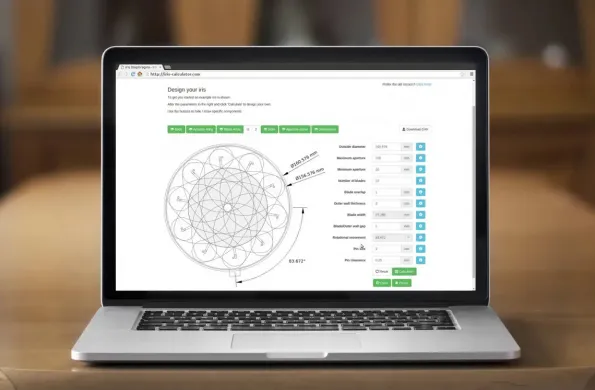


Not the exact instrument you need?
Tell our scientists what you are after. We track it down, including off-market supply.

Not the exact instrument you need?
Tell our scientists what you are after. We track it down, including off-market supply.
Showing 1–40 of 355 listings
Show 40 more listingsBuying guide
The thing that settles a software purchase here is rarely the software in isolation. Most of these listings are tied to an instrument, so the first question is what hardware the licence is bound to and whether that binding transfers. A control package for a real-time PCR system or a sequencer is keyed to a specific instrument model, sometimes to a specific serial number, and sometimes to a dongle or a node-locked licence file. A buyer who acquires a used instrument expecting the analysis suite to come with it can find the licence non-transferable, or valid only until the next version gate. Establish the licensing model before the specification matters, because it decides whether the purchase is usable at all.
Once the licence question is answered, compatibility is the next verification. Instrument-control software talks to a defined set of operating systems and hardware revisions, and the laboratory computing world moves slowly for exactly this reason: a validated sequencing workflow may still require a particular Windows build because revalidating it is expensive. On a used listing, verify the version offered, the operating system it supports, and whether the vendor can supply the installation media and activation. Simulation and data analysis packages are more portable, but even there a file format or a plugin can be locked to a release. Ask what is included, media, licence, documentation, and confirm it before the unit ships.
Price in this category behaves oddly, which a buyer should read correctly rather than against a single benchmark. What a standalone analysis licence costs bears no relation to what a sequencing platform with its full software stack costs, and the average of EUR 11.913 sits between those extremes without describing either. Fix a realistic budget against the specific workflow, not against the category range from EUR 30 to EUR 301.311. The brands occupying the upper band, Illumina, Bio-Rad, Agilent, Applied Biosystems, iEi Integration Corp, tend to be the instrument makers whose software ships with high-value genomics and diagnostics hardware; the lower band holds standalone data and simulation tools sold on their own. Used and refurbished software packages are listed below new pricing, and are more affordable than buying the current licence new, but affordability here is only meaningful once the licence transfers and the version runs on hardware you actually have. Parts and media can be sourced via Questpair where a listing is missing them.
Types of Software
Which software types appear in the listings?
Among the listings that specify a type, the most common are data analysis software and simulation software, followed by packages tied to molecular diagnostics equipment and to thermal cyclers and real-time PCR systems. Data analysis software is the general-purpose layer: it takes raw instrument output and turns it into results a researcher can interpret, and it reaches across molecular biology, genomics and proteomics because almost every instrument downstream of a measurement produces data someone has to process. Real-time PCR software is a narrower case, bound to the thermal cycler it runs, and it does quantitative PCR for molecular diagnostics and gene expression work. Simulation software sits apart from the instrument-bound packages: it models a process rather than reading one, and is also used for method development and for teaching before a run touches real sample. The packages linked to molecular diagnostics instruments carry assay interpretation for clinical and research diagnostics, where the software decides a call from a signal.
The brands behind the software listings
The makers most present in this category are Illumina, Bio-Rad, Agilent, Applied Biosystems, iEi Integration Corp. For a buyer this matters more than it would for a piece of hardware, because software is where the maker lock is tightest. Illumina, Bio-Rad, Agilent and Applied Biosystems each ship control and analysis software bound to their own sequencing, PCR and chromatography platforms, so the brand on the listing tells you which instrument the licence will actually drive and where compatible media and versions can be sourced. iEi Integration Corp sits in a different place, supplying the embedded and industrial computing hardware that software like this runs on. The practical consequence is that comparing two listings means comparing the instrument ecosystems behind them, not the software line by line: a package is only as useful as the hardware it is keyed to.
What a used software package costs here
Across this category 76 percent of the listings are used. The condition split covers a wide gap, because a used standalone analysis licence and a refurbished sequencing platform with its full software stack are both counted here and priced nothing alike. Prices run from EUR 30 to EUR 301.311. Used and refurbished packages are listed below the price of the equivalent new licence, which is the one firm thing the data supports about the comparison. Where a listing is missing its installation media, documentation or a parts component, those can be sourced via Questpair, with specialists responding within the hour.
Frequently asked questions
What is laboratory software?
It is the class of programs that acquire, process, control and interpret data from analytical and life sciences instruments. It runs either on a dedicated workstation or embedded inside the instrument itself.
What does instrument-control software actually mean?
Instrument-control software is the layer that operates the hardware directly, setting run parameters and reading signal back from the device. It is distinct from analysis software, which takes the output of a run and turns it into interpretable results.
How does laboratory software work?
Control packages communicate with an instrument over a defined interface, drive the run and capture the raw output; analysis packages then process that output into results. A single platform often bundles both so one workstation runs the instrument and interprets the data it produces.
What types of software are listed in this category?
The most common types are data analysis software and simulation software, followed by packages tied to molecular diagnostics equipment, thermal cyclers and real-time PCR systems. Data analysis is the general-purpose layer, real-time PCR software is bound to its thermal cycler, and simulation software models a process rather than reading one.
What is laboratory software used for?
It controls instruments during a run, converts raw measurements into interpretable results, and in diagnostic packages makes an assay call from a signal. Simulation tools are used for method development and teaching before a run touches real sample.
How do I choose the right software package here?
Start with the hardware the licence is bound to and whether that binding transfers, because most of these listings are tied to a specific instrument. Then verify the version, the operating system it supports, and whether installation media and activation are included.
What is the difference between refurbished and used software?
Both are listed below new pricing, and the condition split in this category covers everything from a standalone analysis licence to a refurbished sequencing platform carrying its full software stack. For software the condition label matters less than whether the licence transfers and the version runs on the hardware you have.
How much does laboratory software cost?
Listings range from EUR 30 to EUR 301.311, with an average of EUR 11.913. That spread reflects two very different things being priced together: a standalone analysis licence and a full sequencing platform with its software stack, so judge cost against your specific workflow rather than the range.
Which brands make the software listed here?
The makers most present are Illumina, Bio-Rad, Agilent, Applied Biosystems and iEi Integration Corp. The first four ship control and analysis software bound to their own sequencing, PCR and chromatography platforms; iEi Integration Corp supplies the embedded and industrial computing hardware that such software runs on.
Is a warranty available on refurbished software?
A warranty is often possible and is arranged in consultation for the specific listing. For software the more decisive question is usually whether the licence is transferable, so confirm that alongside any warranty terms.
Can I get installation media and parts if a listing is missing them?
Where a listing lacks its installation media, documentation or a parts component, those can be sourced via Questpair. Specialists respond within the hour.
How long does laboratory software stay usable?
Usable life is governed less by wear than by version gates and the hardware a licence is keyed to. A validated workflow can stay in service for years precisely because revalidating it is expensive, but a licence can also become non-transferable or valid only until the next version.
Should I buy new or used software?
Used and refurbished packages are listed at lower prices than new, and that price difference is the firm point of comparison. Affordability only matters once you confirm the licence transfers and the version runs on hardware you actually have, so weigh the individual listing and arrange warranty in consultation.
Where can I buy laboratory software?
It is listed on Questpair from verified suppliers and distributors, spanning new, used and refurbished items across 21 suppliers in 12 countries. Much of it is sold bundled with the hardware it drives rather than as a standalone licence.
What are lead time and shipping like?
Timing depends on the individual listing and the supplier offering it. For questions about a specific package, including what is included before it ships, you can contact Questpair and specialists respond within the hour.
Does software need calibration or maintenance?
Software itself is not calibrated, but the instrument it controls may require calibration that the software records and applies. Questpair does not offer repair or servicing, so arrange any instrument maintenance separately from the software purchase.
Which software types are listed most, and who reaches for each?
Data analysis software is the broadest and reaches across molecular biology, genomics and proteomics because almost every instrument produces data someone must process. Real-time PCR software serves quantitative PCR for molecular diagnostics and gene expression, simulation software suits method development and teaching, and molecular diagnostics packages carry assay interpretation for clinical and research diagnostics.
What does it mean for a buyer that a few brands dominate this category?
Software is where maker lock is tightest, so the brand on a listing tells you which instrument the licence will drive and where compatible versions can be sourced. Comparing two listings means comparing the instrument ecosystems behind them, not the software line by line, because a package is only as useful as the hardware it is keyed to.
What separates the cheapest listings from the most expensive?
The lower band holds standalone data and simulation tools sold on their own, while the upper band is occupied by instrument makers whose software ships with high-value genomics and diagnostics hardware. The gap reflects whether a licence travels alone or with a full platform, not a difference in software quality line by line.