

Thermostats
We personally find you the right used, refurbished and new thermostats instruments & equipment from verified suppliers.
A thermostat is a device that holds a defined temperature in a bath, block, or circulating loop, so that samples, reactions, or connected instruments stay at a set point regardless of ambient conditions. In a laboratory it covers circulating baths, dry block heaters, water baths, and standalone temperature controllers that drive an external load. The Questpair catalogue lists 631 thermostats from 20 verified suppliers and distributors across 8 countries, in new, used, and refurbished condition. Of those listings, 82 percent are used. Prices span a wide range, from benchtop controllers to high-capacity circulators, so the term covers equipment built for very different thermal loads and accuracies.
Updated:
Thermostats product list
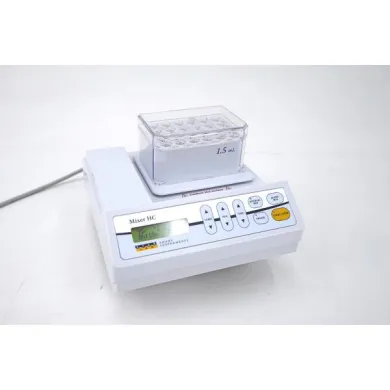
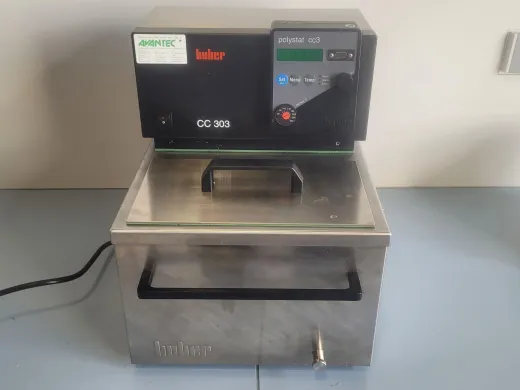
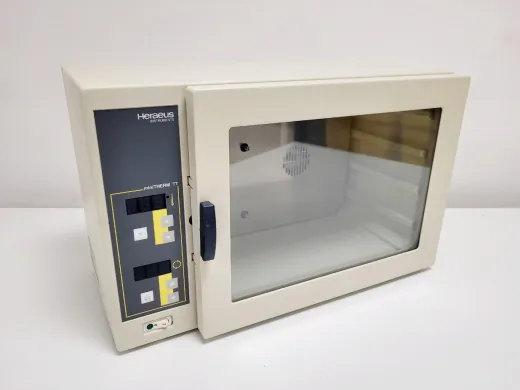
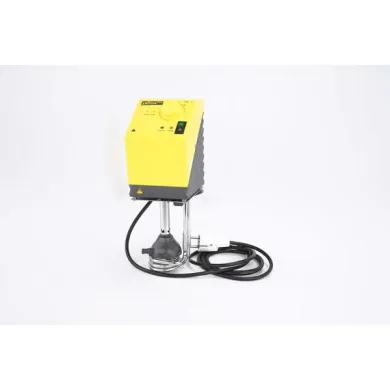
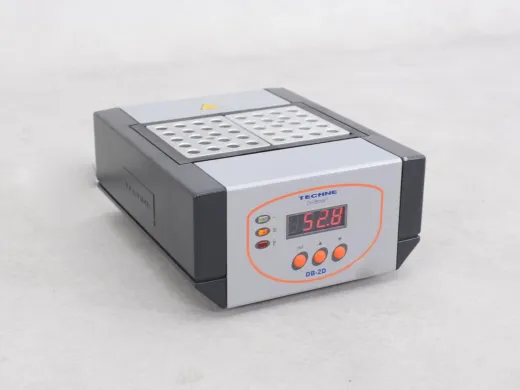
Techne Dri-Block DB-2D Block Thermostat
- Category
- Heating and cooling
- Brand
- Techne
- Suppliers
- 1 verified


Not the exact instrument you need?
Tell our scientists what you are after. We track it down, including off-market supply.
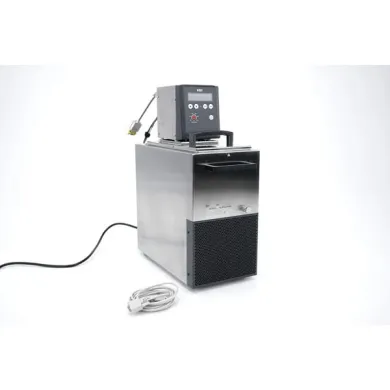
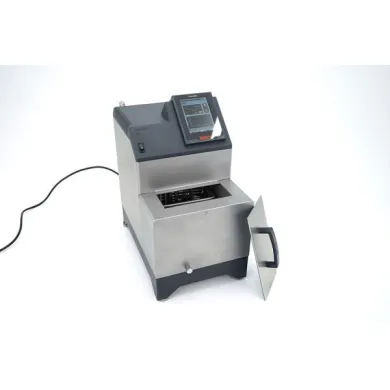
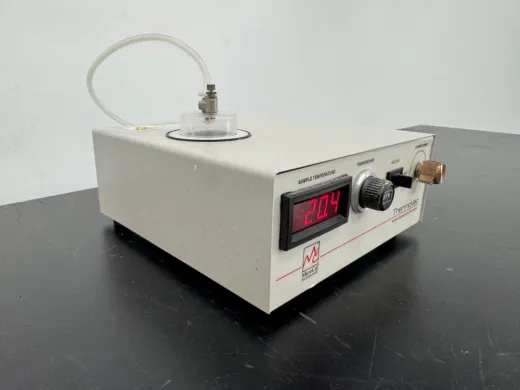
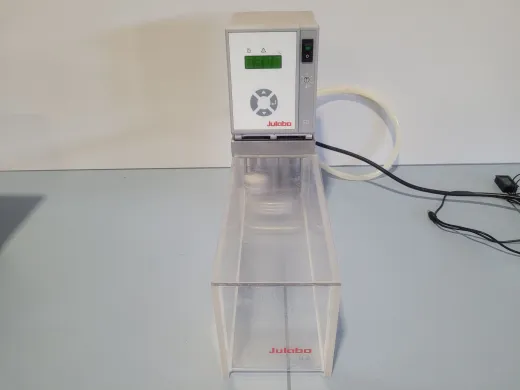
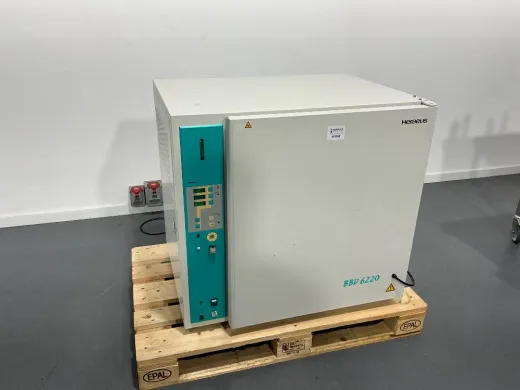
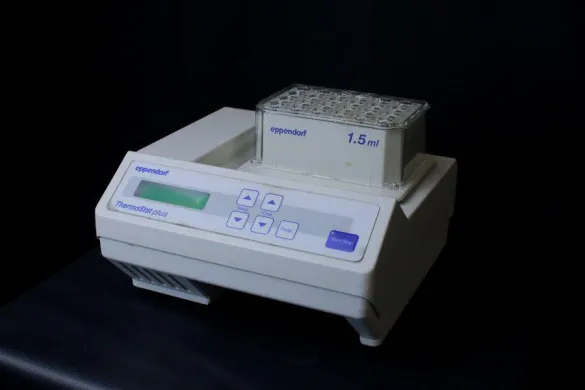
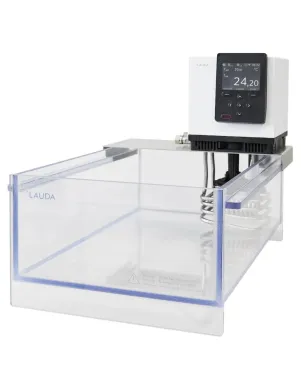
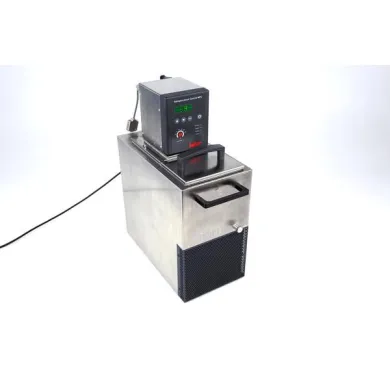
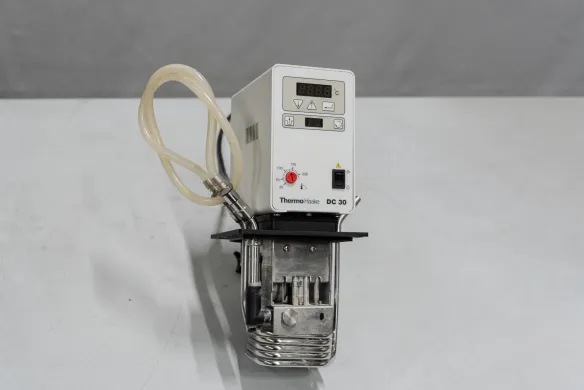
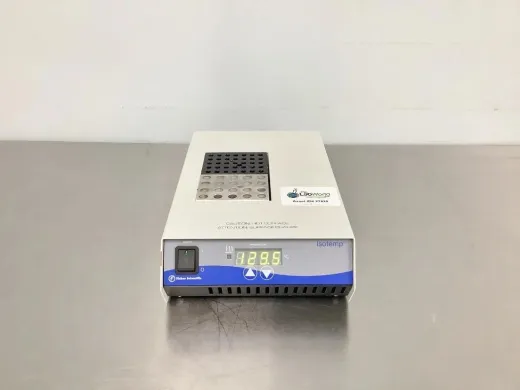
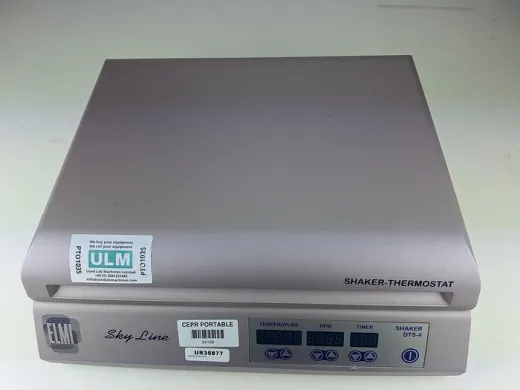
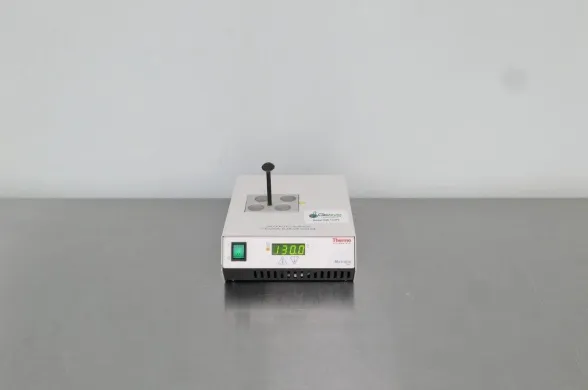
Not the exact instrument you need?
Tell our scientists what you are after. We track it down, including off-market supply.
Showing 1–40 of 319 listings
Show 40 more listingsBuying guide
The specification that settles a thermostat purchase is the temperature range paired with the stability a buyer actually needs, because those two numbers decide whether a unit fits the work at all. A dry block that holds incubation temperatures to within half a degree is a different machine from a circulator that has to deliver glycol to a reactor jacket at minus thirty, and neither substitutes for the other. Read the stability figure rather than the range alone: a bath that spans a hundred degrees but drifts by a full degree is useless for enzyme kinetics, while a tightly regulated unit over a narrow window suits it exactly. Where the thermostat drives an external load, the pump capacity and the hose pressure matter as much as the setpoint, since a circulator that cannot move enough fluid will never reach temperature at the vessel.
From there the heated or cooled volume follows. Match the bath size to the largest run, not the average one, and for a circulating unit confirm the reservoir and the fittings suit the connected instrument. Open baths lose heat and evaporate; sealed circulators hold their fluid but limit access.
On a used unit, the pump and the seals are where age shows first. Ask whether the heater and the temperature sensor have been verified against a reference, because a drifting sensor reads a correct number at the wrong temperature and no outward inspection reveals it. Check the bath or block for scale and corrosion, confirm any circulating fittings are present and sound, and establish that the controller still reaches and holds its rated range. A warranty on a used thermostat is often possible and is arranged in consultation for the individual listing, so where calibration state matters, raise it against the specific unit.
Price here is wide. What a thermostat costs runs from EUR 38 for a basic controller or small bath to EUR 30.131 for a high-capacity circulator, with a catalogue average near EUR 1.759. The low end fits a tight budget and suits routine incubation or warming; the upper band belongs to precision circulators and larger process units from makers such as LAUDA, VWR, Eppendorf, Lauda, Thermo Fisher Scientific. Because used and refurbished units are listed below new prices, a refurbished circulator for sale often brings a specification that a new budget would not reach, which is where the condition split does real work for a buyer weighing accuracy against outlay.
Types of Thermostats
Which thermostat types are listed here?
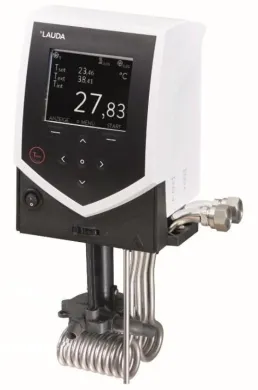
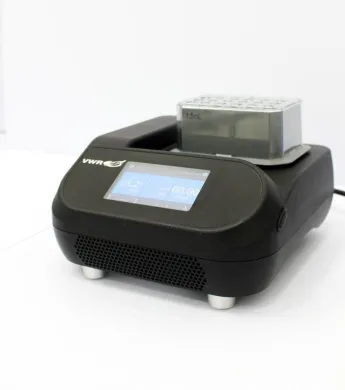
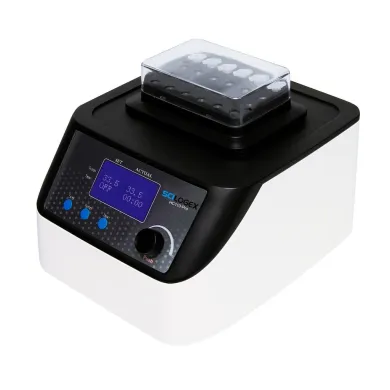
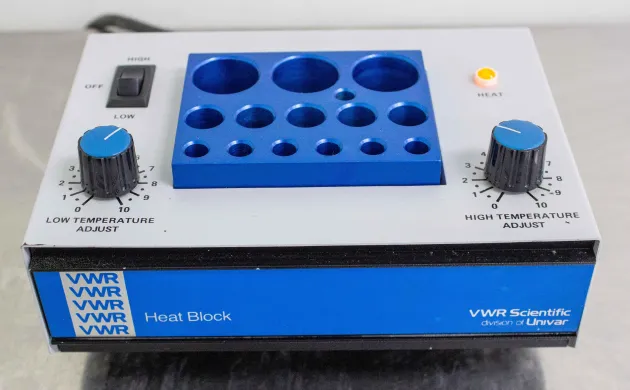
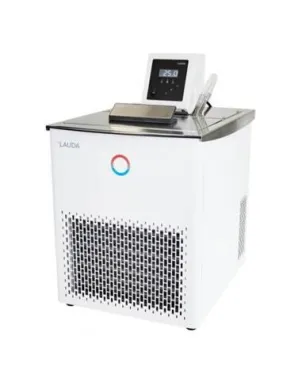
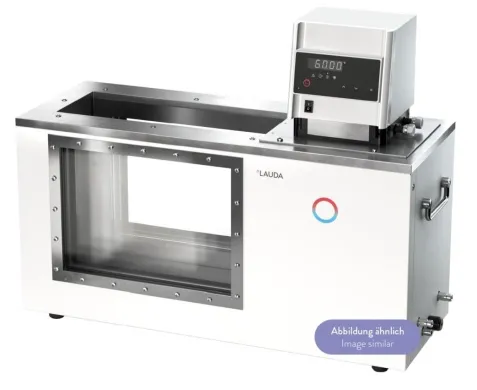
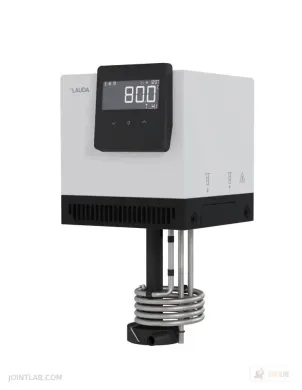
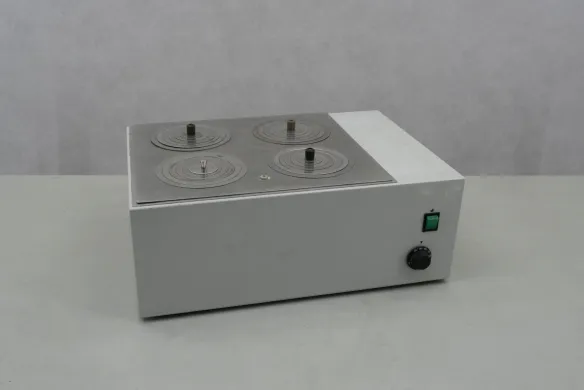
Among the listings that specify a type, the catalogue sorts into temperature control unit, laboratory thermostat, heating thermostat, dry bath incubator, laboratory water bath, temperature controller. A temperature control unit and a laboratory thermostat are the general-purpose circulators, holding a bath at a setpoint and, in the circulating versions, pumping fluid to an external load. A heating thermostat covers the warm-only units, simpler and cheaper where no cooling is needed. A dry bath incubator swaps the liquid for a metal block drilled for tubes, which suits molecular biology and cell culture work where sample preparation, enzyme digests, and incubation steps run at a fixed temperature without the evaporation and contamination risk of an open bath. A laboratory water bath is the open-liquid form, used for thawing, warming reagents, and gentle incubation across microbiology and general bench work. A temperature controller is the standalone regulator that drives a separate heater or cooler rather than carrying its own bath. Dry baths and water baths in particular turn up throughout genomics and proteomics protocols, where thermal steps are routine, so the long-tail that matters to a buyer in those fields is the block or bath specified by the temperature it must hold.
The brands behind the thermostat listings
The names that recur are LAUDA, VWR, Eppendorf, Lauda, Thermo Fisher Scientific. Their presence shapes what a buyer can expect in practical terms. LAUDA and the Lauda listings are circulator and bath specialists, so parts and service documentation for those units are well established and a given model is easy to compare across sellers. Eppendorf and Thermo Fisher Scientific bring the dry block and incubation side, where consumable racks and inserts are widely held. VWR covers a broad general range. Where several listings share a maker and a series, specification sheets line up and a buyer can weigh two units on the same terms rather than guessing. The individual brand pages carry the detail on each maker.
What a used thermostat costs here
The condition mix runs heavily to used: 82 percent of the listings are used. Prices range from EUR 38 to EUR 30.131. That spread covers the distance between a small benchtop controller and a high-capacity precision circulator, so the figure reflects capability rather than any single going rate. Used and refurbished units are listed below new prices, which is where most of the catalogue sits.
Frequently asked questions
What is a thermostat?
A thermostat is a device that holds a defined temperature in a bath, block, or circulating loop so samples, reactions, or connected instruments stay at a set point. In the lab it covers circulating baths, dry block heaters, water baths, and standalone temperature controllers.
What does thermostat mean in a laboratory context?
It means any unit built to maintain a set temperature regardless of ambient conditions, not the household wall device that switches a furnace. The term spans everything from a benchtop block to a high-capacity precision circulator.
How do thermostats work?
A sensor reads the temperature of the bath, block, or fluid, and a controller drives a heater and sometimes a cooler to hold the reading at the setpoint. Circulating versions add a pump that moves fluid to an external load so the connected instrument reaches the same temperature.
What types of thermostats are listed here?
The catalogue sorts into temperature control unit, laboratory thermostat, heating thermostat, dry bath incubator, laboratory water bath, and temperature controller. Circulators and general thermostats hold a bath; dry baths use a drilled metal block; water baths use open liquid; and a controller drives a separate heater or cooler.
What are thermostats used for?
They keep reactions, incubations, and connected instruments at a fixed temperature for work like enzyme digests, reagent warming, sample thawing, and driving glycol to a reactor jacket. Dry baths and water baths turn up throughout genomics and proteomics protocols where thermal steps are routine.
How do I choose the right thermostat?
Start with the temperature range paired with the stability you actually need, because a half-degree incubation block is a different machine from a circulator delivering coolant at minus thirty. If the unit drives an external load, confirm the pump capacity and hose pressure, then match the bath or block volume to the largest run.
What is the difference between refurbished and used?
A used thermostat is sold in its existing condition, while a refurbished unit has been checked and brought back toward working order before listing. For either, confirm whether the heater and temperature sensor were verified against a reference, since a drifting sensor reads a correct number at the wrong temperature.
How much does a thermostat cost?
Prices range from EUR 38 to EUR 30.131, with a catalogue average near EUR 1.759. The low end covers basic controllers and small baths; the upper band belongs to precision circulators and larger process units.
Which brands make thermostats here?
The names that recur are LAUDA, VWR, Eppendorf, Lauda, and Thermo Fisher Scientific. LAUDA and Lauda are circulator and bath specialists, Eppendorf and Thermo Fisher Scientific cover dry blocks and incubation, and VWR spans a broad general range.
Can I get a warranty on a refurbished thermostat?
A warranty is often possible and arranged in consultation for the specific listing. Where calibration state matters to you, raise it against the individual unit before purchase.
Are parts available for these thermostats?
Parts can be sourced via Questpair. Pump seals and heaters are the components that age first on a used unit, so factor those into any listing you are weighing.
How long does a thermostat last?
Lifespan depends on use, fluid chemistry, and maintenance rather than a fixed number of years. On older units the pump and the seals show age first, and scale or corrosion in the bath or block affects heat transfer, so these are the points to inspect.
Should I buy new or refurbished?
Used and refurbished units are listed at lower prices than new, which often puts a specification within reach that a new budget would not cover. Warranty is arranged in consultation for the specific listing, so weigh the individual unit rather than the condition label alone.
Where can I buy a thermostat?
The Questpair catalogue lists 631 thermostats from 20 verified suppliers and distributors across 8 countries, in new, used, and refurbished condition. Each listing carries the detail on that specific unit.
What are the lead time and shipping like?
Lead time and shipping depend on the individual supplier and the unit's location, which spans 8 countries. Check the specific listing, and Questpair specialists respond within an hour if you need to confirm details.
How do I calibrate and maintain a thermostat?
Verify the temperature sensor against a reference so the displayed setpoint matches the actual bath temperature, and check the heater reaches and holds its rated range. Keep the bath or block clear of scale and corrosion, and on circulating units confirm the fittings and seals are sound and the fluid is correct for the range.
Which thermostat types are listed most, and who reaches for each?
Temperature control units and laboratory thermostats are the general-purpose circulators for holding a bath and pumping fluid to a load. Dry bath incubators suit molecular biology and cell culture where tubes sit in a drilled block, water baths suit microbiology thawing and warming, and standalone temperature controllers suit anyone driving a separate heater or cooler.
Which brands dominate this category, and what does that mean for a buyer?
LAUDA and Lauda listings cluster in circulators and baths, while Eppendorf and Thermo Fisher Scientific carry the dry block and incubation side, and VWR spans general equipment. Where several listings share a maker and series, specification sheets line up so you can compare two units on the same terms rather than guessing.
What separates the cheapest thermostats here from the most expensive?
The low end covers basic controllers and small baths suited to routine incubation or warming, priced from EUR 38. The upper band, reaching EUR 30.131, holds precision circulators and larger process units where stability over a defined window and pump capacity for an external load are the deciding specifications.