
Parker Balston equipment
We personally find you the right new, used & refurbished Parker Balston instruments & equipment from verified suppliers
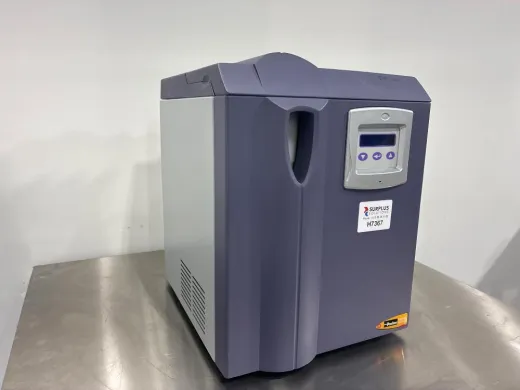
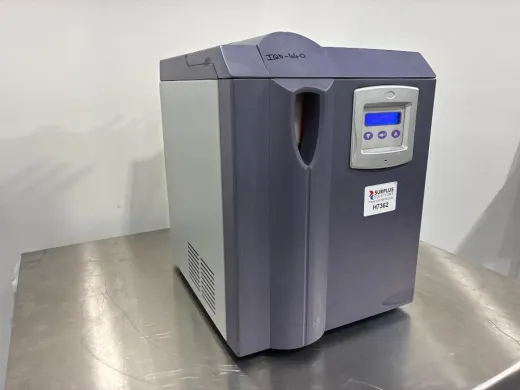
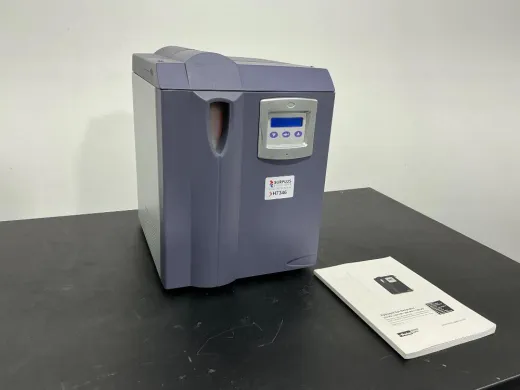
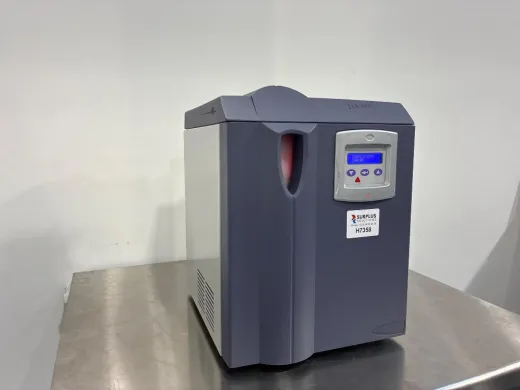
Parker Balston is an American manufacturer of laboratory gas generators, compressed air filters, and gas purification equipment, based in Haverhill, United States. The business began as Balston Inc. in 1970, commercialized its first laboratory gas generator in 1979, and was acquired by Parker Hannifin Corporation in 2000. Its product range covers nitrogen generators, hydrogen generators, gas purifiers, air dryers, and filtration systems built to supply clean gas to analytical instruments. On Questpair, 80 Parker Balston items are listed by 9 verified suppliers and distributors across 5 countries.
Updated:
Parker Balston product list


Not the exact instrument you need?
Tell our scientists what you are after. We track it down, including off-market supply.
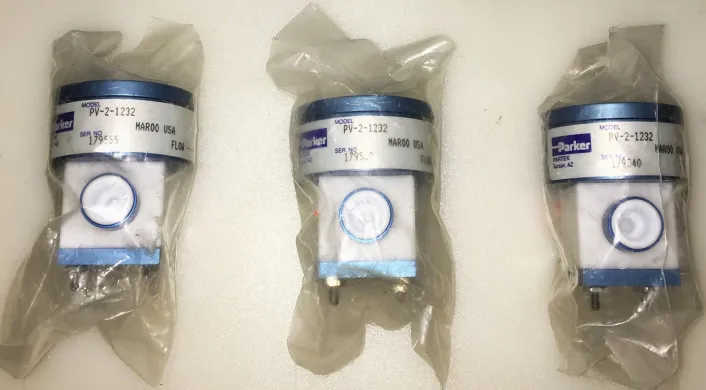

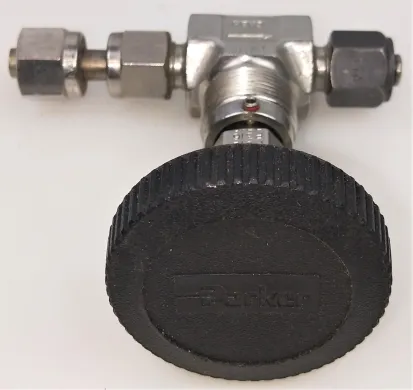
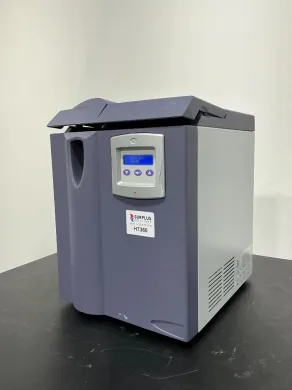
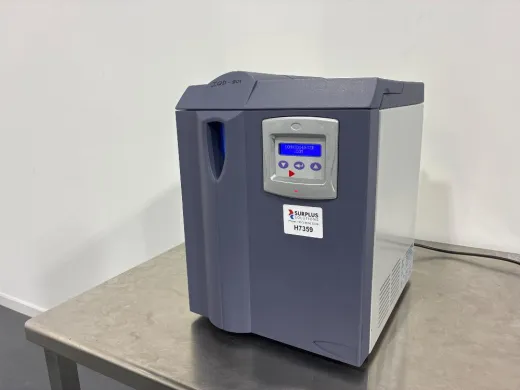
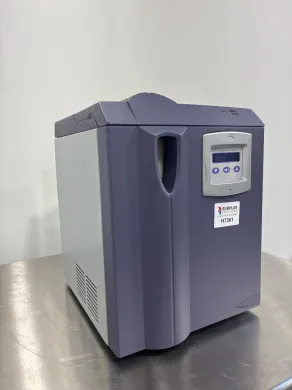
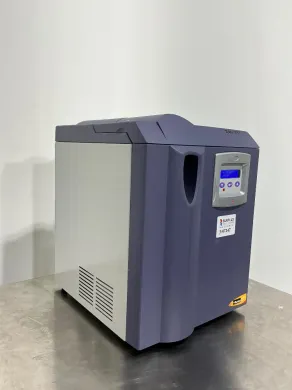
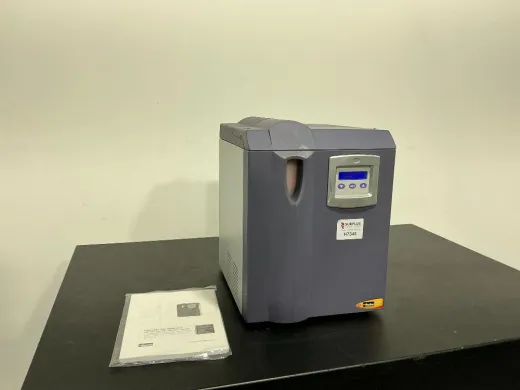
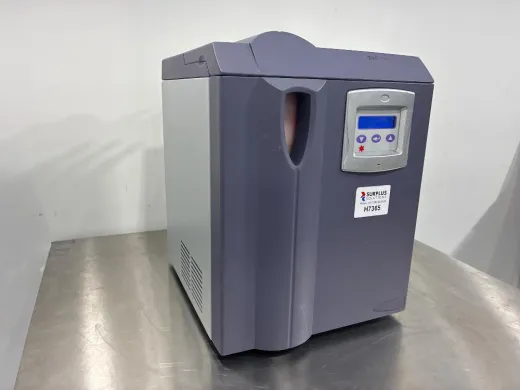
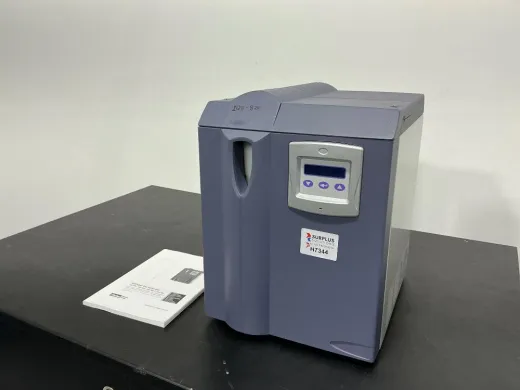
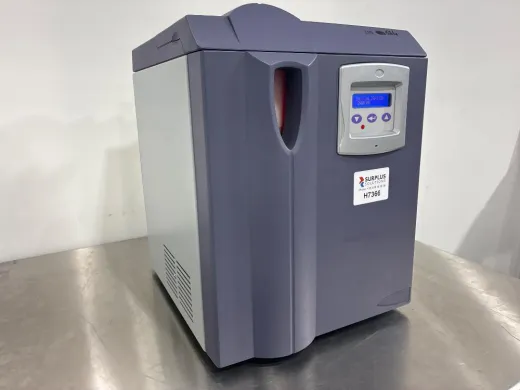
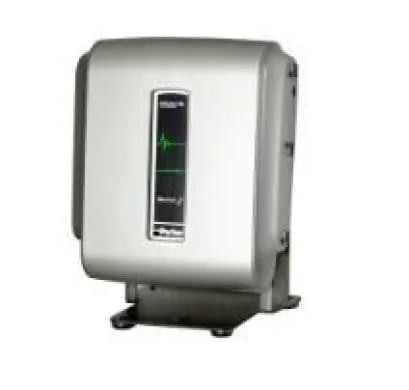
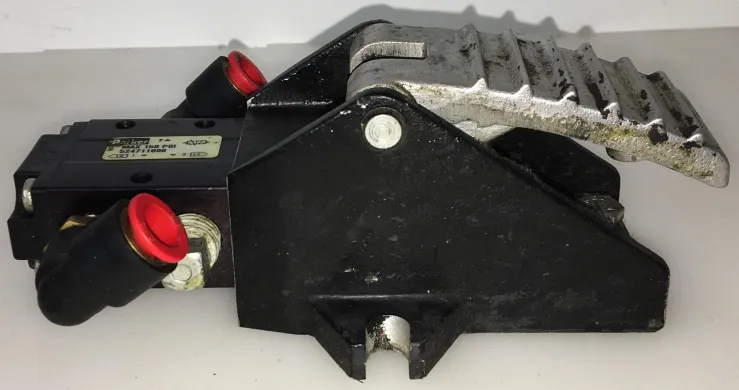
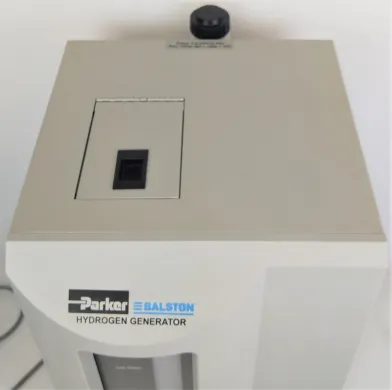
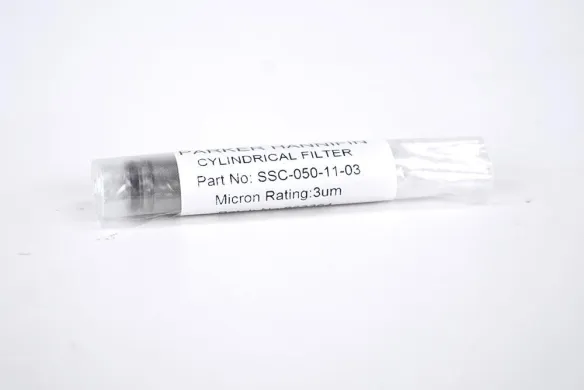
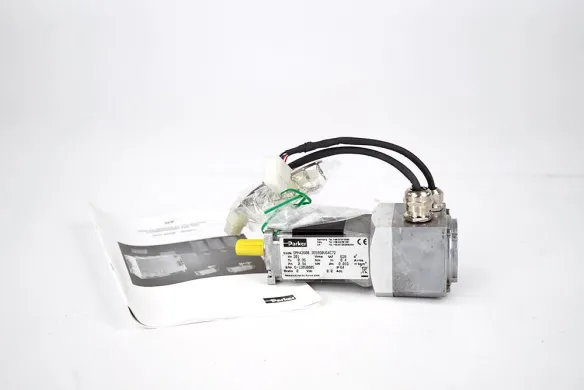
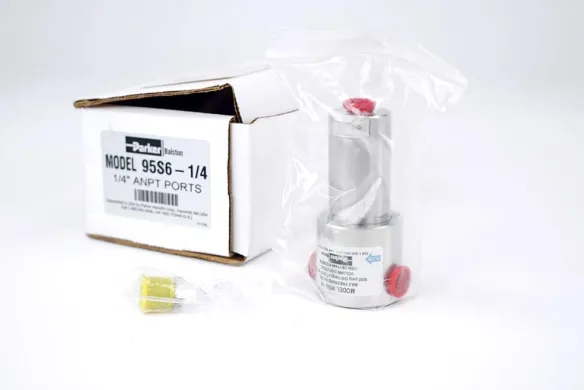
Not the exact instrument you need?
Tell our scientists what you are after. We track it down, including off-market supply.
Showing 1–40 of 47 listings
Show 7 more listingsAbout Parker Balston
Parker Balston is an American manufacturer of laboratory gas generators, compressed air filters, and gas purification equipment, headquartered in Haverhill, United States. The company began as Balston Inc. in 1970, originally manufacturing and distributing Balston-branded filter products as a subsidiary of the Whatman Group. It commercialized its first laboratory gas generator in 1979, moving from filtration alone into on-site gas generation for analytical laboratories. Parker Hannifin Corporation acquired the business in 2000, and it now operates as part of Parker's filtration operations. The product range spans nitrogen generators, hydrogen generators, gas purifiers, air dryers, and filtration systems. Together these supply clean, dry, and purity-controlled gas to the instruments that depend on it.
The core of the range is on-site gas generation, a field that replaces delivered high-pressure cylinders with a standing unit that produces gas from air or water. In the life sciences and analytical laboratory this equipment underpins gas chromatography and LC-MS: hydrogen and nitrogen generators feed carrier and collision gas to the separation and detection stages, which is where sample analysis in proteomics, metabolomics, and molecular diagnostics actually runs. FT-IR spectroscopy relies on purge gas generators to strip water vapour and carbon dioxide from the optical path, so an infrared measurement reads the sample and not the room air. The filtration side, the compressed air filters and gas purifiers, protects pneumatic instruments and downstream detectors from oil, water, and particulates. A hydrogen generator for gas chromatography and a nitrogen generator for LC-MS are the two phrases a lab most often works from when sizing this equipment, because the instrument's gas specification is what determines the model.
Parker Balston generator and filter series
The hydrogen lines are built around membrane and PEM technology: the H2PEM Series, the H2PD Series, and the combined H2PEMPD Series generate hydrogen for GC carrier gas and fuel for flame detectors. The HPN2 Series and the NitroFlow Lab produce nitrogen for LC-MS, evaporative sample concentration, and general instrument supply. The ALIGN Multi-Gas Generator delivers nitrogen, hydrogen, and zero air from a single enclosure, aimed at benches that need more than one gas. The FT-IR Purge Gas Generators serve infrared spectroscopy specifically, and the long-running Balston Compressed Air Filters cover particulate, coalescing, and vapour removal for instrument air. When comparing these series, the deciding factor is the output each produces, the purity grade, the flow rate, and the delivery pressure, measured against what the connected instrument requires.
Which Parker Balston equipment is listed on Questpair?
The catalogue holds 80 Parker Balston listings from 9 verified suppliers and distributors across 5 countries. The inventory leans strongly toward used equipment: 96 percent of the listings are used. Prices range from EUR 22 to EUR 5.797. The low end of that range reflects individual filters, cartridges, and replacement elements, while complete nitrogen and hydrogen generation systems sit toward the high end, so the range tells a buyer more than the average when planning a purchase. Replacement parts and filter elements can be sourced via Questpair, and where a warranty applies to a used generator it is arranged in consultation for the specific listing. A buyer comparing two listings of the same series can therefore weigh condition, location, and price across several suppliers rather than relying on one.
Questpair review of Parker Balston
Our take based on listings data and supplier feedback
Parker Balston occupies a specific corner of the laboratory equipment market: it builds the gas generators and filters that sit next to analytical instruments rather than the instruments themselves. That positioning shapes how the catalogue on Questpair reads, and it is the first thing a buyer should understand before comparing listings.
The strongest argument for on-site generation is operational. A nitrogen or hydrogen generator such as the HPN2 or H2PEM series draws from the laboratory's own compressed air or deionized water and delivers a continuous supply, which takes cylinder ordering, storage, and handling out of the workflow. For a lab running a mass spectrometer or an FT-IR purge line, that means gas purity and flow are tied to a single piece of maintained hardware instead of a delivery schedule. The trade-off is that a generator is a standing asset to maintain rather than a consumable, so condition and service history matter more than they would for a cylinder regulator. This is where a used market becomes useful: a buyer can see what a given generation of the H2PEM or NitroFlow Lab actually costs before committing to new.
The instrument-support focus is the second point worth weighing. Parker Balston's lines map onto named applications rather than general utility air. The FT-IR Purge Gas Generators remove water vapour and carbon dioxide from the optical path of an infrared spectrometer, the H2PEM and H2PD hydrogen generators feed carrier gas to gas chromatographs, and the ALIGN Multi-Gas Generator consolidates nitrogen, hydrogen, and zero air for an LC-MS bench. A buyer matching a generator to an instrument should therefore start from the instrument's gas specification, because the right model is the one that meets the flow and purity the detector needs, not the largest unit available. The notable product lines give useful search anchors here, but the listing's stated output is what settles the decision.
The catalogue itself is the third consideration. Parker Balston equipment on Questpair is heavily weighted toward used units: 96 percent of the listings are used. Prices range from EUR 22 to EUR 5.797, with an average around EUR 1.810. That spread reflects a mix that runs from individual Balston compressed air filters and cartridges at the low end to complete nitrogen and hydrogen generation systems at the high end, so the average is less informative than the range when sizing a purchase. With 9 verified suppliers and distributors listing across 5 countries, a buyer comparing two listings of the same series can weigh condition and location rather than being limited to a single source.
Where warranty matters on a used generator, it is arranged in consultation for the specific listing, and replacement filters or elements can be sourced via Questpair. For a lab deciding between a new and a used unit, the honest distinction is price: used and refurbished Parker Balston equipment is listed below new, and the individual listing is where condition and any warranty are settled.
**On-site gas supply without cylinder logistics**
Parker Balston gas generators produce nitrogen, hydrogen, and purified air on demand, which removes the need to store and swap high-pressure cylinders in the laboratory.
**Established instrument-support niche**
The H2PEM, HPN2, and NitroFlow lines are purpose-built for feeding carrier and detector gas to GC, LC-MS, and FT-IR instruments, a focus Parker Balston has held since commercializing its first lab gas generator in 1979.
**A deep used inventory on Questpair**
Of the 80 Parker Balston listings currently on Questpair, 96 percent of the listings are used, which gives buyers access to generators and filters priced below new.
Frequently asked questions
Where can I find manuals and documentation for Parker Balston generators?
Documentation is tied to the specific unit and listing, so the fastest route is to contact Questpair about the model you are looking at. Specialists respond within an hour and can tell you what paperwork accompanies that listing.
How much does a Parker Balston gas generator cost?
Across the Parker Balston listings on Questpair, prices run from EUR 22 to EUR 5.797, with an average of EUR 1.810. The wide range reflects that the catalogue holds both complete generators and individual filter elements or purifier cartridges.
What is the difference between a refurbished and a used Parker Balston unit?
Both are listed below new pricing on Questpair. Condition detail varies by listing, so the specification on the individual unit is what tells you how it was reconditioned or how it has been used.
Is there a warranty on Parker Balston equipment bought here?
A warranty is often possible and is arranged in consultation for the specific listing. The terms depend on the unit and the supplier, so check the listing you are considering.
Are Parker Balston generators suitable for clinical and research labs?
Yes. Nitrogen generators feed LC-MS sources used in molecular diagnostics and proteomics, hydrogen generators supply carrier and flame gas for GC and GC-MS, and FT-IR purge generators keep spectrometers free of carbon dioxide and water vapour. The equipment is the gas utility layer beneath these techniques rather than the analytical instrument itself.
How long does a Parker Balston gas generator last?
Lifespan depends on duty cycle, gas purity demand, and how regularly the filter elements and purifier cartridges are replaced. These consumables are a recurring part of running any gas supply, which is why Balston Compressed Air Filters appear in the catalogue in their own right.
Can I get replacement parts for a Parker Balston generator?
Parts can be sourced via Questpair, including the filter elements and purifier cartridges that remove oil, water, and particulates. Specify the model when you enquire so the correct consumable is matched to your unit.
What are good alternatives to Parker Balston?
Alternatives depend on which gas you need to generate: nitrogen, hydrogen, or purified purge air each have their own generator makers. The Questpair catalogue lists laboratory gas generators from several suppliers, so comparing by gas type and required purity is more useful than comparing by brand alone.
What is the lead time on Parker Balston equipment?
Lead time depends on the individual supplier and whether the unit is in stock or sourced to order. Questpair specialists can confirm availability for a specific listing within an hour of your enquiry.
What is the difference between parts and spares for these generators?
In practice the two terms overlap: both cover the filter elements, purifier cartridges, and other consumables that keep a generator running. Spares usually refers to items held in reserve against downtime, while parts is the broader term for any replaceable component, and both can be sourced via Questpair.
Can Parker Balston equipment be shipped internationally?
Yes. Parker Balston listings come from verified suppliers and distributors across 5 countries, so cross-border shipping is arranged with the supplier holding the unit.
Which Parker Balston product lines are there and how do they differ?
The hydrogen lines are the H2PEM Series, the H2PD Series, and the combined H2PEMPD Series, covering proton-exchange-membrane generation and drying for GC gas. On the nitrogen side the HPN2 Series and the NitroFlow Lab serve LC-MS and evaporative work, the ALIGN Multi-Gas Generator consolidates more than one gas stream into one unit, the FT-IR Purge Gas Generators feed spectrometer purges, and the Balston Compressed Air Filters are the consumable elements beneath all of them.
Which Parker Balston instrument types are actually listed on Questpair, and in what condition?
Among the listings that specify a type, the catalogue runs across hydrogen gas generators, laboratory gas generators, gas supply systems, gas purification systems, digital control gas generators, and general gas generators, plus individual filter elements and cartridges. 96 percent of the listings are used, with the remainder new.
What separates the cheapest Parker Balston listings from the most expensive?
The cheapest listings are typically individual filter elements and purifier cartridges, while the most expensive are complete generators configured for a given gas flow and purity. That span is why prices on Questpair run from EUR 22 to EUR 5.797; the specification on each listing is what matches a unit to a requirement.
About Questpair
Questpair is the European marketplace for lab equipment, where AI-prepared cases and personal specialists guide every purchase. We work with 247 verified suppliers across 38 countries to find buyers the right new, used or refurbished instruments, with response within 1 hour and significant savings vs buying new.
Personal · Fast · Reliable · Affordable