
Dräger equipment
We personally find you the right new, used & refurbished Dräger instruments & equipment from verified suppliers
Dräger is a German medical and safety technology manufacturer, founded in Lübeck in 1889 as Dräger & Gerling by J. Heinrich Dräger and Carl Adolf Gerling. The company, Drägerwerk AG & Co. KGaA, is an independent publicly listed firm, with the Dräger family holding 71.62 percent of common shares as of December 31, 2024. Its product range covers gas detection systems, respiratory protection, anesthesia workstations, medical ventilators, patient monitoring, and drug and alcohol testing equipment. On Questpair, 54 used Dräger items are listed by verified suppliers and distributors across 5 countries.
Updated:
Dräger product list


Not the exact instrument you need?
Tell our scientists what you are after. We track it down, including off-market supply.
About Dräger
Dräger is a German medical and safety technology manufacturer founded in Lübeck in 1889 as Dräger & Gerling by J. Heinrich Dräger and Carl Adolf Gerling. The operating company, Drägerwerk AG & Co. KGaA, is an independent publicly listed business, majority-controlled by the Dräger family, which held 71.62 percent of common shares as of December 31, 2024. Its headquarters remain in Lübeck, Germany. The portfolio divides into two broad arms: safety technology, built around gas detection and respiratory protection, and medical technology, built around anesthesia, ventilation, patient monitoring and neonatal care. Product development spans portable handheld testers through to installed clinical systems. On Questpair the equipment appears as a used catalogue rather than a new one.
Dräger product lines
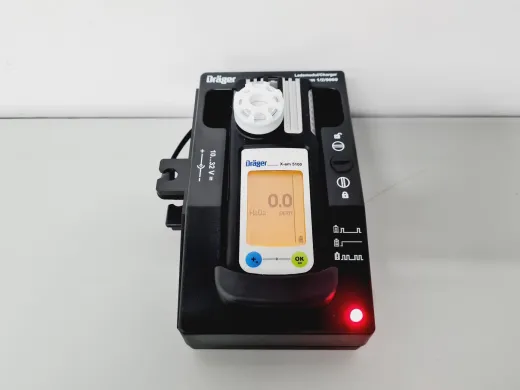
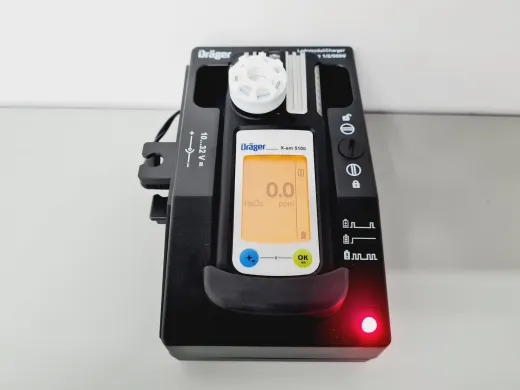
The gas detection side centres on the X-am range of portable gas detectors, used in industrial safety, confined-space entry and environmental monitoring. Running alongside them, Dräger-Tubes provide colorimetric gas detection, a chemical method in which a glass tube changes colour in proportion to the concentration of a target gas, long used in occupational hygiene and spot-check measurement. The X-dock family of calibration and bump-test stations services these detectors, verifying sensor response before an instrument goes back into use.
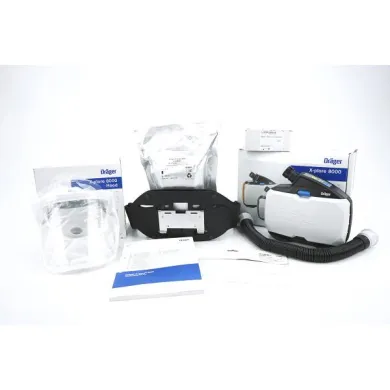
Respiratory and protective equipment falls under the X-plore line, covering masks and respiratory protection hardware. The testing arm includes Alcotest breathalyzers and the DrugTest range, both used in roadside and workplace screening, where molecular diagnostics principles underpin the detection of specific substances in breath or saliva.
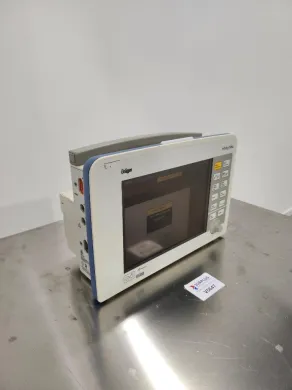
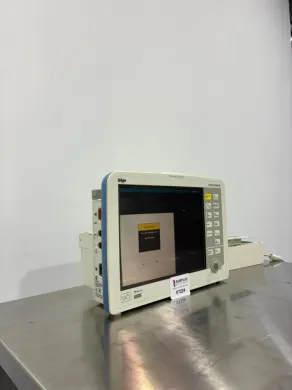
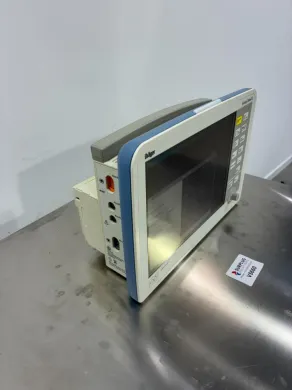
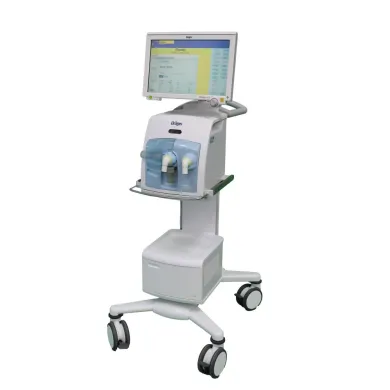
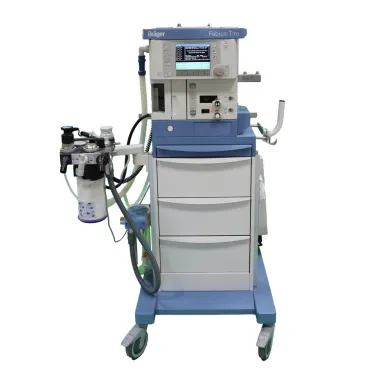
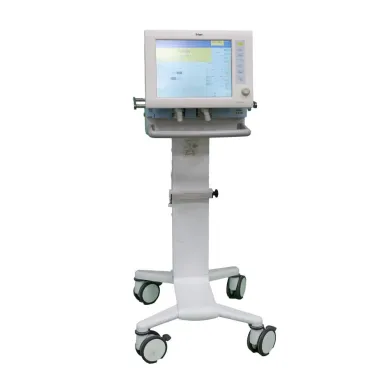
The medical lines are the clinical counterpart. Infinity covers patient monitoring, tracking vital signs at the bedside and in intensive care. Babylog is Dräger's neonatal ventilator line, delivering respiratory support to newborns, an application area where the ventilator is also used for the tightly controlled gas delivery that premature infant care demands. Alongside these sit anesthesia workstations and adult medical ventilators, the installed systems that anchor the medical side of the business. These clinical instruments connect to the wider life sciences environment through patient monitoring data and respiratory gas measurement, areas where device output feeds the records that clinical and translational research draws on.
What is listed on Questpair?
The Dräger catalogue on Questpair holds 54 items offered by 7 verified suppliers and distributors across 5 countries. The range reflects the full breadth of the maker's work, from pocket-sized Alcotest and single-gas detectors at the lower end to larger clinical and neonatal systems at the upper end.
Prices run from EUR 118 to EUR 5.241. The average sits near EUR 951, a figure that spans two very different kinds of instrument and so describes the catalogue as a whole rather than a typical purchase. A buyer comparing two listings is better served by the specification and condition of each than by the catalogue average.
Condition is consistent across the listings: 100 percent of the items are used. For gas detection equipment this makes the documented calibration state and sensor history the central questions, and the presence of X-dock stations on the same catalogue is what lets a buyer address them. For the medical and neonatal equipment, the listing-level detail carries even more weight, and warranty, where it applies, is arranged in consultation for the specific item.
Parts for Dräger equipment can be sourced via Questpair, and manuals or documentation can be requested by contacting Questpair, where specialists respond within the hour. Where a buyer is weighing one listing against another, the individual listing is the place the decision is made.
Questpair review of Dräger
Our take based on listings data and supplier feedback
Dräger sits at an unusual intersection of safety technology and medical equipment, and the listings on Questpair reflect that breadth rather than a single instrument class. The three points worth weighing for a buyer are the verifiability of the gas detection range, the presence of calibration hardware in the same catalogue, and the price spread across what is a heterogeneous equipment base.
Gas detection is the part of the Dräger portfolio where specification matters most. The X-am line of portable detectors and the Dräger-Tubes colorimetric tubes are each defined by the gases they measure and the ranges over which they measure them, and those figures are what separate a usable listing from an irrelevant one. A tube calibrated for a given analyte at a given range answers a different question than one built for another gas entirely, so a buyer evaluating a used unit is really evaluating whether the published specification matches the task. This is where Dräger equipment rewards a careful read of the listing: the measurement is the product, and the measurement is documented.
The second point follows from the first. A gas detector is only as trustworthy as its last calibration, and Dräger addresses this with the X-dock family of bump-test and calibration stations. On the catalogue these appear alongside the detectors they maintain, which is more useful than it first sounds. A safety team sourcing a used X-am gains little if the supporting hardware has to be found elsewhere, and the ability to acquire the measuring instrument and its maintenance station from the same pool of verified suppliers and distributors reduces the number of separate transactions a procurement process has to clear. For a used instrument in particular, where condition and calibration history are open questions, having the bump-test apparatus available is a practical advantage.
The third consideration is price, and here the data describes a range rather than a point. Listings run from EUR 118 to EUR 5.241, with an average around EUR 951. That spread is not a judgment on value; it reflects the fact that the catalogue holds everything from handheld Alcotest breathalyzers and single-gas detectors through to larger clinical systems such as Infinity patient monitoring and Babylog neonatal ventilators. A buyer should read the average with that composition in mind, because a figure drawn from both a pocket tester and a ventilator describes the catalogue, not any one purchase.
Condition is the one dimension where the catalogue is uniform: 100 percent of the listings are used. That makes Dräger on Questpair a used-equipment proposition across the board, and it shifts the evaluation toward the specifics of each listing, the documented specification, the calibration state, and the warranty terms, which are arranged in consultation for the individual item rather than set centrally. For the medical and neonatal equipment in particular, that listing-level scrutiny is where a buying decision is actually made.
**Gas detection with verifiable specifications**
The X-am portable gas detectors and Dräger-Tubes colorimetric detection tubes carry published measurement ranges and target gases, so a buyer can match a listing to a specific monitoring task before purchase.
**Calibration infrastructure listed alongside instruments**
X-dock bump-test and calibration stations appear on the catalogue together with the detectors they service, letting a lab or safety team source the measuring instrument and its maintenance hardware from the same set of verified suppliers and distributors.
**Used pricing across a wide equipment range**
The Dräger listings on Questpair span from EUR 118 to EUR 5.241, covering handheld testers through to larger clinical and safety systems, all offered below new-equipment pricing.
Frequently asked questions
Where can I get manuals and documentation for Dräger equipment?
Contact Questpair and specialists respond within an hour with the documentation available for a given item. This covers manuals and related paperwork for both the safety and medical lines.
How much does Dräger equipment cost on Questpair?
Listed prices range from EUR 118 to EUR 5.241, with the average near EUR 951. That spread covers pocket-sized Alcotest units at one end and installed anesthesia and neonatal systems at the other, so the specification of each listing tells you more than the average.
What is the difference between refurbished and used Dräger units?
Both are listed below the price of new equipment. The condition detail sits on the individual listing, and for gas detection items the documented calibration state and sensor history are the points to check regardless of which label applies.
Is there a warranty on Dräger equipment bought here?
A warranty is often possible and is arranged in consultation for the specific listing. For medical and neonatal systems in particular, confirm the terms against the item before purchase.
Is Dräger equipment suitable for clinical and research use?
The medical lines, including Infinity patient monitoring, Babylog neonatal ventilators and anesthesia workstations, are built for clinical settings. Patient monitoring and respiratory gas measurement output feeds records that clinical and translational research draws on, so the fit depends on the specific model and its documented condition.
How long does Dräger equipment last?
Lifespan depends on the instrument class and its maintenance history rather than a single figure. For gas detectors the sensor state matters most, while for anesthesia and ventilation systems the service record and component condition on the listing are what to assess.
Can I get spare parts for Dräger equipment?
Parts for Dräger equipment can be sourced via Questpair. Ask with the model and the component you need so suppliers can match it.
What are good alternatives to Dräger?
The right alternative depends on the class you need: gas detection, anesthesia, ventilation, patient monitoring or neonatal care are each served by different makers. Comparing on the specific instrument type and the condition of a listing is more useful than comparing brands as a whole.
What is the lead time for Dräger equipment?
Lead time is set per listing by the supplier holding the item, since this is a used catalogue across 7 verified suppliers and distributors. Contact Questpair with the listing to confirm availability and dispatch for that unit.
What is the difference between parts and spares for Dräger?
The terms are used interchangeably here and both refer to components sourced via Questpair, such as sensors, bellows or consumables for a given model. Name the instrument and the part so the right component is matched.
Do you ship Dräger equipment internationally?
The catalogue spans verified suppliers and distributors across 5 countries, so cross-border supply is common. Shipping arrangements are confirmed per listing through Questpair.
What product lines does Dräger make and how do they differ?
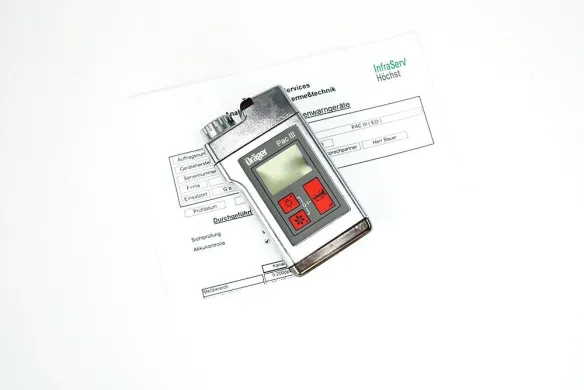
On the safety side are X-am portable gas detectors, Dräger-Tubes for colorimetric detection, X-dock calibration and bump-test stations, X-plore respiratory protection, and the Alcotest and DrugTest screening ranges. On the medical side are Infinity patient monitoring, Babylog neonatal ventilators, plus anesthesia workstations and adult ventilators, which are installed clinical systems rather than handheld devices.
Which Dräger instrument types are listed here and in what condition?
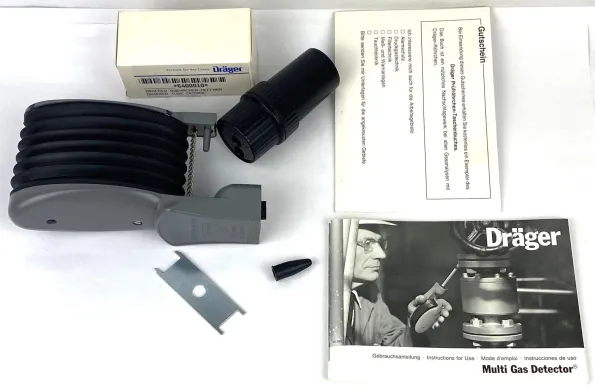
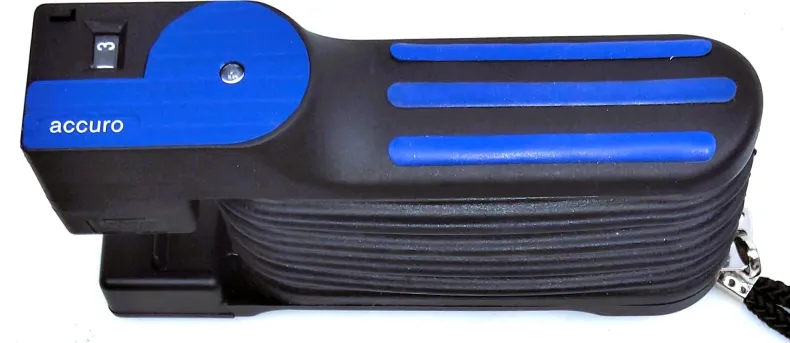
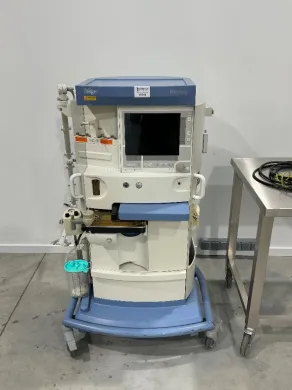
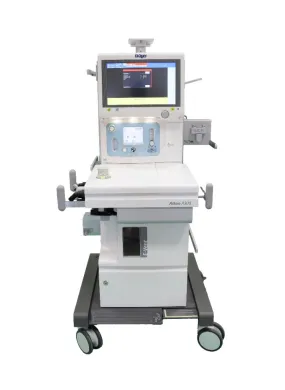
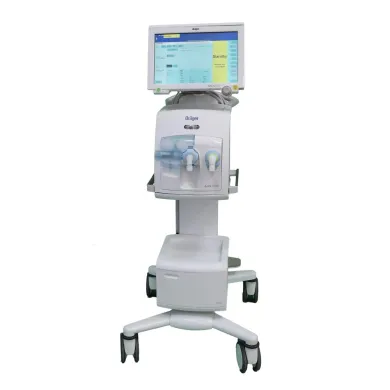
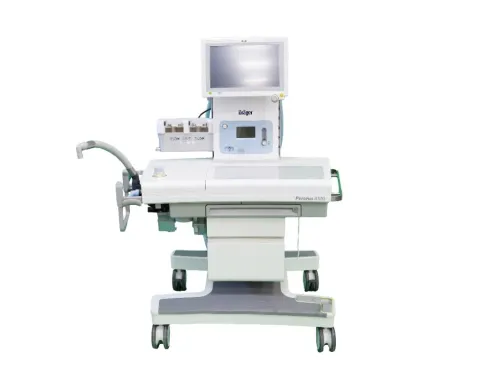
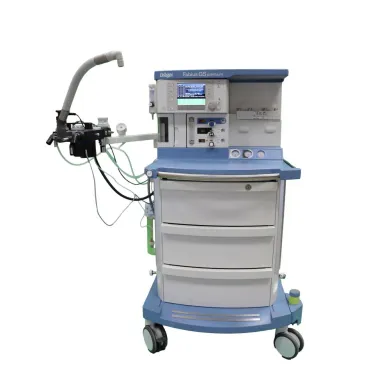
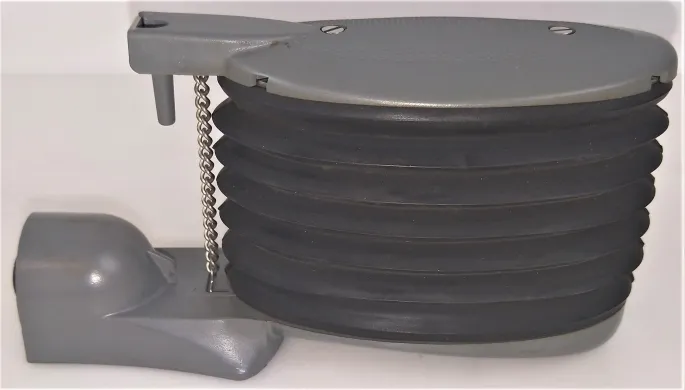
The catalogue includes bellows pumps, anesthesia workstations, portable gas detectors, safety equipment, anesthesia machines and mechanical ventilators. Of the 54 items listed, 100 percent are used, and the per-item condition is on each listing.
What separates the cheapest Dräger listings from the most expensive?
The lower end holds pocket-sized Alcotest units and single-gas detectors, while the upper end holds installed clinical and neonatal systems such as anesthesia workstations and ventilators. The gap reflects the difference between handheld testers and large bedside equipment, which is why the catalogue average describes the whole range rather than a typical purchase.
About Questpair
Questpair is the European marketplace for lab equipment, where AI-prepared cases and personal specialists guide every purchase. We work with 247 verified suppliers across 38 countries to find buyers the right new, used or refurbished instruments, with response within 1 hour and significant savings vs buying new.
Personal · Fast · Reliable · Affordable