
Peak Scientific equipment
We personally find you the right used, refurbished & new Peak Scientific instruments & equipment from verified suppliers
Peak Scientific is a Scottish manufacturer of laboratory gas generators, headquartered in Inchinnan near Glasgow in the United Kingdom. The business was founded by Robin MacGeachy, originally established in 1992 as an air compressor distributor before registering to manufacture laboratory-grade gas generators in 1997. The company, part of the family-owned PEAK International Group, produces nitrogen gas generators, hydrogen gas generators, zero air generators and complete laboratory gas generation systems under lines such as Genius, Solaris, Infinity, Intura, Precision and Horizen. On Questpair, used and new Peak Scientific generators are listed by verified suppliers and distributors across several countries.
Updated:
Peak Scientific product list


Not the exact instrument you need?
Tell our scientists what you are after. We track it down, including off-market supply.
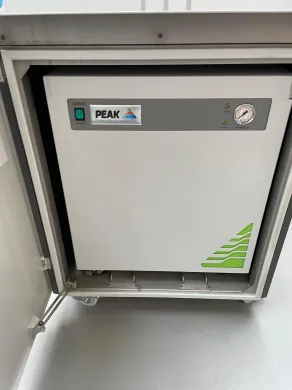
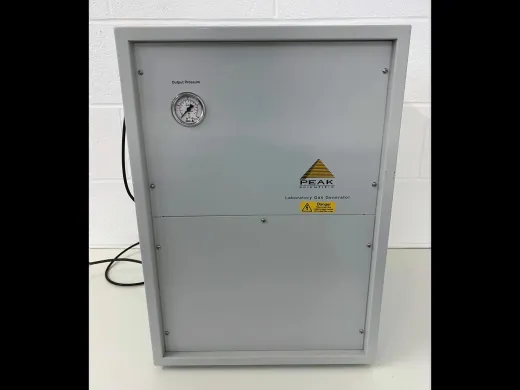
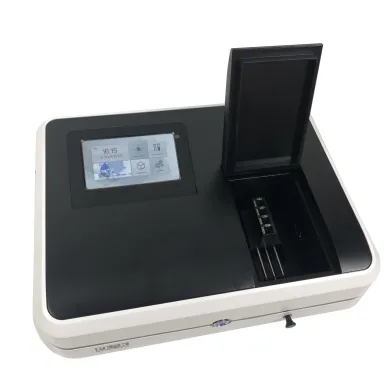
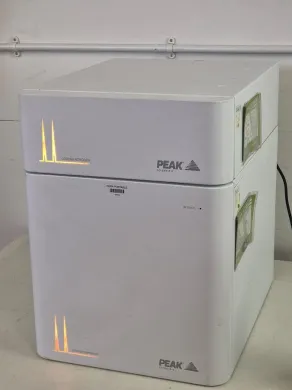
About Peak Scientific
Peak Scientific is a Scottish manufacturer of laboratory gas generators, based in Inchinnan near Glasgow in the United Kingdom. The company was founded by Robin MacGeachy, who established the business in 1992 as an air compressor distributor and registered it to manufacture laboratory-grade gas generators in 1997. It is part of the family-owned PEAK International Group and is described as privately held. The product range covers nitrogen gas generators, hydrogen gas generators, zero air generators and complete laboratory gas generation systems. These units serve analytical instrumentation directly, supplying the carrier, detector and make-up gas that gas chromatography and mass spectrometry depend on. The work they do sits close to the daily operation of an analytical lab, where a reliable gas source is a precondition for running samples at all.
Gas generation for the laboratory is a defined field rather than a general one. Nitrogen generators feed LC-MS sources and evaporative detectors, and in life sciences settings the same high-flow nitrogen supports proteomics and small-molecule workflows run on mass spectrometers. Hydrogen generators supply carrier gas for gas chromatography and increasingly replace helium as a GC carrier, which is where a hydrogen gas generator for GC earns its place in a molecular biology or analytical chemistry lab. Zero air generators provide the clean, hydrocarbon-free air that flame ionisation detectors require. Across genomics and proteomics laboratories, the common thread is that the instrument is only as stable as its gas supply, so the generator is part of the analytical chain rather than a peripheral.
Peak Scientific generator series
The notable product lines are Genius, Solaris, Infinity, Intura, Precision and Horizen. Each line targets a particular combination of gas type, flow rate and purity. The Genius and Infinity names appear on nitrogen units sized for mass spectrometry and for multi-instrument supply, while the Precision line is associated with smaller gas streams feeding individual detectors. Intura and Horizen represent more recent system designs, and Solaris covers additional nitrogen generation. Which of these lines fits a given lab depends on the instrument it will feed: a membrane nitrogen unit for a single GC detector is a different device from a high-output station supplying an LC-MS source, and the series name is the first thing that tells the two apart. Reading the line against the instrument it was built for is how a buyer narrows a broad catalogue to the handful of units that actually match the application.
Peak Scientific generators on Questpair
On Questpair, the catalogue holds 76 Peak Scientific listings from 10 verified suppliers and distributors across 5 countries. 99 percent of the listings are used. Prices range from EUR 521 to EUR 8.918. The average listed price sits near EUR 3.275, which reflects the spread between compact nitrogen units and larger high-flow systems. Used and new units are both listed, with used generators priced below new. Where a buyer wants warranty on a specific unit, that is arranged in consultation for the individual listing rather than set across the range. Parts for these generators can be sourced via Questpair, and manuals or documentation can be requested from Questpair specialists, who respond within the hour. Because the catalogue is almost entirely used, the practical task for a buyer is matching a listed line to the flow rate and purity their instrument needs, then reading condition and price off the individual listing.
Questpair review of Peak Scientific
Our take based on listings data and supplier feedback
Peak Scientific occupies a narrow, specialised position: it makes the gas source that sits beside an analytical instrument rather than the instrument itself. That focus is the first thing worth evaluating. A gas chromatograph needs a steady supply of carrier and detector gas, and an LC-MS source needs high-flow nitrogen; the conventional answer is a bank of cylinders with regulators, change-over panels and a delivery contract. A generator replaces that chain with a unit that draws from compressed air or mains supply and produces the gas on demand. For a lab weighing one approach against the other, the generator removes cylinder storage, manual change-overs and the safety handling that high-pressure hydrogen cylinders in particular demand. That is the practical case these units are built around, and it is the reason the catalogue on Questpair is almost entirely made up of working instruments rather than spares.
The second benefit, the depth of the used catalogue, is visible in the distribution. Of the 76 Peak Scientific listings, 99 percent are used, offered through 10 verified suppliers and distributors. For a buyer who knows which line they need, that breadth matters more than it does for a one-off purchase. The Genius and Infinity nitrogen generators, the Precision series and the hydrogen units each target a different instrument and flow requirement, so a used market with enough listings is what makes it realistic to match a specific generator to a specific GC or mass spectrometer rather than taking whatever is available. Where a unit is listed used, warranty is arranged in consultation for that individual listing, so the condition and the terms are read off the listing itself rather than assumed across the range.
The third point is price. Used generators are listed below new, and across this brand the figures run from EUR 521 to EUR 8.918, with an average near EUR 3.275. That spread is wide because it covers both compact nitrogen units sized for a single detector and larger systems feeding high-demand mass spectrometry. The gap between the two ends of that range is the gap between a membrane nitrogen generator for a GC and a high-output station for an LC-MS source, and reading the model against the application is what tells a buyer where in that range they should be looking. Price alone does not settle the choice, because flow rate, purity and the gas type have to match the instrument first, but within a correctly matched line the used route is the one that separates these listings from new supply.
Taken together, the three benefits describe a focused manufacturer with a deep used catalogue and a clear price advantage over new, provided the buyer already knows the flow and purity their instrument requires. Parts for these units can be sourced via Questpair, and documentation can be requested from Questpair specialists, who respond within the hour.
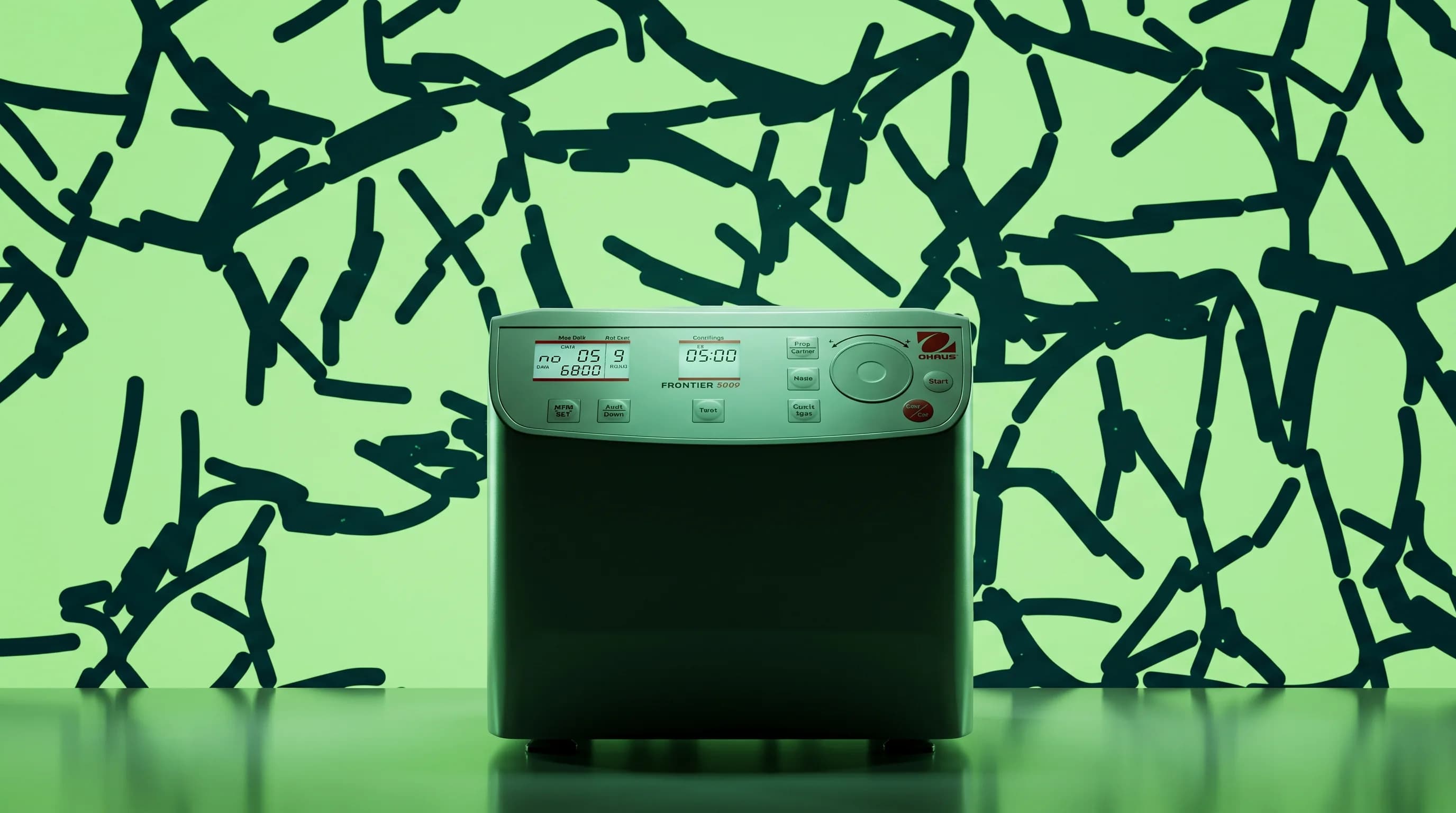
**On-site gas generation for GC and LC-MS**
Peak Scientific builds nitrogen, hydrogen and zero air generators that supply analytical instruments directly, removing the handling of pressurised cylinders in the lab.
**A full catalogue of used units**
On Questpair, 99 percent of the 76 Peak Scientific listings are used, drawn from 10 verified suppliers and distributors across 5 countries.
**Prices below new across the range**
Used generators are listed at lower prices than new, with Peak Scientific units running from EUR 521 to EUR 8.918.
Frequently asked questions
Where can I find manuals and documentation for Peak Scientific generators?
Documentation for a specific Peak Scientific unit can be requested through Questpair, where specialists respond within an hour. Since model requirements vary by the instrument the generator feeds, it helps to reference the exact series and model you are asking about.
How much does a Peak Scientific gas generator cost?
On Questpair, prices range from EUR 521 to EUR 8.918, with an average of EUR 3.275. The spread reflects the difference between a compact single-instrument generator and a larger multi-instrument gas generation system.
What's the difference between a refurbished and a used Peak Scientific generator?
A used unit is sold in its existing condition, while a refurbished one has been reconditioned before resale. Both are listed below the price of a new unit on Questpair, so checking the individual listing for details on condition and service history is the practical step.
Does a Peak Scientific generator come with a warranty?
A warranty is often possible and is arranged in consultation for the specific listing. Because the catalogue is almost entirely used, raise the warranty question against the individual unit rather than assuming it applies across all listings.
Are Peak Scientific generators suitable for clinical and research labs?
These generators are built for analytical chemistry, supplying carrier and makeup gases for chromatography and mass spectrometry. The same clean gas streams also support life sciences work such as nitrogen evaporation in sample preparation and the gas supply that molecular biology and immunoassay workflows draw on.
How long does a Peak Scientific gas generator last?
Lifespan depends on the condition of consumable components such as membranes and adsorption beds, and on how continuously the unit has run. For a used generator, verifying service history and recent purity checks gives a clearer picture than age alone.
Can I get replacement parts for a Peak Scientific generator?
Parts can be sourced via Questpair. Membranes, adsorption beds, and other consumables are the components most tied to a generator's purity and flow performance, so identifying the exact series and model first makes sourcing accurate.
What are the alternatives to a Peak Scientific gas generator?
The choice usually depends on the gas you need and the downstream instrument: nitrogen for LC-MS, hydrogen for GC carrier and flame gas, or zero air for flame ionisation detection. Within Peak's own range, the Genius, Precision, Solaris, Infinity, Intura, and Horizen series each target a different gas type or capacity, so matching to the instrument narrows the options before cross-brand comparison.
What's the lead time on a Peak Scientific generator?
Lead time depends on the individual listing and the supplier holding the unit. With listings from several verified suppliers and distributors, availability can be compared across more than one source before committing.
Is there a difference between parts and spares for these generators?
In practice the terms are used interchangeably for the replaceable components of a generator, such as filters, membranes, and adsorption media. All of these can be sourced via Questpair once the model is identified.
Can a Peak Scientific generator be shipped internationally?
Listings come from verified suppliers and distributors across 5 countries, so cross-border shipping is often possible. Arrangements and costs are set per listing, so confirm them with the supplier holding the unit you want.
What product lines does Peak Scientific make and how do they differ?
The named series are Genius, Precision, Solaris, Infinity, Intura, and Horizen. Genius covers nitrogen generation for mass spectrometry across a range of instrument loads; Precision supplies a single bench instrument with nitrogen, hydrogen, or zero air; Solaris and Infinity reach higher-capacity nitrogen supply for feeding several instruments; Intura and Horizen are the more recent additions to the range.
Which Peak Scientific generators are listed here and in what condition?
The Questpair catalog lists 76 Peak Scientific listings covering types such as gas generators, nitrogen generators, laboratory gas generators, gas purification systems, and gas supply systems. Of these, 99 percent are used, so service history and the condition of membranes or adsorption beds are the working questions for a buyer.
What separates the cheapest Peak Scientific listings from the most expensive?
The main driver is capacity: a compact generator feeding a single bench instrument sits at the lower end, while a larger multi-instrument gas generation system sits at the higher end. Condition and whether a unit is used, refurbished, or new also shift the price, with used and refurbished units listed below new.
About Questpair
Questpair is the European marketplace for lab equipment, where AI-prepared cases and personal specialists guide every purchase. We work with 247 verified suppliers across 38 countries to find buyers the right used, refurbished or new instruments, with response within 1 hour and significant savings vs buying new.
Personal · Fast · Reliable · Affordable