
Diagnostic Instruments equipment
We personally find you the right new, used & refurbished Diagnostic Instruments from verified suppliers
Diagnostic Instruments is an American scientific camera and life science imaging instrument manufacturer, founded in 1967 by Angelo Merlo in Sterling Heights, Michigan. The company began by developing scientific research instruments and later specialized in microscope imaging components, including the SPOT line of microscope digital cameras and the PathSuite pathology imaging systems. Its catalogue covers microscope digital cameras, imaging software, microscope-to-camera adapters and support stands. On Questpair, 69 Diagnostic Instruments listings are available from 2 verified suppliers and distributors across 3 countries.
Updated:
Diagnostic Instruments product list


Not the exact instrument you need?
Tell our scientists what you are after. We track it down, including off-market supply.
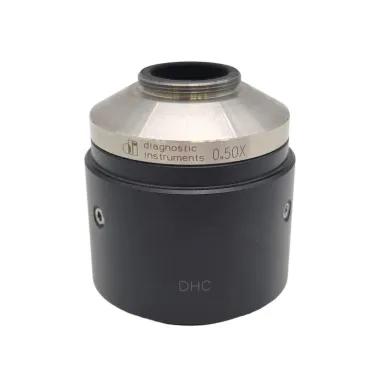
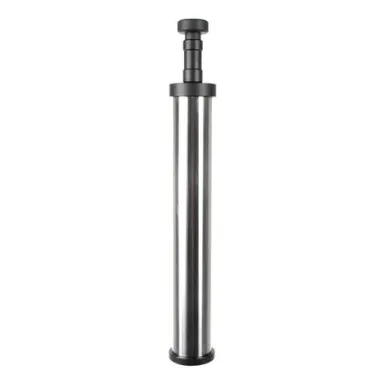
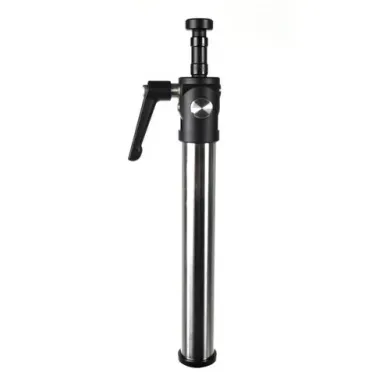
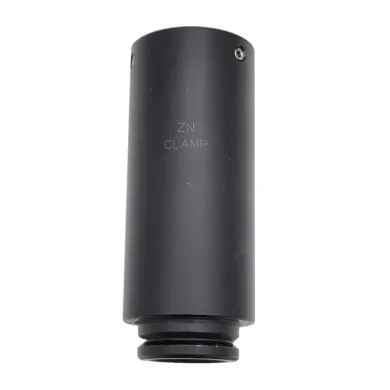
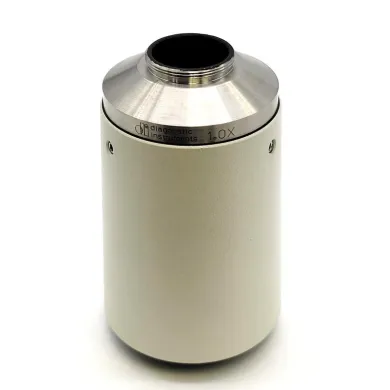
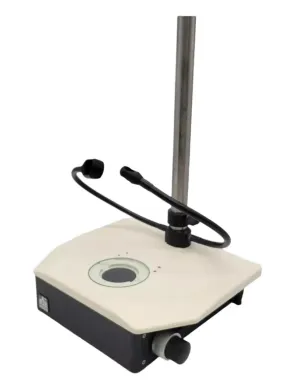
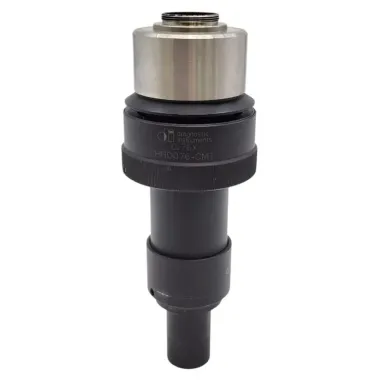
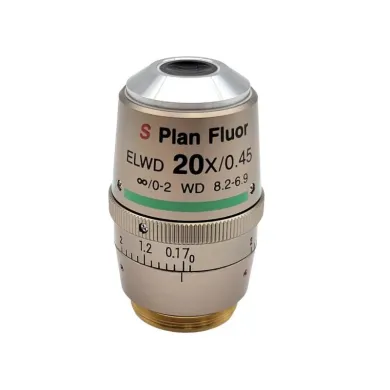
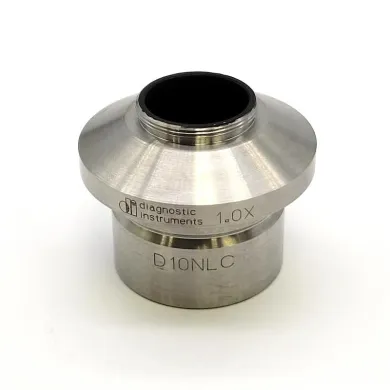
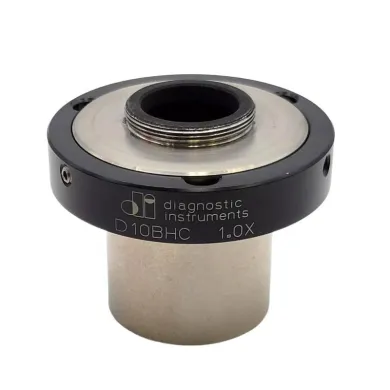
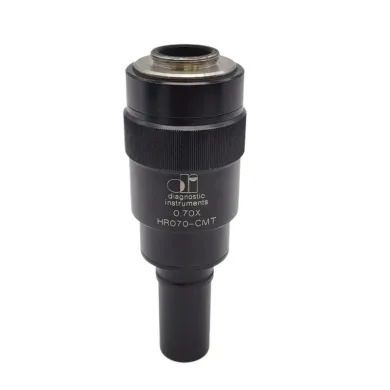
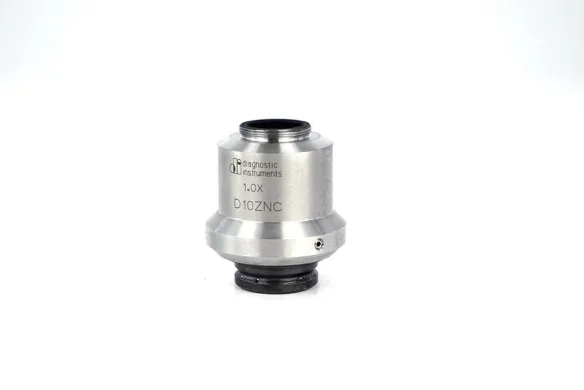
1.0x C-Mount Camera Adapter
- Category
- Cameras
- Brand
- Diagnostic Instruments
- Suppliers
- 1 verified
1.0x C-Mount Camera Adapter
- Category
- Cameras
- Brand
- Diagnostic Instruments
- Suppliers
- 1 verified
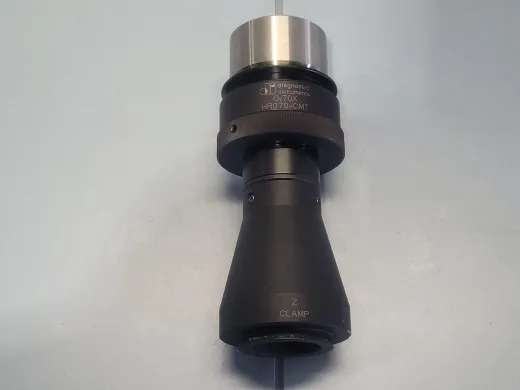
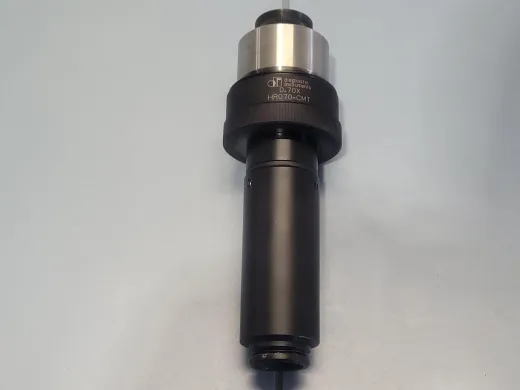
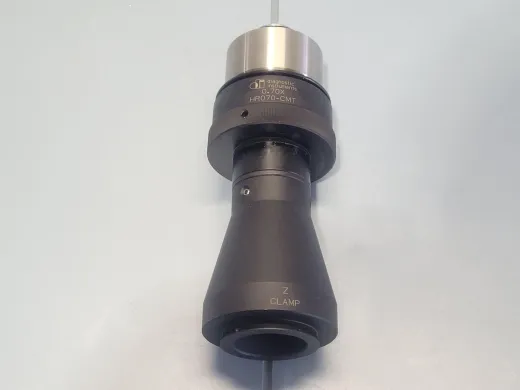
About Diagnostic Instruments
Diagnostic Instruments is an American manufacturer of scientific cameras and life science imaging instruments, founded in 1967 by Angelo Merlo in Sterling Heights, Michigan. The company originated as a developer of scientific research instruments and later concentrated on microscope imaging components. Its primary categories are microscope digital cameras, pathology imaging systems, life science imaging software, microscope-to-camera adapters and microscope support stands. The best-known product lines are the SPOT digital cameras and the PathSuite imaging systems. Microscope digital cameras of this kind do cell imaging and histology, capturing a digital record of a specimen under the objective for measurement, storage and review. On Questpair, 67 of the Diagnostic Instruments listings are used, with the remainder covering a smaller group of components and accessories.
Diagnostic Instruments SPOT and PathSuite product lines
The SPOT family is the core of the Diagnostic Instruments range. SPOT Insight, SPOT Flex, SPOT Pursuit and SPOT Xplorer are camera bodies designed to mount to a microscope and feed an image to the controlling software. They are used across molecular biology and cell biology benches, where a captured image supports documentation of a cell culture, a stained preparation or a fluorescence signal. In cell imaging, the camera is what turns a transient view through the eyepiece into a measurable file, and these bodies are built for that capture step.
The PathSuite and PathScope lines extend the same imaging approach into pathology. Histology relies on the examination of stained tissue sections, and a pathology imaging system records those sections as digital slides that can be annotated and archived. A SPOT or PathScope camera paired with imaging software is the hardware behind that workflow. For laboratories in molecular diagnostics and in histology, this pairing of camera body and imaging software is the function the product lines serve.
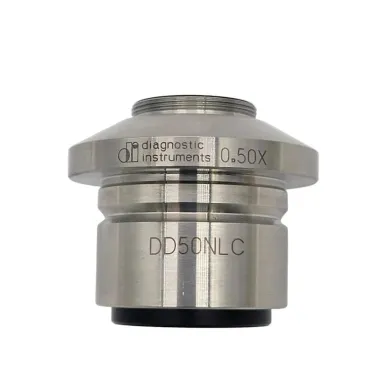
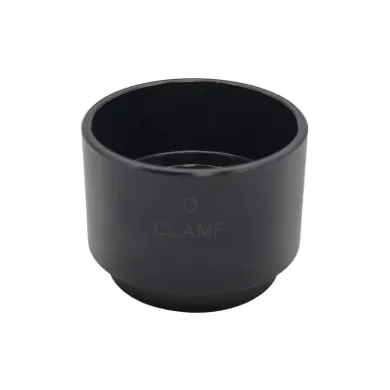
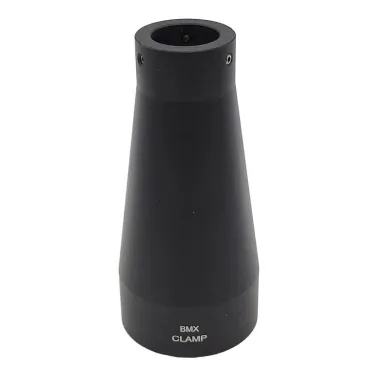
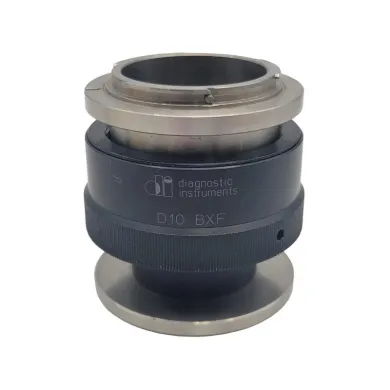
Around the cameras sit the mounting components. Microscope-to-camera adapters connect a given camera sensor to the optical port of a specific microscope, and the PathStand support stands hold the imaging assembly in position. These are not optional extras: a camera cannot be fitted to a microscope without the correct adapter, so the adapters and stands are part of the same imaging chain as the cameras they serve.
What is listed on Questpair?
The Questpair catalogue for Diagnostic Instruments holds 69 listings from 2 verified suppliers and distributors across 3 countries. 97 percent of those listings are used. Prices range from EUR 44 to EUR 2.765. The average sits near EUR 1.299, which reflects a catalogue that spans small adapters and support stands at one end and complete camera-and-software combinations at the other.
The listings map onto the product lines described above. Camera bodies from the SPOT family make up the bulk of the higher-priced entries, while microscope-to-camera adapters and PathStand support stands account for the lower-priced ones. A buyer assembling a microscopy imaging station can therefore source the camera and its mounting hardware from the same place, which reduces the chance of a mismatch between the camera port and the microscope tube.
Documentation and parts are handled through Questpair directly: for manuals, a buyer can contact Questpair and specialists respond within an hour, and parts can be sourced the same way. A warranty is often possible and is arranged in consultation for the specific listing. Because compatibility between a camera body, an adapter and a particular microscope depends on the exact models involved, confirming a pairing is a check made against the individual listing rather than from the brand page alone.
Questpair review of Diagnostic Instruments
Our take based on listings data and supplier feedback
Diagnostic Instruments occupies a narrow, well-defined position in laboratory imaging: the capture of microscope images for research and pathology. The SPOT digital cameras and the PathSuite systems that carry its name are built to sit between a microscope and a screen, and the Questpair listings reflect that focus rather than a broad instrument portfolio. For a buyer evaluating what this maker offers on the secondary market, three characteristics stand out.
The first is that the inventory is imaging-specific. The 69 listings concentrate on microscope digital cameras and their immediate components, drawn from product lines such as SPOT Insight, SPOT Flex, SPOT Pursuit and SPOT Xplorer. These cameras are used in cell imaging and in histology, where a digital image of a stained section stands in for the eyepiece view and can be stored, measured and shared. A laboratory setting up or expanding a microscopy station finds the core capture device here rather than having to assemble it from unrelated parts. The PathSuite and PathScope entries extend that reach into pathology imaging, where the same image-capture principle supports slide review and documentation.
The second characteristic is the pricing structure. 97 percent of the listings are used. Prices run from EUR 44 to EUR 2.765. That spread covers the difference between a single adapter or support stand at the low end and a complete camera body with its imaging software at the upper end, with an average around EUR 1.299. For a laboratory that needs a working imaging chain but cannot justify new-camera budgets, the used share is the practical reason to look at this catalogue first. New units are listed at higher prices than used ones, and where a buyer has to weigh the two, the individual listing is the place to check what is included.
The third characteristic is that the accessories sit beside the cameras. A microscope digital camera is only useful once it is mounted to the correct optical port and held steady, and Diagnostic Instruments listings include microscope-to-camera adapters and PathStand support stands alongside the camera bodies. This matters in practice because a camera bought without the matching adapter cannot be fitted to a given microscope. Sourcing both from the same catalogue reduces the risk of a mismatch between the sensor port and the eyepiece tube.
What the catalogue does not resolve on its own is compatibility with a specific microscope and a specific software version, since imaging hardware depends on the host instrument and its drivers. The listings carry the hardware and the model identifiers; confirming that a SPOT body pairs with a particular stand or adapter is a check the buyer makes against the individual listing. Within that limit, the Diagnostic Instruments presence on Questpair is coherent: a single-purpose imaging line, heavily weighted toward used stock, with the mounting hardware present rather than missing. For microscopy and pathology imaging specifically, that combination of camera bodies, adapters and stands at used-market prices is the reason to treat this maker as a starting point.
**Imaging-specific camera inventory**
Diagnostic Instruments equipment on Questpair centres on microscope digital cameras and imaging components, with 69 listings drawn from the SPOT and PathSuite families rather than general lab stock.
**Used-market pricing depth**
97 percent of the listings are used, which places SPOT camera bodies, adapters and support stands at prices from EUR 44 to EUR 2.765.
**Matched optical accessories**
Microscope-to-camera adapters and support stands appear alongside the cameras themselves, so a buyer can source the imaging chain and its mounting hardware from the same catalogue.
Frequently asked questions
Where can I find manuals and documentation for Diagnostic Instruments cameras?
If a listing is missing a manual or documentation, you can contact Questpair and specialists respond within one hour. This matters most for SPOT cameras, where the imaging software version and setup notes are part of what makes the camera usable.
How much does Diagnostic Instruments equipment cost?
Across the catalogue on Questpair, prices range from EUR 44 to EUR 2.765, with an average around EUR 1.299. The low end covers a single adapter or support stand, while the high end covers a complete high-resolution camera supplied with software.
What is the difference between refurbished and used units?
Both are priced below new on Questpair, and a refurbished unit has typically been checked and reconditioned while a used unit is sold in its current state. The specific condition is described in each listing, so read the individual entry before deciding.
Is a warranty included?
A warranty is often possible and is arranged in consultation for the specific listing. Because terms are set per listing rather than centrally, check the entry you are interested in.
Are these cameras suitable for clinical pathology or research use?
The SPOT cameras and PathSuite systems are built for scientific imaging, including histology and pathology documentation and fluorescence work in cell biology and microbiology. For a specific clinical or regulatory requirement, confirm against the model details in the listing, since suitability depends on the exact variant and software supplied.
How long do Diagnostic Instruments cameras last?
A microscope digital camera has no inherent expiry and its working life depends on sensor condition, how it was used, and software compatibility. For used SPOT units, the realistic constraint is often whether the supplied imaging software still runs on current systems, so confirm the software version in the listing.
Can I get spare parts for a SPOT camera or stand?
Parts can be sourced via Questpair. For stands and adapters the parts are mostly mechanical, while for the cameras the main compatibility question is the imaging software rather than physical spares.
What are good alternatives to Diagnostic Instruments imaging equipment?
Alternatives depend on which piece you need: a microscope digital camera, a pathology imaging system, a camera-to-microscope adapter, or a support stand. Each of these is a separate category on Questpair where other makers are listed, so compare within the category that matches your task rather than the brand as a whole.
What is the lead time on a listing?
Lead time depends on the individual supplier and whether the item is in stock, so it is stated or confirmed per listing. With 2 verified suppliers and distributors across 3 countries, availability varies by item.
What is the difference between a part and a spare in these listings?
In practice the two terms overlap: a part is any component, and a spare is a part kept to replace one that fails, such as a camera adapter ring or a stand mount. Both can be sourced via Questpair.
Do suppliers ship internationally?
Listings come from verified suppliers and distributors across 3 countries, so international shipping is often available. Confirm shipping options and destinations on the specific listing.
Which product lines does Diagnostic Instruments make and how do they differ?
The SPOT line of microscope digital cameras is the core, with variants including SPOT Insight, SPOT Flex, SPOT Pursuit, and SPOT Xplorer that differ mainly in sensor resolution, sensitivity, and target application. Alongside the cameras are the PathSuite imaging systems with the PathScope and PathStand pathology lines, plus microscope-to-camera adapters and support stands that form the physical interface hardware.
Which Diagnostic Instruments instrument types are actually listed here, and in what condition?
The listings on Questpair are weighted toward the mounting and interface hardware, with recurring types such as boom stands, microscope camera adapters, tilt and swivel mounts, ball bearing boom stands, stereo microscope boom stands, and stereo microscope stands. Used equipment makes up 97 percent of the 69 listings, so check each entry for the exact condition.
What separates the cheapest listings from the most expensive?
The cheapest listings are single mechanical items such as an adapter or a support stand, while the highest-priced entries are complete high-resolution cameras supplied with imaging software. The main drivers of price are whether a listing is a camera or an accessory, the sensor resolution of the camera, and whether software is included.
About Questpair
Questpair is the European marketplace for lab equipment, where AI-prepared cases and personal specialists guide every purchase. We work with 247 verified suppliers across 38 countries to find buyers the right new, used or refurbished instruments, with response within 1 hour and significant savings vs buying new.
Personal · Fast · Reliable · Affordable