
Biometra equipment
We personally find you the right new, used & refurbished Biometra instruments & equipment from verified suppliers
Biometra is a German molecular biology and life science instrument manufacturer, founded in Göttingen in 1985 by Herbert Stadler and Bernd Schmidt to build precision instruments for molecular biology laboratories. The company produces PCR thermocyclers, gel electrophoresis systems, blotting systems, and gel imaging and analysis instruments, with product lines including TProfessional, TOptical, TRobot, TGradient and the BioDocAnalyze documentation range. Since May 2009 Biometra has been part of Analytik Jena, itself a subsidiary of the Endress+Hauser Group. On Questpair, used Biometra equipment is listed by 8 verified suppliers and distributors across 6 countries.
Updated:
Biometra product list
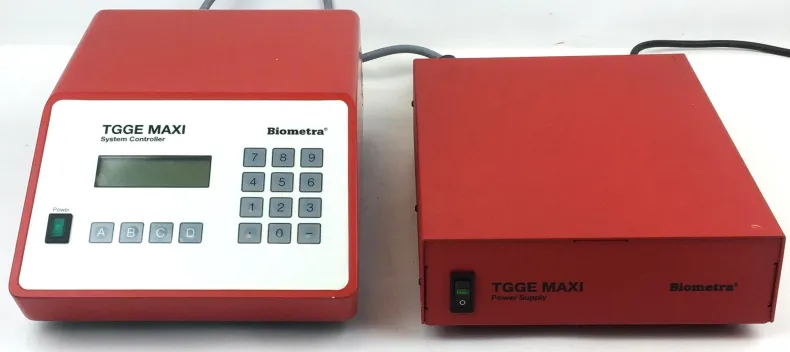
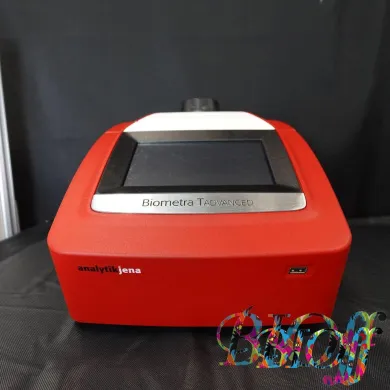
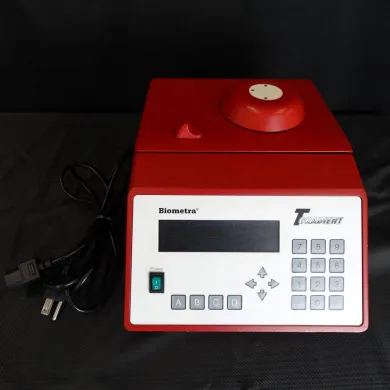


Not the exact instrument you need?
Tell our scientists what you are after. We track it down, including off-market supply.
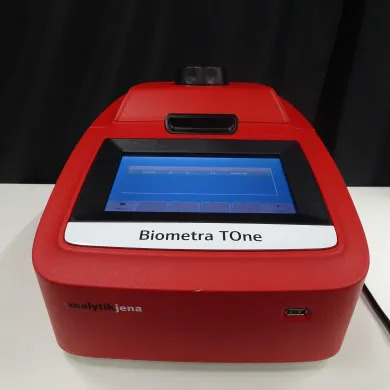
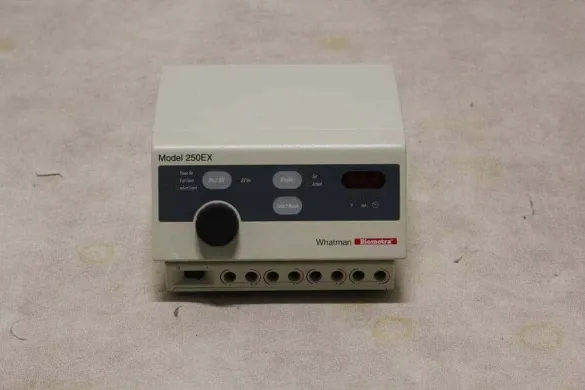
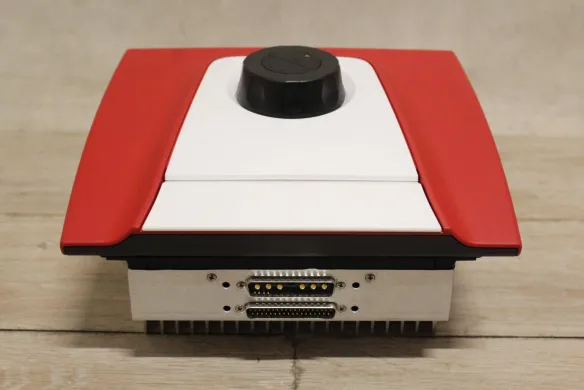
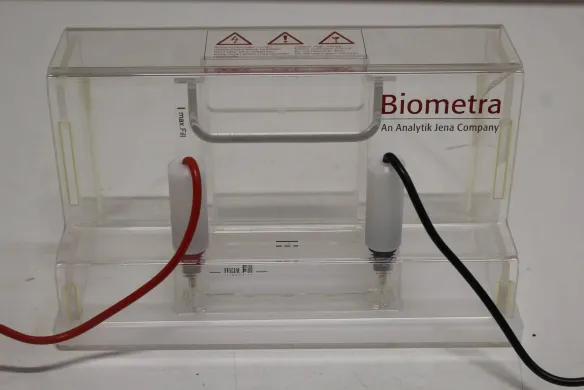
About Biometra
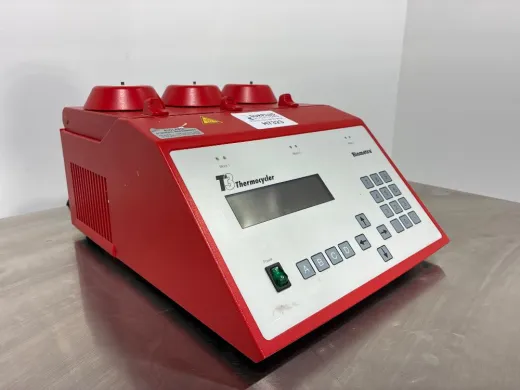
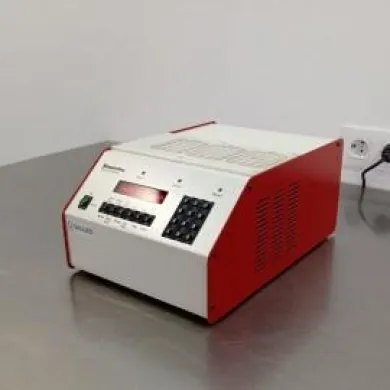
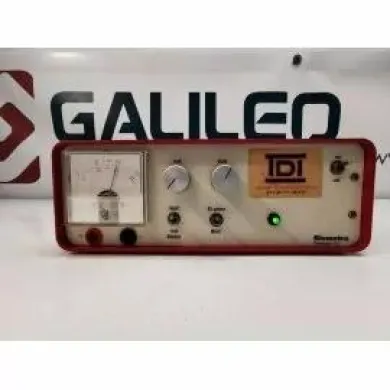
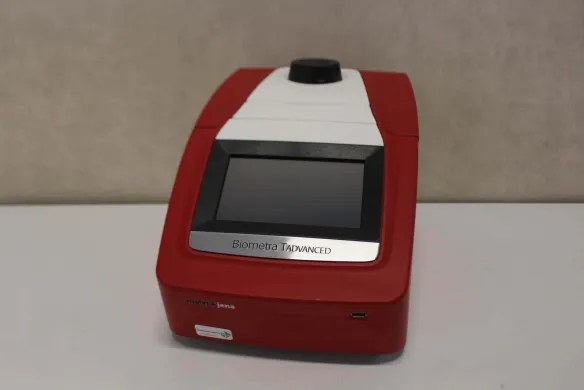
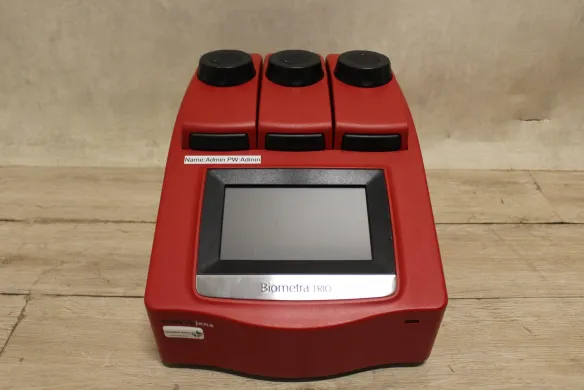
Biometra is a German molecular biology and life science instrument manufacturer based in Göttingen, Germany. It was founded there in 1985 by Herbert Stadler and Bernd Schmidt to develop precision biotechnological instruments for molecular biology laboratories. The company's output covers PCR thermocyclers, gel electrophoresis systems, blotting systems, gel imaging and analysis, hybridization ovens, and laboratory incubators. Its best-known product lines include TProfessional, TOptical, TRobot, TGradient, UNO, T3000 and the BioDocAnalyze imaging range. Since May 2009 Biometra has been part of Analytik Jena, which is itself a subsidiary of the Endress+Hauser Group. On Questpair, used instruments from this maker are listed by 8 verified suppliers and distributors.
What Biometra equipment does in molecular biology?
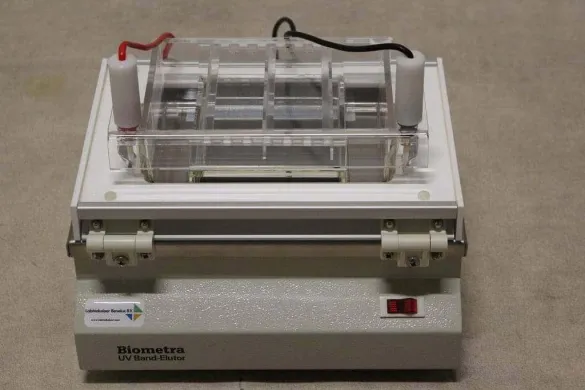
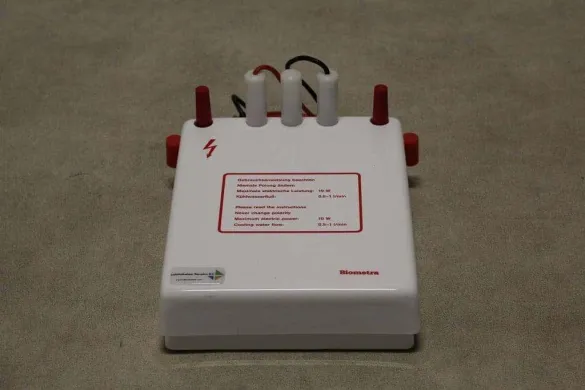
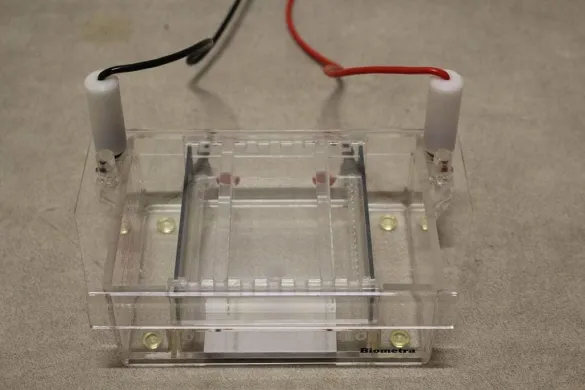
Thermal cyclers do PCR, the reaction that copies a defined stretch of DNA through repeated heating and cooling cycles, and this is the core work of Biometra's TProfessional, TGradient and T3000 lines. A thermal cycler for PCR sits at the centre of molecular biology, where it underpins genomics, cloning and molecular diagnostics; a gradient thermal cycler extends that by running a temperature range across its block so a lab can find the best annealing conditions in one pass. Gel electrophoresis systems separate DNA, RNA or protein by size under an applied field, the standard readout step after an amplification or a digest, and the gel imaging and analysis instruments in the BioDocAnalyze line capture and quantify those separations for documentation. Blotting systems transfer separated molecules from a gel onto a membrane, the step that precedes Southern, Northern and Western blot detection in protein and nucleic acid work. Hybridization ovens are also used for membrane-based probe binding and for cell culture incubation where controlled temperature is the requirement. Together these cover a connected molecular biology bench: amplify, separate, transfer, image.
Biometra product lines on Questpair
The thermal cycler families are the most recognisable part of the range. TProfessional covers configurable and often higher-throughput cyclers, TGradient adds the gradient block described above, and T3000 and UNO represent more compact, single-block instruments. TRobot points to automated or multi-block formats, and TOptical to real-time and optical-detection capable units. On the documentation side, BioDocAnalyze is the gel imaging and analysis line.
Which of these appear on Questpair depends on what the verified suppliers and distributors currently hold, so the catalogue reflects a sample of the brand's history rather than a complete model list. Among the listings that specify a line, the thermal cyclers dominate, which fits a maker whose reputation rests on PCR instrumentation. A buyer comparing a gradient cycler against a standard block can view both under this brand page, and parts for an older line can be sourced via Questpair where a specific component is needed.
Price and condition on Questpair
Every Biometra unit in the catalogue is used. 100 percent of the listings are used. Prices range from EUR 118 to EUR 8.999. The average across the catalogue is EUR 1.644. That spread reflects the distance between a compact single-block cycler and a fully configured multi-block or optical instrument, so the figures mark the outer edges rather than a typical price for any one class. Listings come from 8 suppliers across 6 countries, which gives a buyer more than one source to weigh for a given line. Used and refurbished units are listed below new prices, and where warranty matters it is often possible and arranged in consultation for the specific listing, so it is worth raising per unit rather than assuming a blanket term.
Questpair review of Biometra
Our take based on listings data and supplier feedback
Biometra occupies a narrow, well-defined position in the laboratory instrument market: molecular biology hardware built in Göttingen since 1985, now under Analytik Jena. For a buyer on Questpair, that focus shapes what the listings actually offer, and it is worth weighing each of the three points above against what the catalogue shows.
The first point, the spread of thermal cycler generations, is the clearest strength. The TProfessional, TGradient and T3000 lines represent different eras and feature sets of the same core instrument class, and seeing them together lets a buyer judge a gradient-capable unit against a simpler block without leaving the page. Gradient function matters for anyone optimising annealing temperatures across a range in a single run, and the fact that both gradient and standard blocks appear means the choice is a real one rather than a default. The TRobot and TProfessional names also point to higher-throughput and multi-block configurations, so a lab scaling up its PCR workload can look for those specifically. The limitation here is simply availability: a used catalogue reflects what suppliers happen to hold, so a particular block format or sample capacity may or may not be present at any given moment.
The second point, the single-group focus, is a genuine convenience rather than marketing. Because Biometra's output centres on thermal cyclers, electrophoresis, blotting and gel documentation, the Questpair listings for this maker cluster around molecular biology workflows. A researcher looking for a thermal cycler for PCR, or a gel imaging system for documenting electrophoresis results, finds comparable instruments in one place. This is more useful than it sounds: cross-shopping a gradient cycler against a peltier-only block is straightforward when both sit under the same brand page, and the BioDocAnalyze line adds the imaging side of the same bench workflow.
The third point, price, deserves a plain reading. Every unit in this catalogue is used, so 100 percent of the listings are used. Prices run from EUR 118 to EUR 8.999. The average sits at EUR 1.644. That span is wide because it covers everything from a bench documentation unit to a fully configured multi-block cycler, and the average is a rough midpoint rather than a typical price for any one instrument class. A buyer should read the range as the outer bounds of the catalogue, not as a guide to what a specific TProfessional or TGradient will cost.
Two practical notes close the picture. Warranty on a used instrument is often possible and is arranged in consultation for the specific listing, so it is worth asking per unit rather than assuming. Where a particular part or an older line is needed, parts can be sourced via Questpair. For a lab that already runs German-built molecular biology instruments, or one standardising on a single maker for its PCR and gel workflow, the depth within this one group is the main reason to look here.
**German-built thermal cyclers across several generations**
Biometra's TProfessional, TGradient and T3000 lines appear on Questpair, covering gradient-capable and standard PCR instruments from a single Göttingen manufacturer.
**One specialised instrument group, not a general catalogue**
Listings concentrate on molecular biology hardware, so a buyer searching for a thermal cycler or a gel imaging system finds comparable units side by side rather than scattered across unrelated equipment.
**Used units at a wide price span**
Across 8 verified suppliers and distributors, prices range from EUR 118 to EUR 8.999, which lets a lab match a bench cycler or a documentation system to its budget.
Frequently asked questions
Where can I find manuals and documentation for Biometra instruments?
You can request documentation by contacting Questpair, where specialists respond within one hour. This covers model-specific manuals for thermal cyclers, gel imaging units and other listed Biometra equipment.
How much does used Biometra equipment cost?
Across the Questpair catalogue, prices range from EUR 118 to EUR 8.999, with an average of EUR 1.644. A compact single-block cycler sits at the lower end, while a configured multi-block or optical-detection unit sits near the top.
What is the difference between refurbished and used Biometra units?
A used unit is sold in its working condition as held by the supplier, while a refurbished unit has been reconditioned before resale. Both are listed below new prices, and the exact condition is stated on each individual listing.
Can I get a warranty on a Biometra thermal cycler?
A warranty is often possible and is arranged in consultation for the specific listing. Raise it per unit with the supplier rather than assuming a single blanket term across the catalogue.
Is Biometra equipment suitable for clinical and research labs?
Biometra thermal cyclers underpin PCR for genomics, cloning and molecular diagnostics, and the gel electrophoresis, blotting and imaging lines cover the separation and documentation steps of that work. Whether a specific used unit meets a clinical requirement depends on its configuration and condition as listed.
How long do Biometra thermal cyclers last?
Thermal cyclers are built for repeated heating and cooling cycles, and their working life depends on usage history, block condition and maintenance. The condition detail on each listing is the practical guide to how much life a given used unit has left.
Can I still get parts for older Biometra models?
Parts for Biometra instruments, including discontinued lines, can be sourced via Questpair when a specific component is needed. Name the model and the part so suppliers can confirm availability.
What are good alternatives to Biometra PCR instruments?
Alternatives depend on which bench step you are covering: for PCR you would compare other thermal cycler makers, and for gel documentation you would compare other gel imaging and analysis systems. The Questpair catalogue lets you view thermal cyclers, gradient cyclers and imaging units side by side to weigh configuration against condition.
How long does delivery take for a used Biometra unit?
Lead time is set by the individual supplier and the unit's location, since listings come from 8 suppliers across 6 countries. Confirm dispatch and transit time on the specific listing before ordering.
What is the difference between ordering a part and ordering a spare?
In practice both refer to a component needed to repair or maintain an instrument, whether as a replacement for a failed part or a spare held for future use. Either can be sourced via Questpair by naming the Biometra model and the component required.
Do suppliers ship Biometra equipment internationally?
Listings come from verified suppliers and distributors across 6 countries, so cross-border shipping is available depending on the seller. Check the shipping terms on the individual listing for the destinations a given supplier serves.
What product lines does Biometra make and how do they differ?
On the thermal cycler side, TProfessional covers configurable and higher-throughput cyclers, TGradient adds a gradient block for finding annealing conditions, T3000 and UNO are more compact single-block instruments, TRobot points to automated or multi-block formats, and TOptical to real-time and optical-detection units. For gel documentation, BioDocAnalyze is the imaging and analysis line.
Which Biometra instrument types are actually listed here and in what condition?
Every Biometra unit in the Questpair catalogue is used, with 100 percent listed as used. The listings centre on thermal cyclers and molecular biology equipment, including gradient thermal cyclers, PCR machines and PCR thermal cyclers, which fits a maker known for PCR instrumentation.
Why do some Biometra listings cost so much more than others?
The gap tracks what the instrument is: a compact single-block cycler sits near EUR 118, while a fully configured multi-block or optical-detection unit sits near EUR 8.999. Block count, gradient capability, optical detection and overall condition are what move a listing along that range.
About Questpair
Questpair is the European marketplace for lab equipment, where AI-prepared cases and personal specialists guide every purchase. We work with 247 verified suppliers across 38 countries to find buyers the right new, used or refurbished instruments, with response within 1 hour and significant savings vs buying new.
Personal · Fast · Reliable · Affordable