52k+ listingsShips to NLResponse within one hour+31 73 711 4717info@questpair.com

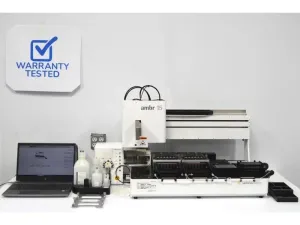
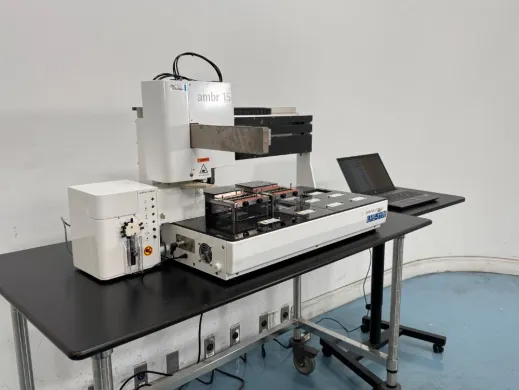
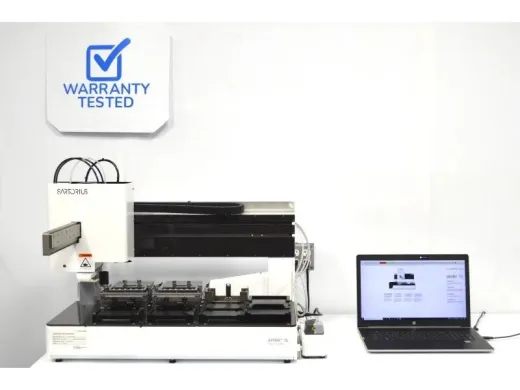
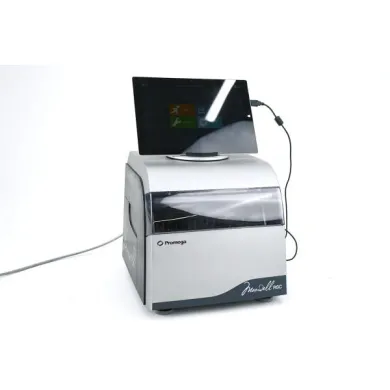
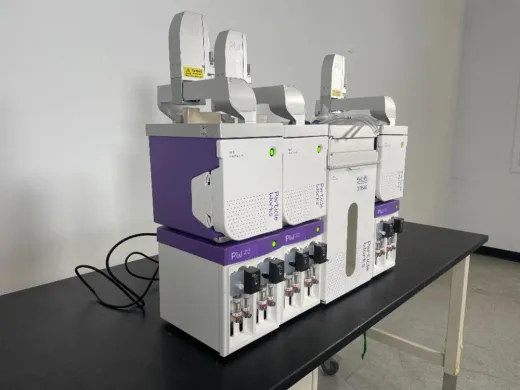
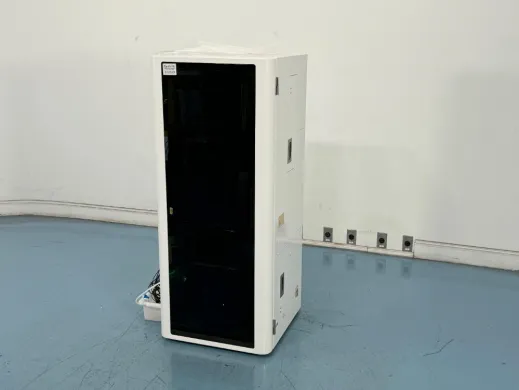
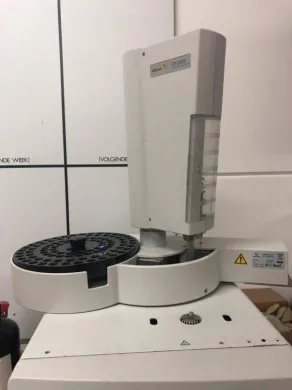
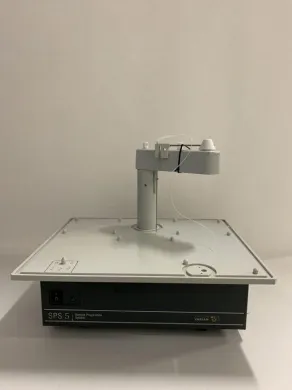
Sartorius Stedim Ambr 15 AMBR-15-F 24-Vessel Microbioreactor Fermentation System with Analysis Module

Price on request

In stock

Can't find what you're looking for?

Stock
In Stock
Product Code
67296
Volume Range
20 to 4000 µL
Number of Vessels
24 vessels
Control Parameters
pH, DO, Temperature, Agitation
All 8 specifications
  • Ships to NL
  • Response within 1 hour
  • Warranty available. Buy without worry
  • Support from a scientist

Specifications 8

Brands
Sartorius
New/Used
Used
Stock
In Stock
Product Code
67296
Volume Range
20 to 4000 µL
Number of Vessels
24 vessels
Control Parameters
pH, DO, Temperature, Agitation
Detail
Software Included

Pre-Owned

Product description

24-vessel single-use microbioreactor system with pH and DO monitoring for parallel fermentation studies.

System Overview

The Sartorius Stedim Ambr 15 AMBR-15-F is a benchtop, parallel microbioreactor system designed for high-throughput bioprocess development and microbial fermentation studies. It accommodates 24 disposable stirred-tank microbioreactors in 2 stations × 12 vessels, supporting parallel process screening, media optimization, scale-down modeling, scale-up studies, and fed-batch or perfusion experiments.

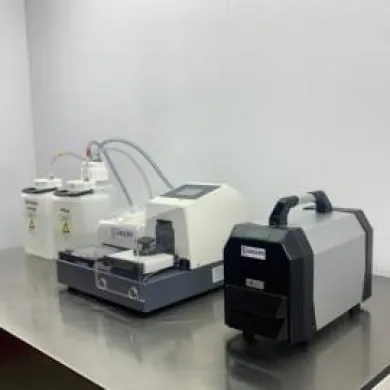
The system includes an analysis module and a PC loaded with control software. Single-use vessel operation helps reduce contamination risk and simplifies setup, changeover, and maintenance for biotechnology and biopharmaceutical development workflows.

Technical Specifications

  • Vessel format: 24 microbioreactors
  • Application: Fermentation studies
  • Vessel type: Single-use microbial fermentation vessels
  • Vessel total volume: 18 mL
  • Vessel working volume: 8–12 mL
  • Nominal microbioreactor format: 15 mL working volume
  • Impeller: Rushton-style or microbial impeller, depending on vessel selection
  • Consumables: Not included

Analysis Module and pH Monitoring

  • Sample volume: 60 µL
  • Cycle time: 160 seconds
  • pH set-point range: 6.5–7.5
  • pH monitoring range: 6.0–8.0
  • pH accuracy: ±0.1 pH units
  • Measurement technology: Non-invasive, fluorescence-based optical spot

Dissolved Oxygen Monitoring

  • DO range: 0–200% air saturation
  • DO accuracy: ±2% at 100% saturation
  • Measurement technology: Fluorescence-based optical spot
  • Control capability: DO regulation through gas control and agitation

Gas Control

  • Gas supply: Air, O₂, and N₂
  • Maximum gas flow: ≤1 mL/min
  • Function: Precise low-flow gas delivery for pH and dissolved oxygen regulation

Mixing and Agitation

  • Agitation speed range: 150–2500 rpm
  • Mixing mode: Orbital shaking
  • Impeller type: Rushton-style impeller
  • Function: Enhanced mixing and oxygen transfer efficiency

Temperature Control

  • Operating temperature range: 20–40 °C
  • Temperature accuracy: ±0.5 °C
  • Cooling: Integrated chilled plate position
  • Temperature shift rate: ≥5 °C per 30 minutes
  • Control mode: Active heating and cooling for dynamic process studies

Liquid Handling

  • Disposable tip sizes: 1 mL and 5 mL
  • 1 mL tip working volume: 20–900 µL
  • 5 mL tip working volume: 0.5–4.0 mL
  • Functions: Automated sampling, feeding, and liquid exchange

Applications

  • Microbial fermentation and bioprocess development
  • High-throughput bioprocess screening
  • Media and process optimization
  • Parallel fed-batch and perfusion experiments
  • Scale-down and scale-up modeling
  • Synthetic biology and strain development workflows
  • Biopharmaceutical process development and biomanufacturing research

Condition and Testing

The pre-owned system was reported as fully functional and tested by an in-house service team. Testing included liquid-handling self-test, aspiration and dispensing, robot arm operation, plate-lid removal, tip pickup, culture-station agitation, temperature control, pH and DO monitoring, feed pump operation, and base pump operation.

Why Questpair exists

Lab equipment markets are fragmented. Buyers spend weeks calling distributors, comparing quotes, and verifying supplier reliability. Sellers struggle to reach global research labs.

We built Questpair to fix this. Every supplier on the platform is verified before listing. Every quote you receive comes from a real, vetted seller. AI prepares your case in minutes, then a real specialist takes over.

We're an independent team based in The Netherlands, working with research labs and procurement teams across Europe and worldwide.

Frequently asked questions

How long does laboratory equipment typically last?

With a service contract, ten to fifteen years is normal for most benchtop instruments. Detectors and pumps are the parts that wear first.

Can I get service for older equipment?

Often, yes. Verified suppliers frequently work with service partners converting the instrument. If applicable, we can list servicing options alongside the offer.

Where can I buy parts?

Ask a scientist through the request button. Parts are often available even when the instrument itself is discontinued.

What is the typical lead time for refurbished equipment?

Two to six weeks, depending on refurbishment scope and whether calibration is included.

Does laboratory equipment ship internationally?

We ship to 38 countries. Crating and customs handling are quoted with the instrument.

Reply in one hour

Can't find the exact configuration?

Tell us what you need and a scientist finds it for you, usually within the hour.

Last updated 8 November 2026