

Other materials
We personally find you the right used, refurbished and new other materials instruments & equipment from verified suppliers.
Other materials is a catch-all laboratory category covering the furniture, storage and fabrication equipment that supports lab work without analysing a sample itself. It gathers workbenches, cabinets and additive manufacturing hardware that do not fit a measurement class. Across the Questpair catalogue, 98 percent of the listings are used, drawn from 11 verified suppliers and distributors in 7 countries. Prices run from EUR 6 to EUR 38.736. New, used and refurbished laboratory items all appear here, from a single mobile filing unit to a complete storage system. Because the contents are mixed, a buyer reads this category by type rather than by one shared specification.
Updated:
Other materials product list


Not the exact instrument you need?
Tell our scientists what you are after. We track it down, including off-market supply.
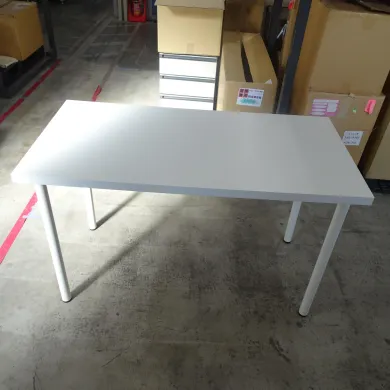
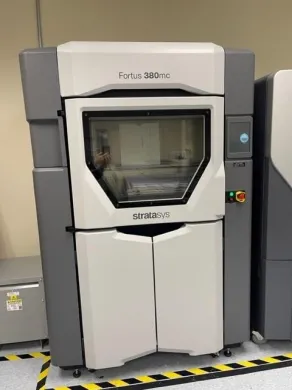
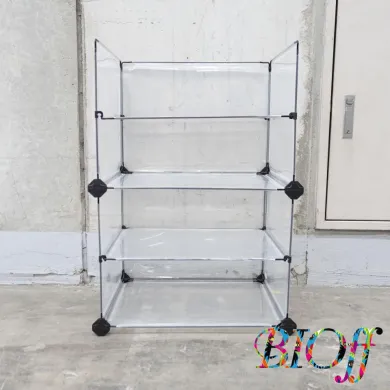
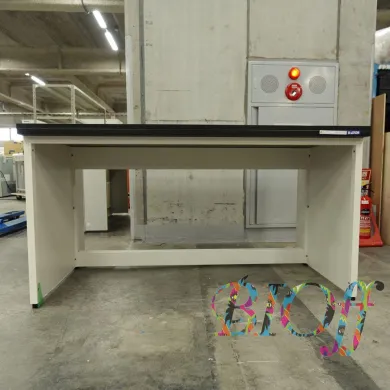
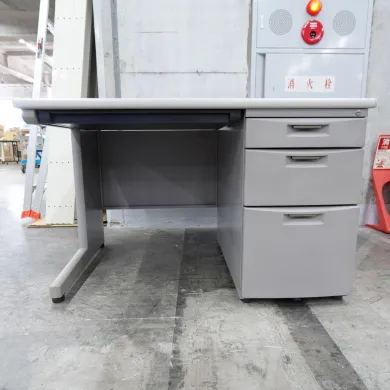
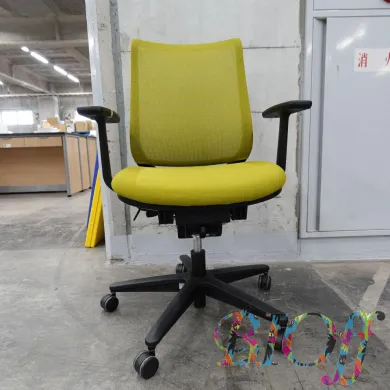
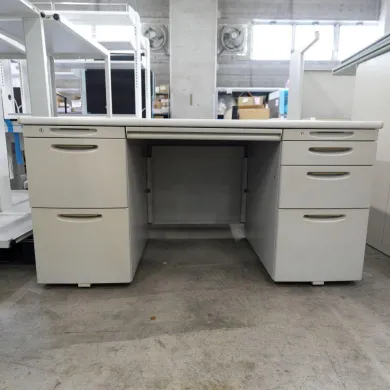
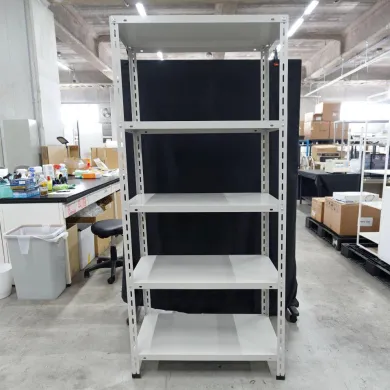
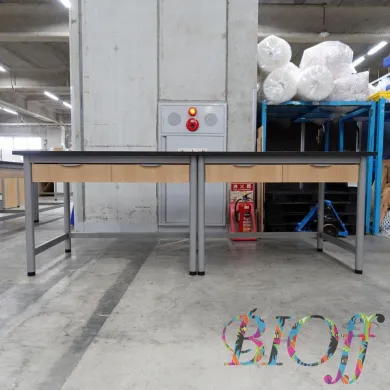
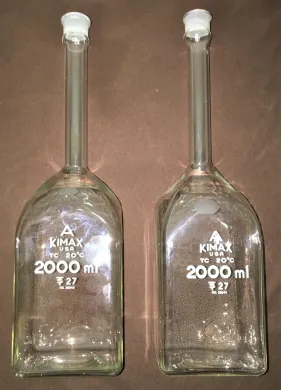
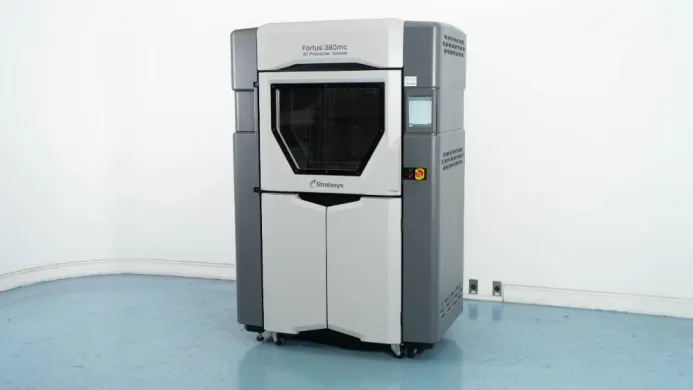
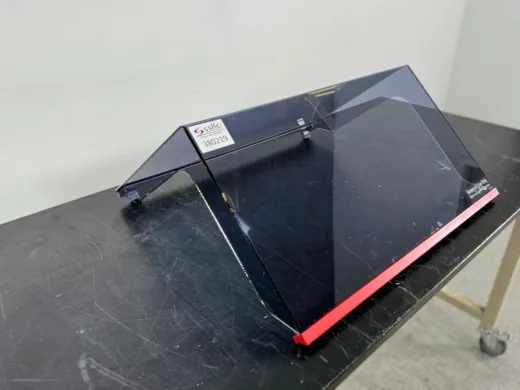
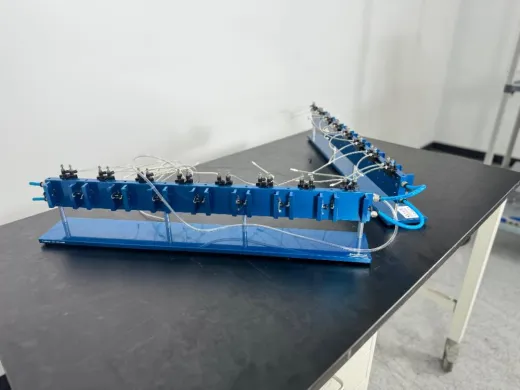
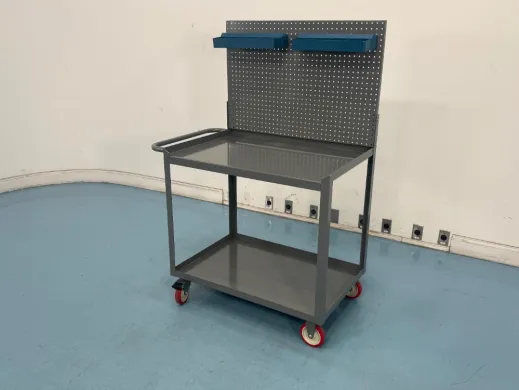
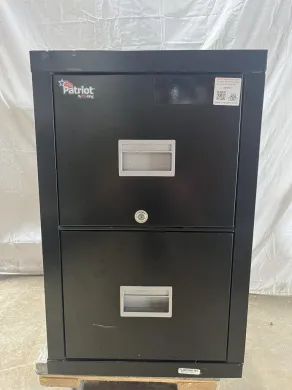
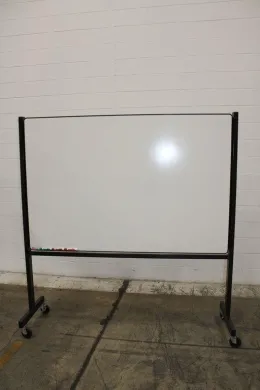
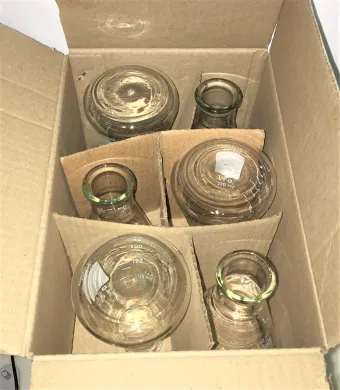
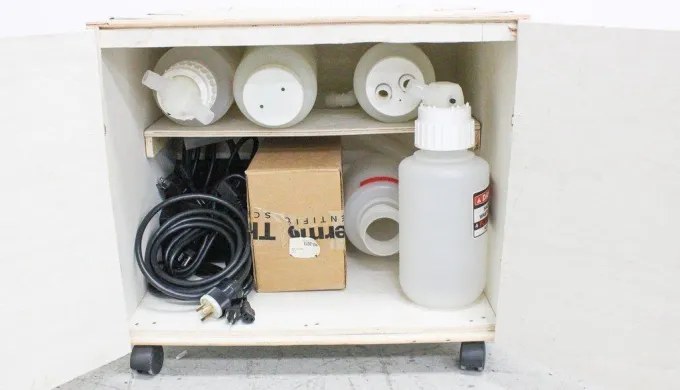
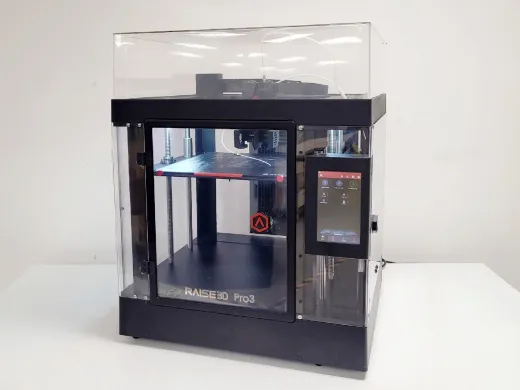
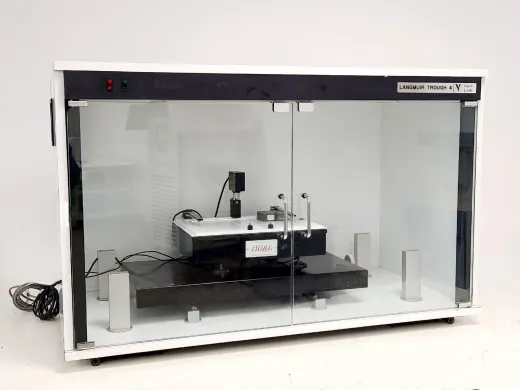
Not the exact instrument you need?
Tell our scientists what you are after. We track it down, including off-market supply.
Showing 1–40 of 62 listings
Show 22 more listingsBuying guide
The first thing to settle in this category is what the item has to physically carry or house, because that governs almost everything else. A laboratory workbench rated for a heavy centrifuge is a different purchase from one meant for paperwork, and a storage cabinet for solvents is built to a fire or ventilation standard that a plain filing cabinet is not. Confirm the load rating, the surface material, whether the top resists the chemicals it will meet, and the internal dimensions against the equipment you intend to stand on or inside it. For additive manufacturing hardware such as a 3d printer, the deciding figure is the build volume and the materials it accepts, not the footprint.
What to verify on a used unit follows from how these items are built. Furniture and cabinets rarely have a datasheet, so condition is read directly: check the frame for racking, the drawer runners and locks on a mobile filing cabinet, the integrity of a chemical-resistant worktop, and any seals on a ventilated or fire-rated cabinet, since a compromised seal defeats the reason to buy that grade. For a used 3d printer, ask about print hours, nozzle and bed wear, and whether it still holds calibration; these are the parts that degrade, and they decide whether the machine prints on arrival. With 178 of the listings sold used, this inspection matters more here than the brand name on the item.
Prices here cover a very wide span because the category mixes a small accessory with a complete furniture fit-out. The range from EUR 6 to EUR 38.736 reflects that spread, with an average near EUR 1.336. What a workbench or cabinet costs is driven mainly by size, rating and build quality, so set your budget against the specification rather than the label. Refurbished and used laboratory furniture listed for sale is more affordable than new, which is the straightforward reason most of this category trades second-hand. Among the names that recur, Various, Unknown, ULINE, Bernina, ITOKI appear across the listings; several are generic or unbranded items where fit and condition, not maker, decide the purchase.
Types of Other materials
Which equipment types are listed under other materials?
Among the listings that specify a type, the most common are laboratory workbench, laboratory storage cabinet, laboratory furniture, additive manufacturing equipment, mobile filing cabinet and 3d printer. The split is roughly between two groups. One is fixed and fitted infrastructure: benches, cabinets and general furniture that define where work happens and where materials and samples are stored. The other is fabrication hardware, where additive manufacturing equipment and desktop 3d printers let a lab make a custom jig, enclosure or replacement part on site. A mobile filing cabinet sits between the two, a small movable storage unit for records or consumables. Because these items serve different ends, they share no single specification; a buyer picks on dimensions, load or build volume, whichever applies to the type in hand.
Additive manufacturing and 3d printers connect this category to life sciences work. A desktop printer is used for custom labware, microfluidic moulds and tissue scaffolds, and bioprinting hardware extends that into cell-laden constructs for cell culture and early tissue engineering. A lab building a 3d printed microfluidic device for a molecular diagnostics assay, or printing a custom holder for a cell imaging rig, buys this equipment to fabricate what no catalogue supplies. These uses are a minority of the category by count but are the reason it is searched by biotechnology groups rather than only by facilities teams.
The brands behind the other materials listings
The recurring names are Various, Unknown, ULINE, Bernina, ITOKI. Several entries are generic, unbranded or listed as unknown, which is normal for furniture and storage, where the item is bought on size and condition rather than on a maker. For a buyer this means two things. Parts and compatibility are rarely a concern for a bench or a cabinet, so an unbranded unit is a reasonable purchase. For a 3d printer, by contrast, the brand does determine the material ecosystem and the availability of replacement nozzles and beds, so there a named maker is worth paying for. Parts can be sourced via Questpair where a specific unit needs them.
What a used other materials item costs here
With 178 of 182 listings sold used and only 4 new, this is a predominantly second-hand catalogue. Prices run from EUR 6 to EUR 38.736, a span that covers a single mobile filing cabinet at one end and a fully fitted laboratory storage system or industrial 3d printer at the other. The average sits near EUR 1.336. Supply comes from 11 verified suppliers and distributors across 7 countries, so availability of any one type varies, and a buyer comparing options reads condition and specification rather than a shared datasheet.
Frequently asked questions
What is Other materials in a lab context?
It is a catch-all category for laboratory equipment that supports lab work without analysing a sample itself, covering furniture, storage and fabrication hardware. Items like workbenches, cabinets and 3d printers fall here because they do not fit a measurement class.
What does Other materials mean on this page?
It means the listing does not belong to a defined instrument class, so it is grouped by function rather than by one shared specification. A buyer reads this category by type, picking on dimensions, load or build volume depending on the item.
How do items in this category work?
They work differently because they serve different ends. Fixed infrastructure like benches and cabinets defines where work happens and where materials are stored, while additive manufacturing hardware builds custom parts on site by depositing material layer by layer.
What types are listed under Other materials?
Among listings that specify a type, the common ones are laboratory workbench, laboratory storage cabinet, laboratory furniture, additive manufacturing equipment, mobile filing cabinet and 3d printer. They split into fitted infrastructure and fabrication hardware, with the mobile filing cabinet as a small movable storage unit between the two.
What is this equipment used for?
Furniture and cabinets house equipment, materials and records and provide the surfaces to work on. Additive manufacturing hardware and 3d printers let a lab fabricate custom labware, jigs, enclosures, microfluidic moulds or tissue scaffolds that no catalogue supplies.
How do I choose the right item here?
Settle first what the item has to physically carry or house, since that governs the rest. For a bench or cabinet confirm load rating, surface material, chemical resistance and internal dimensions; for a 3d printer the deciding figures are build volume and the materials it accepts.
What is the difference between refurbished and used here?
Used means the item is sold as-is in its current condition, while refurbished means it has been checked and brought back toward working order before sale. For furniture both terms point to physical condition; for a 3d printer refurbishment usually addresses nozzle, bed and calibration.
How much does an item in this category cost?
Prices range from EUR 6 to EUR 38.736, with the average near EUR 1.336. The span is wide because the category mixes a single mobile filing cabinet with a complete fitted storage system or an industrial 3d printer.
Which brands show up in these listings?
The recurring names are Various, Unknown, ULINE, Bernina and ITOKI. Many entries are generic or unbranded, which is normal for furniture and storage where size and condition decide the purchase rather than the maker.
Is a warranty available on a refurbished unit?
A warranty is often possible and is arranged in consultation for the specific listing. Terms are not set centrally, so check the individual listing for what applies.
Can I get parts for these items?
For a bench or cabinet, parts and compatibility are rarely a concern. For a 3d printer, replacement nozzles and beds matter, and parts can be sourced via Questpair when a specific unit needs them.
How long do these items last?
Furniture and cabinets have long service lives because they have few wear parts, limited mainly by frame integrity, runners, locks and worktop condition. A 3d printer wears through its nozzle, bed and moving parts, so print hours and calibration matter more to its remaining life.
Should I buy new or used?
With 178 of 182 listings sold used and 4 new, this is a predominantly second-hand catalogue. Used and refurbished units are listed at lower prices than new; where you need to weigh the two, read the individual listing and note that warranty is arranged in consultation.
Where can I buy these items?
They are offered through verified suppliers and distributors on Questpair, with supply from 11 suppliers across 7 countries. Availability of any one type varies, so compare on condition and specification.
What are the lead time and shipping like?
Lead time and shipping depend on the item and the supplier, since furniture ships differently from a desktop printer and sellers sit in 7 countries. The individual listing and its supplier give the specific timing and delivery terms.
Do these items need calibration or maintenance?
Furniture and cabinets need no calibration; maintenance is limited to checking frames, runners, locks and worktop and seal integrity. A 3d printer needs calibration and periodic nozzle and bed attention to keep printing accurately, which is why print hours and wear are worth asking about on a used machine.
Which types are most listed and who buys them?
Workbenches, storage cabinets and general furniture dominate by count and are bought by facilities teams fitting out a lab. Additive manufacturing equipment and 3d printers are a smaller share but are what biotechnology groups reach for, to fabricate custom labware, microfluidic devices or imaging holders.
Which brands dominate this category and what does that mean for me?
Various, Unknown and unbranded entries dominate alongside ULINE, Bernina and ITOKI, which reflects that furniture is bought on size and condition. For a bench or cabinet an unbranded unit is a reasonable purchase; for a 3d printer the brand determines the material ecosystem and part availability, so a named maker carries more weight there.
What separates the cheapest items here from the most expensive?
The bottom of the band is a single small unit such as a mobile filing cabinet, while the top is a fully fitted laboratory storage system or an industrial 3d printer. Price is driven mainly by size, rating and build quality, so set budget against the specification rather than the label.