

Motion control equipment
We personally find you the right used, refurbished and new motion control equipment from verified suppliers.
Motion control equipment is the class of hardware that drives, positions and coordinates mechanical movement in a laboratory, covering the automation platforms, stages, mixers and operator controls that move samples and instruments with repeatable precision. The category spans both fully automated systems and the stands, joysticks and accessories that support manual positioning. New, used and refurbished units are listed on Questpair, and 94 percent of the listings are used. Prices range from EUR 9 to EUR 103.307, a spread that reflects how far this category reaches, from small manual accessories at one end to complete liquid handling workstations at the other. 505 items are listed in total across the marketplace.
Updated:
Motion control equipment product list
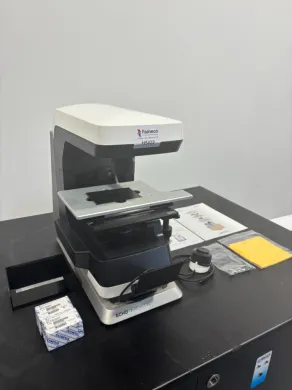
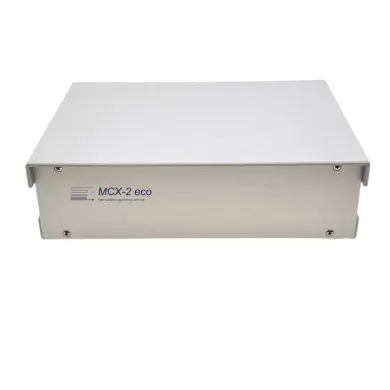
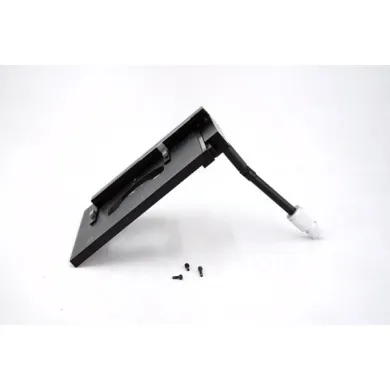


Not the exact instrument you need?
Tell our scientists what you are after. We track it down, including off-market supply.

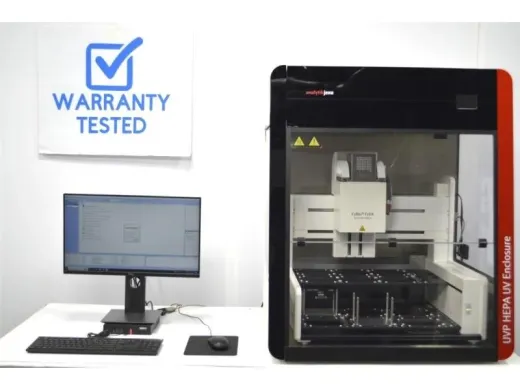
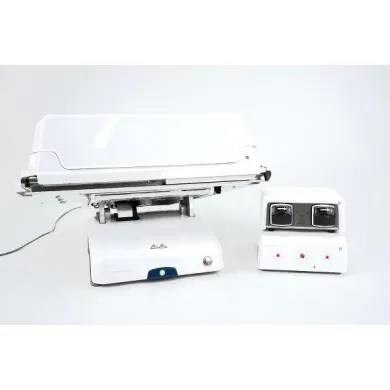
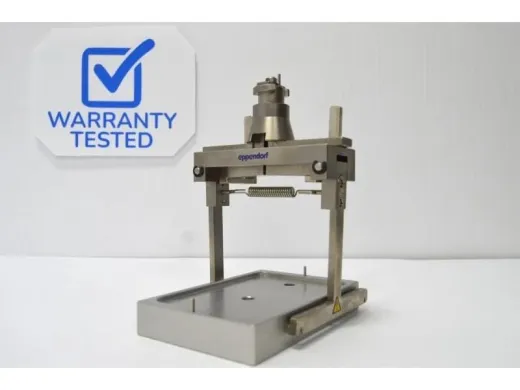
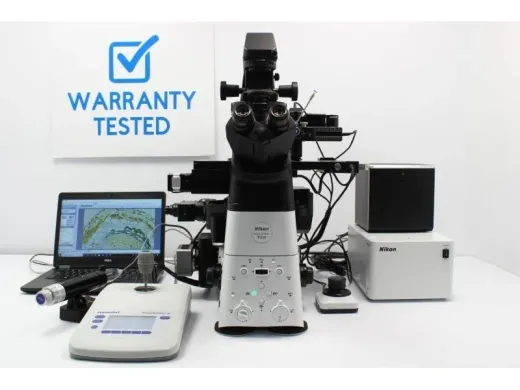
Not the exact instrument you need?
Tell our scientists what you are after. We track it down, including off-market supply.
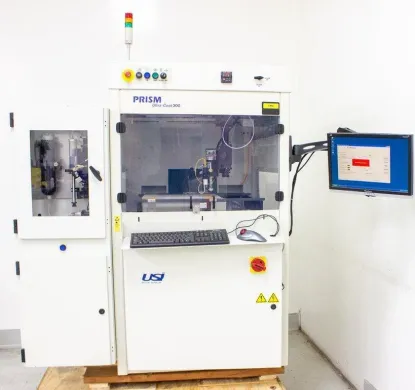
Showing 1–40 of 365 listings
Show 40 more listingsBuying guide
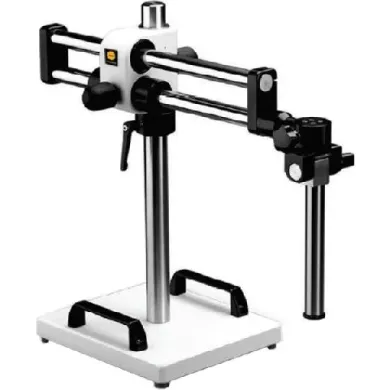
What settles a motion control purchase first is how much of the movement the equipment has to perform on its own. The category runs from a boom stand that holds a microscope steady, where the operator does all the positioning, to an automated liquid handling workstation that pipettes a full plate without a hand on it. Decide which end you need before anything else, because it governs footprint, price and the degree of integration with the rest of the bench. A joystick controller and a stage motor serve a different workflow from a mixer, and a buyer who starts from the specification sheet of one will struggle to compare it with the other.
Once the degree of automation is fixed, the deciding specification follows from it. For an automated workstation the throughput and the deck layout matter: how many plates, how many tips, which labware formats the deck accepts. For a laboratory mixer it is the speed range and the load it will carry. For a positioning stand or stage it is travel, load capacity and the resolution of each step. Match that figure to the protocol rather than to the headline number, because a workstation sized for a high-throughput screen is overspecified for an occasional assay.
On a used unit, the moving parts are what to verify. Motors, drive belts, lead screws and bearings wear with cycles, and a system sold after heavy duty may position less accurately than its original datasheet promises. Ask for the service history, confirm that controllers and software are present and compatible, and check that accessories such as pipette heads or stage inserts are included, since these are costly to replace separately. Where a warranty matters, it is arranged in consultation for the specific listing.
Price reflects that range directly. What a unit costs here depends almost entirely on which end of the category it sits in, so a modest budget reaches the accessories and manual stands while a full workstation sits near the top. The average across the listings is EUR 4.849. Used and refurbished units are listed at prices below new, which makes a capable automated platform more affordable second-hand than its list price would suggest. Verified suppliers and distributors offer the equipment for sale, so comparing two listings of the same model is usually straightforward.
Types of Motion control equipment
Which motion control types are listed?
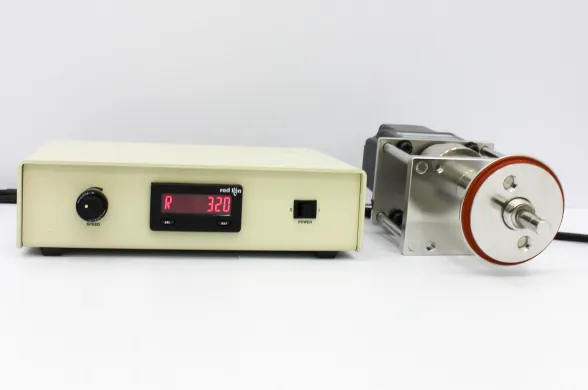
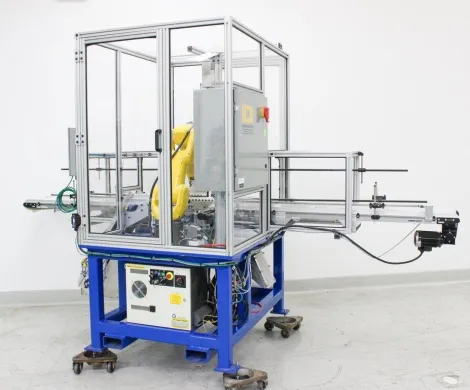
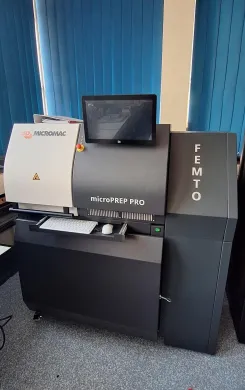
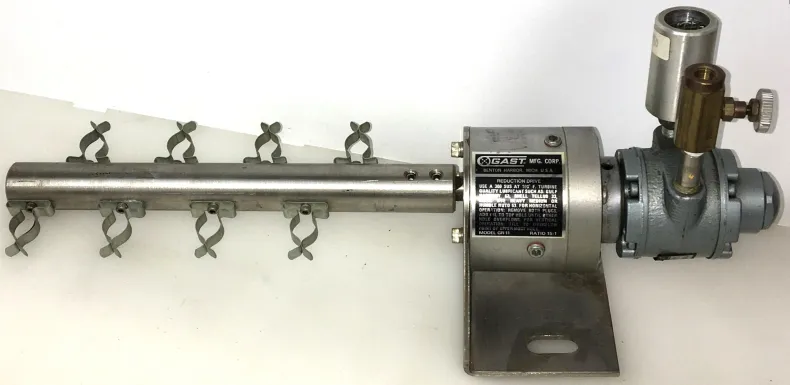
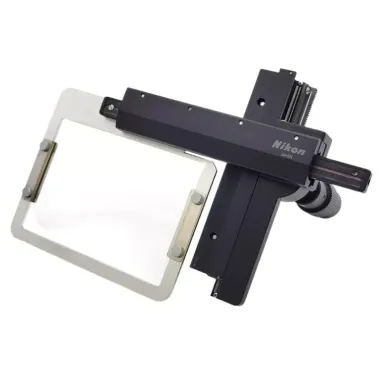
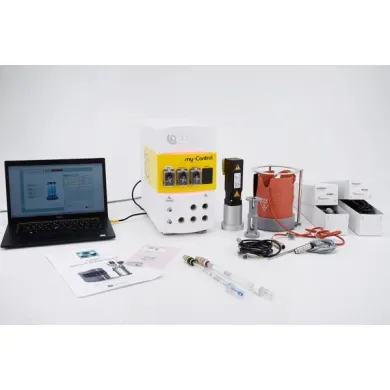
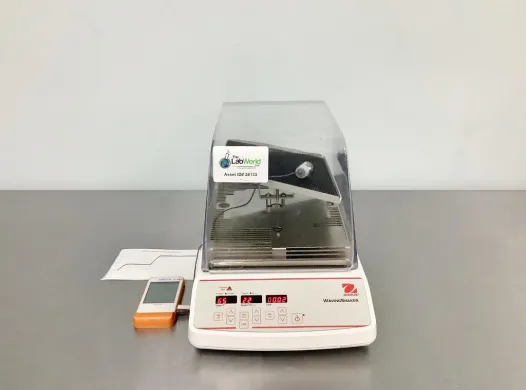
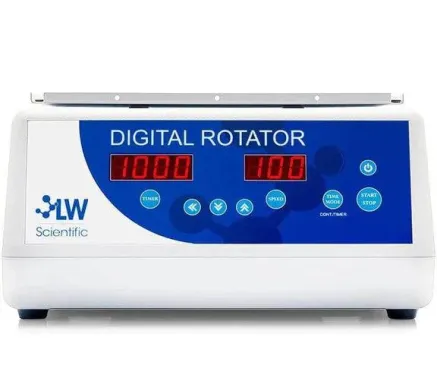
Among the listings that specify a type, the common ones are laboratory automation equipment, boom stand, automated liquid handling workstation, joystick controller, laboratory mixer, microscope accessory. They do not form a single product family so much as a set of answers to the same problem, moving something precisely, at different scales. At the automated end sit laboratory automation equipment and automated liquid handling workstations, which carry out positioning and pipetting under program control; these are the platforms a buyer reaches for when a protocol has to run the same way every time. Automated liquid handling is a staple of molecular biology and genomics, where plate-based assays, nucleic acid extraction and library preparation for sequencing depend on repeatable volumes, and the same workstations run the immunoassay and cell culture steps that scale poorly by hand. A laboratory mixer handles sample preparation and formulation, blending reagents and resuspending pellets across microbiology and proteomics benches. A boom stand and a microscope accessory serve the positioning side, holding optics steady for cell imaging and histology, and a joystick controller drives a motorised stage so an operator can traverse a slide without touching the specimen.
The brands behind the motion control listings
The names that recur most are ABB, Diagnostic Instruments, Olympus, SMC, Thermo Scientific. A mix like this one, spanning automation vendors, optics makers and pneumatics suppliers, tells a buyer something practical: parts and documentation for the better-represented names are easier to source, and a model from a widely listed maker is simpler to compare against a second unit of the same type. Where a brand appears often, a buyer can weigh two listings side by side rather than guess at a fair price. The individual brand pages carry the detail on each maker; here it is enough to say that recognisable names dominate the catalogue.
What a used motion control unit costs here
94 percent of the listings are used. Prices range from EUR 9 to EUR 103.307. That spread is wide because the category itself is wide: a single microscope accessory and a complete automation platform are both counted, and the gap between them accounts for most of the range. The listings come from 16 verified suppliers and distributors across 7 countries, so a buyer comparing a used workstation against a new one is weighing availability and price rather than a central warranty, since warranty is arranged in consultation for the specific listing.
Frequently asked questions
What is motion control equipment?
It is the class of hardware that drives, positions and coordinates mechanical movement in a laboratory. The category covers automation platforms, stages, mixers and operator controls that move samples and instruments with repeatable precision.
What does motion control equipment mean in a lab setting?
It refers to any device that handles the physical movement of samples or instruments, from a stand that holds optics steady to a workstation that pipettes a full plate on its own. The common thread is positioning something precisely, at different scales.
How does motion control equipment work?
Automated units move under program control, using motors, drive belts, lead screws and bearings to position parts according to a stored protocol. Manual equipment such as a boom stand or joystick controller lets an operator drive a stage or hold optics in place by hand.
What types of motion control equipment are there?
The types listed here include laboratory automation equipment, boom stands, automated liquid handling workstations, joystick controllers, laboratory mixers and microscope accessories. They range from fully automated platforms to manual positioning accessories.
What is motion control equipment used for?
Automated workstations run plate-based assays, nucleic acid extraction and library preparation where repeatable volumes matter, and also handle immunoassay and cell culture steps. Mixers blend reagents and resuspend pellets, while boom stands, microscope accessories and joystick controllers support imaging and stage positioning.
How do I choose motion control equipment?
Start by deciding how much of the movement the equipment must perform on its own, since that governs footprint, price and integration with the bench. Once the degree of automation is fixed, match the deciding specification, deck layout and throughput for a workstation, speed and load for a mixer, travel and resolution for a stage, to your actual protocol.
What is the difference between refurbished and used motion control equipment?
A used unit is sold in its current condition, while a refurbished unit has been checked over and brought back toward working order before sale. For either, verify the service history and confirm that controllers, software and accessories are present and compatible.
How much does motion control equipment cost?
Prices range from EUR 9 to EUR 103.307, with an average of EUR 4.849. The spread is wide because a single microscope accessory and a complete automation platform are both counted, and where a unit sits in that range depends almost entirely on which end of the category it belongs to.
What brands of motion control equipment are available?
The names that recur most in the listings are ABB, Diagnostic Instruments, Olympus, SMC and Thermo Scientific. The mix spans automation vendors, optics makers and pneumatics suppliers, reflecting how broad the category is.
Is there a warranty on refurbished motion control equipment?
A warranty is often possible and is arranged in consultation for the specific listing. Questpair does not set warranty terms centrally, so the detail depends on the individual unit and seller.
Can I get parts for motion control equipment?
Parts can be sourced via Questpair. For a used unit, check beforehand whether wear items such as drive belts, bearings or pipette heads are included, since these are costly to replace separately.
How long does motion control equipment last?
Lifespan depends on the moving parts and the duty the unit has seen. Motors, drive belts, lead screws and bearings wear with cycles, so a system sold after heavy use may position less accurately than its original datasheet promised.
Should I buy new or refurbished motion control equipment?
Used and refurbished units are listed at lower prices than new, which makes a capable automated platform more affordable second-hand than its list price would suggest. The trade-off is availability and condition, so compare the specific listings and arrange warranty in consultation for the one you choose.
Where can I buy motion control equipment?
It is listed on Questpair from verified suppliers and distributors. 505 items are listed in total, drawn from 16 suppliers across 7 countries.
What is the lead time and shipping on motion control equipment?
Lead time and shipping depend on the individual listing, the supplier and the destination country, since the equipment comes from 16 suppliers across 7 countries. Check the listing or contact Questpair for the specifics, where specialists respond within 1 hour.
What calibration and maintenance does motion control equipment need?
Automated positioning systems need their motion checked against the datasheet and their moving parts inspected for wear, and the controller and software must stay compatible. Questpair does not perform servicing, but parts can be sourced through the marketplace when a component needs replacing.
Which types in this category are listed most, and who reaches for each?
Automated liquid handling workstations and laboratory automation equipment suit molecular biology and genomics teams running the same protocol repeatedly. Mixers serve sample preparation and formulation benches, while boom stands, microscope accessories and joystick controllers go to imaging and histology work that needs steady, precise positioning.
Which brands dominate this category and what does that mean for a buyer?
ABB, Diagnostic Instruments, Olympus, SMC and Thermo Scientific recur most across the listings. Where a brand appears often, parts and documentation are easier to source and a buyer can weigh two listings of the same type side by side rather than guess at a fair price.
What separates the cheapest motion control equipment from the most expensive?
The gap comes almost entirely from the degree of automation. A manual microscope accessory or boom stand sits near EUR 9, where the operator does all the positioning, while a complete liquid handling workstation that pipettes a full plate under program control sits near EUR 103.307.